Dental ImplantsGet a smile like this
Dental Implants in Turkey
Dental implants in Istanbul, planned around you
Replace one tooth or a full arch with titanium implants from established brands, placed after 3D planning by experienced implant dentists — with hotel, VIP transfers and a personal coordinator arranged for you.
from €235 per implant- 3D CBCT scan and digital treatment planning
- Implant systems from internationally established manufacturers
- Temporary teeth so you never leave without a smile
- Written treatment plan and guarantee before you travel
Time in Istanbul2 trips · 4–7 days each
Visits3–5 appointments per trip
Back to normalUsually 2–3 days
Your free treatment plan
Send us a few details — a dentist reviews your case and our coordinator replies within 24 hours.
Prefer to chat? WhatsApp us
Overview
Dental Implants in Turkey: what you need to know
Dental implants are the closest thing modern dentistry has to a natural tooth. A small titanium post is placed in the jawbone, where it bonds with the bone over a few months and then acts as a new root. On top of it sits a crown, a bridge or a full arch of fixed teeth that you can bite, chew and smile with confidently, without adhesive and without a plate covering your palate.
Implants are suitable for people who have lost one tooth, several teeth or all of their teeth in one jaw, and for anyone who struggles with a loose or uncomfortable denture. Most healthy adults are candidates. Bone loss, gum disease or smoking do not automatically rule you out, but they do need to be assessed honestly before treatment begins.
Each year, many patients from the UK, Ireland, Germany, Austria and Switzerland choose dental implants in Turkey because they can have the same internationally established implant systems placed for often 50–70% less than at private clinics at home. At Doctor Turka in Istanbul, your treatment is planned and carried out by our dentists, Dr. Taha G and Dr. Hatice G, on the basis of a 3D CBCT scan and digital planning. What you can expect from us:
- a free online assessment of your photos or X-ray, with a reply within 24 hours, 7 days a week
- a written, itemised treatment plan and quote before you book your flight
- an English- and German-speaking coordinator from the first message to aftercare at home
- written guarantee terms for your implants and restorations
A typical implant journey involves two trips. On the first, which usually lasts 4–7 days, you have your scan, consultation and implant placement, and leave with temporary teeth where needed. After around three to six months of healing at home, you return for about a week to receive your final crowns or bridge. Hotel and VIP transfers can be arranged as part of a package, so your time in Istanbul is spent on treatment and rest rather than logistics.
Treatment options
Types of Dental Implants
Which option suits you is decided together with your dentist — based on your examination, not a catalogue.
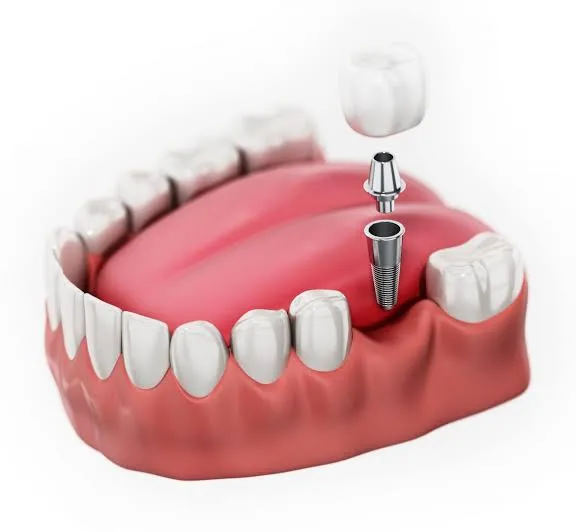
Single implant
from €235 per implantReplace one tooth with an implant and a crown that is colour-matched to your natural teeth.
Learn more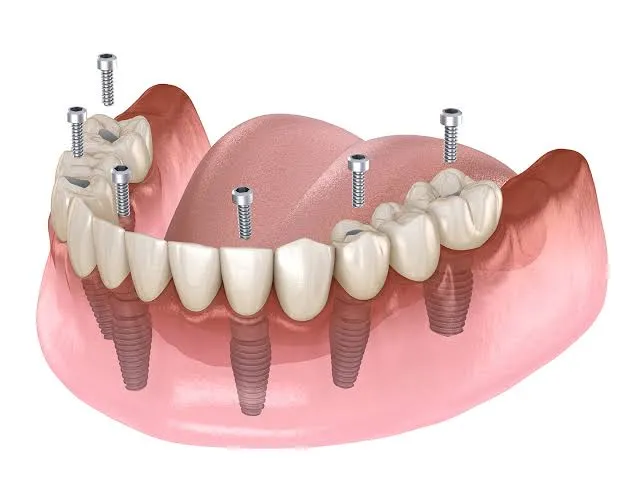
All-on-4
from €3,310 per archFull-arch replacement on four angled implants — fixed teeth, no palate, no adhesive.
Learn more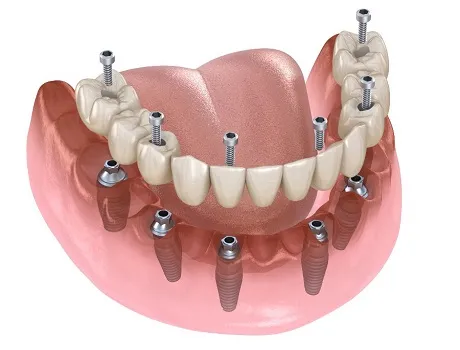
All-on-6
from €3,775 per archSix implants, one fixed bridge — maximum stability for a complete arch.
Learn more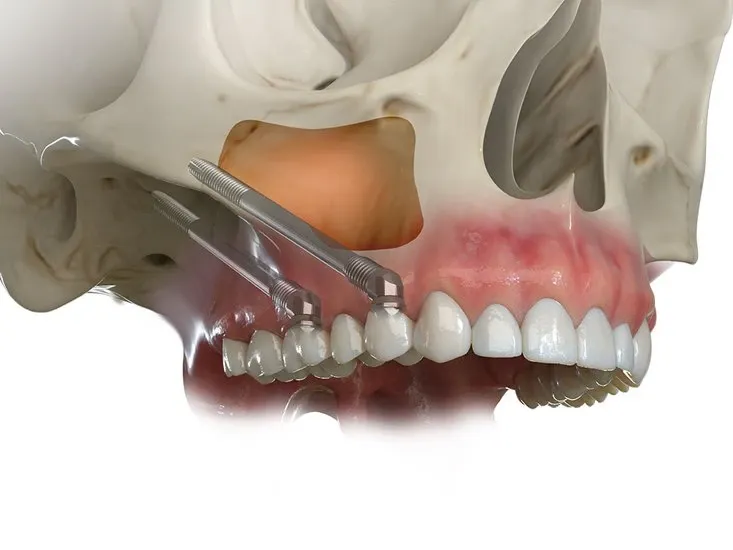
Zygomatic implants
from €2,295 per implantLong implants anchored in the cheekbone — an option when the upper jaw has too little bone.
Learn more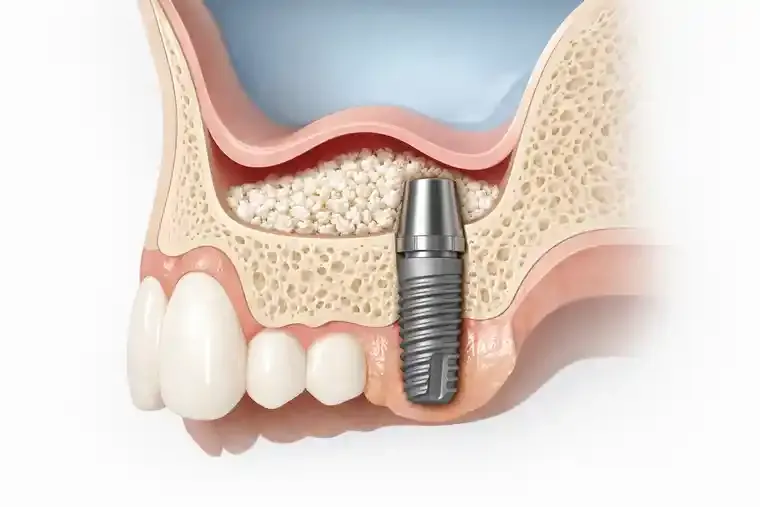
Bone graft & sinus lift
Restore lost jawbone so that implants have a stable, long-term foundation.
Learn moreWhich Dental Implants option is right for you?Send 2–3 photos — a dentist recommends the right option, free of charge.
Before & After
View all Dental Implants before and after
Every smile is different. Ask us for cases similar to yours.
Benefits
Benefits of Dental Implants
Fixed, not removable
Implant teeth stay in place when you eat, speak or laugh — no adhesive, no plate covering the palate.
Protects the jawbone
Chewing forces are transmitted into the bone again, which slows the shrinkage that follows tooth loss.
Healthy teeth stay untouched
Unlike a bridge, neighbouring teeth do not need to be ground down to carry the replacement.
Built to last
With good hygiene and check-ups, implants can serve for decades; the crowns on top are renewable.
Good to know: limits & risks
- Implants need minor surgery and a healing phase of around three to six months before the final teeth are fitted.
- Treatment abroad usually means two trips, so you need to plan time off work twice.
- Smoking, poorly controlled diabetes and untreated gum disease increase the risk of implant failure.
- If bone has receded, a bone graft or sinus lift may be needed first, which can extend the timeline.
- Swelling, bruising and soreness for a few days after surgery are normal.
- A small percentage of implants do not integrate and have to be replaced after healing.
- Implants need lifelong daily cleaning and regular check-ups to prevent peri-implantitis.
 Usually replies within hours
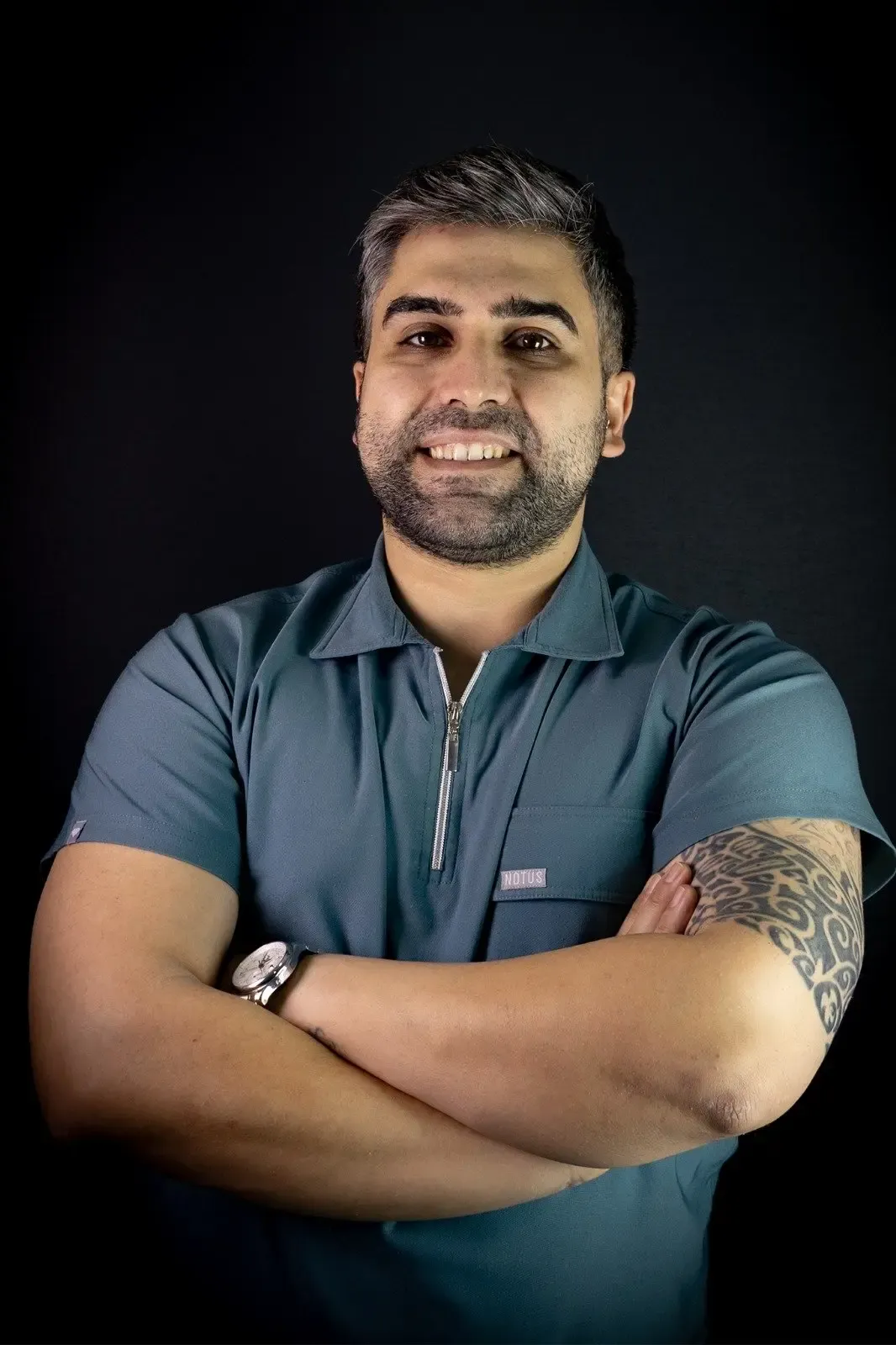
 Ask a dentist
Questions about Dental Implants? Ask the dentist directly.
Dr. Taha G and the team answer your questions personally — whether Dental Implants suits you, how long it takes and what the alternatives are.
- Answered by a dentist, not a sales team
- Photos or an X-ray are enough
- Free and without obligation
The clinic
Learn more See where your new smile begins
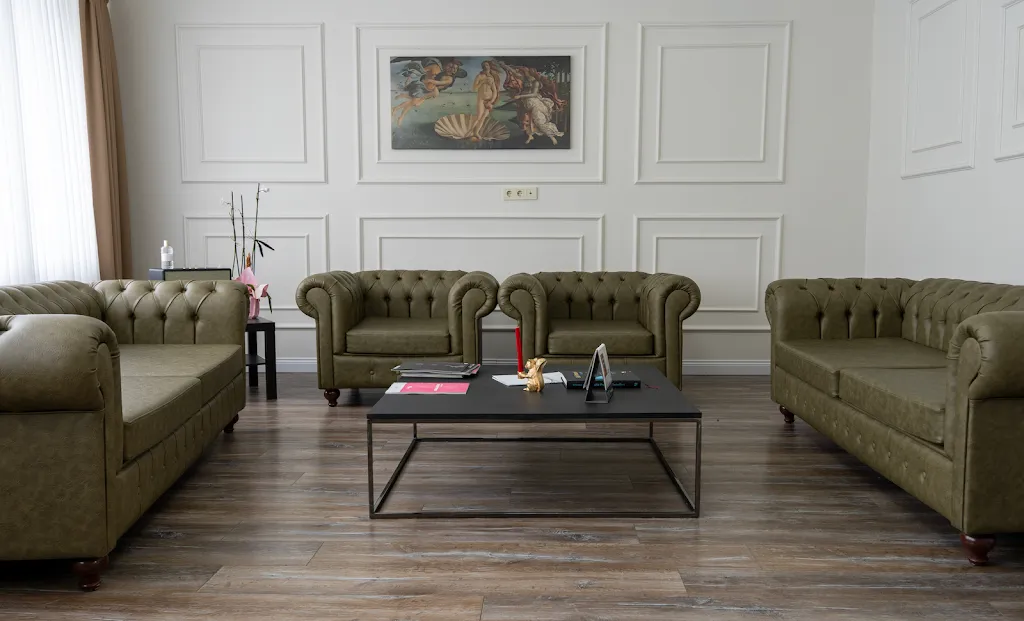
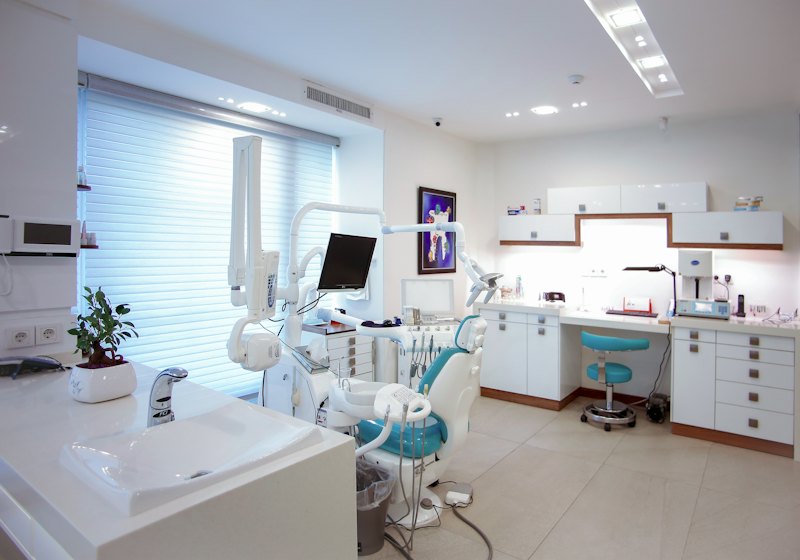
Your treatment takes place at our own clinic in Istanbul — with the same dentists who write your plan.
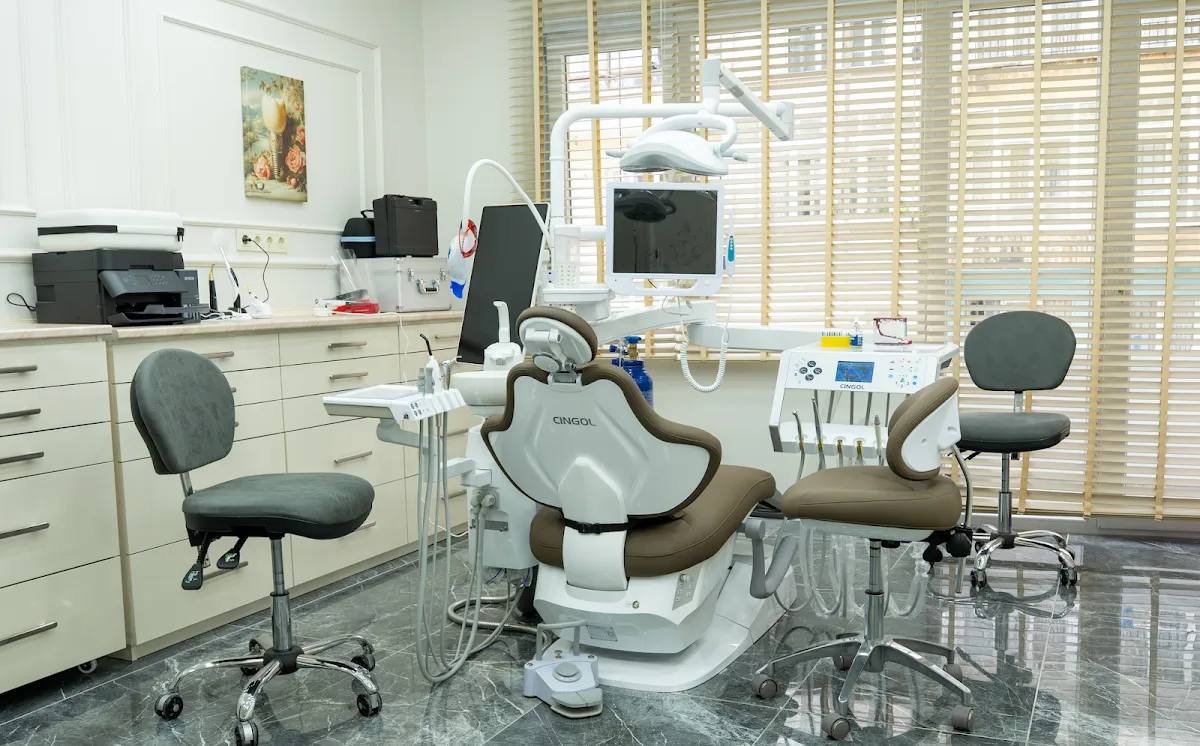
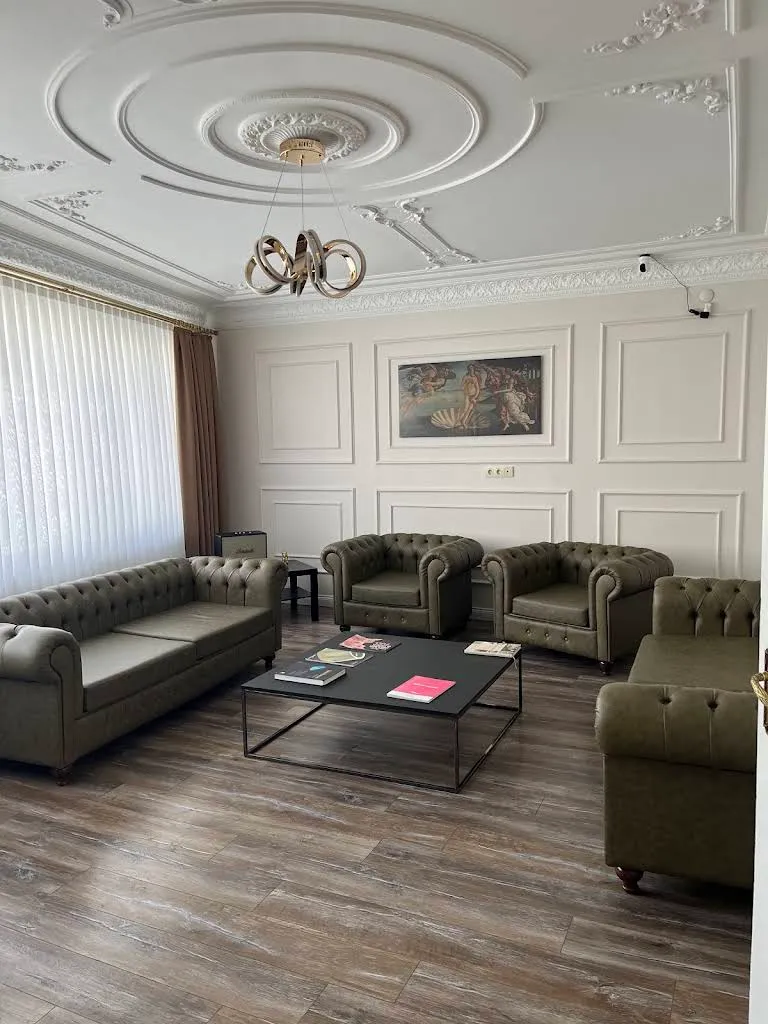
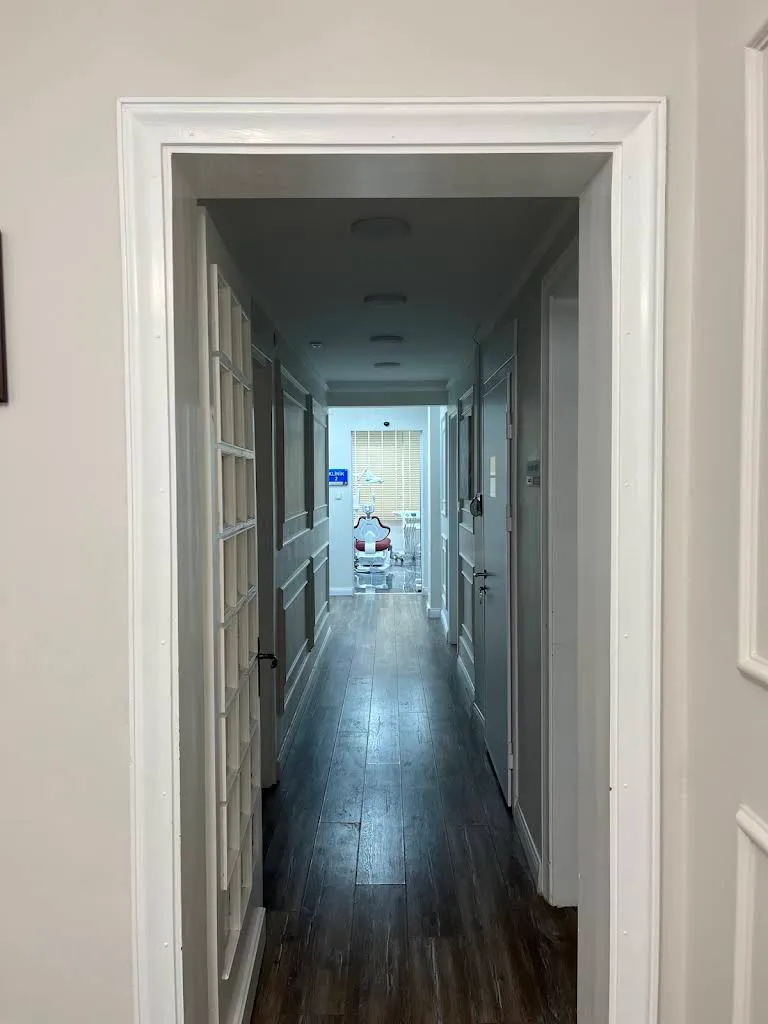
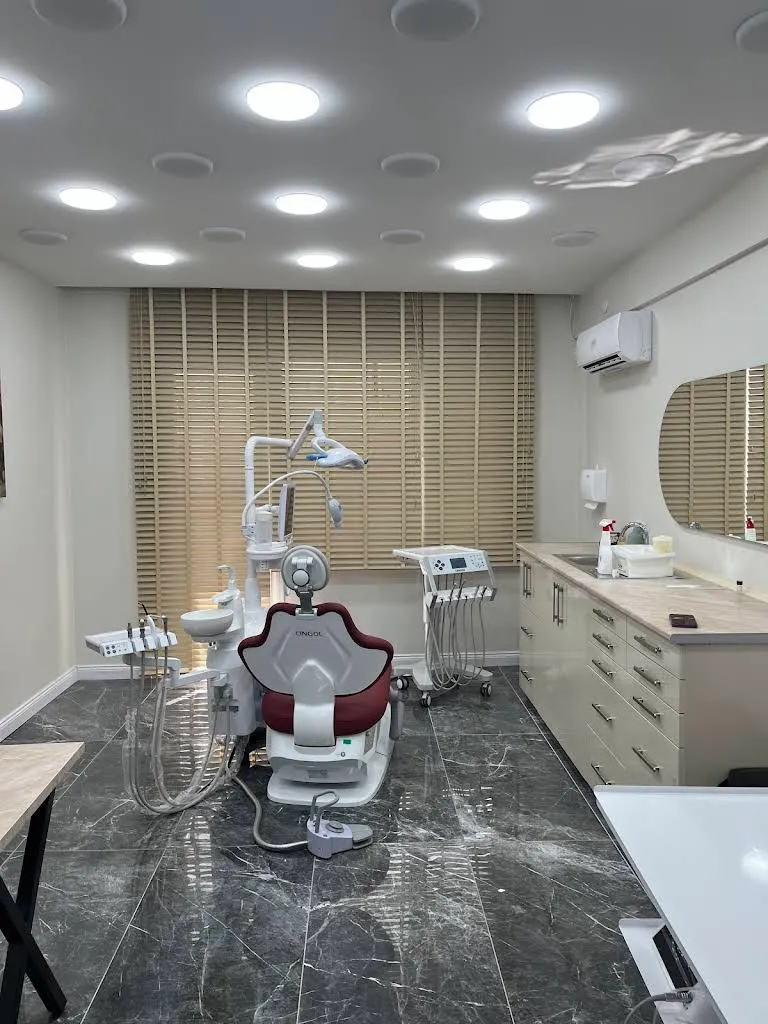
Digital diagnostics3D CT scan and intraoral scanning
Hygiene standardsProtocol-based sterilisation
Named dentistsYou know who treats you
English & GermanCoordinator at every appointment
How the treatment works
Dental Implants procedure step by step
Before you travel, you know what happens on which day.
- 01
Free online assessment
Send photos or a recent X-ray. A dentist reviews your case and you receive a preliminary plan with a clear, written quote.
- 02
3D scan and final plan
On day one in Istanbul you get a CBCT scan and a face-to-face consultation. Your plan is confirmed before any treatment begins.
- 03
Implant placement
Implants are placed under local anaesthesia (sedation on request). You receive temporary teeth where needed and detailed aftercare instructions.
- 04
Healing and final teeth
After roughly 3–6 months of healing at home you return for 5–7 days to receive your final crowns or bridge, fitted and fine-tuned.
Get your personal treatment timelineHow many days, which appointments, when to return — in writing, before you book.
Recovery & aftercare
Dental Implants: recovery & aftercare
- First 24 hours
Cool the cheek, rest with your head raised, avoid hot drinks, alcohol and smoking. Mild bleeding is normal.
- Days 2–7
Soft food and gentle rinsing as instructed. Swelling peaks around day 2–3 and then subsides.
- Weeks 2–12
The implant integrates with the bone. Normal life with temporary teeth; avoid biting hard food on the implant area.
- Long term
Brush twice daily, clean between teeth, and see a dentist once or twice a year for check-ups and professional cleaning.
In-depth guide
Types of dental implants in Turkey: brands, materials and options
Not every implant is the same, and the brand matters more than many patients realise. An implant is a system: the fixture in the bone, the abutment that connects it to the crown, and the tools and spare parts that go with it. Choosing a well-documented system means your dentist at home can source compatible components for many years to come.
At Doctor Turka we offer implant systems from internationally established manufacturers. The three main options you will see in the price table on this page differ mainly in research history, surface technology and worldwide availability of parts, not in whether they "work".
| Swiss Implant | Nobel Biocare | Straumann SL Active | |
|---|---|---|---|
| Positioning | Reliable, value-focused system | Premium system with a long research history | Premium system with a hydrophilic surface |
| Material | Titanium | Titanium | Titanium or titanium-zirconium alloy |
| Typical use | Single teeth and bridges in good bone | Single teeth to full-arch cases | Single teeth to full-arch cases, often chosen for softer bone |
| Parts availability abroad | Good | Very wide | Very wide |
| Relative cost | Lowest | Higher | Highest |
Titanium or zirconia implants?
Almost all implants placed worldwide are titanium, which has decades of clinical data behind it. Ceramic (zirconia) implants exist for patients who want a metal-free solution, but the long-term evidence is still thinner and they are less flexible for complex cases. For most people, titanium remains the standard recommendation.
What goes on top
The implant is only the foundation. On top, you can have a single crown (usually zirconia or porcelain fused to metal), an implant-supported bridge, a fixed full-arch bridge on four to six implants such as All-on-4, or a removable overdenture that clips onto implants. If a single gap is your concern, our page on the single tooth implant goes into more detail.
How many days in Turkey do dental implants take?
Conventional implant treatment needs two trips, because the bone needs time to grow onto the implant surface before it can carry a permanent tooth. The first stay is usually 4–7 days, the second about 5–7 days, with three to six months at home in between.
| Day | First trip: implant placement | Second trip: final teeth |
|---|---|---|
| Day 1 | Arrival, VIP transfer to your hotel, rest | Arrival and transfer |
| Day 2 | 3D CBCT scan, consultation, final plan confirmed | Check of healing, X-ray, digital or conventional impressions |
| Day 3 | Implant placement, extractions or grafting if planned | Free day while the lab prepares your crowns or bridge |
| Day 4 | Check-up, temporary teeth adjusted | Try-in of the new teeth, shade and bite checked |
| Day 5 | Rest or light sightseeing | Final teeth fitted |
| Day 6–7 | Final check, aftercare instructions, flight home | Bite fine-tuned, implant passport, flight home |
Some cases are faster. Where bone quality allows, full-arch solutions such as All-on-4 can receive fixed temporary teeth within a few days. If a bone graft or sinus lift is needed first, the healing phase may be longer. Your written plan states the expected number of trips and days before you book anything.
Who is a good candidate for dental implants?
Most adults who have lost teeth can have implants. What matters is general health, the amount and quality of bone, healthy gums and the willingness to look after the implants for life.
Usually suitable
- Adults with one or more missing teeth and otherwise good general health
- People with a loose denture who want something fixed
- Patients whose remaining teeth are failing and who need a full-arch plan
- Older patients: there is no upper age limit, only a health assessment
Needs extra care or preparation
- Smokers: smoking reduces blood flow and is linked to higher failure rates; stopping before and after surgery clearly helps
- Diabetes: well-controlled diabetes is generally compatible with implants, poorly controlled diabetes is not
- Gum disease: active periodontitis has to be treated first, because it also threatens implants
- Bone loss: may require a graft, a sinus lift or angled implants; see bone grafting and sinus lift
- Bruxism (teeth grinding): increases the load on implants and crowns; a night guard is usually recommended
When implants may not be advisable
Implants are usually postponed or avoided during pregnancy, in teenagers whose jaws are still growing, during radiotherapy to the head and neck, and in patients taking high-dose intravenous bisphosphonates. Certain blood-thinning medicines, immune conditions and recent heart events also need to be discussed with your doctor. Please share your full medical history during the online assessment, so our dentists can give you a realistic answer.
How long do dental implants last?
The implant itself is designed to stay in the bone permanently. Long-term studies commonly report survival rates of around 95% after ten years, and many implants last considerably longer. The crown or bridge on top is subject to wear and may need to be renewed after roughly 10–15 years, depending on material and habits.
How to make your implants last
- Brush twice a day and clean around each implant with interdental brushes or a water flosser
- Have a check-up and professional cleaning every six to twelve months
- Stop smoking, or at least cut down significantly
- Wear a night guard if you grind or clench your teeth
- Do not use your teeth to open packaging or bite very hard objects
- Keep conditions such as diabetes well controlled
The most common long-term problem is peri-implantitis, an inflammation of the gum and bone around the implant. It is largely preventable with good hygiene and regular professional cleaning.
Are dental implants in Turkey safe?
Implant surgery is a well-established procedure, and when it is properly planned it is as safe in Istanbul as it is in London or Munich. Safety does not depend on the country but on diagnostics, hygiene, materials and the judgement of the dentist.
Possible risks and complications
- Swelling, bruising and discomfort for a few days, which is normal
- Infection at the implant site
- An implant that does not integrate with the bone (early failure)
- Temporary or, rarely, lasting numbness if a nerve in the lower jaw is irritated
- Sinus problems in the upper jaw if the sinus floor is involved
- Loosening of a screw or chipping of a crown later on
How these risks are reduced
Every case at our clinic starts with a 3D CBCT scan, which shows the nerve canal, sinus and bone volume. Implants are planned digitally to keep a safe distance from these structures. We work with sterile surgical protocols, use established implant systems and assess risk factors such as smoking or gum disease before treatment rather than after. If an implant does not integrate, which the literature suggests happens in a small percentage of cases, it can usually be removed, the site allowed to heal and a new implant placed.
Do dental implants hurt? Anaesthesia and sedation
Implant placement is carried out under local anaesthesia, the same type of numbing used for a filling. You will feel pressure and vibration, but the area itself is numb. A single implant often takes less than an hour.
For anxious patients or longer procedures, conscious sedation can be arranged, so you feel relaxed and drowsy and may remember little of the appointment. The need for sedation is discussed during planning.
After the anaesthetic wears off, most patients describe soreness rather than pain, which usually peaks on day two or three and is managed with standard painkillers. Many patients say the experience was easier than a tooth extraction.
Pros and cons of dental implants
Advantages
- Fixed teeth that look, feel and function much like natural teeth
- Help preserve the jawbone and facial contours
- Neighbouring healthy teeth are not ground down
- Very good long-term survival rates in the literature
- Can stabilise a denture that previously moved
Disadvantages
- Requires surgery and a healing phase of several months
- Usually two trips if you travel for treatment
- Higher upfront cost than a denture or a simple bridge
- Not everyone is suitable without grafting or other preparation
- Needs lifelong daily care and regular professional check-ups
Dental implants vs bridges vs dentures
Implants are not the only way to replace missing teeth. This comparison shows where each option has its place. For a deeper look, see our article on implants versus bridges.
| Dental implants | Tooth-supported bridge | Removable denture | |
|---|---|---|---|
| How it is held | Anchored in the jawbone | Cemented on the neighbouring teeth | Rests on the gum, sometimes with clasps |
| Surgery required | Yes, minor | No | No |
| Typical lifespan | Implant often decades; crown about 10–15 years | About 10–15 years | About 5–8 years before relining or remaking |
| Effect on jawbone | Helps maintain bone | Bone under the gap still recedes | Bone continues to recede |
| Time in Turkey | Usually 2 trips | Usually 1 trip of about a week | Usually 1 trip |
| Upfront cost | Highest | Medium | Lowest |
Why are dental implants cheaper in Turkey?
The lower price in Turkey is not the result of cheaper implants. The same branded implant systems are used worldwide. The difference comes from the cost of running a clinic: rent, staff wages, dental laboratory fees and general living costs in Istanbul are considerably lower than in London, Dublin, Munich or Zurich. Clinics that treat many international patients can also plan their schedules and laboratory work efficiently.
What affects the price of your treatment
- The number of implants and the type of restoration on top
- The implant brand you choose
- Whether bone grafting, a sinus lift or extractions are needed
- The crown material, for example zirconia or porcelain fused to metal
- Whether you choose sedation
- The package you book, including hotel and transfers
Please see the price table on this page for current prices per implant and brand. Your personal quote is written and itemised, and it is confirmed after the 3D scan in Istanbul. Nothing is added without your agreement.
Guarantee and aftercare after you fly home
Implants come with a long-term written guarantee, and the restorations on top carry their own written guarantee terms. You receive these in writing, together with an implant passport listing the brand, type and position of each implant, so any dentist can identify your components later.
Aftercare does not stop at the airport. Your coordinator stays in contact between the two trips and after your final teeth are fitted. You can send photos or questions at any time, and a dentist will review them. If a problem arises, we will first assess it remotely and advise whether it can be handled by a local dentist or whether a visit to Istanbul makes sense. The guarantee terms explain exactly what is covered and which conditions, such as regular check-ups, apply.
How to choose a clinic for dental implants in Turkey
A lower price is only good value if the treatment is well planned and properly documented. Before you commit to any clinic, it is worth checking the following points. Our guide on how to choose a dental clinic in Turkey covers them in more depth.
- Does a dentist review your case before you travel, and do you receive a written, itemised plan?
- Is a 3D CBCT scan part of every implant treatment?
- Are the implant brands named in writing, and will you receive an implant passport?
- Do you know which dentist will place your implants?
- Are the guarantee terms written down and clear about what is covered?
- Is someone available to answer questions in your language after you return home?
- Does the clinic explain honestly when implants are not the right choice?
At Doctor Turka, Dr. Taha G and Dr. Hatice G plan and carry out implant treatment themselves, every case starts with a CBCT scan and digital planning, and you have a written plan, quote and guarantee terms before you travel. If you are unsure whether implants are right for you, the free online assessment is the simplest place to start.
Cost
Dental Implants cost in Turkey
Transparent starting prices per unit — your personal, fixed price arrives in writing and free of charge within 24 hours, once a dentist has seen your case.
Dental Implants in Istanbul
from€235per implant
- Swiss Implant€240
- Nobel Biocare€820
- Straumann SL Active€925
Indicative starting prices per unit. Your personal, fixed price is confirmed in writing after a dentist has reviewed your photos or X-ray.
Dental Implants: Turkey vs UK, Ireland, Germany & USA
| Treatment |  Turkey Turkey |  UK UK |  Ireland Ireland |  Germany Germany |  USA USA | You save |
|---|---|---|---|---|---|---|
| Swiss Implant | €240 | €750 | €790 | €720 | €1,055 | up to 77% |
| Nobel Biocare | €820 | €2,595 | €2,770 | €2,510 | €3,650 | up to 78% |
| Straumann SL Active | €925 | €2,950 | €3,125 | €2,860 | €4,135 | up to 78% |
Comparison: typical private-practice prices, rounded. Turkey: our starting price for the treatment.
Your price depends on
- Number of implants and the type of restoration on top (crown, bridge or full arch)
- Implant brand, for example Swiss Implant, Nobel Biocare or Straumann
- Crown material, such as zirconia or porcelain fused to metal
- Whether a bone graft or sinus lift is required
- Extractions or treatment of remaining teeth before implant placement
- Sedation, if you prefer not to have treatment under local anaesthesia alone
- Length of stay and package options such as hotel and VIP transfers
Included in your package
Everything arranged, one point of contact
Your treatmentBy named, licensed dentists, as agreed in your plan
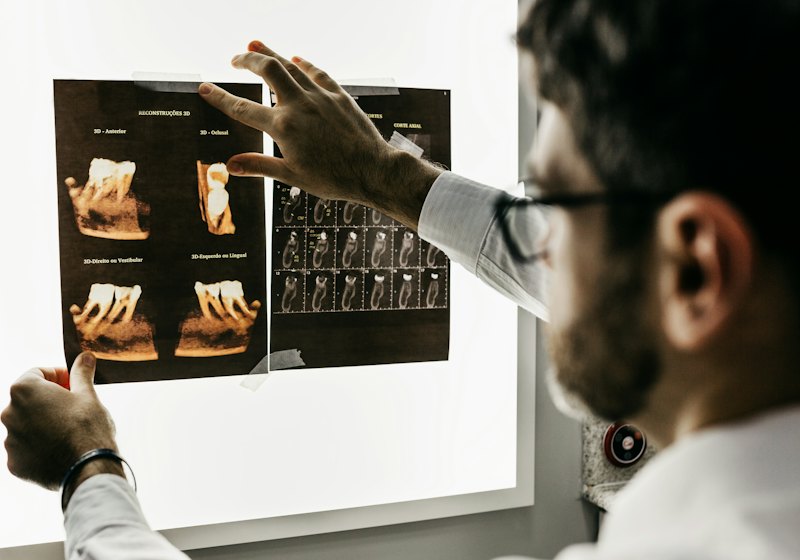
X-rays & 3D scansPanoramic X-ray and CBCT where needed
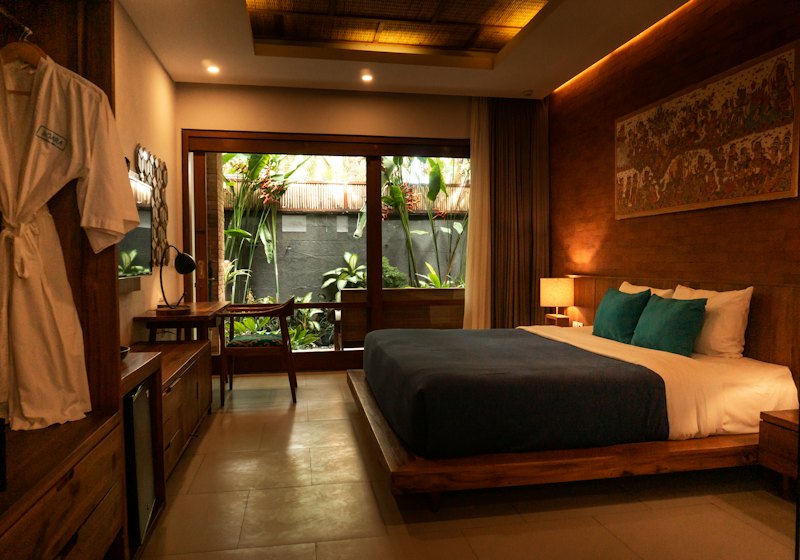
HotelComfortable, hand-picked hotel close to the clinic

VIP transfersAirport · hotel · clinic, for every appointment

Personal coordinatorEnglish and German, 7 days a week
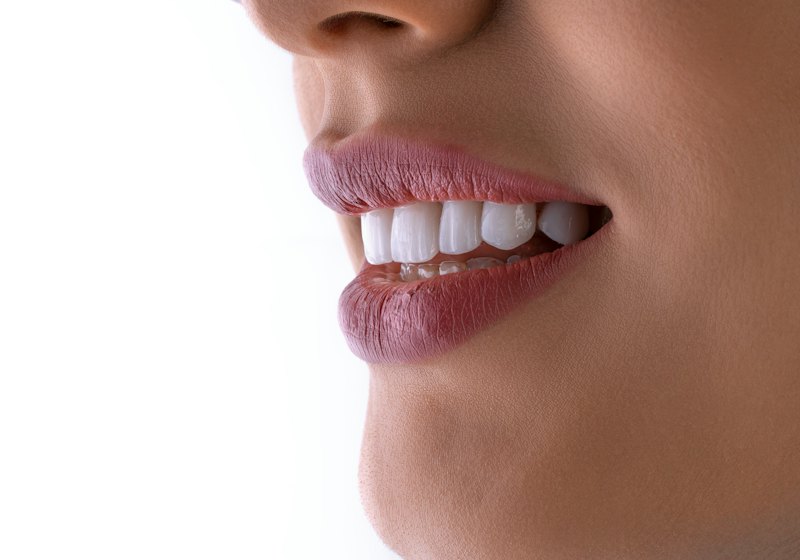
Guarantee & aftercareWritten terms and support after you return home
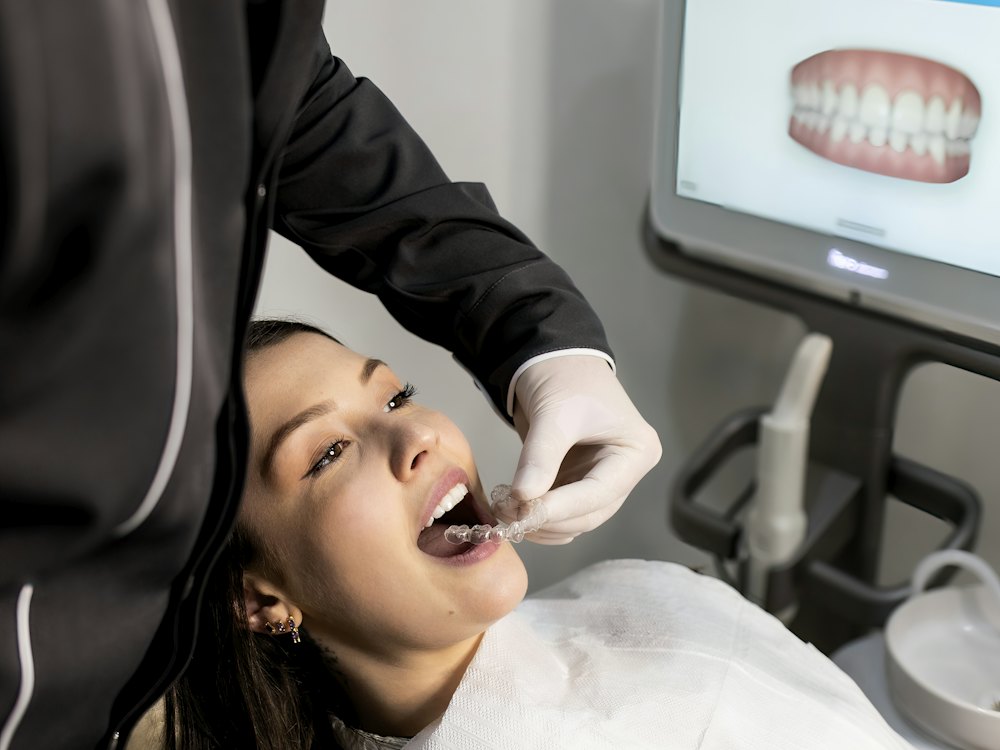
Free online assessment
Have an X-ray? We will review it for free.
- Send photos or an X-ray
- A dentist reviews your case
- Plan & quote within 24 hours
How much do dental implants cost in Turkey?
The price depends mainly on the implant brand, the number of implants, the crown material and whether bone grafting is needed. You can see current prices per implant and brand in the price table on this page. In general, patients save often 50–70% compared with private clinics in the UK or Germany, using the same internationally established implant systems. Your personal quote is written and itemised before you travel.
How many days do I need to stay in Turkey for dental implants?
Most patients make two trips. The first, for the scan and implant placement, usually lasts 4–7 days. After three to six months of healing at home, the second trip for the final crowns or bridge takes about 5–7 days. Your written treatment plan states the expected number of days before you book flights, so you can plan work and travel with confidence.
Are dental implants in Turkey safe?
Yes, when treatment is properly planned. Safety depends on diagnostics, hygiene, materials and the dentist, not on the country. At Doctor Turka every implant case starts with a 3D CBCT scan and digital planning, we use implant systems from established manufacturers and follow sterile surgical protocols. Risk factors such as smoking or gum disease are assessed before treatment, and you receive written guarantee terms.
Does getting a dental implant hurt?
Implants are placed under local anaesthesia, so you feel pressure and vibration but the area is numb. Sedation can be arranged if you are anxious or need a longer procedure. Afterwards, most patients describe soreness and some swelling for two to four days, which is usually well controlled with standard painkillers. Many find it easier than they expected, often comparable to a tooth extraction.
How long do dental implants last?
The implant is designed to stay in the jawbone permanently. Studies commonly report survival rates of around 95% after ten years, and many implants last far longer. The crown or bridge on top wears over time and may need replacing after roughly 10–15 years. Good daily cleaning, regular check-ups, not smoking and a night guard if you grind your teeth all help implants last.
Which implant brands do you use?
We offer implant systems from internationally established manufacturers, including Swiss Implant, Nobel Biocare and Straumann SL Active, which you will find in the price table on this page. The brand is confirmed in writing in your treatment plan, and you receive an implant passport listing the brand, type and position of every implant, so any dentist can source compatible parts later.
Why do I need two trips for dental implants?
After placement, the implant needs around three to six months to fuse with the jawbone, a process called osseointegration. Only then can it safely carry a permanent crown or bridge. During that time you live normally at home, with temporary teeth where needed. In selected full-arch cases with good bone, fixed temporary teeth can be fitted within a few days of surgery.
Can I fly home after dental implant surgery?
In most cases you can fly 24–48 hours after implant placement. We plan your stay so that you have a check-up before you leave. If you have had a sinus lift, your dentist may advise waiting a little longer, because pressure changes can affect the healing sinus. Your coordinator takes this into account when your travel dates are planned.
What can I eat after getting dental implants?
For the first few days, stick to soft, lukewarm foods such as soups, yoghurt, scrambled eggs, pasta and mashed vegetables, and avoid chewing on the implant area. Hot drinks, alcohol and very spicy food should be avoided at first. During the healing months, avoid biting hard or sticky foods on temporary teeth. Once the final teeth are fitted, you can eat almost everything normally.
Am I too old for dental implants?
There is no upper age limit for dental implants. What matters is your general health, the quality of your bone and your ability to keep the implants clean. Many patients in their seventies and eighties have implants placed successfully. Implants are not recommended for teenagers whose jaws are still growing, so treatment usually starts once jaw growth is complete in early adulthood.
Can I get dental implants if I have bone loss?
Often yes. Depending on the amount of bone, options include a bone graft, a sinus lift in the upper jaw, shorter or angled implants as used in All-on-4, or zygomatic implants anchored in the cheekbone. The 3D CBCT scan shows exactly how much bone is available, so our dentists can tell you honestly which solution is realistic and include it in your written quote.
Can I get implants if I smoke or have diabetes?
Smoking and poorly controlled diabetes both increase the risk of implant failure, but neither automatically rules you out. We strongly recommend stopping smoking for at least two weeks before and eight weeks after surgery. Well-controlled diabetes is usually compatible with implants. Please share your medical history during the online assessment so our dentists can give you an honest, individual assessment.
What happens if an implant fails after I return home?
Implant failure is uncommon, but it can happen. Contact your coordinator and send photos or an X-ray from your local dentist. Our dentists will review it and advise on the next step. A failed implant is usually removed, the area is allowed to heal and a new implant is placed. How this is handled and what is covered is set out in your written guarantee terms.
Is there a guarantee on dental implants in Turkey?
Yes. Implants come with a long-term written guarantee, and the crowns or bridges on top have their own written guarantee terms. These are given to you in writing, together with your implant passport. The terms explain what is covered and the conditions that apply, such as regular check-ups and good oral hygiene. We recommend reading them carefully before treatment and asking any questions you have.
Can my dentist at home look after my implants?
Yes. Because we use internationally established implant systems, your local dentist can carry out check-ups, professional cleaning and routine maintenance. Your implant passport lists the brand, type and position of every implant, so they can source compatible components if needed. Our coordinator also remains available after you return home if you or your dentist have questions about your treatment.
Related guides
Decide well informed
Dental travel
Planning Dental Treatment in Turkey: A Step-by-Step Guide
From the first photo to the flight home — how to plan your dental trip to Istanbul calmly and without surprises.
Dental implants
What Is All-on-4? How It Works, Who It Suits and What to Expect
Four implants, one fixed bridge, often fixed teeth within days. A clear guide to the All-on-4 concept, its advantages and its limits.
Dental implants
Dental Implant or Bridge? An Honest Comparison
Both replace missing teeth with fixed teeth. They differ in time, effect on neighbouring teeth and long-term bone health.
Get your free quote
Your free treatment plan is one message away
Send a few photos of your smile. A dentist reviews your case and you receive a clear, written plan — free and without obligation.
- Reply within 24 hours, 7 days a week
- Plan and quote in writing
- No obligation, no pressure
Your free treatment plan
Send us a few details — a dentist reviews your case and our coordinator replies within 24 hours.
Prefer to chat? WhatsApp us