All-on-4Get a smile like this
Dental Implants
A full set of fixed teeth on just four implants
All-on-4 replaces a complete upper or lower arch with a fixed bridge anchored on four strategically angled implants — often with fixed temporary teeth within days and without extensive bone grafting.
from €3,310 per arch- Fixed temporary teeth usually within 1–3 days
- Angled rear implants often avoid bone grafting
- No palate plate — taste and speech stay natural
Time in Istanbul2 trips · 5–7 days each
Visits4–5 appointments per trip
Back to normal3–5 days; soft food for a few weeks
Your free treatment plan
Send us a few details — a dentist reviews your case and our coordinator replies within 24 hours.
Prefer to chat? WhatsApp us
Overview
All-on-4 in Turkey: what you need to know
All-on-4 is a full-arch implant solution for people who have lost all the teeth in one jaw, or whose remaining teeth are failing through decay, gum disease or repeated breakage. Instead of replacing every tooth with its own implant, a complete fixed bridge of usually 10–12 teeth is screwed onto four implants. The two rear implants are tilted so they can use the stronger bone at the front of the jaw, which is why many patients who were told they "don't have enough bone" can still be treated without major grafting.
All-on-4 is typically considered by:
- people who wear a full denture and want teeth that no longer move or need adhesive
- people with several loose or failing teeth who are facing the loss of the rest
- people who want a fixed, long-term result rather than a removable prosthesis
Many patients from the UK, Ireland, Germany, Austria and Switzerland choose All-on-4 in Turkey because the same treatment concept, planned with 3D CBCT imaging and carried out with established implant systems, is often 50–70% less than at private clinics at home. At Doctor Turka, your case is planned and treated by Dr. Taha G and Dr. Hatice G at our clinic in Istanbul. Before you book a flight, you receive a free online assessment based on your photos or X-ray, followed by a written, itemised treatment plan and quote.
The treatment usually takes two trips. On the first, lasting around a week, you have your scan, the implant surgery and a fixed temporary bridge. After three to six months of healing at home, you return for your final bridge. Hotel and VIP transfers can be arranged as part of a package, and an English- and German-speaking coordinator stays in touch with you before, during and after your stay, including aftercare support once you are back home.
Treatment options
Types of All-on-4
Which option suits you is decided together with your dentist — based on your examination, not a catalogue.
A
Upper jaw All-on-4
Two angled posterior implants avoid the sinus; often combined with a fixed temporary bridge within days.
B
Lower jaw All-on-4
Implants are placed between the nerve exits; the dense bone usually allows immediate loading.
C
Full mouth (both jaws)
Eight implants and two bridges — planned together for a harmonious bite and smile.
Which All-on-4 option is right for you?Send 2–3 photos — a dentist recommends the right option, free of charge.
Before & After
View all All-on-4 before and after
Every smile is different. Ask us for cases similar to yours.
Benefits
Benefits of All-on-4
Fixed teeth within days
In most cases a fixed temporary bridge is attached one to three days after surgery.
Often no bone graft
Tilted implants use the available bone and frequently avoid grafting or a sinus lift.
No palate plate
You taste your food again and speak more naturally than with a full denture.
Fewer implants, fewer steps
A full arch on four implants means less surgery and a shorter overall timeline.
Good to know: limits & risks
- All-on-4 is a surgical procedure with swelling and a recovery period of several days.
- Remaining teeth in the treated jaw are usually extracted, which cannot be reversed.
- If one implant fails, the bridge may need adjusting until a new implant has healed.
- Daily cleaning under the bridge with a water flosser and special brushes is essential.
- Smoking, uncontrolled diabetes and some bone medications increase the risk of complications.
- Strong bites or grinding may call for All-on-6, a reinforced bridge or a night guard.
- Two trips to Istanbul are normally needed, with a soft diet for several weeks in between.
- The bridge wears over time and may need repair or renewal after many years.
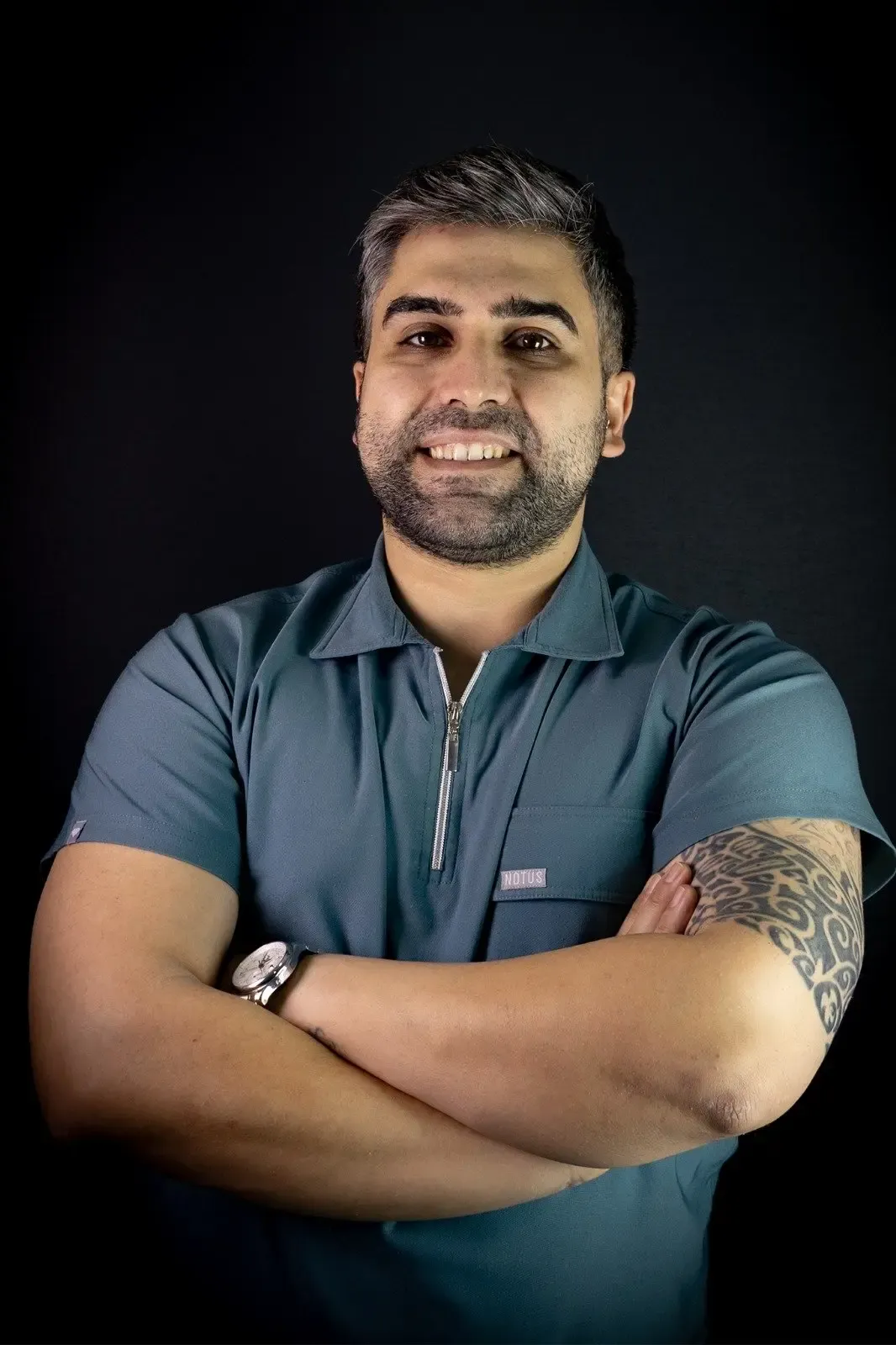 Usually replies within hours
 Ask a dentist
Questions about All-on-4? Ask the dentist directly.
Dr. Taha G and the team answer your questions personally — whether All-on-4 suits you, how long it takes and what the alternatives are.
- Answered by a dentist, not a sales team
- Photos or an X-ray are enough
- Free and without obligation
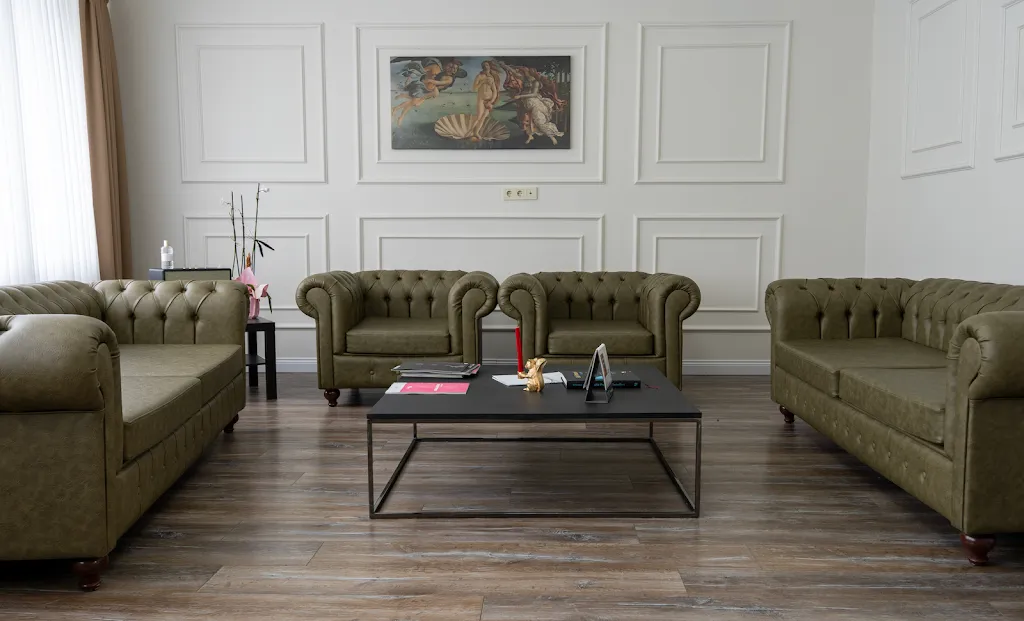
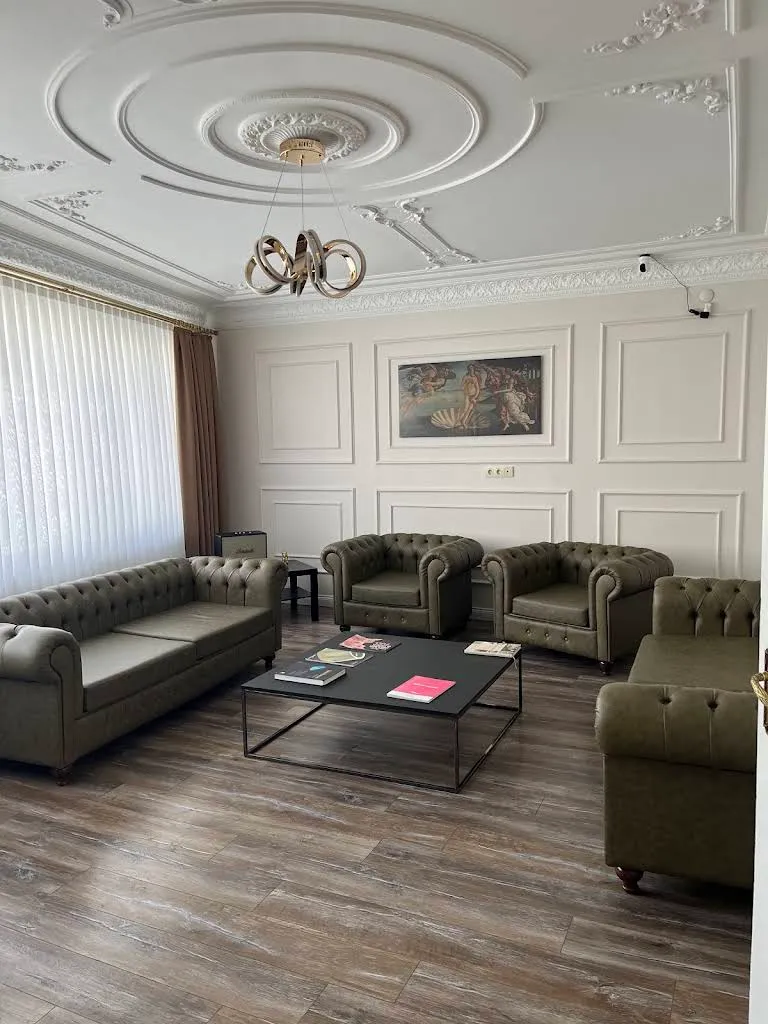
The clinic
Learn more See where your new smile begins
Your treatment takes place at our own clinic in Istanbul — with the same dentists who write your plan.
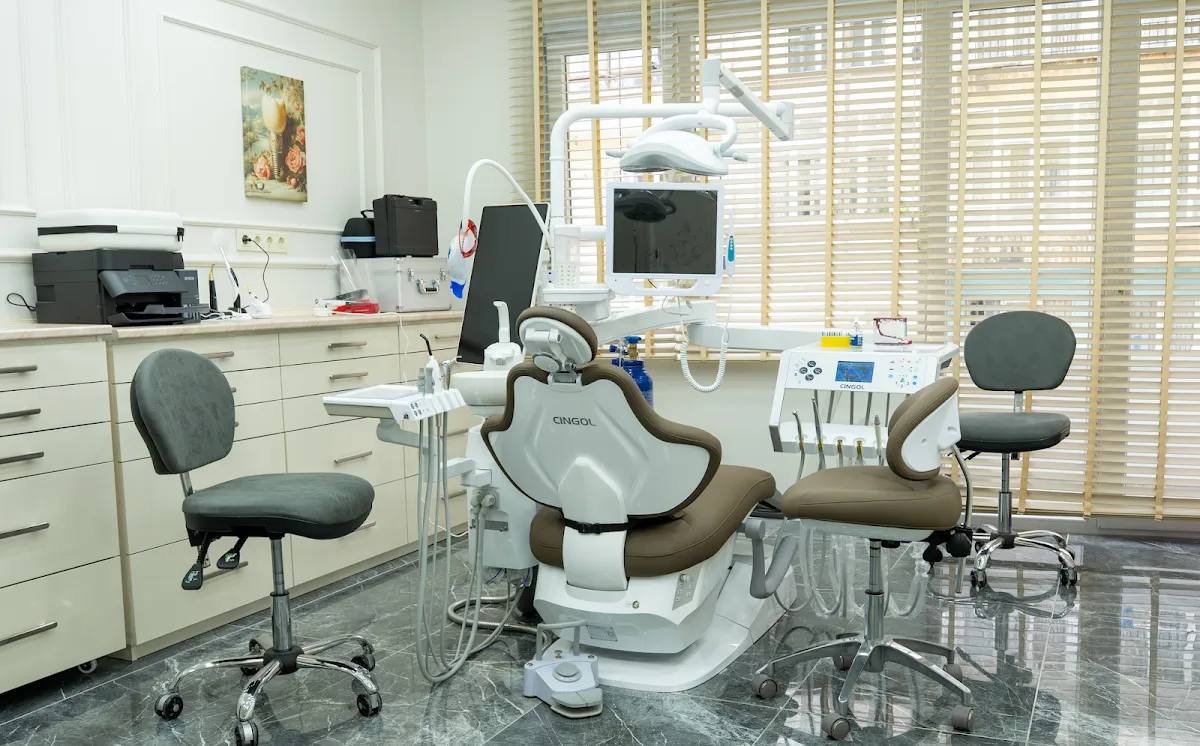
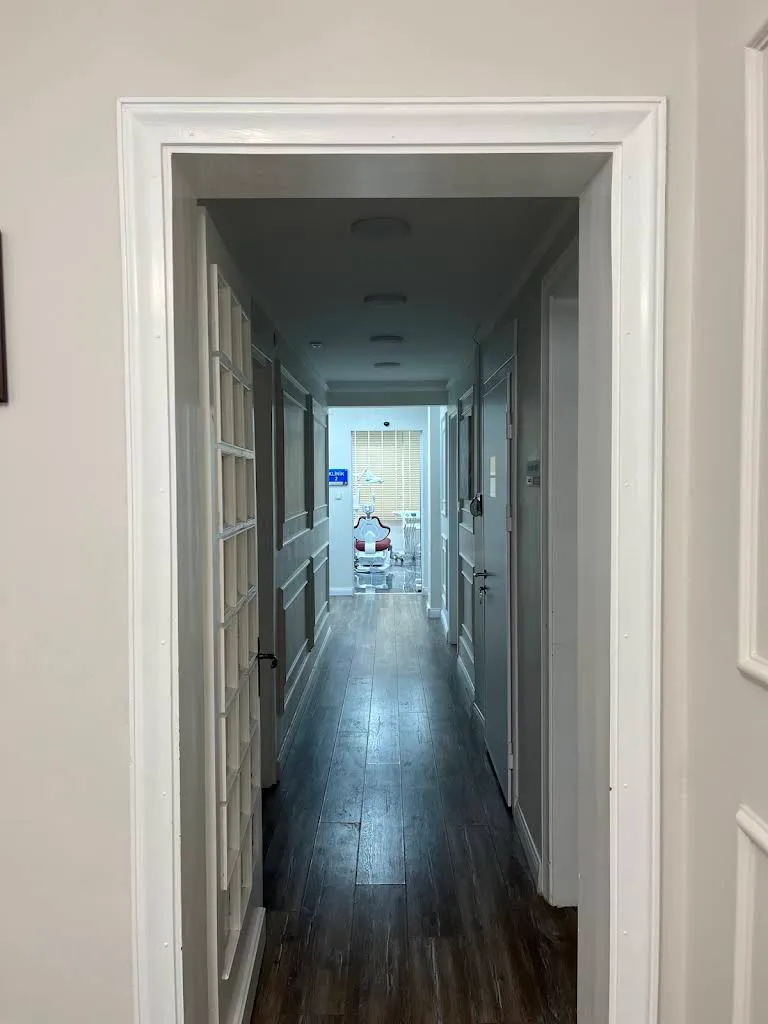
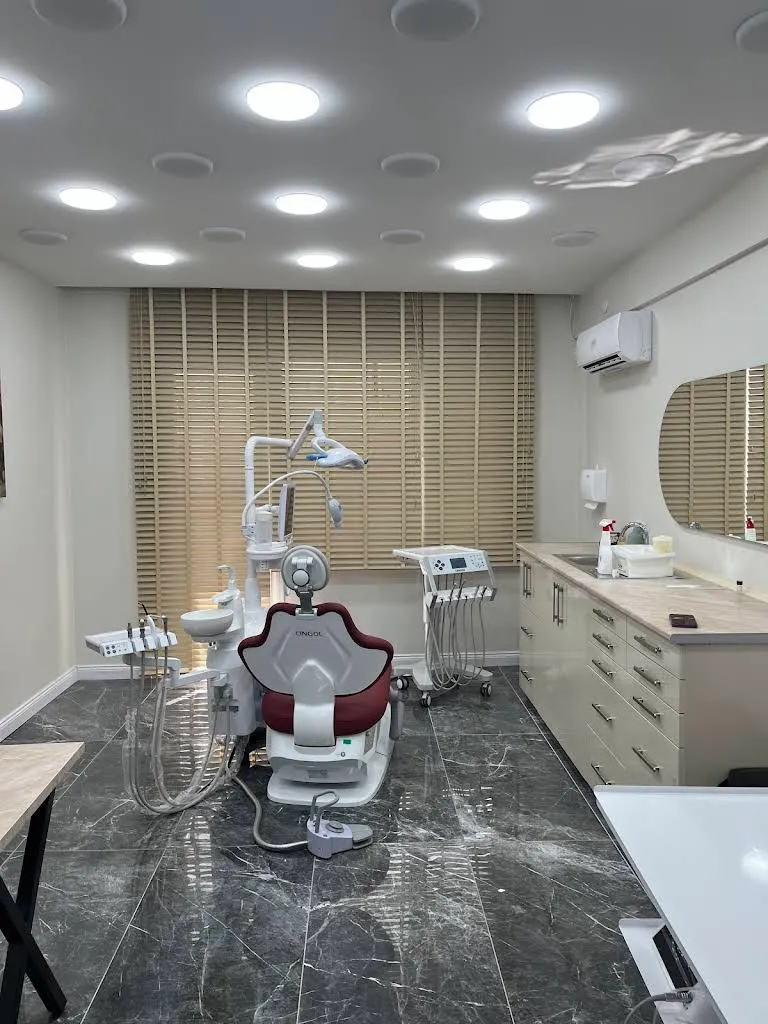
Digital diagnostics3D CT scan and intraoral scanning
Hygiene standardsProtocol-based sterilisation
Named dentistsYou know who treats you
English & GermanCoordinator at every appointment
How the treatment works
All-on-4 procedure step by step
Before you travel, you know what happens on which day.
- 01
Day 1 · Scan and consultation
CBCT scan, photos and a detailed conversation about the shape and shade of your new teeth.
- 02
Day 2 · Surgery
Remaining teeth are removed if needed and four implants placed, usually under local anaesthesia with optional sedation.
- 03
Day 3–5 · Fixed temporary bridge
A lightweight fixed bridge is screwed onto the implants. You leave with teeth you can smile with.
- 04
After 3–6 months · Final bridge
Once healing is complete you return for your final bridge in zirconia or a metal-reinforced framework.
Get your personal treatment timelineHow many days, which appointments, when to return — in writing, before you book.
Recovery & aftercare
All-on-4: recovery & aftercare
- Days 1–3
Swelling and some bruising are normal. Liquid and very soft food, cold compresses, prescribed medication.
- Weeks 1–8
Soft diet (pasta, fish, eggs, cooked vegetables). No biting into hard or chewy food with the front teeth.
- Months 3–6
Implants integrate. Your final bridge is designed and fitted on the second trip.
- Every 6–12 months
Professional cleaning; the bridge is unscrewed, cleaned and checked by a dentist.
In-depth guide
How All-on-4 in Turkey works
All-on-4 is not a single product but a surgical and prosthetic concept. The principle is simple: four carefully positioned implants are enough to carry a complete fixed bridge in one jaw.
Why the rear implants are tilted
In the back of the upper jaw, the maxillary sinus often leaves little bone height. In the lower jaw, the nerve that supplies feeling to the lip and chin runs through the bone. By angling the two rear implants forwards, your dentist can place longer implants in denser bone while staying clear of both structures.
The tilt also moves the implant heads further back. This means the bridge can carry more teeth with only a short unsupported extension at the back, which reduces leverage on the implants.
Immediate loading and primary stability
A fixed temporary bridge can be attached within days because the implants are anchored firmly at the moment they are placed. Dentists measure this "primary stability" during surgery, usually as the torque needed to seat each implant.
If the values are high enough, the bridge splints the four implants together, spreading the load while bone grows onto their surface. If the values are too low, the safer choice is to wait. A responsible clinic tells you this openly rather than forcing immediate loading.
Digital planning with 3D CBCT
Before any surgery, a CBCT scan shows the height, width and density of your bone in three dimensions, together with the exact position of the sinus and nerves. At Doctor Turka, Dr. Taha G and Dr. Hatice G use this data to plan implant positions, lengths and angles, and to design the shape and proportions of your new teeth before the operation begins.
All-on-4 implant brands and bridge materials compared
Two decisions shape both the result and the price: the implant system that anchors the bridge, and the material of the final bridge.
Implant systems
Established implant brands differ mainly in their research history, surface technology, worldwide availability of components and price. Premium systems such as Straumann and Nobel Biocare have the longest published track records in full-arch treatment. Well-documented systems such as Osstem, Megagen or Neodent are also widely used for All-on-4.
What matters most is that the system is a recognised brand with traceable documentation, that compatible parts are available in your home country, and that the exact brand is named in your written plan. You receive an implant passport listing the system and batch numbers.
Bridge materials
The temporary bridge fitted on your first trip is usually made of lightweight acrylic (PMMA). It is designed to protect the healing implants, not to last for years. The final bridge is made once healing is complete, and the main options are compared below.
| Final bridge | Structure | Strengths | Limitations |
|---|---|---|---|
| Acrylic on titanium framework | Acrylic teeth and gum on a milled metal bar | Light, cushions the bite, easy to repair | Teeth wear and stain faster; renewal after some years is common |
| Composite on titanium framework | High-performance composite on a metal bar | Natural look, repairable, lighter than zirconia | More wear than ceramic over time |
| Zirconia on titanium framework | Zirconia teeth on a metal substructure | Very aesthetic, stain-resistant, strong | Higher cost; repairs are more complex |
| Monolithic full zirconia | One milled zirconia block | Highly wear- and stain-resistant, very durable | Rigid and heavier; difficult to repair if it chips |
Your dentists recommend a material based on your bite force, what the opposing jaw has (natural teeth, implants or a denture), the space available and your aesthetic goals.
How many days in Turkey for All-on-4? A day-by-day itinerary
All-on-4 in Turkey usually involves two trips of around 5–7 days each. The first covers surgery and the fixed temporary bridge. The second, after 3–6 months of healing, is for the final bridge.
First trip: implants and fixed temporary teeth
| Day | What happens |
|---|---|
| Day 1 | Arrival in Istanbul, transfer to your hotel, time to rest |
| Day 2 | CBCT scan, examination, health check, final plan confirmed with your dentist |
| Day 3 | Surgery: extractions if needed, four implants placed, scan for the temporary bridge |
| Day 4 | Rest day; your coordinator checks in with you |
| Day 5 | Fixed temporary bridge fitted, bite adjusted, hygiene instructions |
| Day 6 | Control appointment for the gums and bite |
| Day 7 | Flight home |
Second trip: the final bridge
| Day | What happens |
|---|---|
| Day 1 | Arrival, check of healing and X-ray |
| Day 2 | Temporary bridge removed, precise digital scan and bite registration |
| Days 3–4 | Try-in of a prototype or framework to check fit, appearance and speech |
| Days 5–6 | Final bridge fitted, bite fine-tuned, cleaning routine reviewed |
| Day 7 | Flight home |
If bone grafting or treatment of an infection is needed first, an extra visit may be required; your written plan states this in advance.
Who is a good candidate for All-on-4 in Turkey?
Usually suitable
- Adults who have lost all or most of the teeth in one jaw
- Denture wearers with moderate bone loss
- Patients with teeth lost to advanced gum disease, once the infected teeth have been removed
- Patients in good general health, or with conditions that are well controlled
Needs extra care or may not be suitable
- Smoking: smokers have a higher rate of implant failure and inflammation around implants. Stopping for several weeks before and after surgery improves healing; many dentists recommend quitting altogether.
- Diabetes: well-controlled diabetes is usually compatible with implants. Poorly controlled blood sugar slows healing and raises the risk of infection.
- Bone medications and radiotherapy: bisphosphonates or denosumab, and past radiation to the jaw, can affect bone healing and need careful assessment together with your doctor.
- Gum disease in the other jaw: if only one jaw is treated, any gum disease in the opposite jaw should be under control.
- Bruxism: grinding or clenching places heavy loads on the bridge. A night guard, a stronger material or additional implants may be advised.
- Very little bone at the front: when even tilted implants cannot find secure anchorage, options include grafting, more implants or zygomatic implants.
- Heart conditions, blood thinners or immune disorders: many can be managed safely, but they need your doctor's input before you travel.
There is no fixed upper age limit. General health and bone quality matter far more than age, and full-arch implants are regularly placed in patients in their seventies and eighties. At the other end, implants are only placed once the jaw has finished growing.
How long does All-on-4 last?
The implants are intended to be permanent, and with good care many last for decades. The bridge is the part that wears. Acrylic and composite teeth commonly need refurbishing or replacing after several years, while full zirconia bridges generally last considerably longer. No material is indestructible, and your habits have as much influence as the material itself.
How to make your All-on-4 last
- Clean under the bridge every day with a water flosser, interdental brushes and special floss
- Attend professional cleaning every 6–12 months, including removal of the bridge when your dentist advises it
- Avoid smoking, or cut down as far as possible
- Wear a night guard if you grind or clench your teeth
- Do not bite on very hard objects such as ice, nutshells or bones
- Report any looseness, clicking, bleeding or change in your bite early
The main long-term threat is peri-implantitis, an inflammation of the gum and bone around the implants. It develops slowly and is usually painless at first, which is why regular check-ups matter more than any single product.
Is All-on-4 in Turkey safe? Risks, complications and success rates
Turkey has a large, well-established dental sector, and many clinics treat international patients every day. Safety depends on the individual clinic and dentist rather than the country: careful diagnosis, sterile surgery, recognised implant systems and honest planning.
What the research says
The All-on-4 concept has been studied for more than two decades. Long-term studies commonly report implant survival of roughly 93–98% over 5–10 years. Survival of the fixed bridge itself is often reported even higher, because a single lost implant can usually be replaced without losing the whole restoration. These are figures from the literature, not a promise for any individual case.
Possible complications
- Swelling, bruising and discomfort in the first days (expected)
- Infection around an implant
- An implant that does not integrate with the bone
- Fracture of the temporary bridge, especially if hard food is eaten too early
- A loosened prosthetic screw
- Temporary numbness if a nerve is irritated (uncommon with 3D planning)
- Changes in speech for the first days or weeks
- Peri-implantitis in the long term
How risks are reduced
- 3D CBCT planning to keep clear of the sinus and nerves
- A full medical history and medication review before surgery
- Sterile surgical protocols and single-use instruments where appropriate
- Measuring primary stability before deciding on immediate loading
- Clear written instructions for diet and hygiene during healing
- Control appointments before you fly home and follow-up during the healing months
If something goes wrong
If an implant does not heal, it is usually removed, the site is allowed to recover and a new implant is placed, often during your second trip. Your coordinator is a single point of contact and replies within 24 hours, 7 days a week.
Does All-on-4 hurt? Anaesthesia and sedation
The surgery is carried out under local anaesthesia, so you should not feel pain during the procedure, only pressure and vibration. Because a full-arch operation can feel daunting, sedation is commonly offered. You keep breathing on your own but feel relaxed and drowsy, and many people remember little of the treatment. General anaesthesia is possible in selected cases in a hospital setting when it is medically appropriate.
Afterwards, most patients describe soreness, swelling and tenderness rather than sharp pain. Discomfort usually peaks on the second or third day and then fades. Prescribed painkillers, cold compresses and rest keep it manageable for most people.
Pros and cons of All-on-4
Advantages
- Fixed teeth that do not move, rub or need adhesive
- A full arch on only four implants, which means less surgery
- Bone grafting and sinus lifts can often be avoided
- Fixed temporary teeth in most cases
- Chewing ability much closer to natural teeth than with a denture
- The implants help preserve the bone where they sit
Disadvantages
- A significant surgical procedure with a healing period
- Any remaining teeth in the arch are usually removed
- Cleaning takes more effort than with natural teeth
- If one implant fails, the whole bridge is affected until it is resolved
- The bridge wears over time and may need renewing
- Two trips abroad are normally needed
- Not every bone situation is suitable
All-on-4 vs the alternatives
| All-on-4 | All-on-6 | Implant-supported overdenture | Zygomatic implants | Individual implants and bridges | |
|---|---|---|---|---|---|
| Implants per jaw | 4 | 6 | 2–4 | Anchored in the cheekbone, often combined with regular implants | Often 6–10 |
| Fixed or removable | Fixed | Fixed | Removable | Fixed | Fixed |
| Bone grafting | Often avoided | Sometimes needed | Rarely needed | Avoided in the upper jaw | Often needed |
| Load distribution | Good | Very good | Shared with the gum | Good | Very good |
| Daily care | Water flosser, special brushes | Water flosser, special brushes | Remove and clean daily | Water flosser, specialist checks | Similar to natural teeth |
| Relative cost | Moderate | Higher | Lower | Highest | Highest |
All-on-6 suits patients with enough bone who want more anchors, particularly in the upper jaw; see our All-on-6 page. An implant-supported denture is a sensible option when budget or health limits surgery and a removable solution is acceptable. Zygomatic implants are reserved for severe bone loss in the upper jaw.
Why All-on-4 in Turkey costs less, and what affects the price
Patients often ask how All-on-4 can cost so much less in Istanbul. The answer lies in operating costs, not cheaper materials. Rents, salaries, dental laboratory fees and insurance are considerably lower in Turkey than in London, Dublin, Munich or Zurich. Recognised implant brands cost clinics roughly the same everywhere; the difference is in everything around them.
As a result, All-on-4 in Turkey is often 50–70% less than at private clinics in the UK or Germany, even once flights and accommodation are added. See the price table on this page for current figures.
What affects your price
- One jaw or both jaws
- The implant system chosen
- The material of the final bridge
- The number of teeth to be extracted
- Whether bone grafting or treatment of infections is needed
- Sedation or general anaesthesia
- Package extras such as additional hotel nights and transfers
All-on-4 guarantee and aftercare after you fly home
Treatment does not end when you land. Your implants come with a long-term written guarantee, and the bridge is covered by written guarantee terms that depend on the material chosen. The exact terms are set out in your treatment plan. Guarantees normally require regular check-ups and good oral hygiene, so keep a record of your dental visits at home.
Aftercare once you are home
- A written guide to diet, cleaning and medication for the healing months
- Photo or video check-ins with our team whenever you have questions
- Replies from your coordinator within 24 hours, 7 days a week
- Your implant passport, so your local dentist or hygienist knows exactly what was placed
- A planned second trip, when the implants are checked in person before the final bridge is fitted
How to choose an All-on-4 clinic in Turkey: a checklist
Before you commit to a clinic, ask:
- Who exactly will plan and place my implants, and can I speak with them before travelling?
- Is a 3D CBCT scan part of the planning?
- Which implant brand is used, and will I receive an implant passport?
- What are the temporary and final bridges made of?
- What happens if primary stability is too low for immediate loading?
- Is the quote written and itemised, including extractions, sedation and the second trip?
- What are the guarantee terms in writing, and what do they require from me?
- How is aftercare handled once I am home?
At Doctor Turka, your case is reviewed by Dr. Taha G and Dr. Hatice G, who also carry out the treatment at our clinic in Istanbul. Planning is based on a 3D CBCT scan, you receive a written, itemised plan before you book, and an English- and German-speaking coordinator stays in touch throughout. For more practical advice, read our guide on how to choose a dental clinic in Turkey.
Cost
All-on-4 cost in Turkey
Transparent starting prices per unit — your personal, fixed price arrives in writing and free of charge within 24 hours, once a dentist has seen your case.
All-on-4 in Istanbul
from€3,310per arch
Indicative starting prices per unit. Your personal, fixed price is confirmed in writing after a dentist has reviewed your photos or X-ray.
All-on-4: Turkey vs UK, Ireland, Germany & USA
| Treatment |  Turkey Turkey |  UK UK |  Ireland Ireland |  Germany Germany |  USA USA | You save |
|---|---|---|---|---|---|---|
| All-on-4 (per arch) | €3,300 | €10,600 | €11,265 | €10,250 | €14,915 | up to 78% |
Comparison: typical private-practice prices, rounded. Turkey: our starting price for the treatment.
Your price depends on
- One jaw or both jaws
- Implant system (premium or established mid-range brand)
- Final bridge material (acrylic, composite, zirconia on titanium or full zirconia)
- Number of extractions
- Additional procedures such as bone grafting or treating infections
- Sedation or general anaesthesia
- Package extras such as additional hotel nights and transfers
Included in your package
Everything arranged, one point of contact
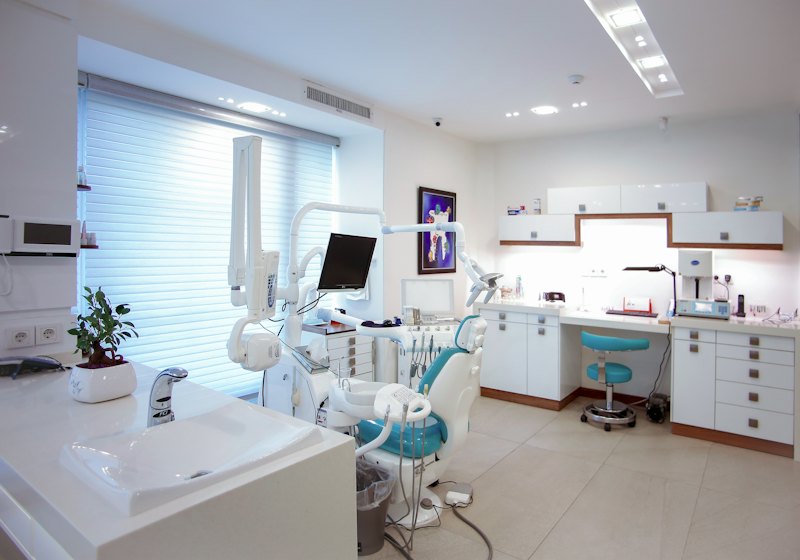
Your treatmentBy named, licensed dentists, as agreed in your plan
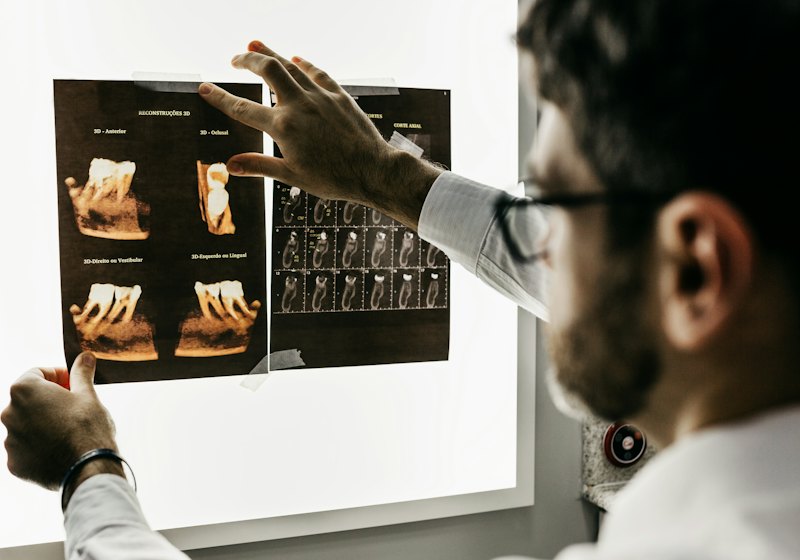
X-rays & 3D scansPanoramic X-ray and CBCT where needed
HotelComfortable, hand-picked hotel close to the clinic

VIP transfersAirport · hotel · clinic, for every appointment

Personal coordinatorEnglish and German, 7 days a week
Guarantee & aftercareWritten terms and support after you return home
Free online assessment
Have an X-ray? We will review it for free.
- Send photos or an X-ray
- A dentist reviews your case
- Plan & quote within 24 hours
How much does All-on-4 cost in Turkey?
The cost depends on whether one or both jaws are treated, the implant system, the material of the final bridge, the number of extractions and whether sedation is needed. See the price table on this page for current figures. In general, All-on-4 in Turkey is often 50–70% less than at private clinics in the UK or Germany. After a free online assessment, you receive a written, itemised quote before you travel.
How long do I need to stay in Turkey for All-on-4?
Most patients stay around 5–7 days on the first trip. This allows time for the CBCT scan and consultation, the surgery, a rest day, fitting of the fixed temporary bridge and a control appointment before flying home. The second trip for the final bridge usually takes a similar amount of time. Your personal schedule is set out in your written treatment plan.
How many trips to Turkey are needed for All-on-4?
Usually two. On the first trip the implants are placed and a fixed temporary bridge is attached. After three to six months of healing at home, you return for the final bridge. A third visit is only needed in some cases, for example if bone grafting or treatment of an infection has to come first. This is discussed and written into your plan in advance.
Is All-on-4 in Turkey safe?
All-on-4 is a well-researched treatment, and long-term studies commonly report implant survival of around 93–98% over 5–10 years. Safety depends on the clinic rather than the country. Look for 3D CBCT planning, recognised implant brands, a named dentist, sterile protocols, a written plan and clear aftercare. At Doctor Turka, treatment is planned and carried out by Dr. Taha G and Dr. Hatice G.
Does All-on-4 surgery hurt?
The procedure is carried out under local anaesthesia, so you should feel pressure but not pain. Sedation is commonly offered to help you relax, and general anaesthesia is possible in selected cases. Afterwards, swelling and soreness are normal and usually peak on the second or third day. Prescribed painkillers and cold compresses keep this manageable for most patients.
Will I leave Turkey with fixed teeth?
In most cases, yes. If the implants reach sufficient primary stability, which is measured during surgery, a fixed temporary bridge is screwed on within a few days. If stability is too low, the safer option is a temporary denture while the implants heal, followed by the fixed bridge later. Your dentist explains the situation honestly on the day.
How long does All-on-4 last?
The implants are designed to be permanent and, with good care, can last for decades. The bridge wears over time: acrylic or composite teeth commonly need refurbishing after several years, while full zirconia bridges generally last longer. Daily cleaning under the bridge, professional check-ups every 6–12 months, not smoking and a night guard if you grind all help it last.
Can I fly home straight after All-on-4 surgery?
Flying is generally fine once your temporary bridge is fitted and your dentist has checked healing, which is why the first trip includes rest days and a control appointment. Cabin pressure does not usually affect implants. If a sinus lift or extensive upper-jaw work was needed, your dentist may advise waiting a little longer before flying.
What can I eat after All-on-4?
For the first few days, stick to liquids and very soft food. For the following weeks, choose soft foods that need little chewing force, such as pasta, fish, eggs and cooked vegetables, and avoid biting into hard or chewy food with your front teeth. Once the final bridge is fitted, you can eat almost everything again.
Is All-on-4 possible if I have been told I have too little bone?
Often, yes. Tilting the two rear implants allows them to use the denser bone at the front of the jaw, so bone grafting or a sinus lift can frequently be avoided. If the bone is extremely limited in the upper jaw, zygomatic implants or grafting may be options. A CBCT scan shows what is possible in your case.
Is there an age limit for All-on-4?
There is no fixed upper age limit. General health and bone quality matter far more than age, and full-arch implants are regularly placed in patients in their seventies and eighties. Well-controlled conditions such as diabetes or high blood pressure are usually compatible with treatment. The only lower limit is that the jaw must have finished growing.
What guarantee do I get for All-on-4 in Turkey?
Your implants come with a long-term written guarantee, and the bridge is covered by written guarantee terms that depend on the material. The exact terms are listed in your treatment plan before you travel. Guarantees normally require regular check-ups and good oral hygiene, so keep a record of your dental visits at home.
What happens if an implant fails after I get home?
Contact your coordinator, who replies within 24 hours, 7 days a week. The situation is first assessed from photos, X-rays or a video call. If an implant has not integrated, it is usually removed, the area is allowed to heal and a new implant is placed, often during your second trip. The bridge can usually be adjusted in the meantime.
Which material is best for an All-on-4 bridge?
There is no single best material. Full zirconia is very strong and stain-resistant, while acrylic or composite on a titanium framework is lighter, cushions the bite and is easier to repair. The right choice depends on your bite force, the opposing jaw and your aesthetic goals. Your dentists recommend an option after examining you.
How do I clean All-on-4 teeth at home?
Brush the bridge twice a day like natural teeth, then clean underneath it with a water flosser and interdental brushes or special floss, ideally once a day. Our team shows you the routine before you leave Istanbul. Professional cleaning every 6–12 months, sometimes with removal of the bridge, keeps the gums and implants healthy.
Related treatments
More dental implants options
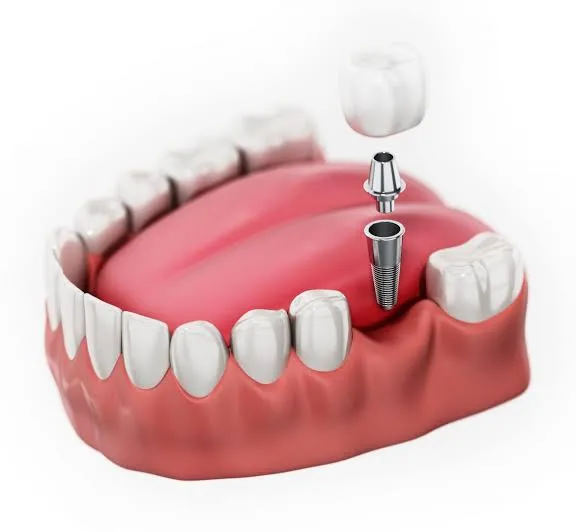
Single implant
from €235 per implantReplace one tooth with an implant and a crown that is colour-matched to your natural teeth.
Learn more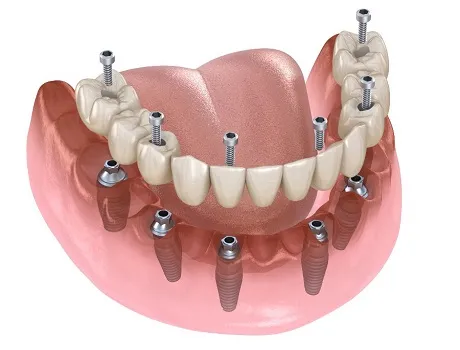
All-on-6
from €3,775 per archSix implants, one fixed bridge — maximum stability for a complete arch.
Learn more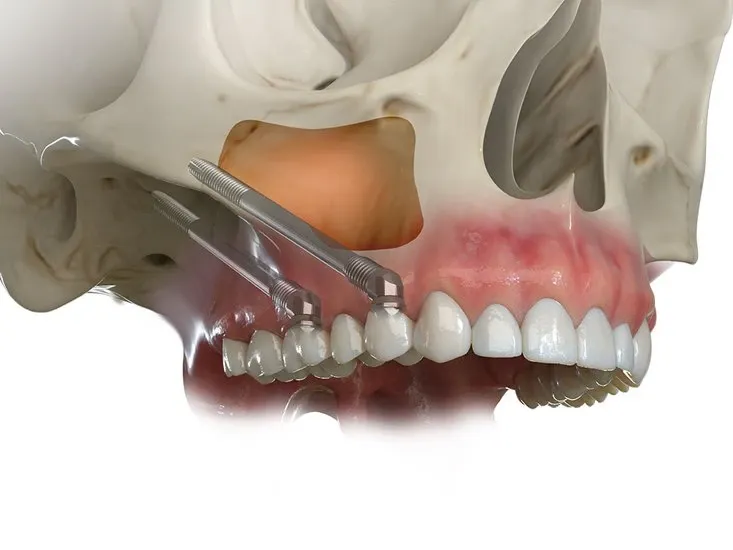
Zygomatic implants
from €2,295 per implantLong implants anchored in the cheekbone — an option when the upper jaw has too little bone.
Learn more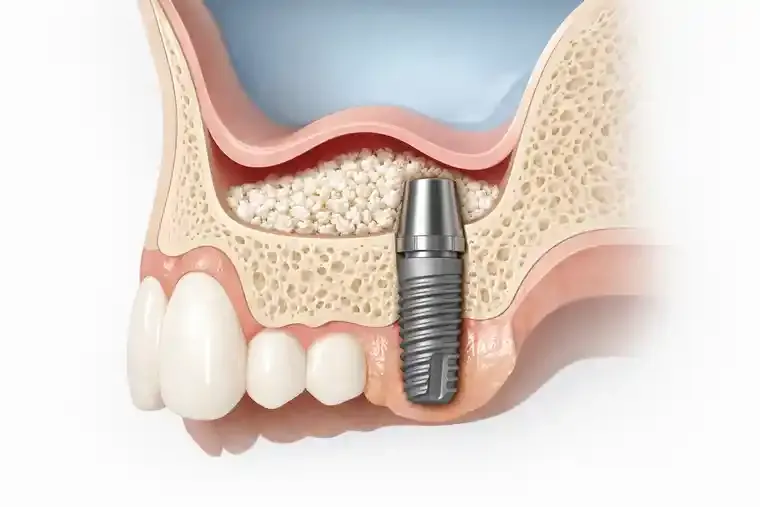
Bone graft & sinus lift
Restore lost jawbone so that implants have a stable, long-term foundation.
Learn more Related guides
Decide well informed
Dental travel
Planning Dental Treatment in Turkey: A Step-by-Step Guide
From the first photo to the flight home — how to plan your dental trip to Istanbul calmly and without surprises.
Dental implants
What Is All-on-4? How It Works, Who It Suits and What to Expect
Four implants, one fixed bridge, often fixed teeth within days. A clear guide to the All-on-4 concept, its advantages and its limits.
Get your free quote
Your free treatment plan is one message away
Send a few photos of your smile. A dentist reviews your case and you receive a clear, written plan — free and without obligation.
- Reply within 24 hours, 7 days a week
- Plan and quote in writing
- No obligation, no pressure
Your free treatment plan
Send us a few details — a dentist reviews your case and our coordinator replies within 24 hours.
Prefer to chat? WhatsApp us