Dental bridges in Turkey: close the gap with fixed teeth
Conventional, cantilever, adhesive (Maryland) and implant bridges in zirconia or E.max, planned in Istanbul with a clear comparison against a single implant.
- Fixed teeth, nothing to take out
- Tooth-supported bridges in one trip of 5-7 days
- Metal-free zirconia or E.max
“I was really nervous at first, but the dentists were honestly lovely.”Serra · Trustpilot
 and
 Read reviews
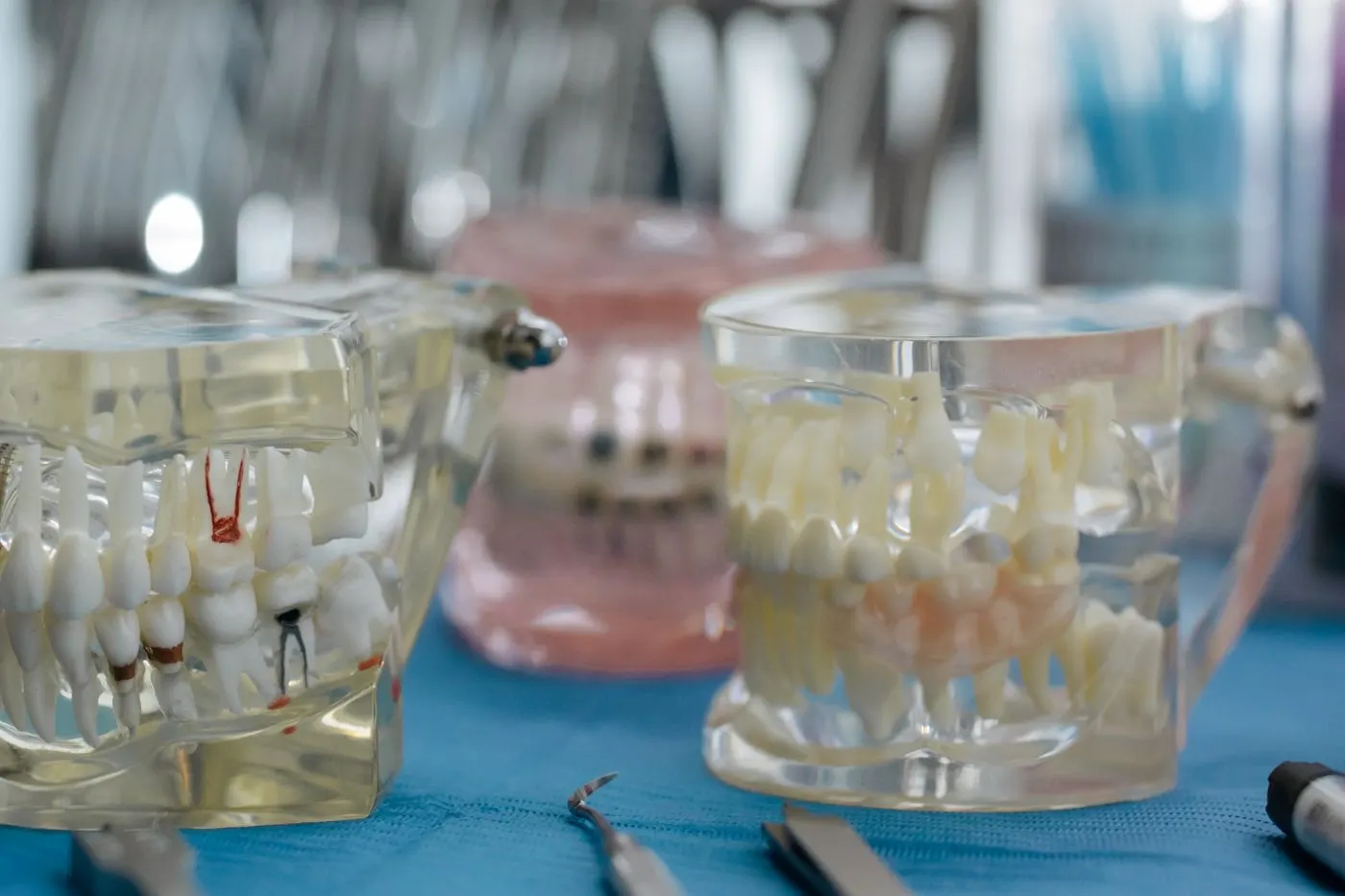
Dental bridge in Turkey: what you need to know
A dental bridge in Turkey replaces one to four missing teeth on natural teeth or implants, often finished in a single trip to Istanbul.
A dental bridge in Turkey is a fixed way to replace one or more missing teeth by joining an artificial tooth, called a pontic, to anchors on either side of the gap. In a conventional bridge the anchors are crowns on the neighbouring teeth; in an implant bridge they are implants. The bridge is cemented or screwed in place, so it does not come out and feels much like your own teeth once you are used to it.
Bridges are typically considered by:
- people missing one to three teeth in a row, with firm teeth either side
- people whose neighbouring teeth already have large fillings or crowns and would benefit from being crowned anyway
- people who want a fixed result in a single trip, without implant surgery or healing time
- people who have several missing teeth next to each other and want fewer implants than teeth
A tooth-supported bridge is usually completed in one trip of 5-7 days in Istanbul: preparation, scanning and a temporary on the first day, laboratory work, a try-in and final cementation before you fly home. An implant bridge takes two trips with a few months of healing between them. At Doctor Turka, your case is assessed by Dr. Taha G or Dr. Hatice G, and you receive a written, itemised plan before treatment. Packages can include hotel nights and VIP airport-hotel-clinic transfers, and your coordinator speaks English and German.
A bridge is not always the best solution. Crowning two healthy teeth to replace one is a real trade-off, and in many cases a single tooth implant is kinder to the rest of your mouth. This page explains the options and when each makes sense.
As featured on AP News, Google News and 36 TV news websites































Dental bridge before and after
Every smile is different. Ask us for cases similar to yours.
Real before & after photos, on request
We'll send you Dental Bridges cases of patients with a similar starting point on WhatsApp (shared with their consent).
Dental bridge in Turkey: patient reviews
Verified review“I had my implants and zirconia crowns done here and I’m sooo happy with my new teeth!! 🥹 I was really nervous at first, but the dentists were honestly lovely. They explained everything and made me feel so comfortable. Everyone looked after me from start to finish, and my teeth look so natural. I can’t stop smiling now haha. Thank you all so much!! 🤍🦷”
Dental Implants · Trustpilot
Verified review“I had my zirconium crowns done a couple of weeks ago and thought I'd share my experience because I know how difficult it can be to decide where to go. I spent ages looking at different clinics and reading reviews before finally booking. I was a bit nervous when I arrived, mainly because I wasn't sure how my teeth would look afterwards. I really didn't want them to be too white or have that obvious fake look. The dentist was lovely and we talked about the colour and shape before starting, which made me feel a lot better. The first few days were a little uncomfortable, especially with the temporary teeth, but nothing I couldn't manage. I actually asked to change the shape of my front teeth slightly during the fitting and they were completely fine with it. I'm so glad I did because the final result is exactly what I had in mind. I've been home for a little while now and everything feels good. My friends keep saying I look different but they can't quite figure out why 😂 I think that's probably the nicest compliment I could get because I wanted them to look natural. Also have to mention how helpful everyone was during my stay. I had a few questions along the way and always felt comfortable asking. Really happy with how everything turned out and glad I finally went ahead with it ❤️”
Zirconia crowns · Trustpilot
Verified review“I had zirconia crowns fitted at Doctor Turka and I am very happy with my new smile. I wanted a result that suited me, so it mattered that the team listened to what I liked and what I was unsure about. They took my questions seriously and explained the treatment without making me feel rushed. The staff were friendly throughout my appointments, which made the whole experience easier. What I appreciate most is feeling comfortable smiling again. Thank you to everyone involved in my care.”
Zirconia crowns · Trustpilot
Our patients tell their story
Real treatments at our clinic in Istanbul, filmed with the patients' consent. Ask us for cases similar to your Dental Bridges case.
Who will treat you

Dr. Taha G
Plans and carries out treatment for Doctor Turka patients at our clinic in Istanbul.

Dr. Hatice G
Treats Doctor Turka patients at our clinic in Istanbul, with a focus on aesthetic and restorative dentistry.
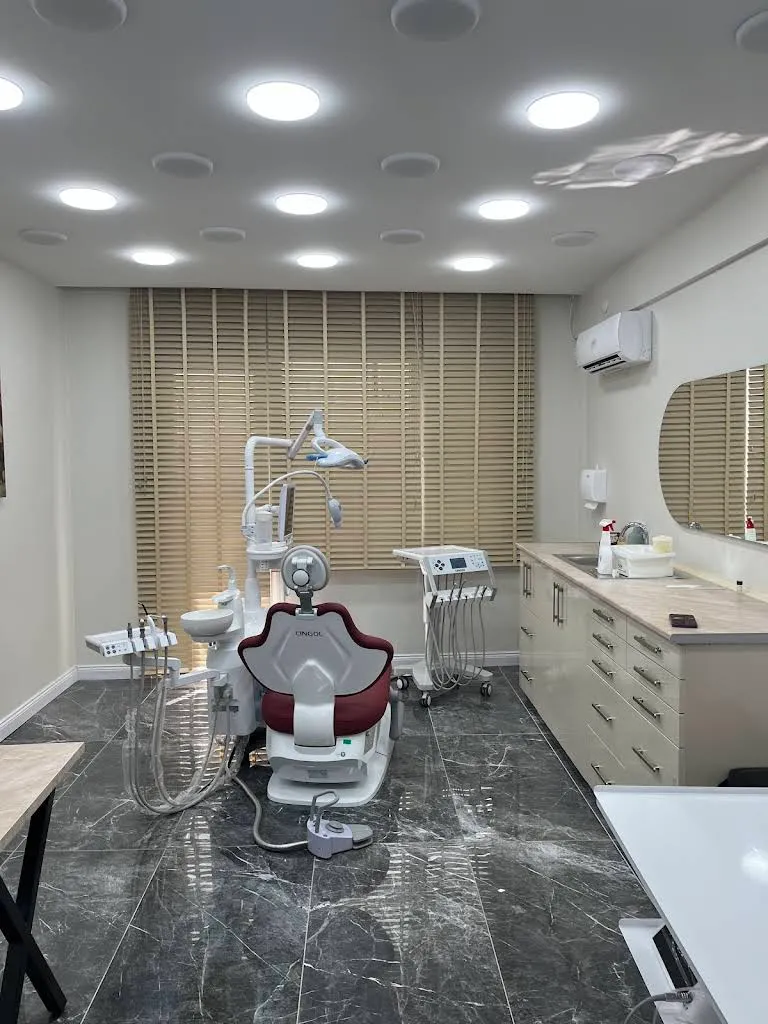
Where you are treated
Our own treatment rooms in Istanbul, the same dentists plan and treat.
Learn more Replies within 15 minutes · 7 days a weekQuestions about Dental bridge? Talk to our team.
Our patient coordinator takes your questions; medical questions are answered by Dr. Taha G and the team: whether Dental Bridges suits you, how long it takes and what the alternatives are.
- Medical questions answered by a dentist
- Your contact details are enough to start
- Free and without obligation
Types of Dental bridge
Which option suits you is decided together with your dentist, based on your examination, not a catalogue.
Conventional bridge
Crowns on the teeth either side carry one or two pontics. The most common and best-studied design, completed in one trip.
Cantilever bridge
The pontic is attached on one side only. Suited to small teeth such as a lateral incisor or premolar with a strong anchor; not for molars.
Adhesive (Maryland) bridge
A thin wing bonded to the back of a neighbouring tooth holds the pontic. Little or no drilling; best for a single front tooth with a light bite.
Implant bridge
Two or more implants carry three or more teeth, so no natural teeth are prepared and the bone under the implants is preserved. Needs two trips.
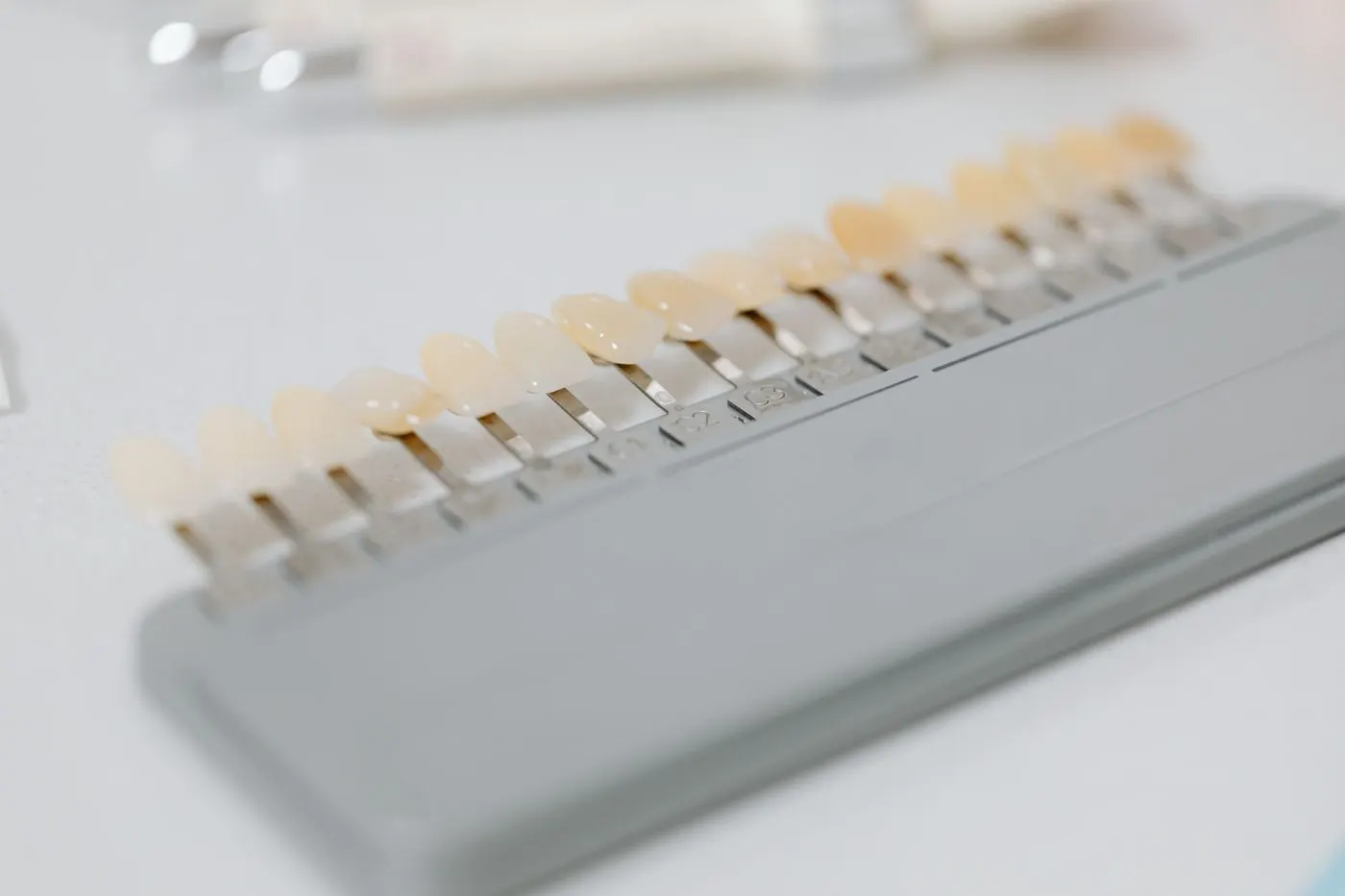
Shade chosen with you
Colour is selected together, in daylight, so the result suits your face, skin tone and neighbouring teeth.
Dental bridge procedure step by step
Before you travel, you know what happens on which day.
Examination, X-rays or 3D CBCT in the clinic, and checks of the anchor teeth for decay, root health and gum support. Options are compared and the written plan is confirmed.
Under local anaesthetic the anchor teeth are shaped, typically removing around 1-2 mm of tooth surface. A digital scan is taken and a temporary bridge is fitted the same day.
The bridge is designed digitally and milled, usually from zirconia as one piece, then characterised and glazed. You are free between appointments.
Fit, contacts, bite, shape and shade are checked in your mouth. Small corrections are made before the bridge is finished.
The bridge is permanently cemented, excess cement is removed and the bite is adjusted. You are shown how to clean under the pontic.
A review of gums, bite and comfort before your flight home.
What shapes your personal plan
- Number of units (anchor crowns plus pontics)
- Bridge type: conventional, cantilever, adhesive or implant-supported
- Material: monolithic zirconia, layered zirconia or E.max
- Treatment of the anchor teeth first (fillings, root canal treatment, gum treatment)
- Number and system of implants for an implant bridge, and any bone grafting
- Whether other teeth are treated in the same trip
- Package elements such as hotel nights and transfers
Dental bridge: recovery & aftercare
What to expect in the days and weeks after treatment, and what you can do yourself.
- 01First 1-3 days
Mild sensitivity to cold and slight gum soreness are common after preparation and cementation. Chew carefully until the anaesthetic has worn off.
- 02First 2 weeks
The bite may feel slightly different. If one side hits first or sensitivity increases, tell your coordinator; a small bite adjustment can be done by a dentist at home.
- 03Every day
Brush twice with fluoride toothpaste and clean under the pontic and around the anchor crowns with superfloss, interdental brushes or a water flosser.
- 04Every 6-12 months
Check-up and professional cleaning, with X-rays of the anchor teeth when your dentist advises.
- 05Long term
Wear a night guard if you grind your teeth, and avoid biting on very hard objects such as ice, bones or pen tops.
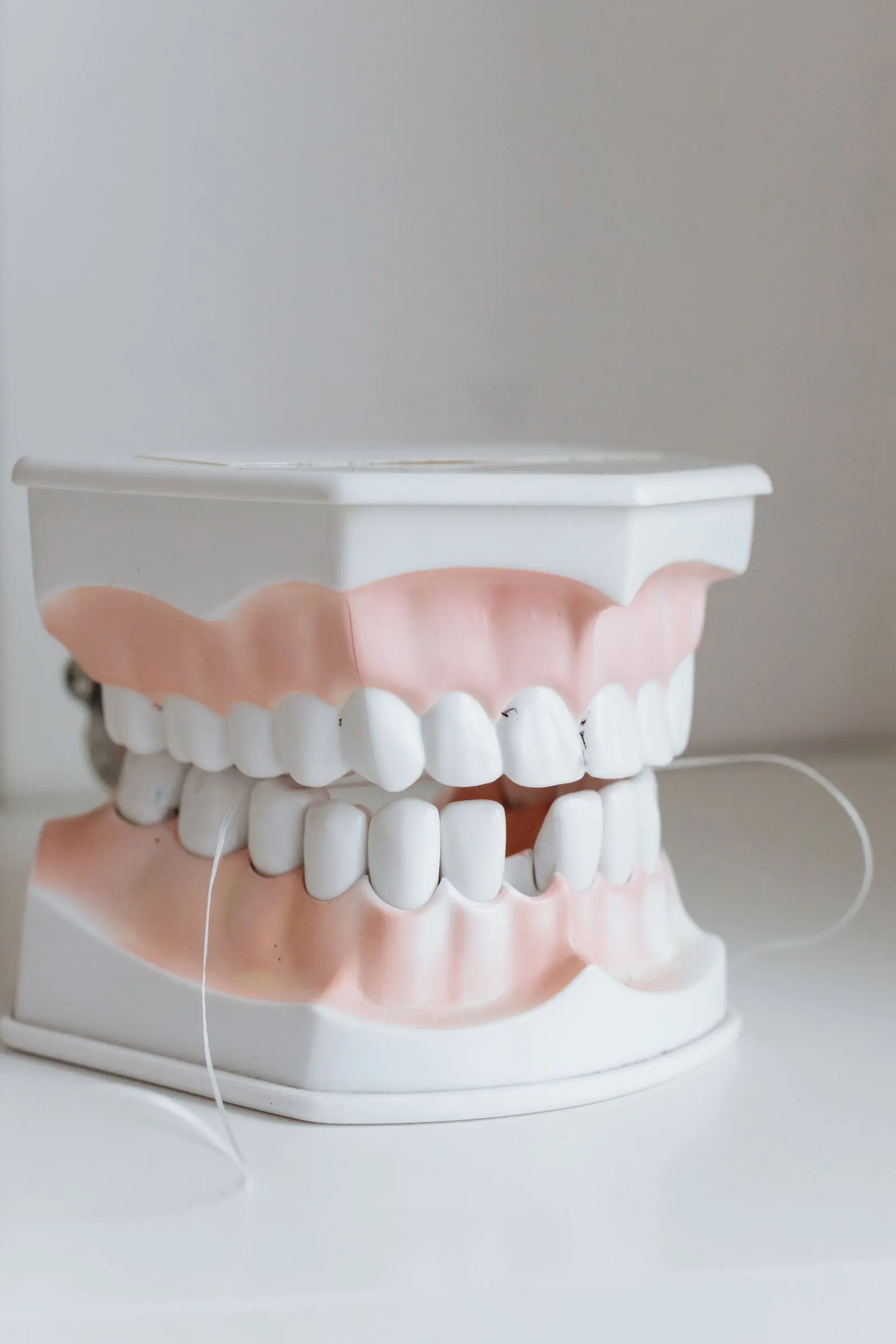
Daily care at home
Good cleaning and regular check-ups keep the result healthy for years, you receive written care instructions.
Benefits of Dental bridge
Fixed
Nothing to take out; you brush it with your other teeth and clean under the pontic daily.
One trip for tooth-supported bridges
Usually finished in 5-7 days, without surgery or healing time.
Two jobs in one
If the neighbouring teeth are heavily filled or cracked, crowning them protects them while replacing the missing tooth.
Restores the bite
Closing the gap stops neighbouring teeth tipping and opposing teeth over-erupting into the space.
Natural appearance
Zirconia and E.max bridges are metal-free, so there is no dark line at the gum.
Good to know: limits & risks
- Healthy neighbouring teeth have to be reduced for crowns, which is irreversible and, in a minority of cases, leads to nerve problems and root canal treatment later.
- The bone under the pontic is not stimulated and slowly shrinks, which can leave a small gap under the bridge over time.
- Cleaning under the pontic needs superfloss, interdental brushes or a water flosser every day.
- If one anchor tooth develops decay or fractures, the whole bridge usually has to be replaced.
- Long spans, missing back teeth at the end of the arch and heavy grinding reduce the lifespan of bridges.
- Adhesive bridges can come unstuck and occasionally need re-bonding.
Your dentist goes through these points with you before treatment, openly and without sales pressure.
See where your new smile begins
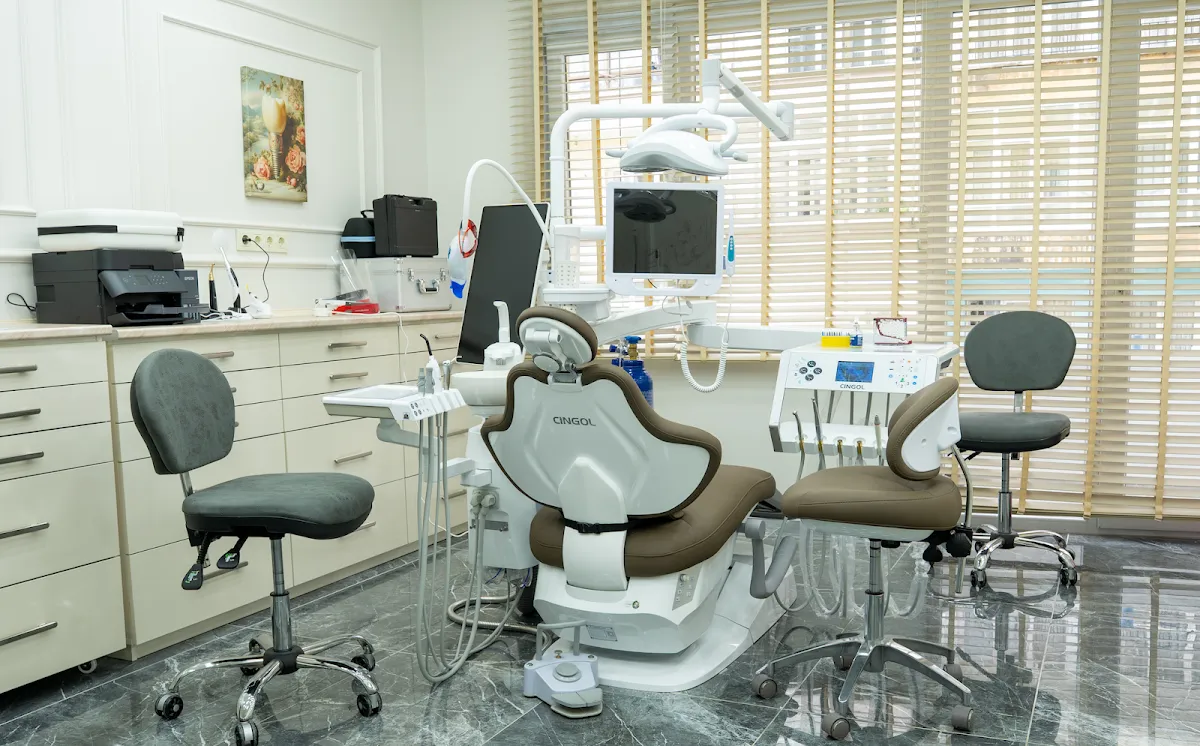
Your treatment takes place at our own clinic in Istanbul, with the same dentists who write your plan.
Dental bridges in Turkey: how a bridge works
A bridge replaces missing teeth by spanning the gap. It is made as one piece: the abutments (anchors) at each end and the pontic (replacement tooth) in the middle. In a conventional bridge, the abutments are crowns that fit over the prepared neighbouring teeth. When the bridge is cemented, chewing forces on the pontic are passed through the crowns to the roots of those teeth.
That is the strength and the weakness of a bridge. It works well because natural roots are excellent anchors, but it relies entirely on the health of those anchor teeth. A three-unit bridge replacing one tooth therefore turns one problem (a gap) into a structure that depends on two teeth.
Types of dental bridge
Conventional bridge
The standard design: a crown on each side and one or two pontics between them. It suits gaps of one or two teeth with firm, well-rooted neighbours. Studies report that around 9 in 10 conventional bridges are still in place after ten years, with decay and loss of vitality in the anchor teeth being the main reasons for failure.
Cantilever bridge
The pontic is attached to one or two crowns on one side only. It avoids preparing a tooth on the other side but puts leverage on the anchor, so it is used for small teeth under light forces, for example a missing lateral incisor anchored on the canine. Long-term survival in studies is somewhat lower than for conventional bridges.
Adhesive (Maryland) bridge
A pontic with a thin metal or ceramic wing that is bonded to the inner surface of a neighbouring tooth, with little or no drilling. Modern designs usually use a single wing on one tooth, which tends to last better than older two-wing versions. They are a good option for a single front tooth, for younger patients whose growth is not complete, or while waiting for an implant. They need enough enamel to bond to and a bite that does not hit the wing hard.
Implant bridge
When three or more teeth are missing in a row, two or more dental implants can carry a bridge. For example, three missing teeth can often be replaced on two implants. No natural teeth are prepared, the bone around the implants is preserved, and studies report implant-supported bridge survival of about 9 in 10 or better at ten years. It requires surgery, a healing period and two trips.
Bridge types compared
| Conventional | Cantilever | Adhesive (Maryland) | Implant bridge | |
|---|---|---|---|---|
| Drilling of neighbours | Both sides, for crowns | One side | Minimal, back surface | None |
| Typical gap | 1-2 teeth | 1 small tooth | 1 front tooth | 3 or more teeth |
| Surgery | No | No | No | Yes |
| Trips to Istanbul | 1 | 1 | 1 | 2 |
| Bone under the gap | Keeps shrinking | Keeps shrinking | Keeps shrinking | Preserved around implants |
| Main risk | Decay or nerve damage in anchor teeth | Overload of the anchor | Debonding | Implant complications, peri-implantitis |
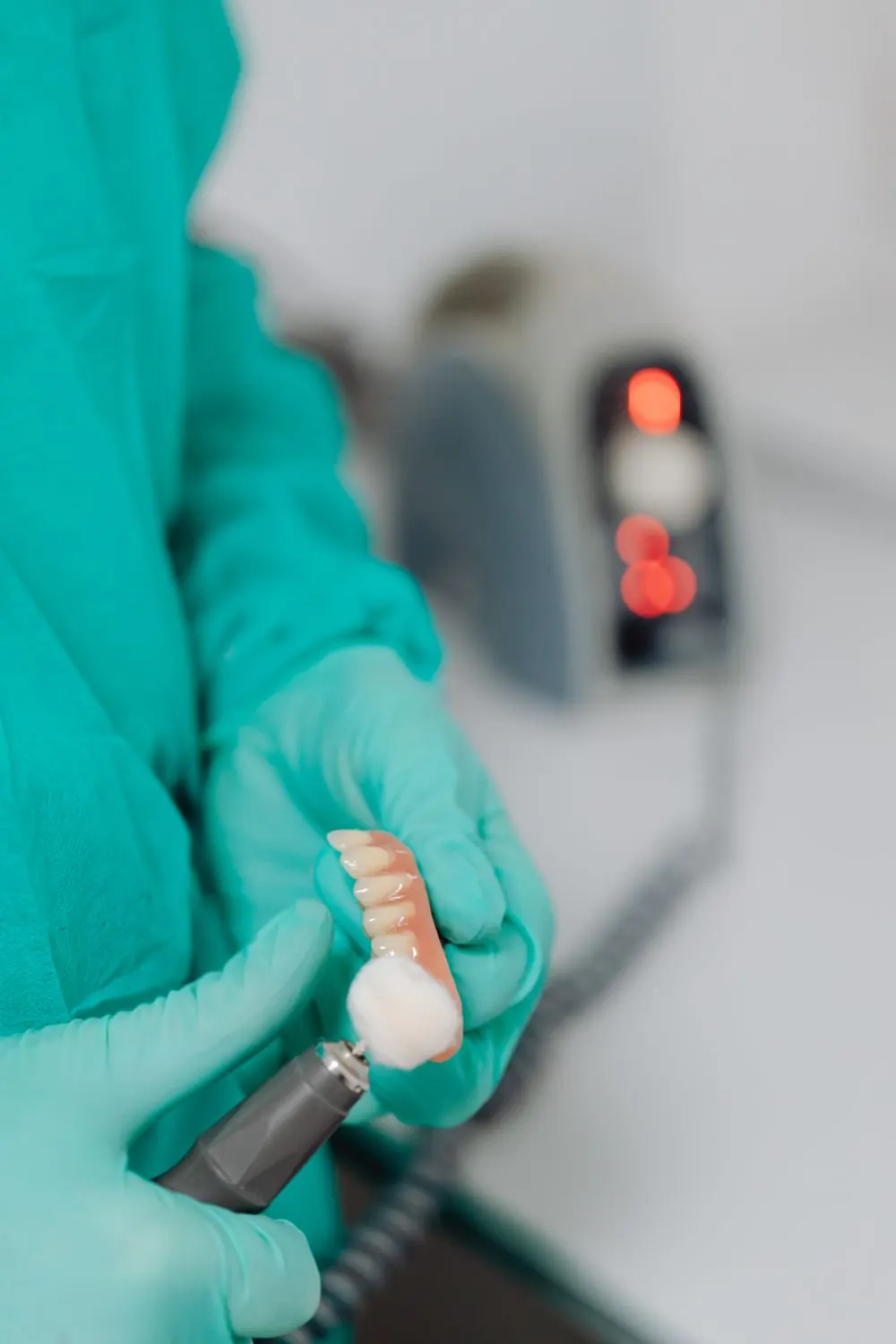
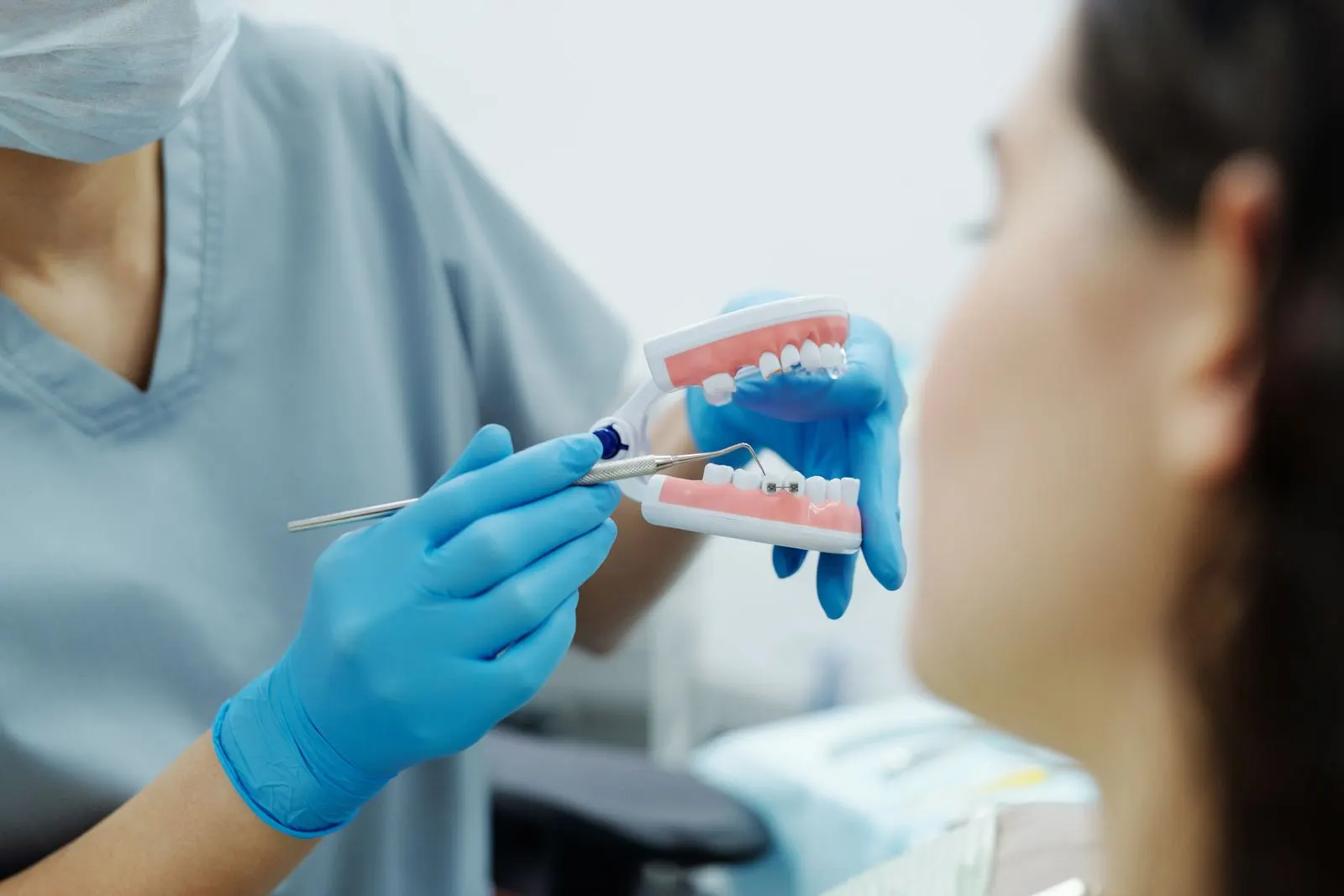
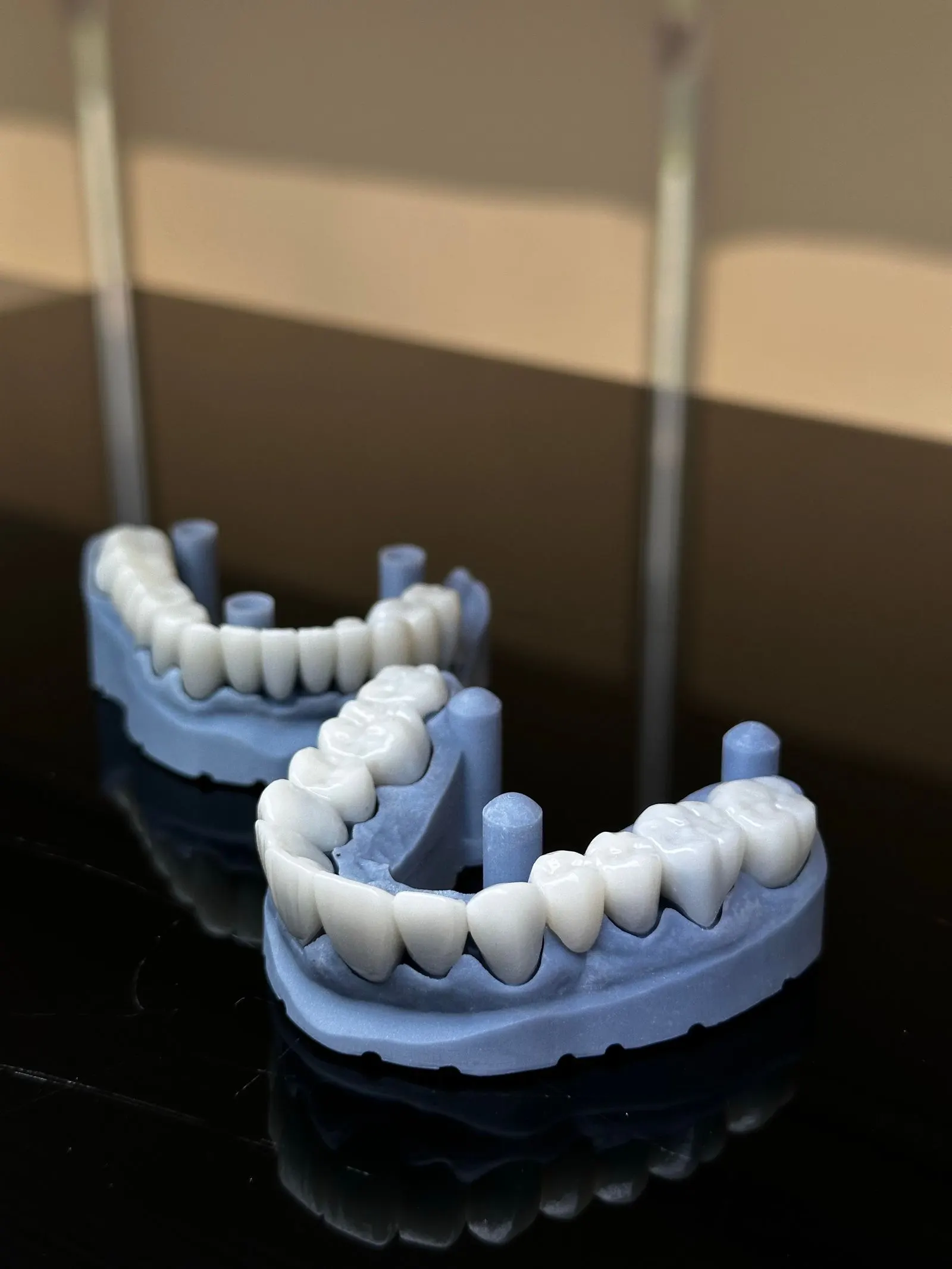
Restorations are made individually for your mouth, with try-ins and adjustments before final placement.
Grinding of the neighbouring teeth
To make room for crowns, the anchor teeth are reduced by roughly 1-2 mm on all sides, depending on the material. This is done under local anaesthetic and is not usually painful, but it is permanent. If the neighbouring teeth are already crowned or heavily filled, this matters little. If they are healthy and untouched, it is the strongest argument for an implant instead.
In a minority of cases, a prepared tooth later becomes inflamed or loses its nerve and needs root canal treatment, which can sometimes be done through the crown. Careful preparation with water cooling, a well-fitting temporary and a precise final fit reduce this risk.
Bridge materials: zirconia and E.max
| Material | Best for | Notes |
|---|---|---|
| Monolithic zirconia | Back teeth, longer spans | Very strong, low risk of chipping |
| Layered zirconia | Front teeth | Zirconia core with a layered ceramic surface for more natural translucency |
| E.max (lithium disilicate) | Short front bridges up to the premolars | Excellent aesthetics, lower strength; not for back-tooth bridges |
For most bridges we use zirconia, because the connectors between crown and pontic need to be strong. You can read more about the differences in our guide to zirconia vs E.max vs porcelain-fused-to-metal and on our dental crowns page.
Who a bridge suits, and who it doesn't
A tooth-supported bridge is a good choice when the neighbouring teeth need crowns anyway, when you want a fixed result in one trip, or when implants are not possible, for example due to bone loss you do not want grafted, certain medical conditions or medication.
It is less suitable when:
- the neighbouring teeth are healthy and unrestored (an implant avoids drilling them)
- the anchor teeth have gum disease with bone loss; gum treatment comes first, and weak anchors may not be usable
- the gap is at the end of the arch with no tooth behind it
- the span is long, especially in the back of the mouth
- you grind heavily and are not willing to wear a night guard
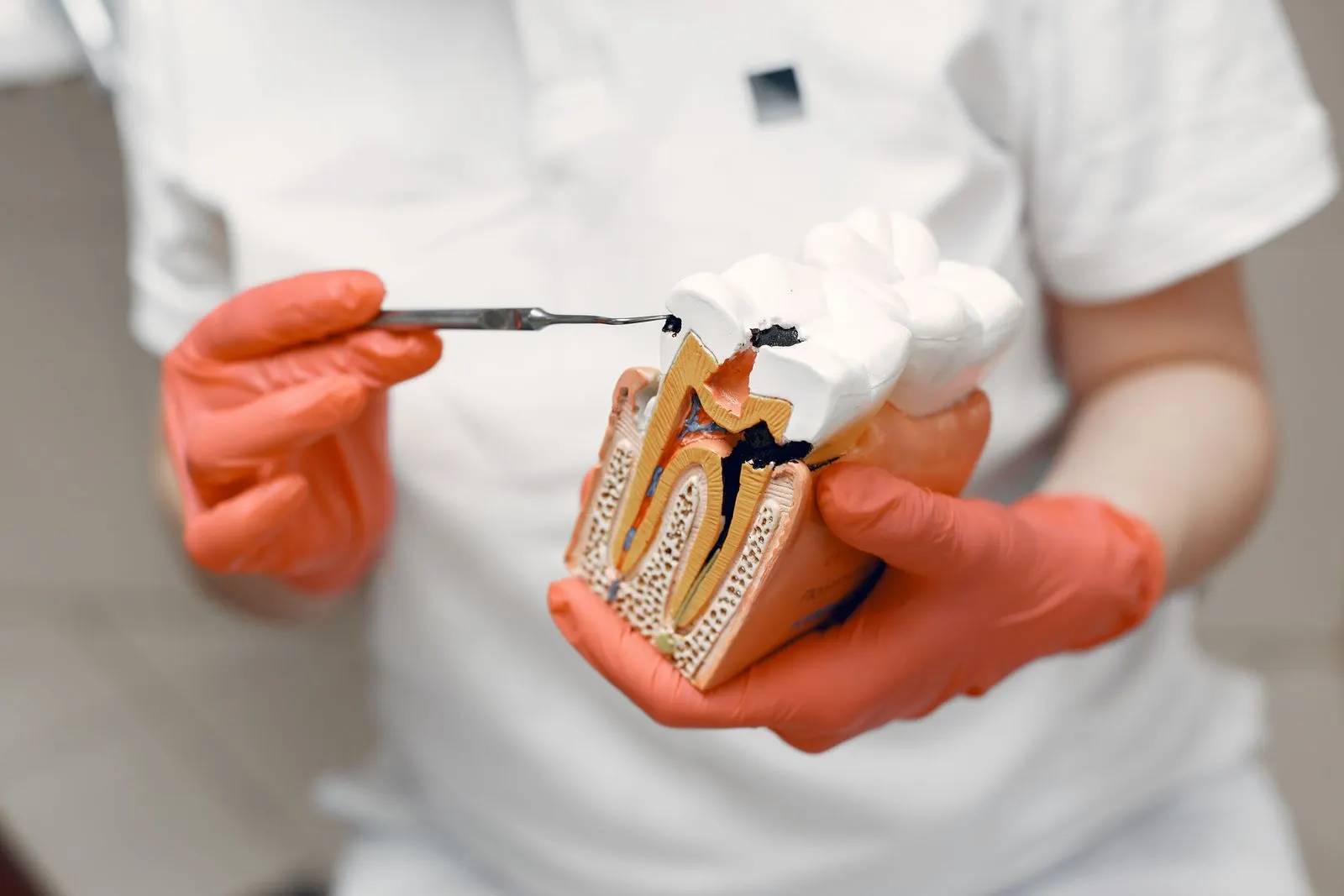
Your dentist explains how the tooth and the treatment work, so you know what to expect at every appointment.
Bridge vs implant
| Tooth-supported bridge | Single implant with crown | |
|---|---|---|
| Neighbouring teeth | Reduced for crowns | Left untouched |
| Surgery | None | Implant placement |
| Trips to Istanbul | 1 | Usually 2 |
| Total time | About a week | Around 3-6 months including healing |
| Bone in the gap | Continues to shrink | Preserved around the implant |
| Cleaning | Superfloss or brushes under the pontic | Brush and floss like a natural tooth |
| If a problem occurs | Often the whole bridge is replaced | Usually only the crown or implant is affected |
| Typical ten-year survival in studies | Around 9 in 10 | Above 95 % for the implant |
Neither option is always better. If your neighbouring teeth need crowns anyway, a bridge solves two problems at once. If they are healthy, an implant is usually the more conservative long-term choice.
Hygiene under the pontic
Food and plaque collect under the pontic and around the edges of the anchor crowns, and that is where bridges usually fail: through decay at the crown margins or gum disease around the anchors. The pontic is shaped so its underside is smooth and convex and can be cleaned.
Clean under it once a day with one of these:
- Superfloss: floss with a stiffened end that you thread under the pontic, then slide back and forth along the underside and around each anchor
- Floss threader: a plastic loop that pulls ordinary floss under the bridge
- Interdental brushes: for larger spaces beside the anchors
- Water flosser: helpful for reaching under the bridge, especially with limited dexterity
We show you the technique before you leave Istanbul.
Step by step and time in Turkey
| Treatment | Trips | Time in Istanbul |
|---|---|---|
| Conventional or cantilever bridge | 1 | 5-7 days |
| Adhesive (Maryland) bridge | 1 | 3-5 days |
| Implant bridge | 2 | 4-6 days, then 5-7 days after 3-6 months |
| Bridge with root canal treatment of an anchor tooth | 1 | 6-8 days |
Your coordinator plans the appointments so the laboratory has time between them. See how it works for the full journey.
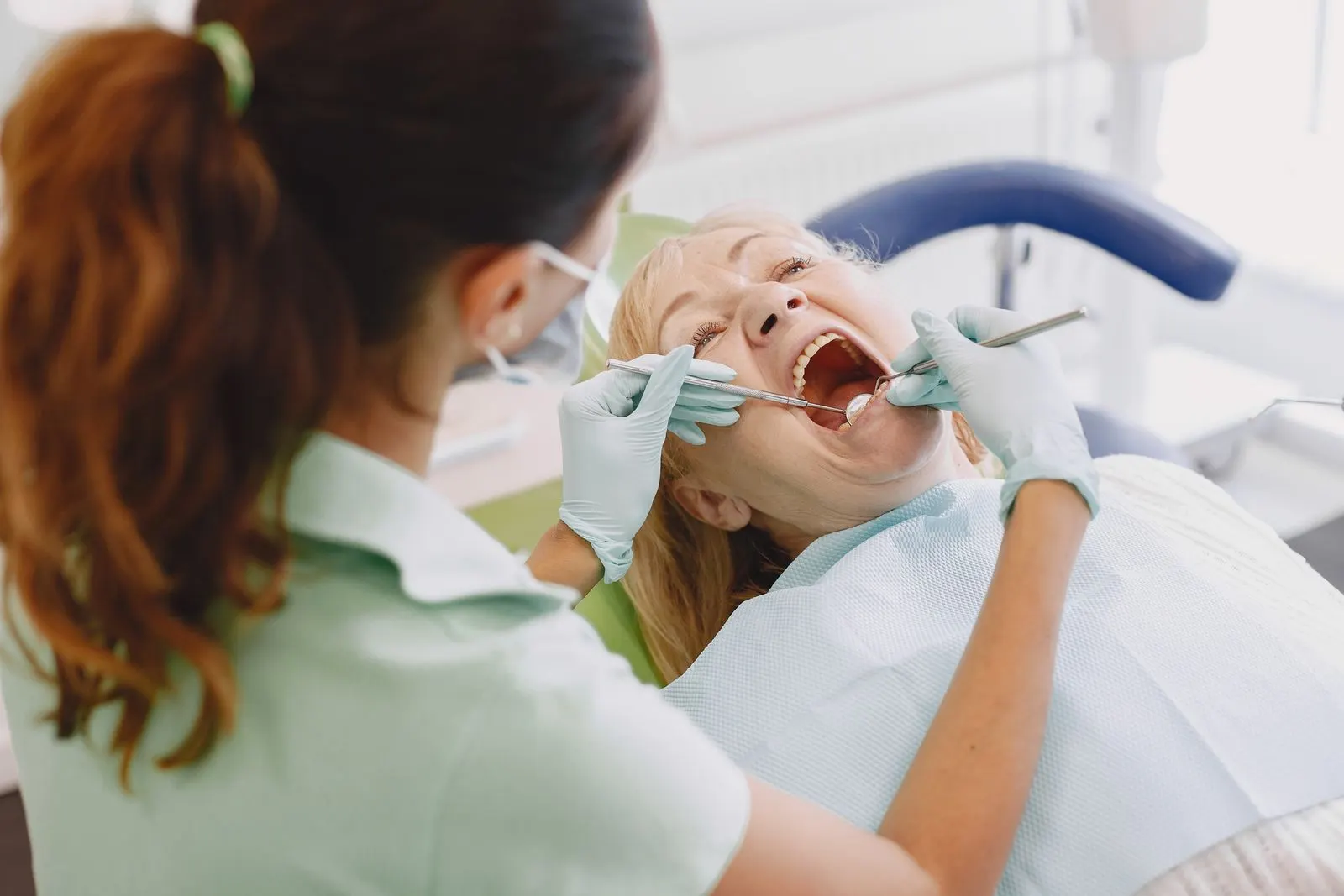
Each step starts with a clinical check, and the result is checked again before you travel home.
Lifespan and what to expect
With good hygiene and regular check-ups, a bridge often lasts 10-15 years or longer. The first sign of a problem is usually a change around an anchor crown: sensitivity, a bad taste or bleeding gums. Report these early; a small problem at the margin can often be treated before the bridge is lost.
Choosing a clinic for a bridge in Turkey
Ask whether the anchor teeth will be assessed with X-rays before preparation, how much tooth structure will be removed, whether you will have a try-in before cementation, and what material is proposed and why. Be cautious of plans that crown many healthy teeth to replace one gap, or that promise a long bridge on weak anchors. For more on avoiding overtreatment, see our article on Turkey teeth.
What shapes your treatment plan and quote
The number of units, the bridge type, the material, any treatment of the anchor teeth and, for implant bridges, the implants themselves are the main factors. Your plan lists each item separately, and your written guarantee and its terms are explained in it. For starting prices, see our dental costs in Turkey page.
A bridge is one way to replace missing teeth. See how it compares with implants and dentures on our dental treatments page.
A bridge is one of several ways to close a gap; compare all the options to replace missing teeth.
Everything arranged, one point of contact
What exactly is included is set out in your personal, written plan.
Dental bridge: how to get started
- Leave your contact details
- Talk to our patient coordinator
- A dentist assesses your case, then you receive your written plan
Dental bridge in Turkey: FAQ
Answers about Dental Bridges. Not listed? Ask us directly.
How long does a dental bridge take in Turkey?
A tooth-supported bridge usually takes one trip of 5-7 days: examination and preparation with a temporary on the first day, laboratory work, a try-in and permanent cementation before you leave. An adhesive bridge can take 3-5 days. An implant bridge needs two trips, separated by three to six months of healing.
Is a bridge or an implant better for one missing tooth?
If the teeth either side are healthy, an implant is usually the more conservative choice because it leaves them untouched and preserves the bone. If they already have large fillings or crowns, a bridge can protect them while replacing the gap, in one trip and without surgery. Your dentist will compare both for your situation.
How long does a dental bridge last?
Studies report that around 9 in 10 conventional bridges are still in place after ten years, and with good hygiene many last 10-15 years or longer. The main reasons for failure are decay at the margins of the anchor crowns and problems with the nerve of an anchor tooth, so daily cleaning and regular check-ups matter most.
What is a Maryland bridge and who is it for?
A Maryland or adhesive bridge holds a replacement tooth with a thin wing bonded to the back of a neighbouring tooth, with little or no drilling. It suits a single missing front tooth with a light bite and enough enamel for bonding, younger patients, or as an interim solution before an implant. It can come unstuck and occasionally needs re-bonding.
Can a bridge be done on implants?
Yes. When three or more teeth are missing in a row, two or more implants can carry a fixed bridge, so fewer implants than teeth are needed. No natural teeth are prepared and the bone around the implants is preserved. It takes two trips with healing in between. See our dental implants page for the process.
How much does a dental bridge cost in Turkey?
It depends on the number of units (a three-unit bridge has two crowns and one pontic), the material, the bridge type and any treatment the anchor teeth need first, such as fillings or root canal treatment. Implant bridges also include the implants. You receive a written, itemised quote after assessment. For starting prices, see our dental costs in Turkey page. For a full breakdown, read our guide to dentist prices in Turkey 2026.
How do I clean under a bridge?
Once a day, thread superfloss or ordinary floss with a floss threader under the pontic and slide it along the underside and around each anchor crown. Interdental brushes help beside the anchors, and a water flosser is useful for many people. We show you the technique before you fly home.
Does preparing the teeth for a bridge hurt?
Preparation is done under local anaesthetic, so you feel pressure and vibration but usually no pain. Afterwards, the teeth can be sensitive to cold for a few days, especially under the temporary bridge. Persistent or increasing pain should be checked, as it can mean the nerve of an anchor tooth is inflamed.
Can a bridge replace a back tooth at the end of the row?
A conventional bridge needs an anchor on both sides, so it cannot replace a last molar with no tooth behind it. A cantilever bridge is only suitable for small teeth under light load. For a missing tooth at the end of the arch, an implant is usually the better option, or in some cases no replacement is needed.
What happens if an anchor tooth fails?
If an anchor tooth develops decay under the crown, a cracked root or nerve problems, the bridge often has to be removed. Sometimes the tooth can be treated and a new bridge made; if the tooth is lost, the gap becomes larger and an implant bridge or implants are usually considered. Early check-ups help catch problems while they are small.
Ask us, a coordinator replies personally, and a dentist answers medical questions.
Decide well informed
Let’s plan your dental care
Leave your contact details. Our patient coordinator will contact you to discuss your needs and explain the next steps, free and without obligation.
- We reply within 15 minutes, 7 days a week
- Plan and quote in writing after the dentist’s assessment
- No obligation, no pressure
Let’s plan your dental care
Leave your contact details. Our patient coordinator will contact you to discuss your needs and explain the next steps.