Replace one missing tooth with an implant and crown, without grinding down the neighbouring teeth. Planned on a 3D CBCT scan in Istanbul, with named implant systems and a written plan.
Neighbouring teeth stay untouched
3D CBCT planning around nerve, sinus and roots
Crown chosen for the position: zirconia or E.max
“I was really nervous at first, but the dentists were honestly lovely.”Serra · Trustpilot
Single tooth implant in Turkey: what you need to know
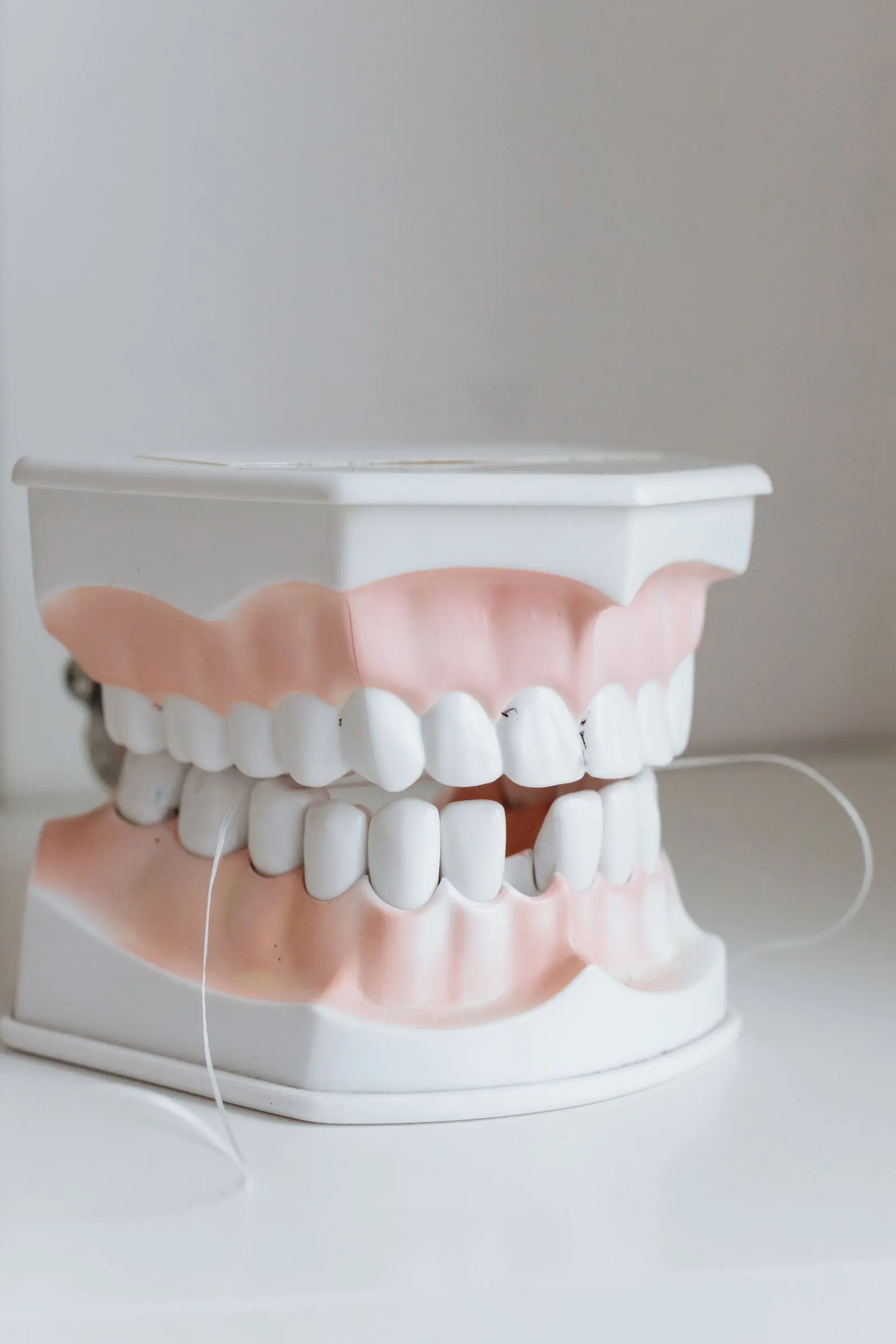
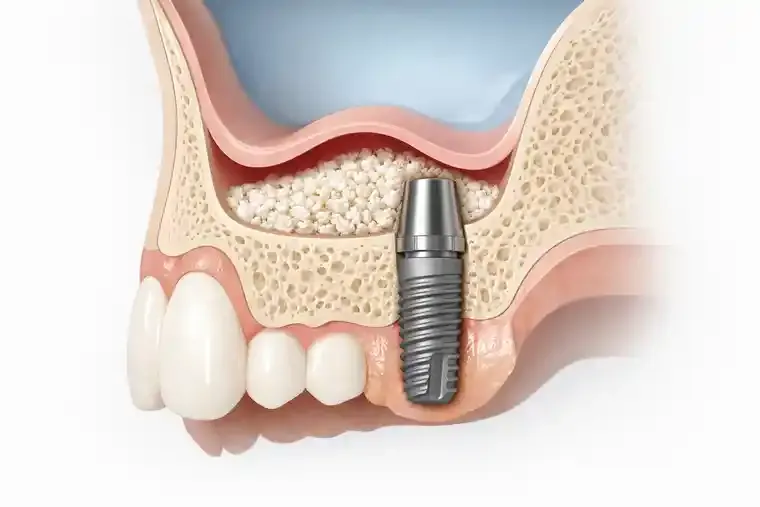
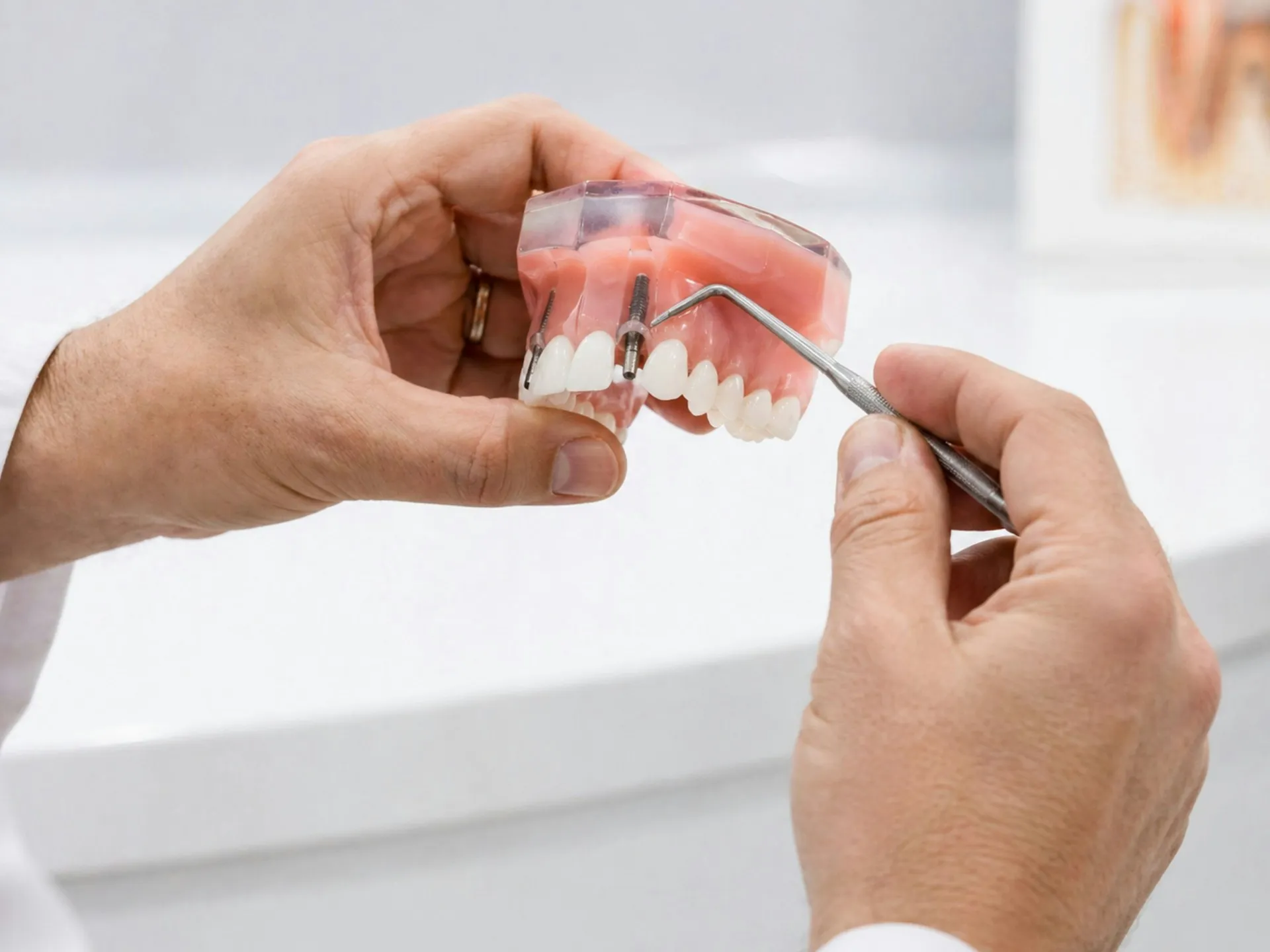
A single tooth implant in Turkey replaces one missing tooth with three parts: a titanium implant in the jawbone, an abutment that passes through the gum, and a crown shaped and shaded to match your own teeth. Because it stands on its own, the teeth either side of the gap are not ground down, as they would be for a conventional bridge.
A single implant suits you if you have lost one tooth to decay, a fracture, a failed root canal or an accident, or if a tooth is about to be extracted and you want to plan its replacement now. It also suits people who have lived with a gap for years and notice the neighbouring teeth tilting or food getting trapped. You need reasonable general health, enough bone at the site (or a small graft), and healthy gums.
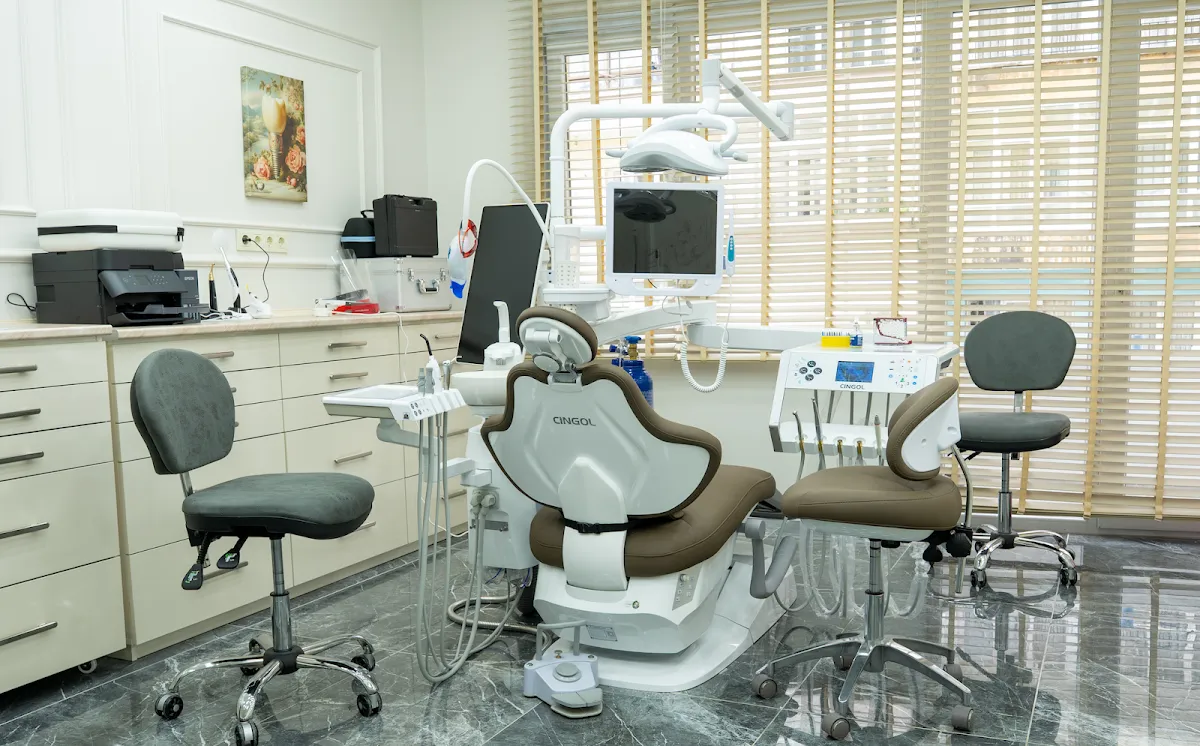
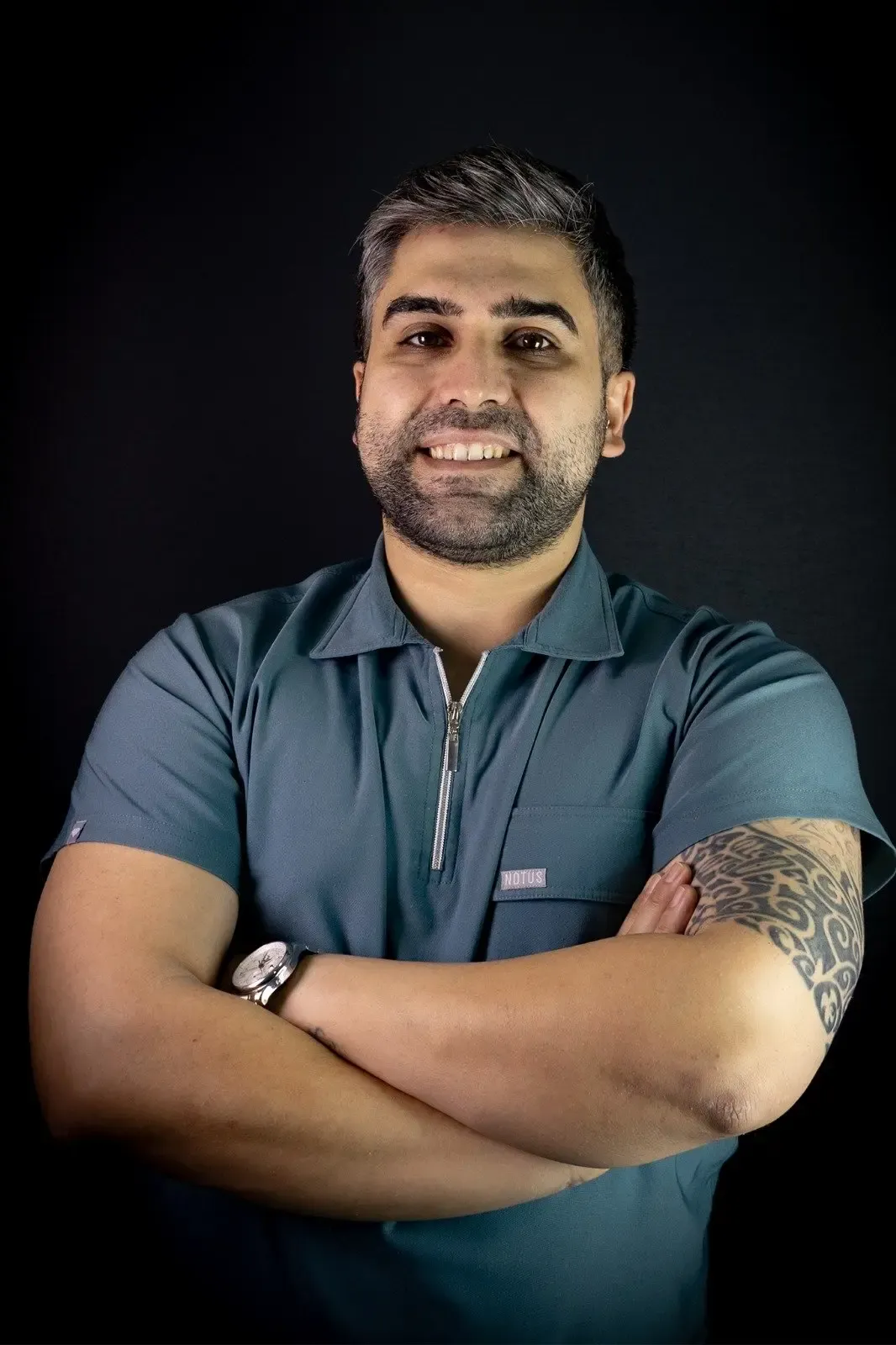
Patients from the UK, Ireland, Germany, Austria and Switzerland choose Istanbul for a single implant because the same implant systems and ceramics used at home are available for considerably less than private fees, with appointments that fit around a short trip. At Doctor Turka in Ataköy, Dr. Taha G and Dr. Hatice G plan each implant on a 3D CBCT scan.
Treatment normally takes two trips: about 4-6 days for the scan and implant placement, then three to four months of healing at home (longer in the upper jaw or after grafting), and a second stay of about 4-6 days for the final crown. To start, leave your contact details; your coordinator calls or writes, a dentist assesses your case, and you receive a written, itemised plan.
In the press
As featured on AP News, Google News and 36 TV news websites
“I had my implants and zirconia crowns done here and I’m sooo happy with my new teeth!! 🥹 I was really nervous at first, but the dentists were honestly lovely. They explained everything and made me feel so comfortable. Everyone looked after me from start to finish, and my teeth look so natural. I can’t stop smiling now haha. Thank you all so much!! 🤍🦷”
SSerra Akaoglu Dental Implants · Trustpilot
★★★★★
Verified review
“I had my zirconium crowns done a couple of weeks ago and thought I'd share my experience because I know how difficult it can be to decide where to go. I spent ages looking at different clinics and reading reviews before finally booking.
I was a bit nervous when I arrived, mainly because I wasn't sure how my teeth would look afterwards. I really didn't want them to be too white or have that obvious fake look. The dentist was lovely and we talked about the colour and shape before starting, which made me feel a lot better.
The first few days were a little uncomfortable, especially with the temporary teeth, but nothing I couldn't manage. I actually asked to change the shape of my front teeth slightly during the fitting and they were completely fine with it. I'm so glad I did because the final result is exactly what I had in mind.
I've been home for a little while now and everything feels good. My friends keep saying I look different but they can't quite figure out why 😂 I think that's probably the nicest compliment I could get because I wanted them to look natural.
Also have to mention how helpful everyone was during my stay. I had a few questions along the way and always felt comfortable asking. Really happy with how everything turned out and glad I finally went ahead with it ❤️”
DDough Zirconia crowns · Trustpilot
★★★★★
Verified review
“I had zirconia crowns fitted at Doctor Turka and I am very happy with my new smile. I wanted a result that suited me, so it mattered that the team listened to what I liked and what I was unsure about. They took my questions seriously and explained the treatment without making me feel rushed. The staff were friendly throughout my appointments, which made the whole experience easier. What I appreciate most is feeling comfortable smiling again. Thank you to everyone involved in my care.”
JJnae Ford Zirconia crowns · Trustpilot
Patient videos
Our patients tell their story
Real treatments at our clinic in Istanbul, filmed with the patients' consent. Ask us for cases similar to your Single implant case.
Questions about Single tooth implant? Talk to our team.
Our patient coordinator takes your questions; medical questions are answered by Dr. Taha G and the team: whether Single implant suits you, how long it takes and what the alternatives are.
Before you travel, you know what happens on which day.
Leave your contact details. Your coordinator calls or writes, takes your history, and a dentist assesses your case. You receive a written, itemised plan.
VIP transfer from the airport to your hotel and a short call with your coordinator about the schedule.
A 3D scan measures bone width and height and the distance to nerve, sinus and neighbouring roots. The implant size, system and crown are confirmed with you.
Under local anaesthesia, usually 30-60 minutes for one implant. Extraction and immediate placement or a small graft are done in the same session if planned.
Wound check, temporary tooth fitted or adjusted where planned, aftercare instructions and implant details. Flight home.
After 3-6 months: stability check, digital scan or impression, try-in and fitting of the final crown over about 4-6 days.
1/6
What shapes your personal plan
The implant system, from Aggressor or Osstem to Nobel Biocare or Straumann SL Active
Stock abutment or custom-milled titanium or zirconia abutment
Crown material: monolithic zirconia, layered zirconia or E.max
Extraction and immediate placement, or delayed placement after healing
A bone graft, socket preservation, soft-tissue graft or sinus lift
Starting prices from our price list, next to typical private fees at home. Your exact price is in your written plan after a dentist’s assessment.
Number of implants1
USA€1,880 to €3,8103
UK€2,7901
Germany€1,500 to €3,5002
Istanbulfrom €235
UK, Germany, USA: published private fees, source numbers on the price list. Saving is calculated against the lower end of each range. Istanbul: our starting price. Your exact price is in your written plan after a dentist’s assessment. Sources
You save
up to 92%
compared with a private clinic at home, with the same implant systems and ceramics.
Digital diagnostics3D CT scan and intraoral scanning
Hygiene standardsProtocol-based sterilisation
Named dentistsYou know who treats you
English & GermanCoordinator at every appointment
In-depth guide
What a single tooth implant in Turkey involves
A single tooth implant rebuilds one tooth from the root up. It has three components, and each is chosen for the position in your mouth:
The implant: a threaded titanium post in the bone. For a lower or upper molar it is usually 4.5-5.5 mm wide; for a front tooth 3.3-4.1 mm; for a narrow upper lateral incisor it may be around 3 mm. Lengths are typically 8-13 mm, chosen from the CBCT scan to stay clear of the nerve and sinus.
The abutment: the connector through the gum. A prefabricated titanium abutment is fine for most back teeth. For front teeth a custom-milled abutment, often zirconia or a zirconia crown on a titanium base, shapes the gum and avoids a grey shimmer through thin tissue.
The crown: screwed onto the abutment through a small access hole that is sealed with composite, or cemented. Screw retention is our usual preference because the crown can be removed for maintenance and no cement is left under the gum.
As a guide, a standard implant needs a gap of roughly 6-7 mm between the neighbouring teeth, about 1.5 mm of bone between the implant and each neighbouring root, and bone at least 1.5-2 mm thick on the cheek side. In the lower jaw the implant is kept about 2 mm above the nerve canal.
Who a single implant suits, and who it does not
A single implant is usually the best replacement for one missing tooth when the neighbouring teeth are healthy, the gum is free of active disease and there is enough bone, or enough for a small graft.
It is not the right choice, or not yet, when:
the jaw is still growing (usually under about 18); a bonded bridge or retainer tooth bridges the gap until then
active gum disease has not been treated
you take intravenous bisphosphonates, have had radiotherapy to the jaws, or have a recent serious heart event
diabetes is poorly controlled, or you are not prepared to pause smoking around surgery
the neighbouring teeth already have large fillings and need crowns anyway, in which case a dental bridge may make more sense
Before replacing a tooth, ask whether it can be saved. A tooth with a sound root can often be kept with root canal treatment and a crown, and your own root remains the best implant there is.
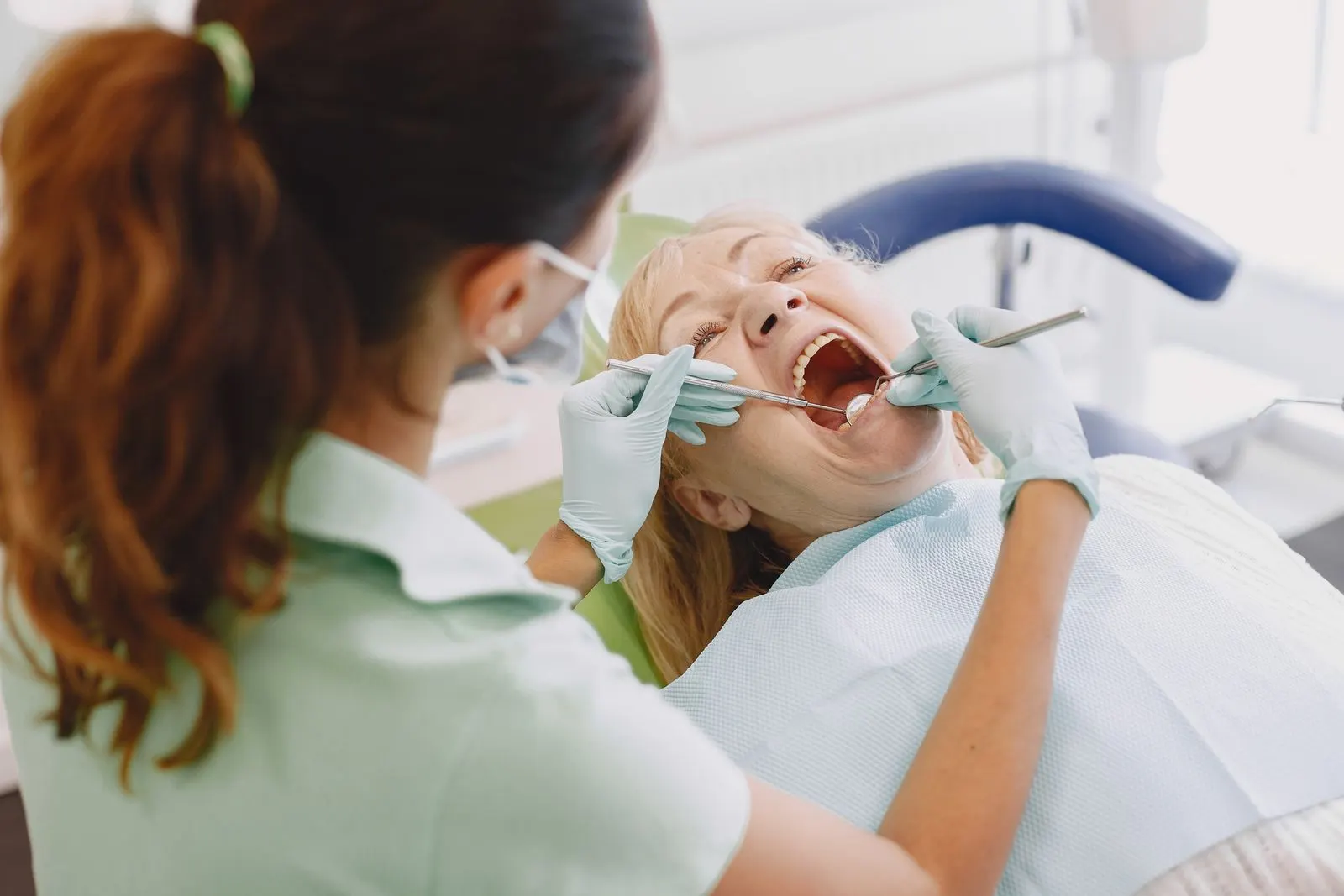
Examination and checks
Each step starts with a clinical check, and the result is checked again before you travel home.
Single implant vs bridge vs partial denture vs leaving the gap
Single implant
Three-unit bridge
Partial denture
Leave the gap
Neighbouring teeth
Untouched
Two teeth crowned
Clasps may rest on them
Tend to tilt into the gap
Bone at the gap
Maintained by loading
Continues to shrink
Continues to shrink
Continues to shrink
Surgery
Yes, minor
No
No
No
Trips to Istanbul
Usually 2
Usually 1
Usually 1
None
Cleaning
Like a natural tooth
Floss threader under pontic
Removed daily
Food traps, harder to clean
Long-term data
Ten-year survival typically above 95 % in studies
Commonly around 90 % at ten years in studies
Often remade after 5-8 years
Bite changes over time
A bridge is quicker and avoids surgery, but it sacrifices enamel on two teeth and, if one of those teeth later needs a root canal or fails, the whole bridge is affected. A partial denture is a reasonable low-intervention option, particularly as a temporary solution.
In the UK, implants are rarely available on the NHS, and a single implant with crown at a private practice is one of the more significant dental investments many people make. That is the main reason patients look at Istanbul: not a different implant, but different overheads.
Front tooth or back tooth: two different jobs
Front teeth: aesthetics first
A front tooth implant has to match its neighbour in colour, shape, gum height and the small triangle of gum between the teeth (the papilla). The bone on the lip side of upper front teeth is often less than 1 mm thick and shrinks quickly after extraction. That is why front teeth get the most careful planning: precise 3D positioning slightly towards the palate, often a bone graft over the lip side, sometimes a soft-tissue graft, a temporary crown to shape the gum, and a custom abutment. Even with ideal technique, a thin gum type carries some risk of recession over the years, and we discuss this before starting.
Back teeth: strength first
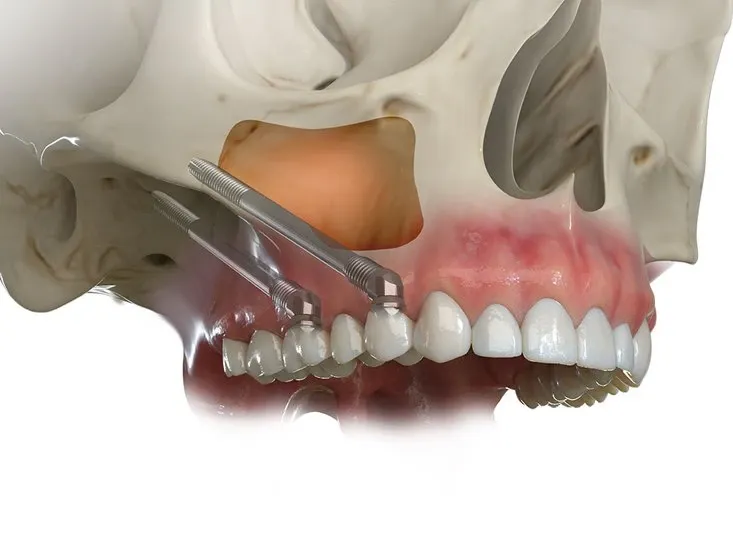
Molars take much higher chewing forces. A wider implant, a stock or custom titanium abutment and a monolithic zirconia crown are the usual choice. The main anatomical limits are the sinus above the upper molars and the nerve canal below the lower molars, both measured on the CBCT scan.
Immediate or delayed placement after an extraction
Approach
When it is placed
Suits
Trade-offs
Immediate
Same day as extraction
Intact socket walls, no acute infection, good primary stability
Saves time; higher aesthetic risk if the lip-side bone is thin
Early
4-8 weeks after extraction
Soft tissue healed, most bone still present
One extra short visit or trip
Delayed
3-4 months or more after extraction
Infected or damaged sites, after socket preservation
Most predictable; takes longest
If you are having a tooth taken out in Istanbul, the dentist decides on the day whether immediate placement is safe once the tooth is out and the socket can be seen. Your plan will say which approach is expected and what the fallback is.
Choosing the implant system and abutment
We list Aggressor, Swiss Implant, Osstem, Hiossen, Straumann Group Medentika, Nobel Biocare and Straumann SL Active. For a single tooth, the main questions are bone quality and where you will be looked after long term. A widely distributed system such as Osstem, Nobel Biocare or Straumann makes it easiest for your dentist at home to source a replacement screw or abutment years later. The hydrophilic Straumann SL Active surface is often chosen for soft upper-jaw bone. The full comparison is on our dental implants in Turkey page.
Choosing the crown: zirconia or E.max
Crown
Strength
Appearance
Usual position
Monolithic zirconia
Very high, resists chipping
Good, slightly more opaque
Molars and premolars, grinders
Layered zirconia
High core, porcelain layer can chip
Very natural
Front teeth and visible premolars
E.max (lithium disilicate)
Good
Excellent translucency
Front teeth, often on a titanium base
Your crown is matched to the shade of the neighbouring teeth. If you plan whitening, do it before the crown shade is chosen, because ceramic does not whiten. Our comparison of zirconia vs E.max vs porcelain-fused-to-metal crowns explains the differences in more depth.
Your single implant in Istanbul, day by day
Day
Trip 1: implant
Trip 2: crown (after 3-6 months)
1
Arrival, VIP transfer to hotel
Arrival and transfer
2
CBCT scan, consultation, consent; implant placement if the plan is clear
Stability check, X-ray, healing abutment exchanged, digital scan
3
Implant placement if not done on day 2
Free day while the dental laboratory works
4
Check-up, temporary tooth adjusted if fitted
Crown try-in: shade, shape and contacts
5-6
Final check, aftercare briefing, flight home
Crown fitted, bite adjusted, implant passport, flight home
The surgery itself usually takes 30-60 minutes for one implant, a little longer with an extraction or graft.
How many days in Turkey for a single implant?
Plan on two stays of about 4-6 days each. If you have a tooth extracted without immediate placement, a third short trip may be needed, or the implant can be placed on the crown trip and the crown fitted later. In the upper jaw and after grafting, the gap between trips is often four to six months rather than three.
Some patients ask whether their dentist at home can fit the crown. It is possible if your dentist is willing and has access to parts for the system, but the guarantee then covers only what we have done. Most patients prefer to have the implant and crown from the same team.
Will you have a gap while it heals?
Not if it matters to you. For a visible tooth there are several options:
Immediate temporary crown on the implant, kept out of the bite, when primary stability allows
Bonded temporary fixed to the neighbouring teeth with composite
Clear retainer with a tooth that you wear over your teeth
Small removable partial denture that clips in
For back teeth, most patients are comfortable with a healing cap and no temporary tooth.
Bone, grafts and the sinus in single-tooth cases
After an extraction, the socket loses width in the first months, most on the cheek side. Where a tooth has been missing for years, the ridge may be too narrow for an implant without a graft.
Socket preservation: graft material placed at extraction to limit shrinkage when the implant is placed later.
Simultaneous graft: a small amount of bone substitute and a membrane placed over exposed threads during implant surgery; often no extra trip.
Internal sinus lift: for upper molars with about 5-8 mm of bone below the sinus, the sinus floor is lifted through the implant site.
Separate graft or lateral sinus lift: for larger defects, with four to nine months of healing before the implant.
Single implants are among the best-documented treatments in dentistry, with ten-year survival typically above 95 % in studies. Things can still go wrong:
Failure to integrate: a small percentage, more often in smokers and soft bone. The implant is removed, the site heals and a new one is placed.
Nerve irritation after lower molar implants: rare, usually temporary, and largely prevented by CBCT planning.
Aesthetic problems in the front: grey show-through or gum recession, reduced by correct positioning, grafting and zirconia abutments.
Screw loosening or ceramic chipping: mechanical, usually quick to fix.
Open contacts: studies commonly report a small gap opening between an implant crown and the neighbouring tooth over time, because natural teeth keep moving slightly. It is corrected by adding ceramic or remaking the crown.
Peri-implantitis: inflammation with bone loss, linked to plaque, smoking and a history of gum disease. Regular professional cleaning is the best protection.
Recovery and long-term care
Most people return to desk work the day after surgery or within two to three days. Swelling after a single implant is usually mild. Clean both sides of the implant crown daily with an interdental brush or floss, have a check-up every 6-12 months, and wear a night guard if you grind. A well-maintained single implant is designed to last for decades; the crown may need replacing after roughly 10-15 years.
What the first week feels like
Once the anaesthetic wears off, expect a dull ache and some tenderness for two or three days. Bruising is uncommon after a single implant but more likely after a graft or in older patients. Small stitches either dissolve or are checked before you fly. Eat soft, lukewarm food on the other side and avoid crunchy, sticky or very hot food over the site.
Living with the implant crown
An implant has no nerve and no ligament, so it does not feel pressure the way a natural tooth does. Most people stop noticing the difference within weeks, but it is one reason not to use the implant for cracking nuts or opening packaging. Tell any dentist or hygienist that you have an implant: metal scalers are replaced by instruments that do not scratch the surface, and X-rays of the implant every few years show whether the bone level is stable.
What shapes your treatment plan and quote
Your plan is built from the implant system, the type of abutment, the crown material, whether an extraction, graft or sinus lift is needed, any immediate temporary crown, and the package for both trips. Each item is listed in writing, so you can see what you are paying for and compare offers line by line. Our starting fees are on dental costs in Turkey.
Guarantee, follow-up and choosing a clinic
You receive written guarantee terms with your plan and an implant passport listing brand, diameter, length and position. Your coordinator stays in touch between trips and after the crown is fitted, and any dentist at home can take over routine checks. Wherever you go, ask which implant system you will receive, whether a CBCT scan is included, who places the implant and who fits the crown, and how problems are handled once you are home.
Included in your package
Everything arranged, one point of contact
Treatment planTooth by tooth, agreed with you in writing
Clinical checksThe examinations your dentist considers necessary
AccommodationArranged for you when it is part of your written plan
TransfersAirport · hotel · clinic, as set out in your plan
Personal coordinatorEnglish and German, 7 days a week
Follow-upWritten guarantee terms and support after you return home
What exactly is included is set out in your personal, written plan.
Answers about Single implant. Not listed? Ask us directly.
How much does a single tooth implant cost in Turkey?
The quote for one implant depends on the implant system, the abutment (stock or custom), the crown material, whether an extraction, bone graft or sinus lift is needed, whether you want an immediate temporary crown, and the package for two trips. A back tooth in good bone and a front tooth needing grafting are different plans. Our starting fees are on dental costs in Turkey, and your own quote is written and itemised. For a full breakdown, read our guide to dental implants in Turkey: cost guide 2026.
Will I have a gap while the implant heals?
Not in a visible area unless you want to. Options include an immediate temporary crown on the implant when stability allows, a temporary bonded to the neighbouring teeth, a clear retainer with a tooth, or a small removable partial denture. For back teeth, most people manage comfortably with a healing cap and no temporary.
How long does single implant surgery take?
Placing one implant usually takes 30-60 minutes under local anaesthesia. An extraction, graft or internal sinus lift in the same session adds some time. Including consultation, CBCT scan and check-up, the first trip is typically 4-6 days, mainly to allow a post-operative check before you fly.
Is a single implant better than a bridge?
When the neighbouring teeth are healthy, usually yes: an implant does not require grinding them down and helps preserve bone. A bridge is quicker, needs one trip and no surgery, and can make sense when the neighbouring teeth already need crowns. See our page on dental bridges for that option.
Titanium or zirconia implant for a single tooth?
Titanium has by far the longest and largest body of evidence and is our standard recommendation. Ceramic implants are an option for people who want to avoid metal, but long-term data are thinner. For front teeth, a titanium implant with a zirconia abutment usually gives a natural result without grey show-through. Done well, an implant is hard to spot, which is why celebrities with dental implants rarely make headlines.
How soon can I go back to work?
Most people return to desk work the day after surgery or within two to three days. Physical work and sport are best avoided for about a week. If a graft or sinus lift was done, allow a little longer, and follow your specific instructions about flying.
Can a tooth be saved instead of replaced with an implant?
If the root is sound and there is enough tooth structure, often yes. Root canal treatment and a crown keep your own tooth, which is preferable. Teeth with vertical root fractures, severe bone loss or decay far below the gum are usually better replaced.
Is it worth travelling to Turkey for just one implant?
It can be, especially if you combine it with other planned work, or if private fees at home are high and waiting times long. For a single implant you still need two trips, so weigh flights, time off and the convenience of follow-up. If you have a trusted implant dentist nearby and only need one tooth, staying at home is also a reasonable choice.
Can the implant be placed on the day my tooth is taken out?
Often, yes. Immediate placement needs intact socket walls, no acute infection and good primary stability. The final decision is made during surgery once the tooth is out. If immediate placement is not safe, a graft preserves the socket and the implant follows after two to four months.
Does a single implant hurt?
You are numb during the procedure and feel pressure and vibration. Afterwards most people have mild soreness and some swelling for two or three days, controlled with standard painkillers. Many say it felt easier than the extraction of the original tooth. Sedation is available if you are anxious.
Can I have the crown made by my dentist at home?
Yes, if your dentist agrees and can obtain parts for the implant system. You receive your implant passport with the brand and dimensions. The guarantee then covers only the treatment we provided, and responsibility for the crown lies with your dentist. Most patients prefer to keep implant and crown in one team.
Which crown is best on a front tooth implant?
Usually E.max or layered zirconia on a custom abutment, because both offer natural translucency. The shade is matched to the neighbouring teeth; if you want whitening, do it first. For grinders or heavy biters, a stronger zirconia option may be recommended even at the front.
What if my tooth has been missing for years?
The bone at the gap has probably narrowed and the neighbouring teeth may have tilted. The CBCT scan shows whether an implant fits directly, needs a small simultaneous graft, or needs a separate graft first. Occasionally a short orthodontic step is suggested to recreate space.
Question not answered here?
Ask us, a coordinator replies personally, and a dentist answers medical questions.
 and
 Read reviews
































 AggressorImplant + Abutment
 Swiss ImplantImplant + Abutment
 OsstemImplant + Abutment
 HiossenImplant + Abutment
 Straumann Group MedentikaImplant + Abutment
 UK