Is it safe to have dental implants in Turkey? For most healthy patients who choose the clinic carefully, yes: the surgery, the implant systems and the outcomes reported in studies are the same as in the UK, Ireland or Germany. What differs is the spread in quality. Turkey has excellent clinics and clinics that cut corners, and the country's reputation is shaped mostly by the second group.
This guide explains how dental care is regulated in Turkey, what actually goes wrong with implants and why, how to travel safely after surgery, and how to check a clinic before you book a flight. We are an implant clinic in Istanbul, so we have an interest in the answer. We have tried to write the article we would want a relative to read before choosing any clinic, including ours.
The short answer
- The procedure is standardised. Implant surgery follows the same protocols worldwide. The steps, instruments and implant brands in a well-run Istanbul clinic match those in London, Dublin or Munich.
- Outcomes are good when the basics are done. In studies, 10-year implant survival is typically above 95 % when implants are planned on a 3D scan, placed in healthy bone and looked after.
- Bad outcomes share a pattern. Rushed timelines, no 3D scan, unknown implant brands, anonymous dentists and no follow-up are the common thread in "Turkey teeth gone wrong" stories, not the country itself.
- Travel adds its own risks. Less time for checks, flying after surgery, long periods sitting still and distance if something needs attention later. These can be planned for.
How dental clinics are regulated in Turkey
In general terms, private dental clinics and dental hospitals in Turkey operate under licences issued by the Ministry of Health, which sets requirements for premises, equipment, staffing and sterilisation and carries out inspections. Dentists must hold a recognised dental degree and be registered to practise, and they belong to regional dental chambers under the national dental association. Facilities that treat international patients may also need a separate health-tourism authorisation.
On paper this is comparable to frameworks elsewhere in Europe. As in any large market, day-to-day standards vary from clinic to clinic. Two practical points follow:
- A licence is a minimum, not a quality mark. It tells you the clinic may legally operate; it says nothing about how carefully your case is planned.
- Your rights are different from home. A complaint about treatment in Turkey is handled under Turkish law and Turkish professional bodies, not by the General Dental Council or the Dental Council in Ireland. This is why written plans, named dentists and written guarantee terms matter so much.
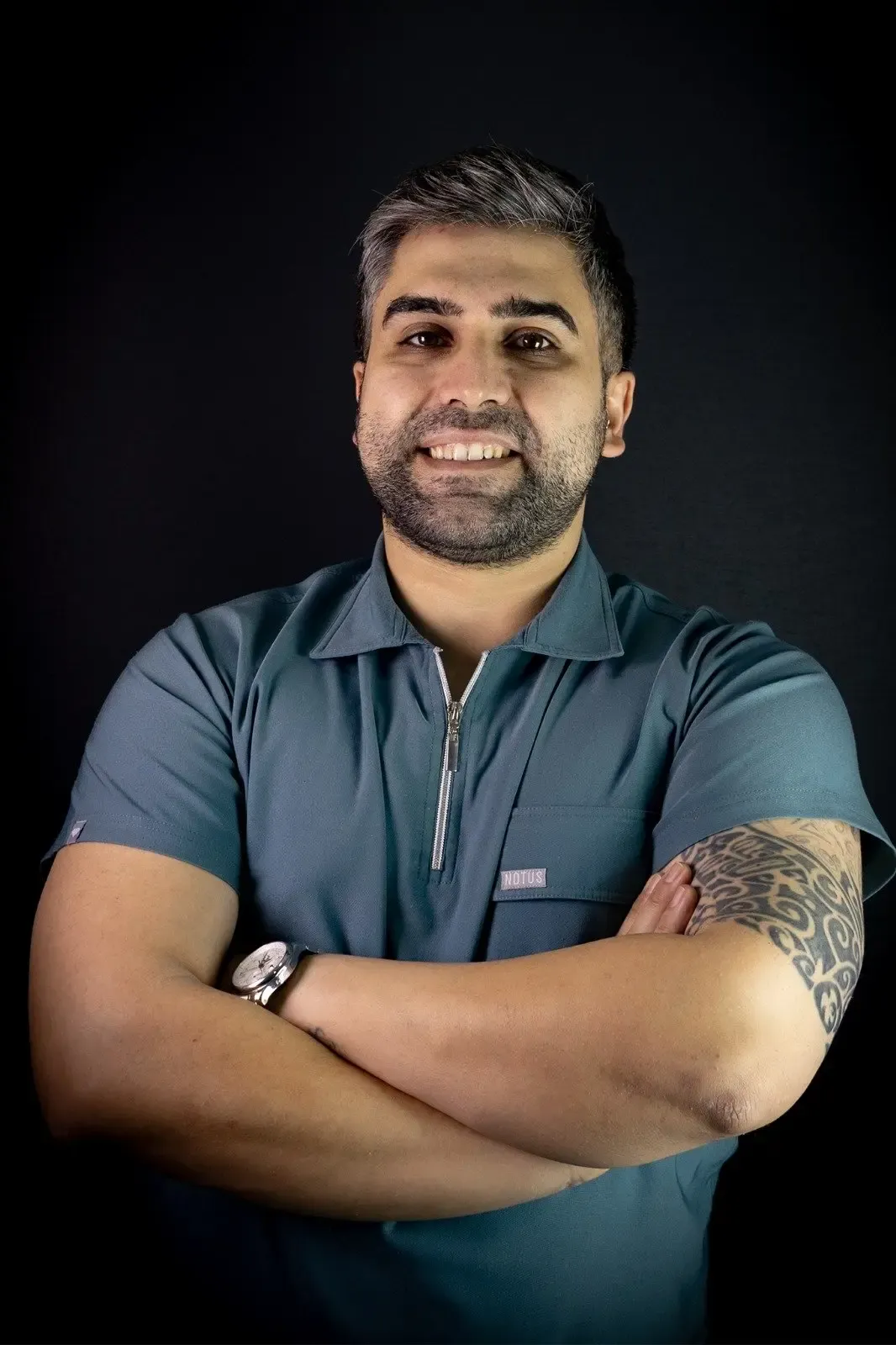
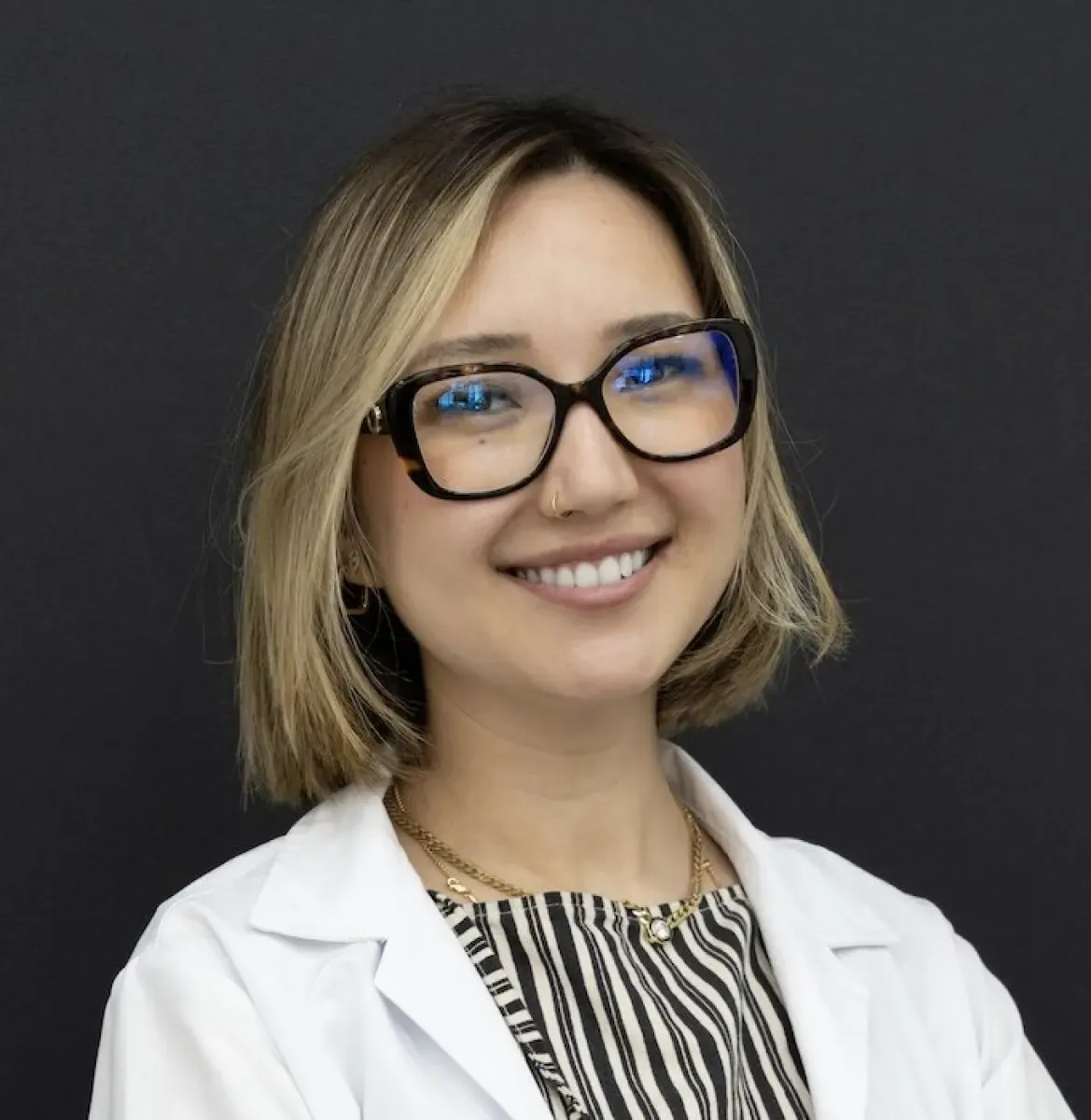
Ask for the clinic's licence details and the full name of the dentist who will operate. A serious clinic answers both without hesitation. At Doctor Turka, implant treatment is carried out by Dr. Taha G and Dr. Hatice G, and your plan says who treats you.
Sterilisation and the treatment room
Infection control is one of the least visible parts of implant surgery and one of the most important. Good practice looks the same in every country:
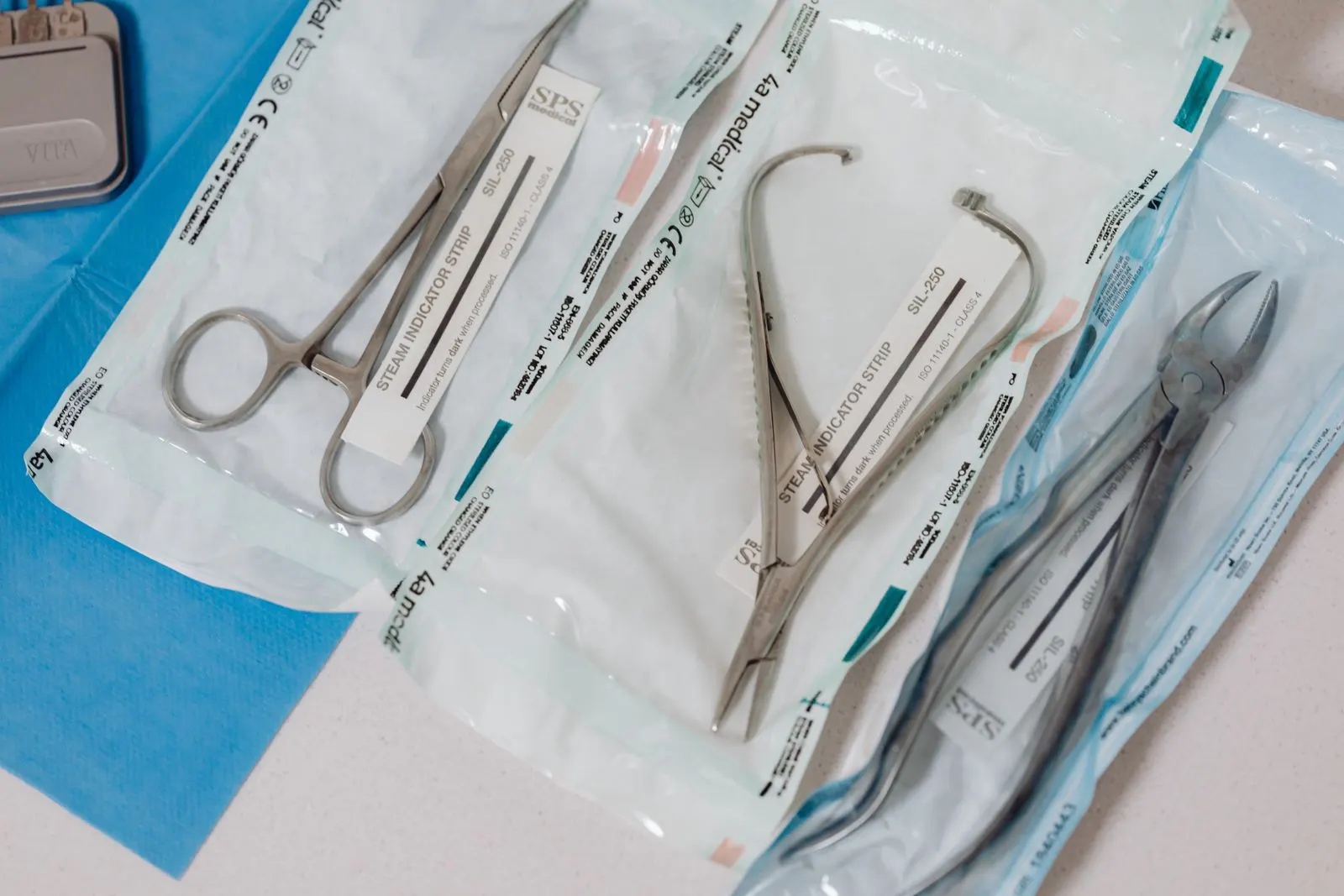
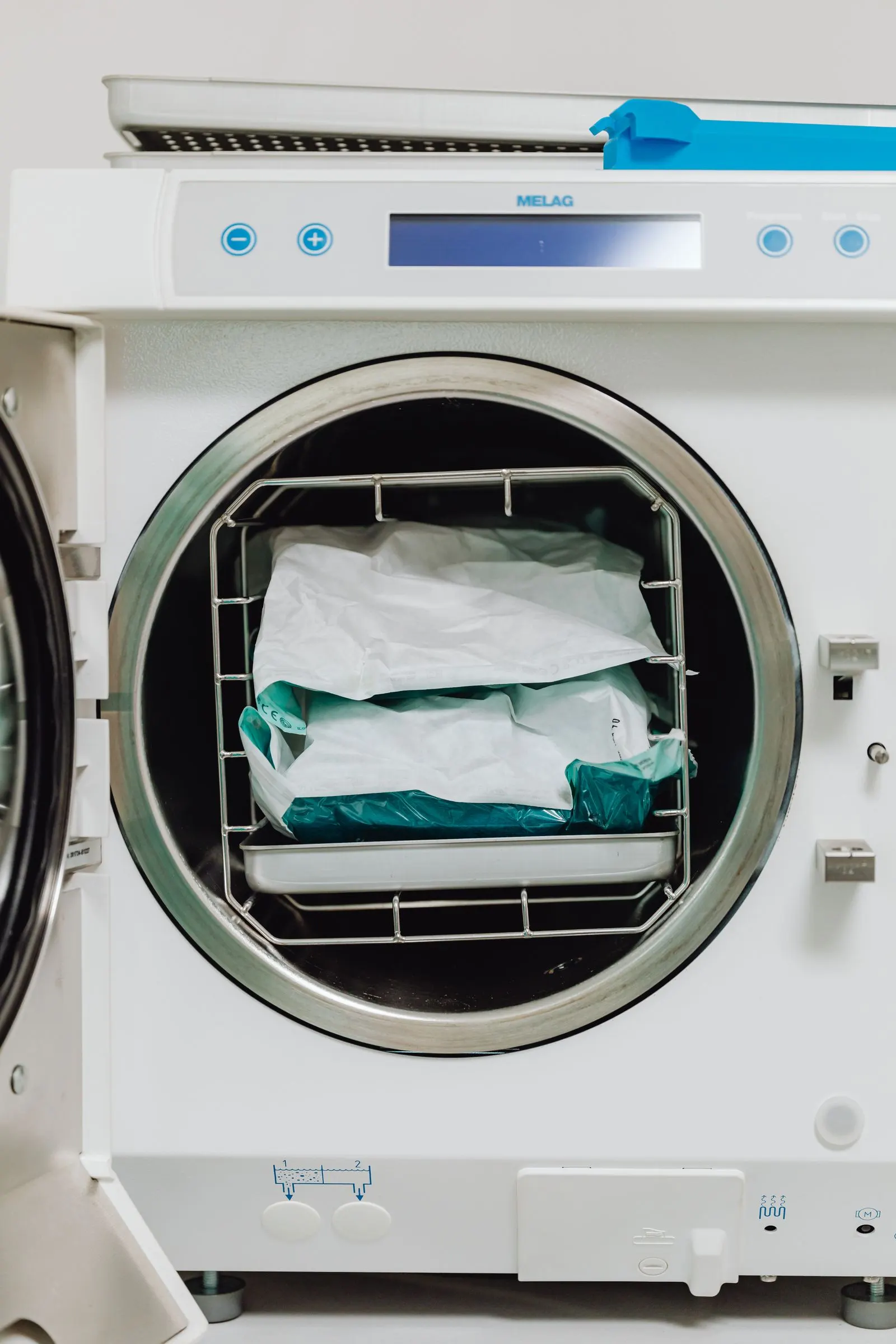
- Instruments cleaned, packed in sealed pouches and sterilised in a Class B (vacuum) autoclave, with the pouch opened in front of you.
- Single-use items such as needles, suction tips, scalpel blades, drapes and irrigation tubing used once and discarded.
- Implants delivered in the manufacturer's sterile packaging and opened at the time of surgery; the label with the lot number goes into your records.
- Surgical drills tracked and replaced according to the manufacturer's guidance, because blunt drills overheat bone, and overheated bone does not integrate well.
- Sterile gloves, drapes and cooled saline irrigation during drilling.
You are entitled to ask about any of this. If the answer is vague, treat that as information.
Implant brands and the implant passport
The screw in your jaw is only one part of an implant. The brand determines how precisely the components fit, how well the surface has been researched and whether a dentist at home can still get parts in ten years. A reputable clinic writes the brand and system in your plan before you travel and gives you an implant passport afterwards.
| Item in your documentation | Why it matters |
|---|---|
| Brand and system | Your dentist at home needs compatible screwdrivers, abutments and parts |
| Diameter and length of each implant | Needed for any repair, new crown or X-ray comparison |
| Position (tooth number) | Links each implant to your X-rays |
| Lot or batch number | Traceability if a manufacturer issues a notice |
| Abutment type and screw torque | Needed to remove, retighten or replace the crown or bridge |
| Dates of placement and loading | Documents how long the implant healed |
| Name of the operating dentist | Accountability and continuity of care |
The systems we use are Aggressor (Turkey), Swiss Implant (Switzerland), Osstem (Korea), Hiossen (USA), Straumann Group Medentika (Germany), Nobel Biocare (Switzerland) and Straumann SL Active (Switzerland), the same brands used across Western Europe. Your plan states which one is proposed for you and why; our guide to dental implants in Turkey explains how the systems differ.
A quote that says "premium implant" or "European implant" without a brand name is a red flag.
Why a 3D CBCT scan is non-negotiable
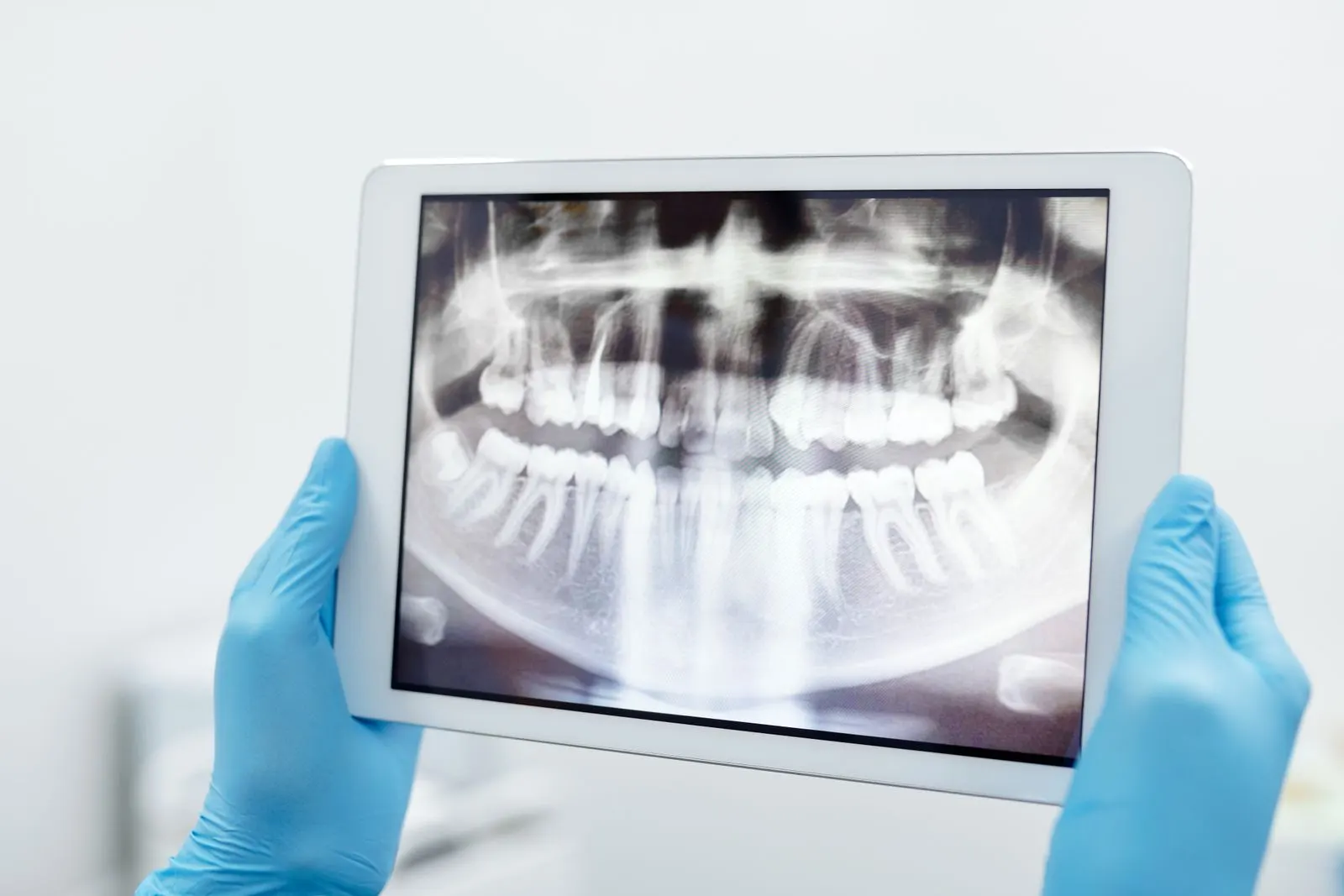
A panoramic X-ray is a flat picture of a curved jaw. It distorts distances and shows nothing about bone width. A cone-beam CT (CBCT) shows the bone in three dimensions: height, width, density, the path of the nerve in the lower jaw, the floor of the sinus and the roots of neighbouring teeth.
Planning on a CBCT lets the dentist choose implant length and angle, decide whether bone grafting or a sinus lift is needed, and in suitable cases use a surgical guide. The most serious complications of implant surgery, such as nerve injury in the lower jaw or perforation of the sinus, are largely planning problems. A clinic that places implants without a 3D scan is taking a risk with your nerve and your money.
What goes wrong with implants, and why
Complications are uncommon but real, and they are the same everywhere. Understanding the mechanisms helps you judge whether a clinic is managing them.
Failed osseointegration
Here the implant never fuses with the bone and becomes loose, usually within weeks to a few months. Studies commonly report early failure in roughly 1–3 % of implants. Causes include overheating the bone during drilling, poor initial stability, infection, smoking and loading a fresh implant with heavy biting forces too early. The usual solution is to remove the implant, let the site heal and place a new one, often with a wider implant or a graft.
Peri-implantitis
This is inflammation of the gum and bone around a healed implant, the implant equivalent of gum disease. Figures vary widely between studies, but a meaningful minority of patients develop some degree of it over ten years. Risk factors are a history of gum disease, smoking, poor cleaning, excess cement left under the gum and bridges that cannot be cleaned underneath. Early signs are bleeding, swelling, a bad taste or pus. Caught early it is often treatable with deep cleaning; advanced cases may need surgery or removal of the implant.
Poor planning and positioning
An implant placed too close to a neighbour, at the wrong angle or too shallow may survive but produce a crown that looks wrong, traps food or loosens again and again. CBCT planning, a surgical guide where helpful and a realistic timeline prevent most of this.
Mechanical problems
Loose screws, chipped porcelain or a cracked temporary bridge. These are usually repairable, provided the dentist knows the brand and components, which is exactly what the implant passport is for.
Nerve and sinus complications
Numbness of the lip or chin if the lower jaw nerve is irritated, or sinus problems if the sinus membrane is torn. Both are rare when the surgeon plans in 3D and respects safety margins.
Who should not have implants yet
Implants are not the right choice for everybody right now. Be cautious, or delay treatment, if you have:
- diabetes that is not well controlled,
- heavy smoking that you are not prepared to reduce around surgery,
- active, untreated gum disease (gum treatment comes first),
- past radiotherapy to the head and neck, or current or past bisphosphonate injections for bone disease or cancer,
- blood thinners that your doctor cannot adjust or manage around surgery,
- a fixed deadline that forces final teeth onto fresh implants within days.
Alternatives include bridges, conventional or implant-supported dentures, or a staged plan that starts with healthy gums. A clinic that never says "not yet" is a red flag.
Safety checklist and red flags
| What to check | Reassuring answer | Red flag |
|---|---|---|
| 3D scan | CBCT before any implant is placed | "A panoramic X-ray is enough" |
| Dentist | Named dentist who examines you and operates | "Our team", no name until you are in the chair |
| Implant brand | Brand and system written in the plan | "Premium implant", no brand given |
| Treatment plan | Written and itemised before surgery, confirmed after the scan | Plan changes on arrival without explanation |
| Timeline | About 3–6 months of healing before final teeth in most cases | Final teeth on fresh implants for everyone in one week |
| Medical history | Questions about medication, diabetes, smoking, gum disease | No medical questionnaire |
| Consent | Risks and alternatives explained, time to decide | Pressure to sign the same day |
| Documents | Implant passport, scans, treatment summary | Nothing to take home |
| Guarantee | Written terms: what is covered and what you must do | Verbal promises or "lifetime" claims |
| Aftercare | Named coordinator you can reach after you fly home | Contact disappears after payment |
For the wider background on bad outcomes, read Turkey teeth explained.
Flying after implant surgery and the risk of DVT
Most patients fly home a few days after surgery. The points below are general information; always follow the instructions your own dentist gives you after your operation, and ask your GP if you have medical conditions.
- Timing. After routine implant placement, flying is usually possible once bleeding has stopped, often after 24–48 hours; a typical plan keeps you in Istanbul for a check before departure anyway. After a sinus lift you may be asked to wait longer and to avoid blowing your nose, because pressure changes affect the sinus.
- Swelling and pain. Swelling usually peaks on days 2–3. Take painkillers and any prescribed medication on schedule rather than waiting until it hurts, and keep them in your hand luggage.
- Deep vein thrombosis. Flights of about four hours or more, sitting still after surgery, dehydration and some medications all add to the risk of blood clots. If you have had a clot before, have a family history of clots, take hormonal medication, are pregnant or have other risk factors, speak to your GP before you travel; they may recommend compression stockings or other measures. Everyone should drink water, avoid alcohol, walk the aisle and flex their ankles regularly.
- Sedation. After IV sedation you should not fly or travel alone on the same day.
Seek urgent medical help if you notice calf pain or swelling, chest pain or sudden breathlessness during or after a flight.
What to do if a problem appears at home
Some things are normal in the first week: moderate swelling, bruising, slight bleeding on the first day and tenderness when chewing. Warning signs that need contact within a day are swelling that increases after day 3, fever, pus or a bad taste, numbness that does not fade, or an implant or temporary bridge that moves.
- Contact your coordinator first and describe the symptom. A photo or a video call helps the dentist judge how urgent it is.
- The dentist reviews your records (CBCT, implant passport, notes) and advises on medication, a local check or a return visit.
- For anything urgent, see a local dentist or emergency service and take your implant passport and treatment summary.
- Keep receipts and notes; the guarantee terms in your plan explain what is covered and how claims work.
A dentist at home is not obliged to take over work done abroad, but most will examine you, and good documentation makes that far easier. Regular check-ups and hygiene visits at home are part of keeping implants healthy wherever they were placed.
How we approach implant safety at Doctor Turka
Every case starts with you leaving your contact details. A patient coordinator who speaks English and German then calls or writes, a dentist assesses your case, and you receive a written, itemised plan. In Istanbul the plan is confirmed on a 3D CBCT scan before anything is placed. You receive the brand of every implant in writing, an implant passport, a written guarantee with its terms explained in your plan, and a coordinator you can reach after you go home.
See how it works for the full sequence and our costs page for starting prices and what the packages include.
Bottom line
Getting dental implants in Turkey is as safe as the clinic you choose and the time you allow. Judge a clinic by its planning, its dentists and its paperwork rather than the lowest figure on a website, allow the bone time to heal, plan your flights sensibly, and know before you travel who you will call if something feels wrong.
Want a personal opinion?
Leave your contact details. Our patient coordinator will contact you to discuss your needs and explain the next steps — free and without obligation.
Discuss my options