 Dr. Taha G
Why is dental work so cheap in Turkey? It is the first question most patients ask, usually with a raised eyebrow. If the implant is from a Swiss manufacturer and the ceramic is E.max from Ivoclar, how can the bill be a fraction of the fee at home? The answer is mostly ordinary economics, which is reassuring. But part of the answer is also why some Turkish dentistry goes wrong, and that part is worth understanding before you book anywhere.
This article explains where the difference comes from, which costs are not lower in Turkey, why some treatments save far more than others and how to tell a fair price from one that is too low to be safe. We do not quote our own prices here; they are on the dental costs page.
Why is dental work so cheap in Turkey? The short answer
A dental fee pays for much more than the few hours you spend in the chair. It covers the dentist's and the team's salaries, the rent and running costs of the practice, the dental laboratory that makes crowns and veneers, materials and implant components, equipment, insurance and regulation, and a profit margin. In Turkey, most of these items cost far less than in the UK, Ireland, Germany, Austria or Switzerland. Only the materials cost roughly the same.
| Cost block | Share of a typical fee | UK/IE vs Turkey |
|---|---|---|
| Dentist and team salaries | large | much lower in Turkey |
| Rent, energy, running costs | medium | much lower in Turkey |
| Dental laboratory | large for crowns, veneers, bridges | much lower in Turkey |
| Implant components and ceramics | medium | about the same |
| Equipment (CBCT, scanners, milling) | medium | similar purchase price, spread over more patients |
| Indemnity, regulation, admin | small to medium | generally lower in Turkey |
The table shows why the saving is not uniform. Treatments with a large lab and labour share save the most; treatments that are mainly material save the least.
1. Labour costs
Dentistry is labour-intensive. A crown involves the dentist, a dental nurse, a receptionist, a sterilisation assistant and a lab technician, and every one of them is paid far less in Turkey than in London, Dublin or Munich. General wage levels in Turkey are a fraction of Western European ones, and dental salaries follow the same pattern. Labour is one of the largest cost blocks in any practice, so this alone explains a large part of the gap.
Lower wages do not mean lower training. Dentistry in Turkey is a five-year university degree, and many dentists working with international patients have postgraduate training. What matters for you is who treats you, not the national wage level, which is why you should always ask for the name of your dentist.
2. Rent and running costs
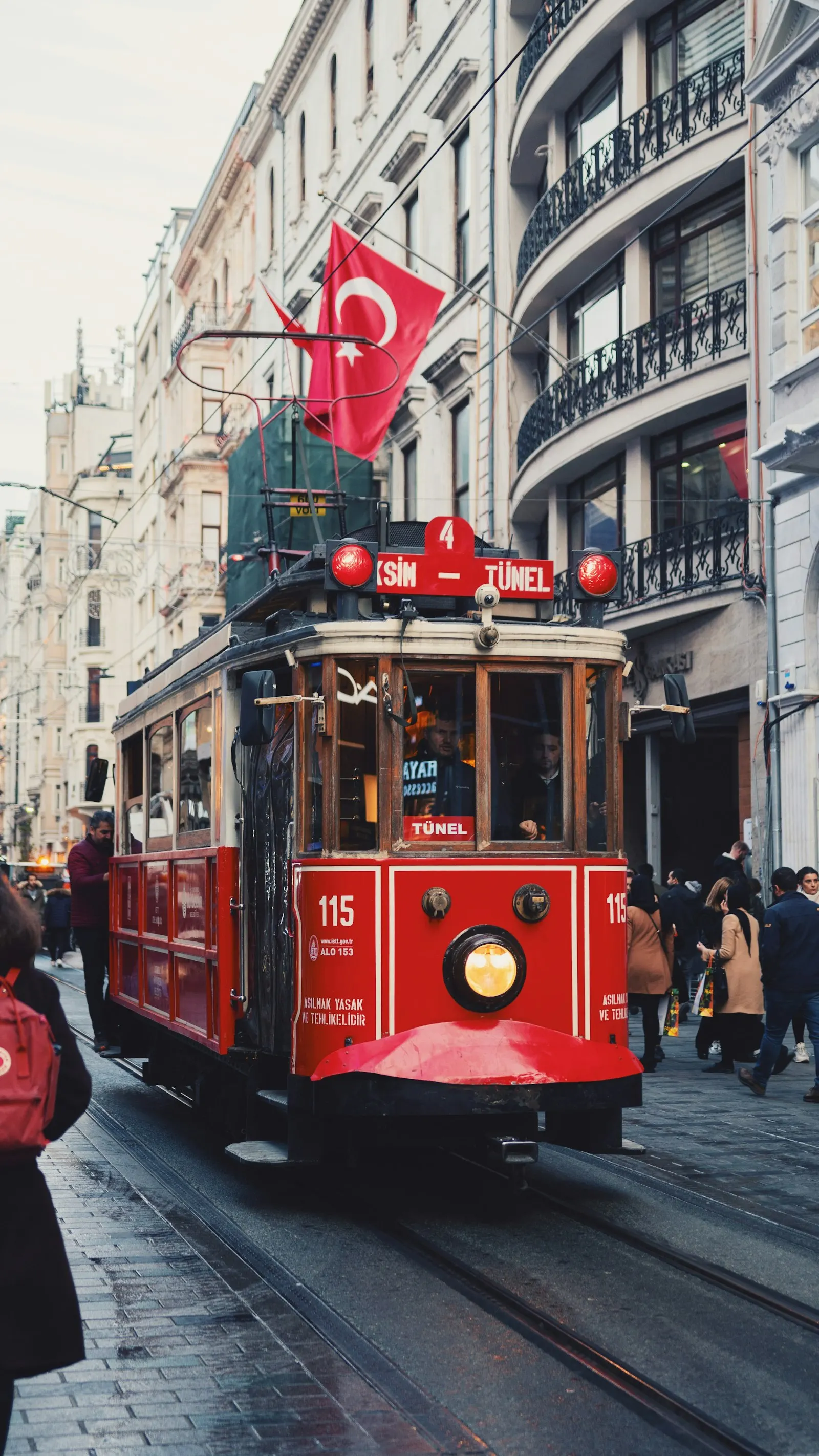
A modern clinic in Istanbul pays a small fraction of the rent of a Harley Street or central Dublin practice of the same size. Utilities, cleaning, maintenance and administration follow the same pattern. These costs are fixed per month, so a clinic that treats many patients spreads them thinly across each case.
3. Dental laboratory work
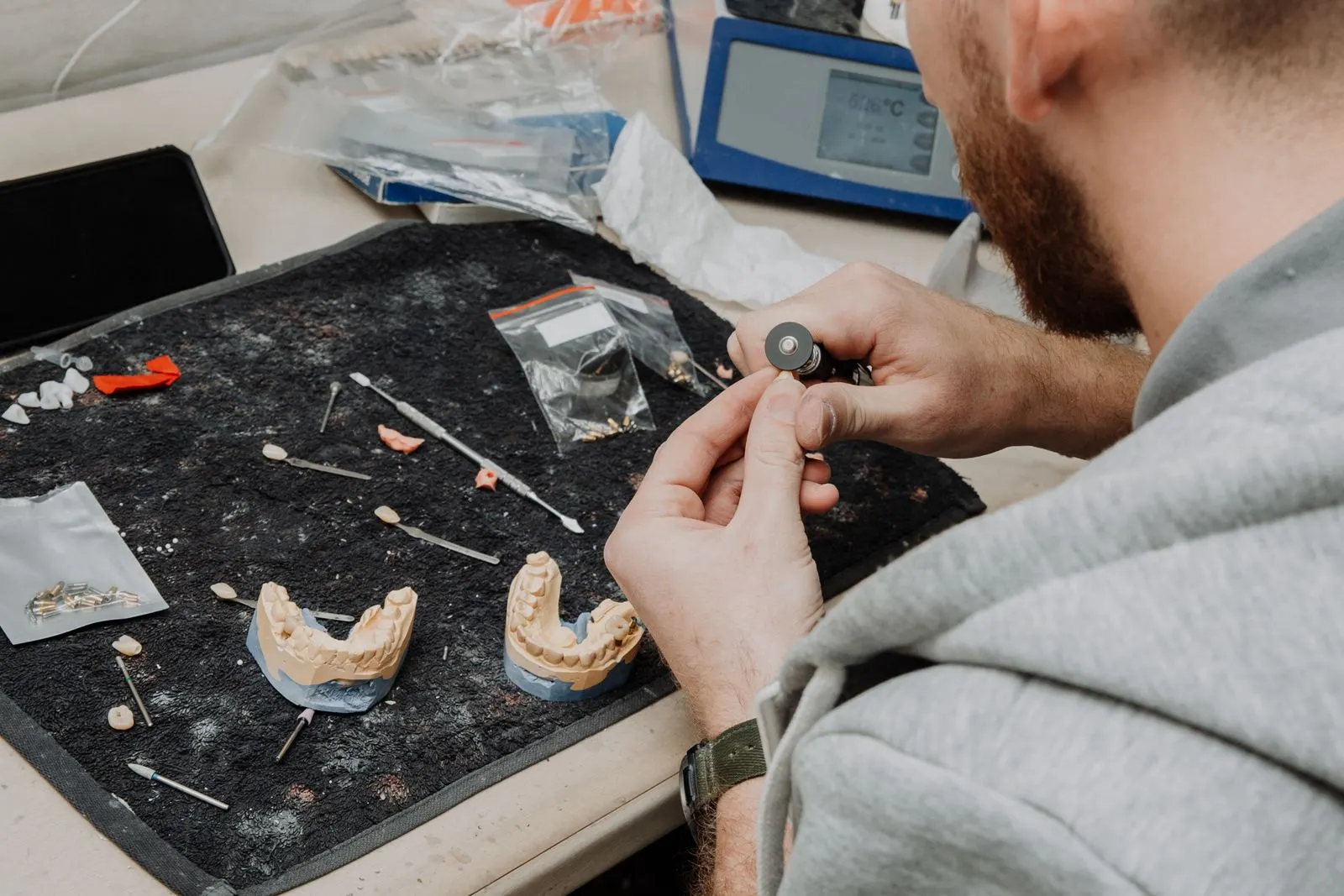
This is the factor most patients underestimate. Crowns, veneers, bridges and full-arch prostheses are designed and made by dental technicians. In the UK and Germany, the lab fee for a single high-quality ceramic crown is commonly quoted in the low hundreds of pounds or euros before the dentist adds anything. In Turkey, the technician's time costs much less, and digital workflows (intraoral scanners, CAD/CAM design and milling) make each unit faster.
That is why lab-heavy treatments such as veneers, a Hollywood smile or an All-on-4 bridge show the largest percentage saving, while a filling or a whitening session shows very little. Our guide to dentist in Turkey prices ranks treatments by their lab share.

4. Currency and inflation
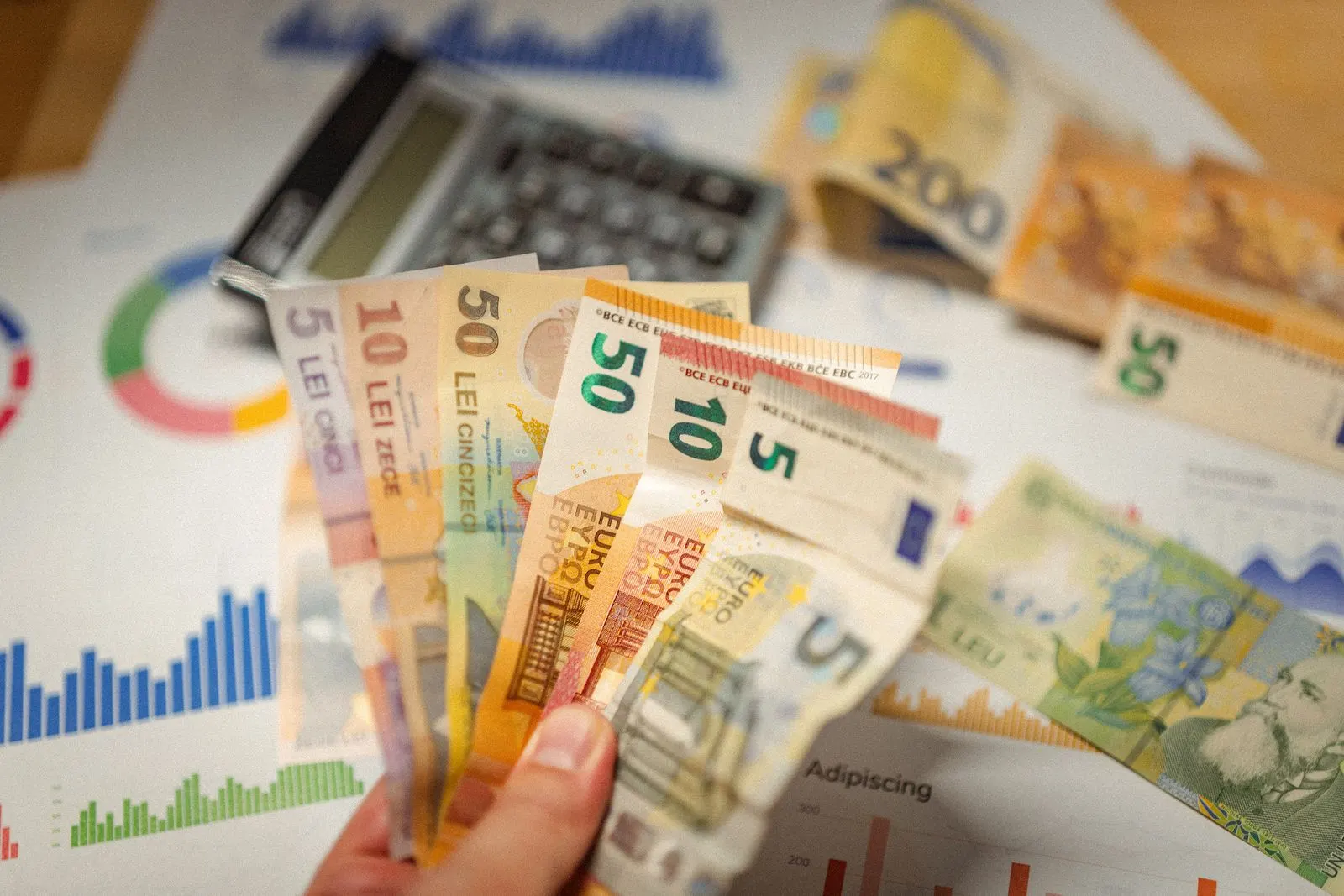
Clinics serving international patients usually quote in euros or pounds, while most of their costs (salaries, rent, local lab work) are paid in Turkish lira. The lira has lost a great deal of value against the euro and the pound in recent years, which has made treatment cheaper for visitors.
The picture is more nuanced than "weak lira equals cheap dentistry". Turkey has also had high inflation, which pushes up local salaries and rents in lira. Clinics adjust their euro and pound prices from time to time as a result. The currency effect is real, but it is one factor among several, not the whole explanation, and it can shift from year to year.
5. Volume and specialisation
Clinics focused on international patients often carry out a large number of implant and veneer cases. High volume lowers the cost per case: expensive equipment such as a CBCT scanner or a milling unit is used every day rather than occasionally, and materials are bought in larger quantities.
Volume can also build routine, which is a quality advantage when the clinic is well organised and each patient still gets enough time. The risk is the opposite: a clinic that compresses too many cases into too few days. The number of patients a clinic treats is less important than the time planned for yours.
6. Health-tourism policy and VAT
Turkey actively promotes health tourism. Under Turkish rules, clinics authorised to serve international patients can generally sell treatment to foreign patients without charging VAT, subject to conditions; Turkey's standard VAT rate is 20 %. The state also supports the sector through promotion programmes and the HealthTürkiye platform. Rules change, so treat this as a general description rather than tax advice, but it is one reason prices for international patients are structured the way they are. This is deliberate policy, not a grey market.
7. Regulation, insurance and administration
Practices in the UK, Ireland and the German-speaking countries carry significant costs for professional indemnity, regulatory registration and inspection, and billing to insurers. These costs are generally lower in Turkey. Lower overheads are not necessarily lower standards, but they do mean that you, as a patient, should check the things a regulator would check at home: sterilisation, written consent, records and a clear route for complaints and repairs.
Why the UK comparison is with private fees
In the UK, NHS dentistry charges fixed bands for clinically necessary treatment, but it does not provide cosmetic veneers or bonding, and implants only in exceptional cases. Access to NHS appointments is also limited in many areas. So the realistic comparison for most people considering Turkey is a private fee, which carries every overhead described above. In Ireland, the medical card and PRSI dental schemes cover only basic care. That is why the gap between a UK or Irish private quote and a Turkish quote is widest for exactly the treatments that bring people to Istanbul.
What is not cheaper in Turkey
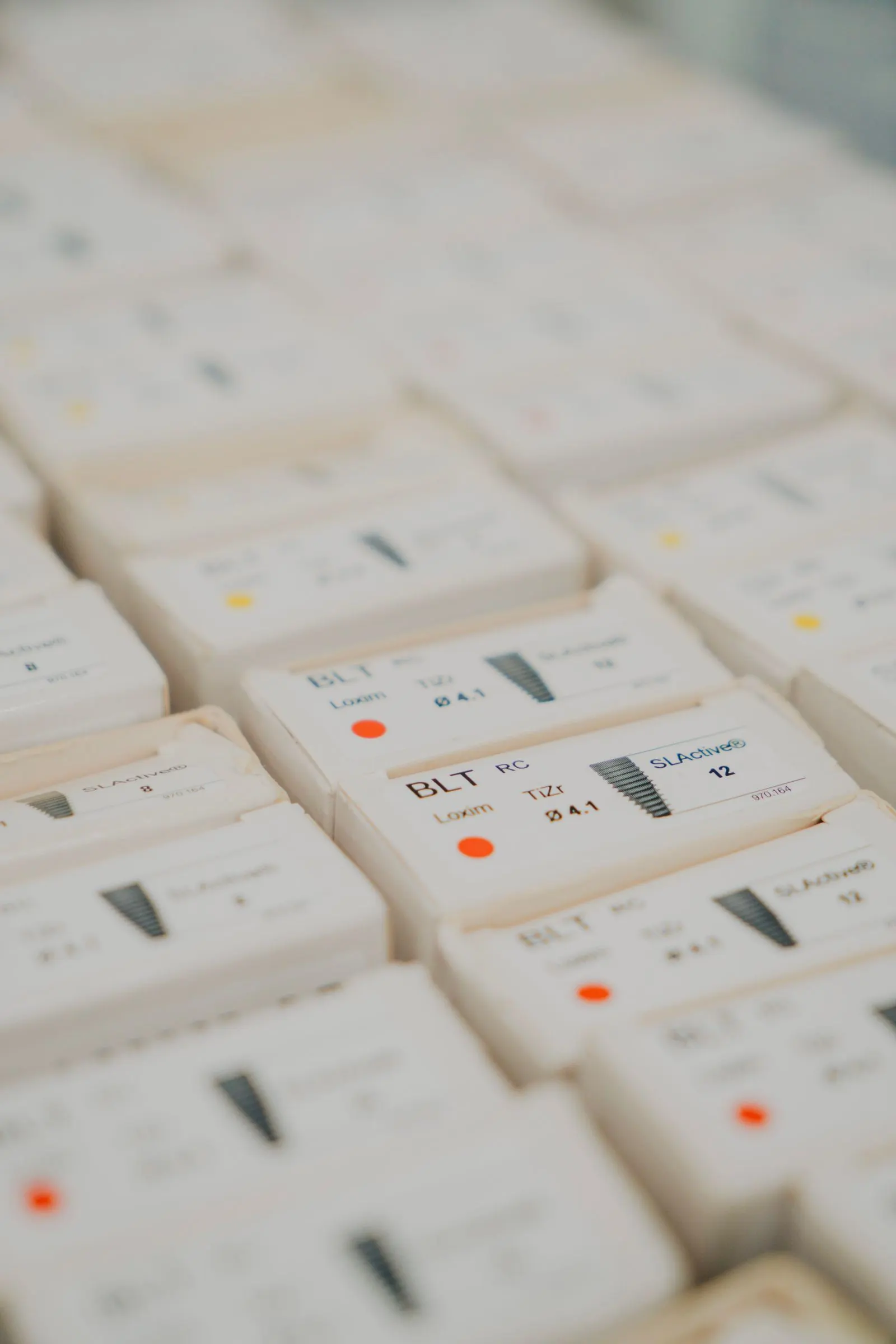
- Implant systems. Straumann, Nobel Biocare, Swiss Implant, Medentika, Osstem and Hiossen cost the clinic broadly similar amounts wherever it is. Turkish systems such as Aggressor are established brands with their own price level. If a quote is far below everyone else's, ask which implant system it uses.
- Ceramics. E.max ingots from Ivoclar and quality zirconia blocks are sold internationally at similar prices.
- Equipment. CBCT scanners, intraoral scanners and milling machines are imported and cost the same or more.
- Your time and travel. Flights, time off work and a second trip for implants are real costs.
- Aftercare at a distance. Follow-up needs planning: a named contact, clear guarantee terms and a local dentist for routine check-ups.
At Doctor Turka the implant systems and ceramics are the same brands used in Western Europe; your written plan names which one is used for each tooth. See dental implants and veneers for the options.
Why veneers and implants in particular are cheaper
Why are veneers cheaper in Turkey?
Veneers are almost all labour and laboratory: planning, preparation, the technician's layering or pressing, and careful bonding. Both are much cheaper in Turkey, and the ceramic itself is a small part of the price. That is why veneers show one of the largest relative savings.
Why are dental implants so cheap in Turkey?
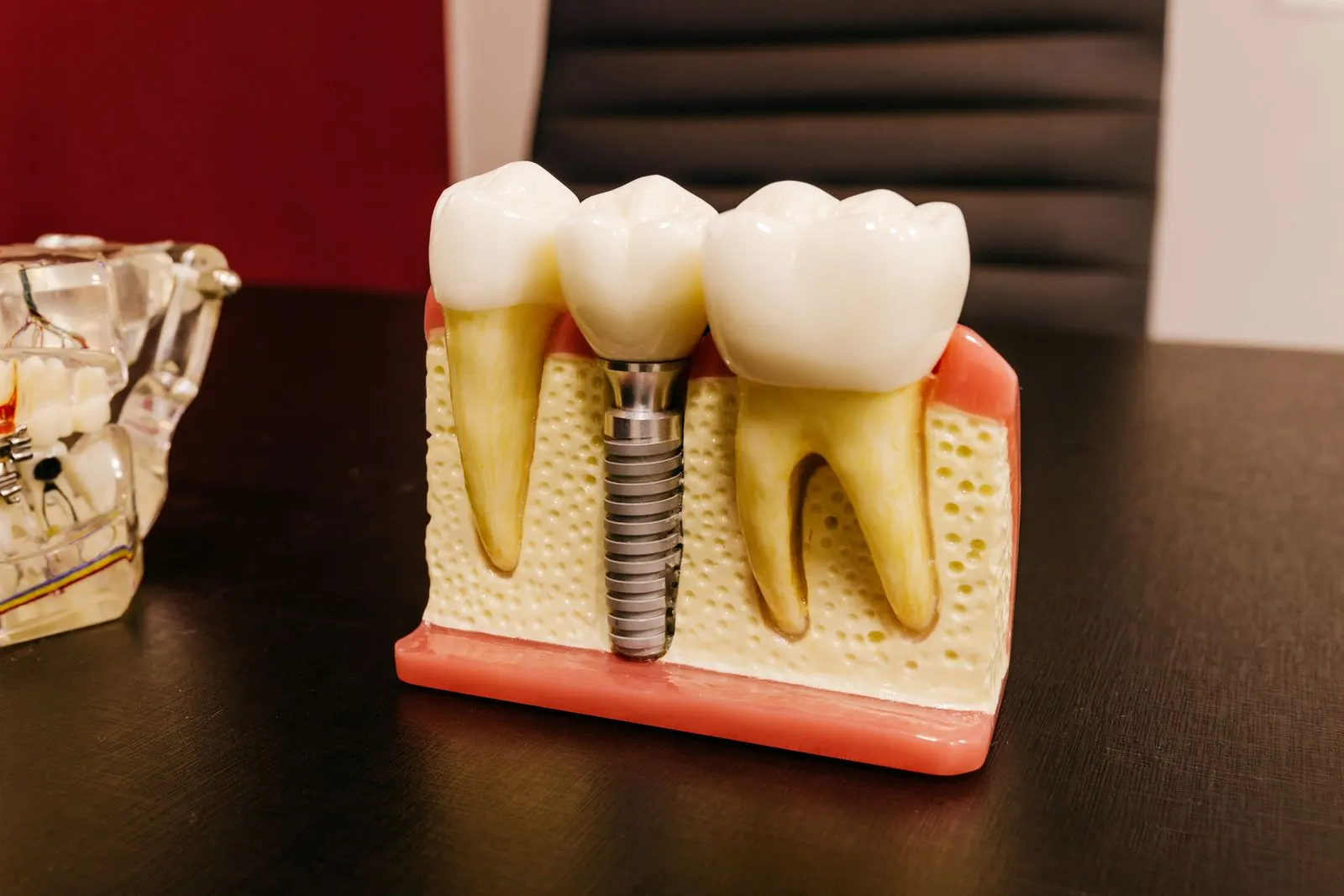
The implant post and abutment cost roughly the same, so the saving comes from surgical time, the crown made in the lab, the team and the premises. Full-arch treatments such as All-on-4 combine several implants with a large lab-made bridge, so the saving there is largest of all.
Cheap versus too cheap
A fair Turkish price for a lab-heavy treatment is well below UK and Irish private fees for the same materials. When a quote is dramatically lower than other Turkish clinics, the difference has to come from somewhere. Common sources:
- A budget implant system or unbranded ceramics
- Crowns instead of veneers, because crowns tolerate faster, less precise work
- The whole case compressed into two or three days
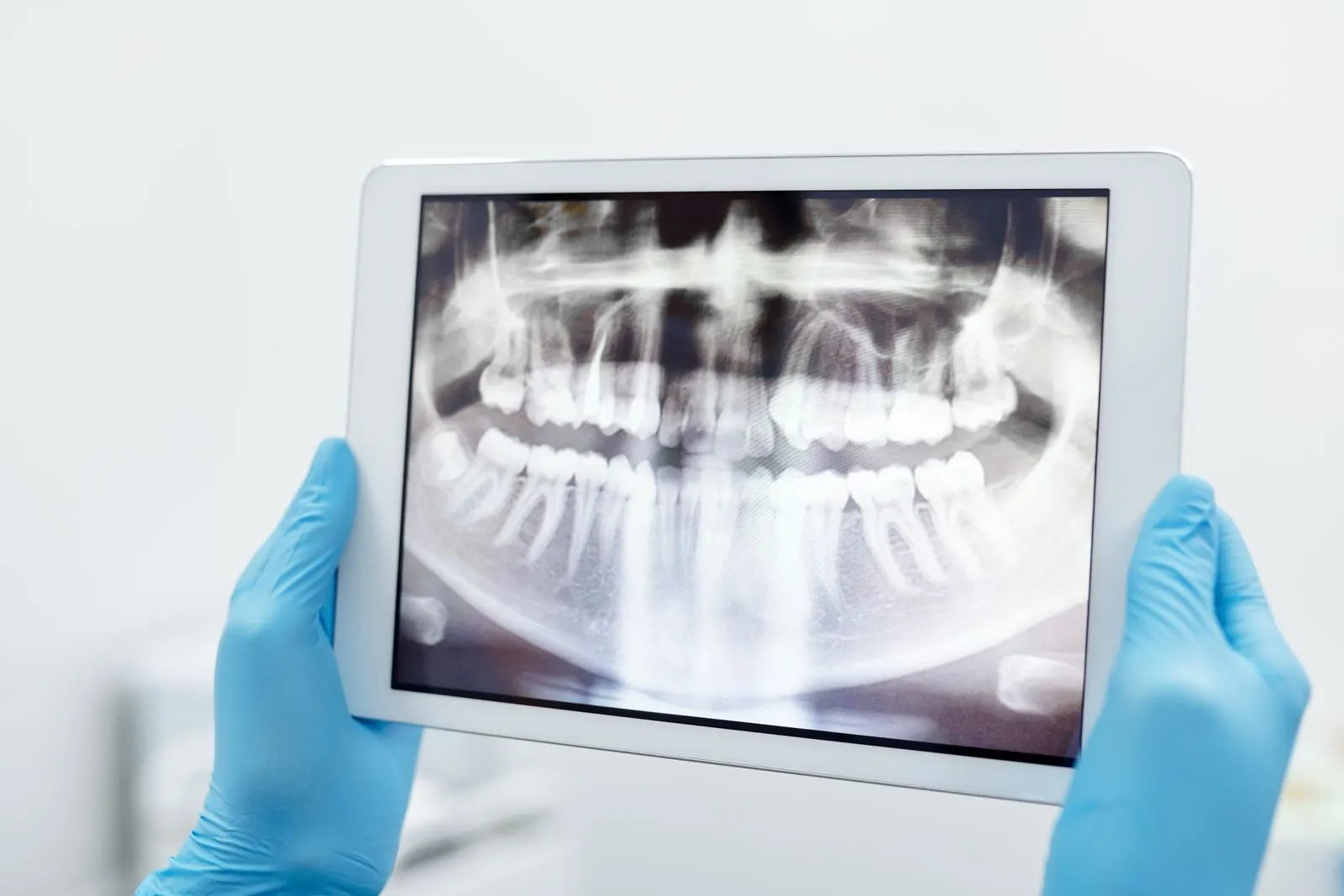
- No CBCT scan before implants
- A dentist who is not named, or who changes from day to day
- Extras added after arrival: extractions, grafts, temporaries, "premium" upgrades
- A guarantee with no written terms
Our article on Turkey teeth and how to avoid it shows what these shortcuts look like years later.
How to use this when comparing quotes
- Compare like with like: the same number of units, the same material and brand, the same inclusions.
- Ask where the saving comes from. A good clinic can explain it in terms of the factors above.
- Check that the saving on lab-heavy treatment is large, and that the quote for chairside treatment is only moderately lower. If both are extremely low, ask more questions.
- Add travel, time off and follow-up to the Turkish total before deciding.
- Ask for everything in writing: brands, dentist's name, guarantee terms.
Leave your contact details and our patient coordinator will call or write to you. A dentist then assesses your case and you receive a written, itemised plan and quote; the steps are set out under how it works.
Want a personal opinion?
Leave your contact details. Our patient coordinator will contact you to discuss your needs and explain the next steps, free and without obligation.
Discuss my options