Root canal treatment in Turkey: save the tooth you have
When the nerve inside a tooth is inflamed or infected, a careful root canal removes the cause of the pain and keeps your natural tooth. In Istanbul it is usually done as part of a wider plan with a crown.
- Keeps your natural tooth and root
- Rotary instruments, apex locator and rubber dam
- Usually finished, with crown, within one trip
“I was really nervous at first, but the dentists were honestly lovely.”Serra · Trustpilot
 and
 Read reviews
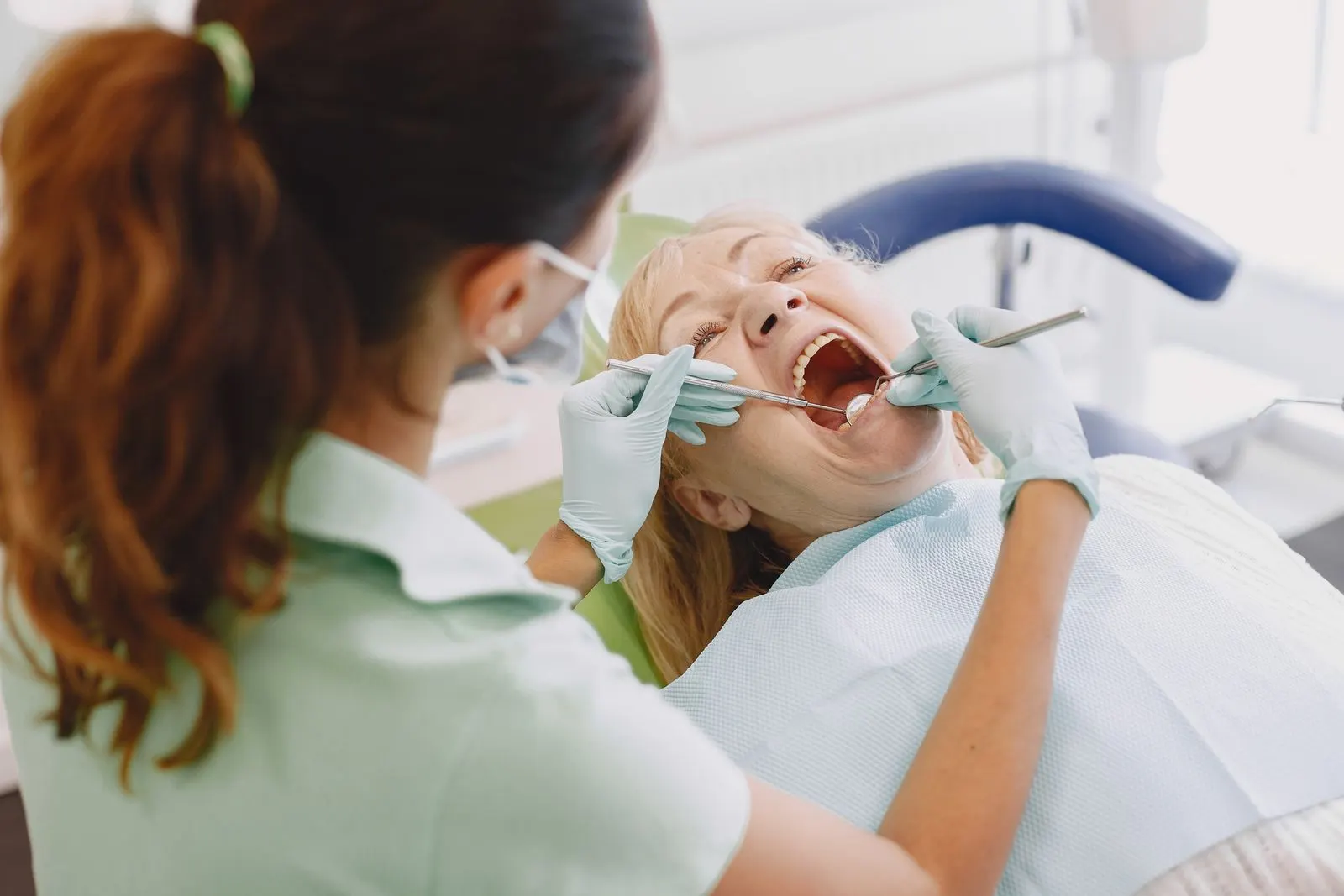
Root canal treatment in Turkey: what you need to know
Root canal treatment in Turkey saves a damaged tooth with modern rotary files and a rubber dam, usually followed by a crown to protect it.
Root canal treatment in Turkey is rarely a trip on its own. Most of our patients from the UK, Ireland, Germany, Austria and Switzerland find out that one or two teeth need it when they come for crowns, a bridge, veneers or implants, and the 3D CBCT scan in our Istanbul clinic shows an inflamed nerve or an old infection at the tip of a root.
Inside every tooth is the pulp: nerves and blood vessels running through narrow canals in the root. Deep decay, a crack, a knock to the tooth or several large fillings over the years can inflame or infect it. The result can be a throbbing toothache, lingering sensitivity to heat, a swelling on the gum, or no symptoms at all.
A root canal removes the damaged pulp, cleans and disinfects the canal system and seals it tightly. The tooth stays in your mouth with its own root, bone and gum around it, which is usually the best foundation you can have. For most people the procedure feels like a long filling under local anaesthetic.
Because a root-filled back tooth becomes more brittle, it normally needs a crown or onlay afterwards. In Istanbul both steps usually fit into one stay of around five to seven days, alongside any other treatment in your plan. You start by leaving your contact details; your coordinator calls you, a dentist reviews your case, and you receive a written, itemised plan before you travel.
As featured on AP News, Google News and 36 TV news websites































Root canal treatment before and after
Every smile is different. Ask us for cases similar to yours.
Real before & after photos, on request
We'll send you Root Canal cases of patients with a similar starting point on WhatsApp (shared with their consent).
Root canal treatment in Turkey: patient reviews
Verified review“I had my implants and zirconia crowns done here and I’m sooo happy with my new teeth!! 🥹 I was really nervous at first, but the dentists were honestly lovely. They explained everything and made me feel so comfortable. Everyone looked after me from start to finish, and my teeth look so natural. I can’t stop smiling now haha. Thank you all so much!! 🤍🦷”
Dental Implants · Trustpilot
Verified review“I had my zirconium crowns done a couple of weeks ago and thought I'd share my experience because I know how difficult it can be to decide where to go. I spent ages looking at different clinics and reading reviews before finally booking. I was a bit nervous when I arrived, mainly because I wasn't sure how my teeth would look afterwards. I really didn't want them to be too white or have that obvious fake look. The dentist was lovely and we talked about the colour and shape before starting, which made me feel a lot better. The first few days were a little uncomfortable, especially with the temporary teeth, but nothing I couldn't manage. I actually asked to change the shape of my front teeth slightly during the fitting and they were completely fine with it. I'm so glad I did because the final result is exactly what I had in mind. I've been home for a little while now and everything feels good. My friends keep saying I look different but they can't quite figure out why 😂 I think that's probably the nicest compliment I could get because I wanted them to look natural. Also have to mention how helpful everyone was during my stay. I had a few questions along the way and always felt comfortable asking. Really happy with how everything turned out and glad I finally went ahead with it ❤️”
Zirconia crowns · Trustpilot
Verified review“I had zirconia crowns fitted at Doctor Turka and I am very happy with my new smile. I wanted a result that suited me, so it mattered that the team listened to what I liked and what I was unsure about. They took my questions seriously and explained the treatment without making me feel rushed. The staff were friendly throughout my appointments, which made the whole experience easier. What I appreciate most is feeling comfortable smiling again. Thank you to everyone involved in my care.”
Zirconia crowns · Trustpilot
Our patients tell their story
Real treatments at our clinic in Istanbul, filmed with the patients' consent. Ask us for cases similar to your Root Canal case.
Who will treat you

Dr. Taha G
Plans and carries out treatment for Doctor Turka patients at our clinic in Istanbul.

Dr. Hatice G
Treats Doctor Turka patients at our clinic in Istanbul, with a focus on aesthetic and restorative dentistry.
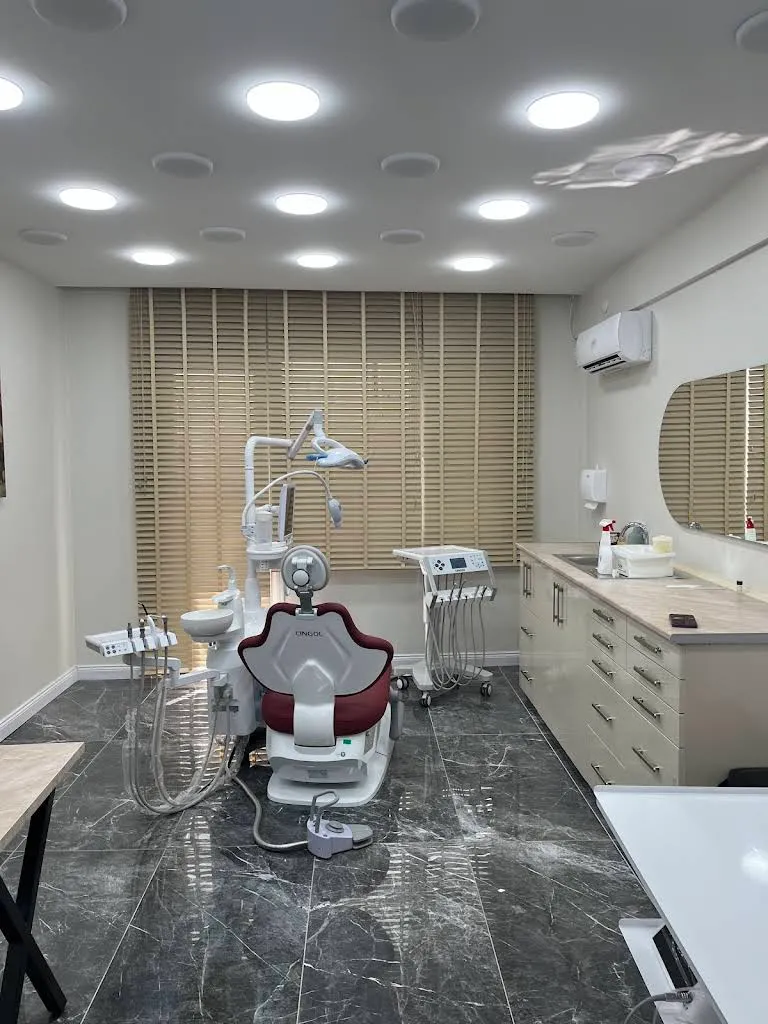
Where you are treated
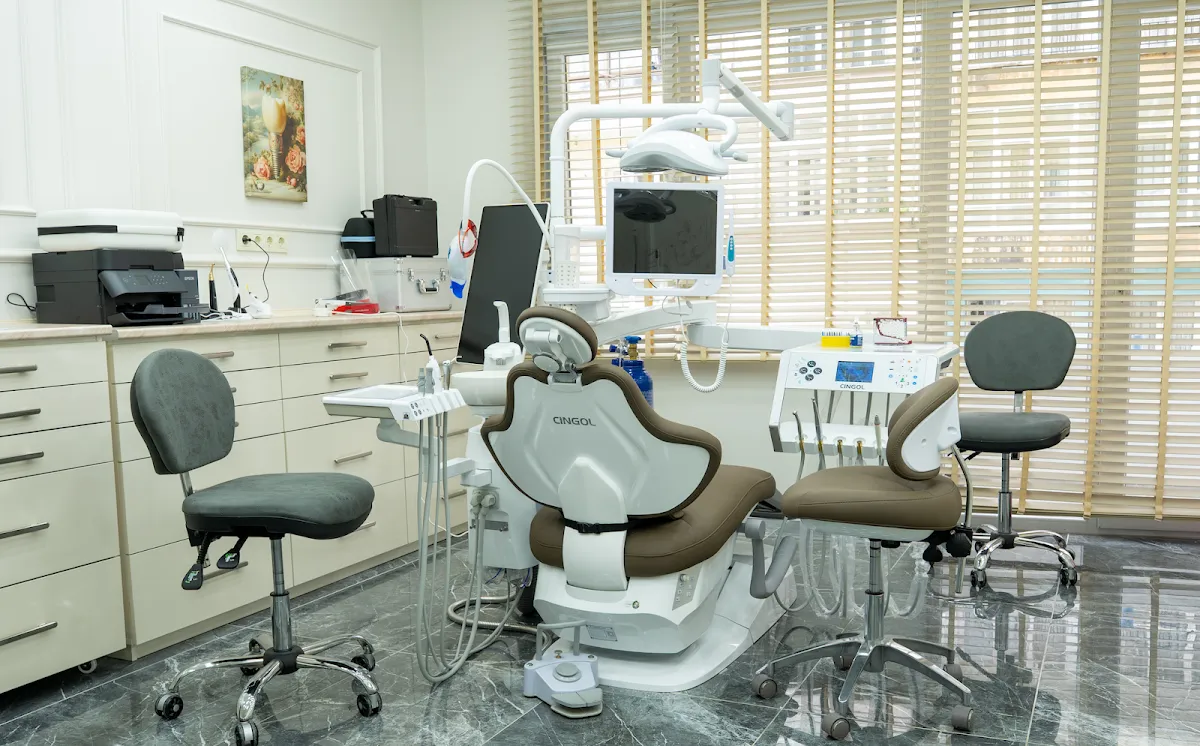
Our own treatment rooms in Istanbul, the same dentists plan and treat.
Learn more Replies within 15 minutes · 7 days a weekQuestions about Root canal treatment? Talk to our team.
Our patient coordinator takes your questions; medical questions are answered by Dr. Taha G and the team: whether Root Canal suits you, how long it takes and what the alternatives are.
- Medical questions answered by a dentist
- Your contact details are enough to start
- Free and without obligation
Types of Root canal treatment
Which option suits you is decided together with your dentist, based on your examination, not a catalogue.
Single-visit root canal
For a tooth with an inflamed but not infected nerve and accessible canals. Cleaning, shaping and filling are done in one appointment of around 60-90 minutes.
Two-visit root canal
For infected teeth, swelling or abscesses. A calcium hydroxide dressing stays in the canals for a few days before the final filling, which fits easily into one trip.
Root canal re-treatment
An old root filling that leaks or missed a canal is removed, the canals are cleaned again and resealed. It takes longer and needs a realistic prognosis first.
Apicoectomy (root-end surgery)
If an infection persists at the root tip despite a good root filling, the tip is removed through the gum and sealed from below. Decided case by case.
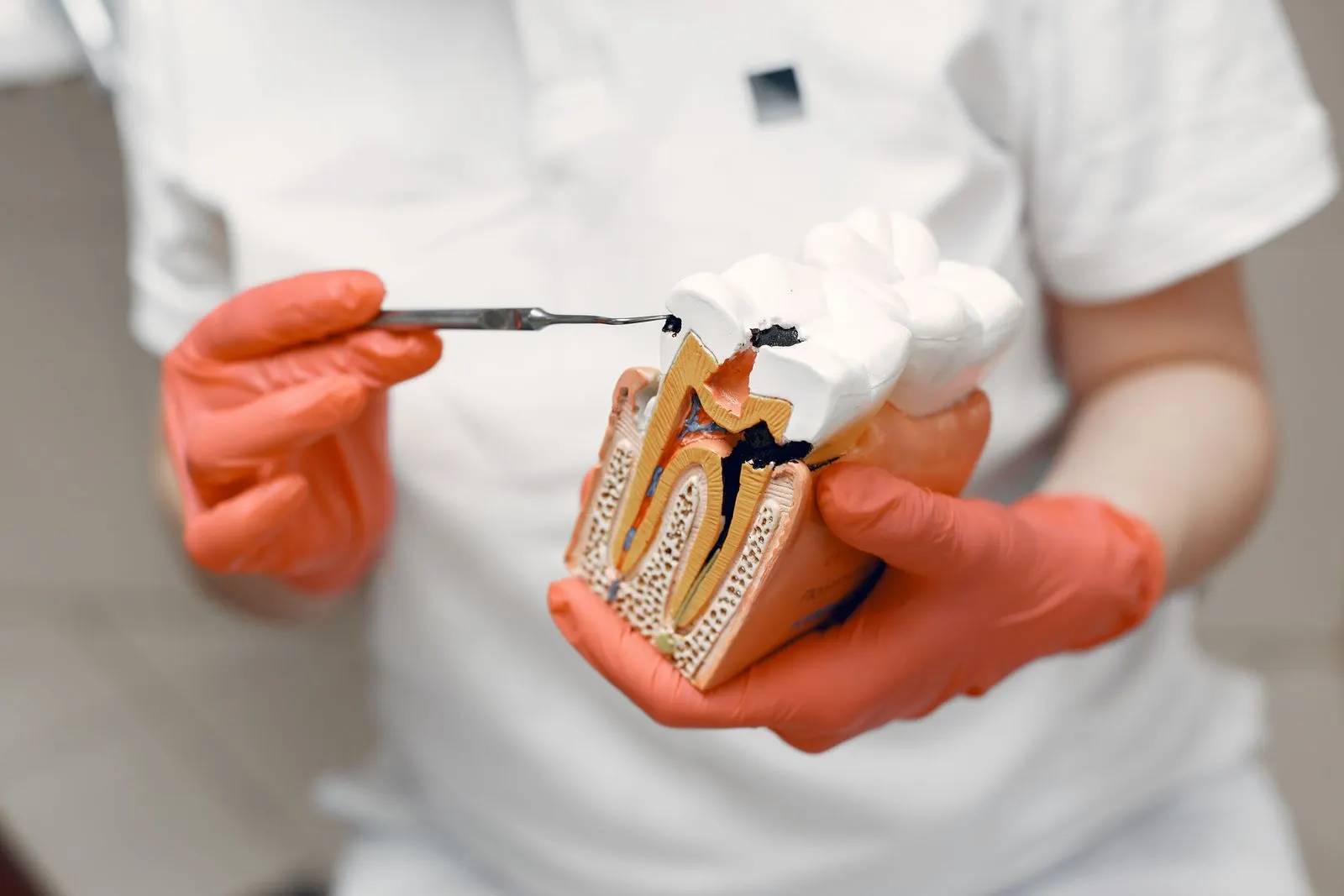
Explained step by step
Your dentist explains how the tooth and the treatment work, so you know what to expect at every appointment.
Root canal treatment procedure step by step
Before you travel, you know what happens on which day.
Full examination, CBCT scan and cold, bite and tapping tests to find which teeth are affected and why. You receive your final written plan the same day.
Under local anaesthetic and a rubber dam the tooth is opened, the canals are located and measured with an apex locator, then shaped with rotary files and rinsed with disinfectant.
Uncomplicated cases are filled in the same appointment. Infected teeth may get a medicated dressing and are sealed a few days later.
A core is built up inside the tooth, the tooth is prepared and scanned, and a temporary crown is fitted.
The zirconia or E.max crown is tried in, adjusted and cemented. A control X-ray confirms the root filling before you fly home.
What shapes your personal plan
- Which tooth: a front tooth usually has one canal, a molar three or four
- First treatment or re-treatment of an old root filling
- Infection needing a medicated dressing and a second appointment
- Difficult anatomy: curved, narrow or calcified canals
- Core build-up, and whether a post is needed
- The restoration afterwards: filling, onlay or a zirconia or E.max crown
- Other treatment in the same trip, which shares travel and package costs
Root canal treatment: recovery & aftercare
What to expect in the days and weeks after treatment, and what you can do yourself.
- 01Days 1-3
Tenderness when biting is normal as the tissue around the root settles. Ibuprofen or paracetamol as advised usually controls it. Chew on the other side.
- 02Until the crown is fitted
The temporary filling or crown is not built for hard food. Avoid nuts, hard bread crusts and sticky sweets on that side.
- 03First weeks at home
Brush and clean between the teeth as normal. Contact your coordinator if pain increases after day three, swelling appears or the crown feels high.
- 046-12 months later
A follow-up X-ray with your dentist at home shows whether any lesion at the root tip is healing. We are happy to review it with you.
- 05Long term
Regular check-ups and cleaning. A root-filled tooth has no nerve to warn you of new decay, so hygiene around the crown margin matters.
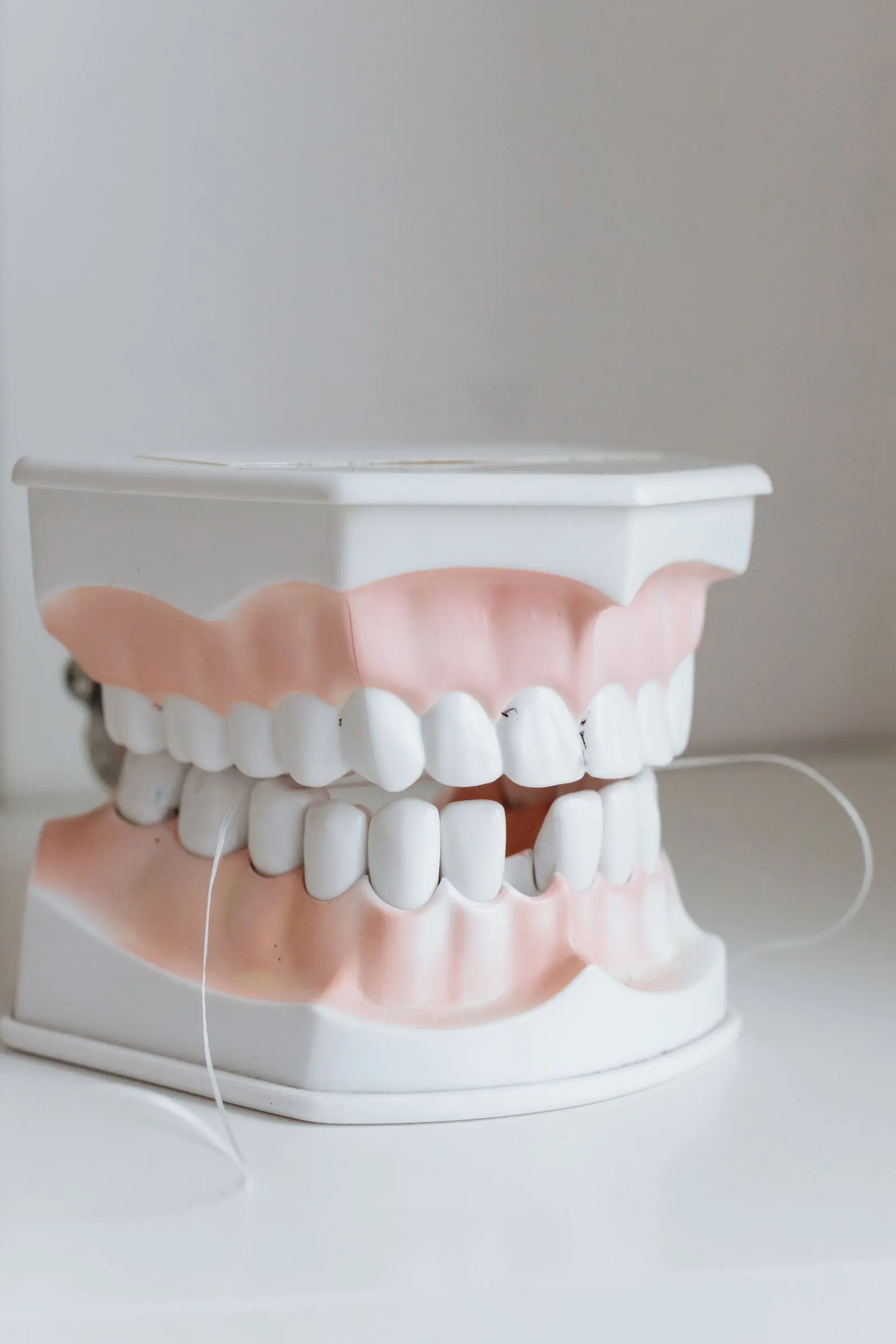
Daily care at home
Good cleaning and regular check-ups keep the result healthy for years, you receive written care instructions.
Benefits of Root canal treatment
Keeps your own tooth
Your natural root, bone and gum stay in place, which is usually the best long-term foundation for chewing and appearance.
Removes the cause of pain
Taking out the inflamed pulp treats the source of the toothache, not just the symptom.
Stops infection spreading
Cleaning the canals protects the surrounding bone and helps a lesion at the root tip heal.
Fits into one trip
Root canal, core build-up and crown can usually be completed within five to seven days in Istanbul.
Safer base for crowns and bridges
Treating a doubtful nerve before a crown or bridge is fitted avoids having to drill through new work later.
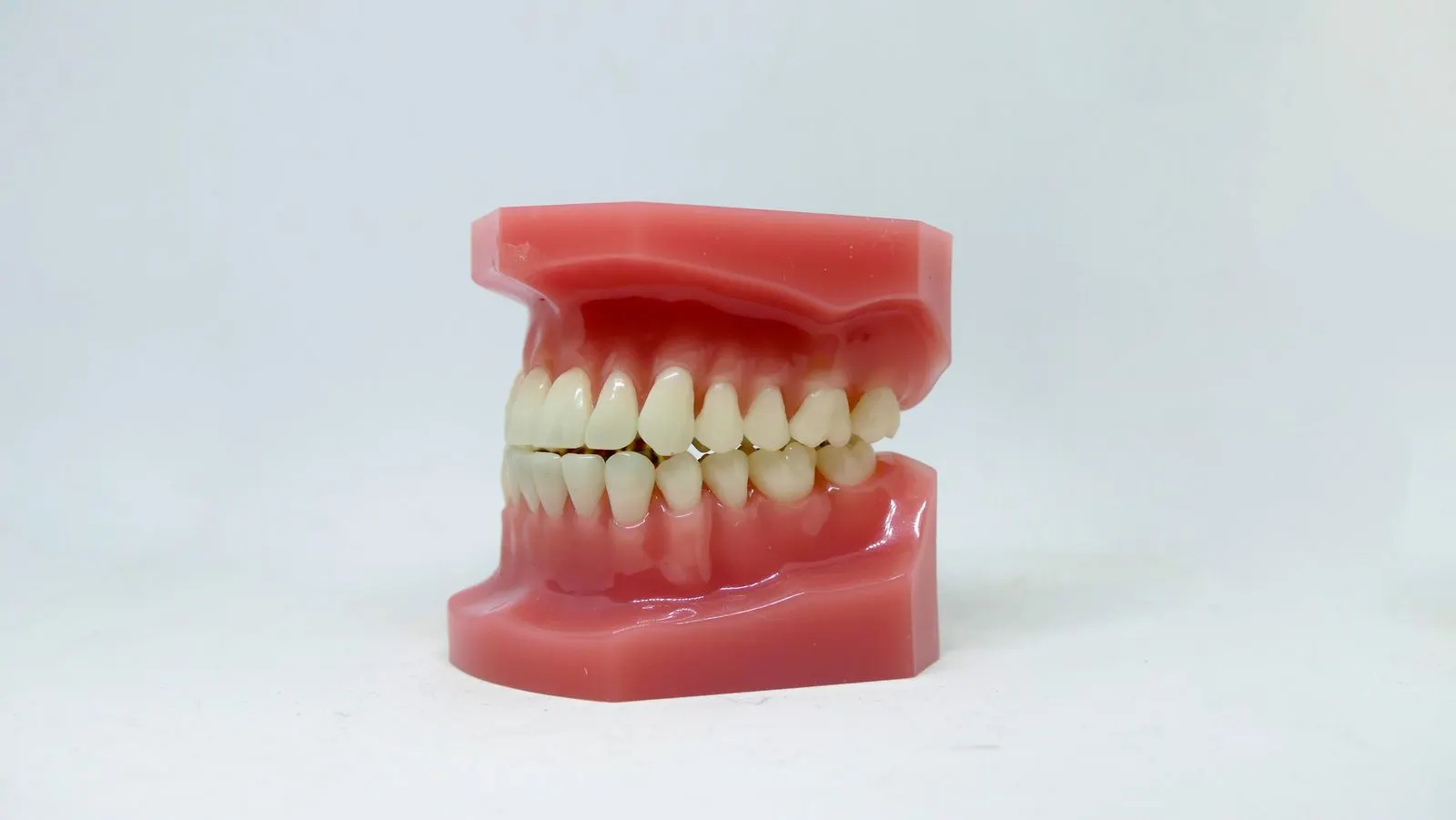
Good to know: limits & risks
- A root-filled back tooth becomes more brittle and usually needs a crown or onlay to protect it from fracture.
- Curved, narrow or calcified canals and old root fillings can make treatment longer and less predictable.
- Not every tooth can be saved: a vertical root fracture or too little remaining tooth usually means extraction.
- Mild tenderness on biting for a few days is common; a flare-up with swelling occasionally happens and is treated.
- Healing of a lesion at the root tip takes months and is confirmed on a later X-ray, ideally with your dentist at home.
- If you have acute pain or swelling now, see a local dentist first rather than waiting for a trip.
Your dentist goes through these points with you before treatment, openly and without sales pressure.
See where your new smile begins
Your treatment takes place at our own clinic in Istanbul, with the same dentists who write your plan.
What root canal treatment involves
A tooth has a hard outer shell of enamel and dentine and, in its centre, the pulp. The pulp runs from the crown of the tooth down through one to four root canals and connects to the body at the tip of each root. Once bacteria reach it, through deep decay, a crack or a leaking filling, the pulp cannot heal itself. It first becomes inflamed (pulpitis), then dies, and the bacteria spread to the bone around the root tip.
Root canal treatment removes the pulp, cleans and disinfects the whole canal system, and fills it so that bacteria cannot recolonise it. The tooth then stays in function, supported by its own ligament and bone. It is one of the most common procedures in dentistry and, done well, has a good long-term record.
Signs you may need a root canal
Symptoms that point to the nerve
- Pain after hot or cold that lingers for more than a few seconds
- Spontaneous, throbbing pain, often worse at night or when lying down
- Pain when biting or tapping on one tooth
- A pimple-like spot on the gum that comes and goes (a draining sinus)
- Swelling of the gum or face
- A tooth that has turned grey or dark after an injury
Silent infections found on the scan
Many infected teeth cause no pain at all. The pulp has died quietly and the only sign is a dark area at the root tip on an X-ray. This is why every plan at Doctor Turka starts with a 3D CBCT scan in the clinic. Before a tooth receives a crown, a bridge or veneers, we need to know that its nerve is healthy or has been treated. Crowning a tooth with a hidden infection risks having to drill through a new crown a few months later.
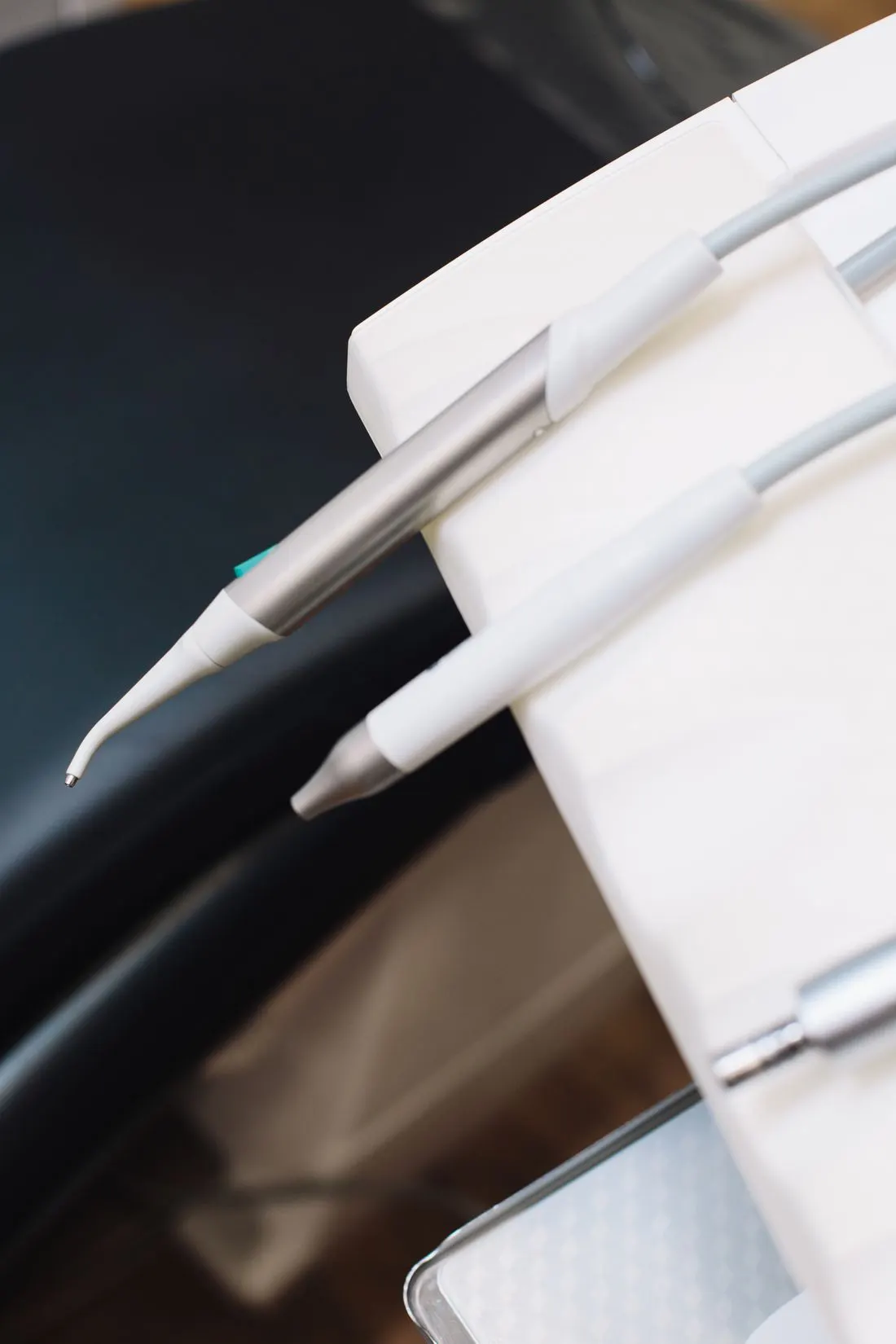
Instruments and treatment rooms are prepared before every patient according to hygiene protocols.
How a modern root canal is done
Anaesthetic and rubber dam
The tooth is numbed with local anaesthetic. A rubber dam, a thin sheet held by a small clamp, isolates the tooth from saliva. It keeps bacteria out of the canals, stops disinfectant rinses reaching your mouth and prevents you from swallowing small instruments. It is part of accepted standards for root canal work, and a question worth asking any clinic.
Finding and measuring the canals
The canals are located under magnification and their length is measured with an electronic apex locator, which detects the point where the canal ends. Combined with an X-ray, this lets the canal be cleaned to its full length without pushing instruments or material beyond the root.
Shaping with rotary instruments
Flexible nickel-titanium rotary files shape the canals in a controlled taper. They follow curved roots more safely than hand files and make the appointment shorter. Throughout, the canals are rinsed with sodium hypochlorite and other solutions, because it is the disinfection, not the file, that removes most bacteria.
Sealing
The canals are dried and filled with gutta-percha and a sealer, then the access is closed with a core build-up. A control X-ray checks that the filling reaches the right length and is dense.
One visit or several?
A tooth with an inflamed but living nerve can usually be finished in a single appointment of 60 to 90 minutes. Studies comparing single-visit and multiple-visit treatment report broadly similar healing rates for such cases.
A tooth with an established infection, an abscess or pus in the canal often does better with a medicated dressing of calcium hydroxide for a few days before it is sealed. Re-treatments and molars with difficult anatomy may also need two sessions. For travellers this rarely changes the length of the trip, because the second appointment falls on day three or four, while you are still in Istanbul for your crown.
Why a crown usually follows
Removing the pulp does not make a tooth weak on its own. What weakens it is the decay, old fillings and access cavity that led there. Back teeth carry heavy chewing forces, and studies show that root-filled molars and premolars without cuspal coverage fracture far more often than those with a crown or onlay.
| Restoration | When it fits | Notes |
|---|---|---|
| Composite filling | Front teeth with little tooth lost | Quickest option; no lab work |
| Onlay | Back teeth with strong walls left | Protects the cusps while preserving tooth, see inlays and onlays |
| Crown | Back teeth with large fillings or cracks | Most common choice, in zirconia or E.max, see dental crowns |
| Crown with post | Very little tooth above the gum | A fibre post helps retain the core |
In Istanbul the crown is normally made during the same trip, a few days after the root filling.
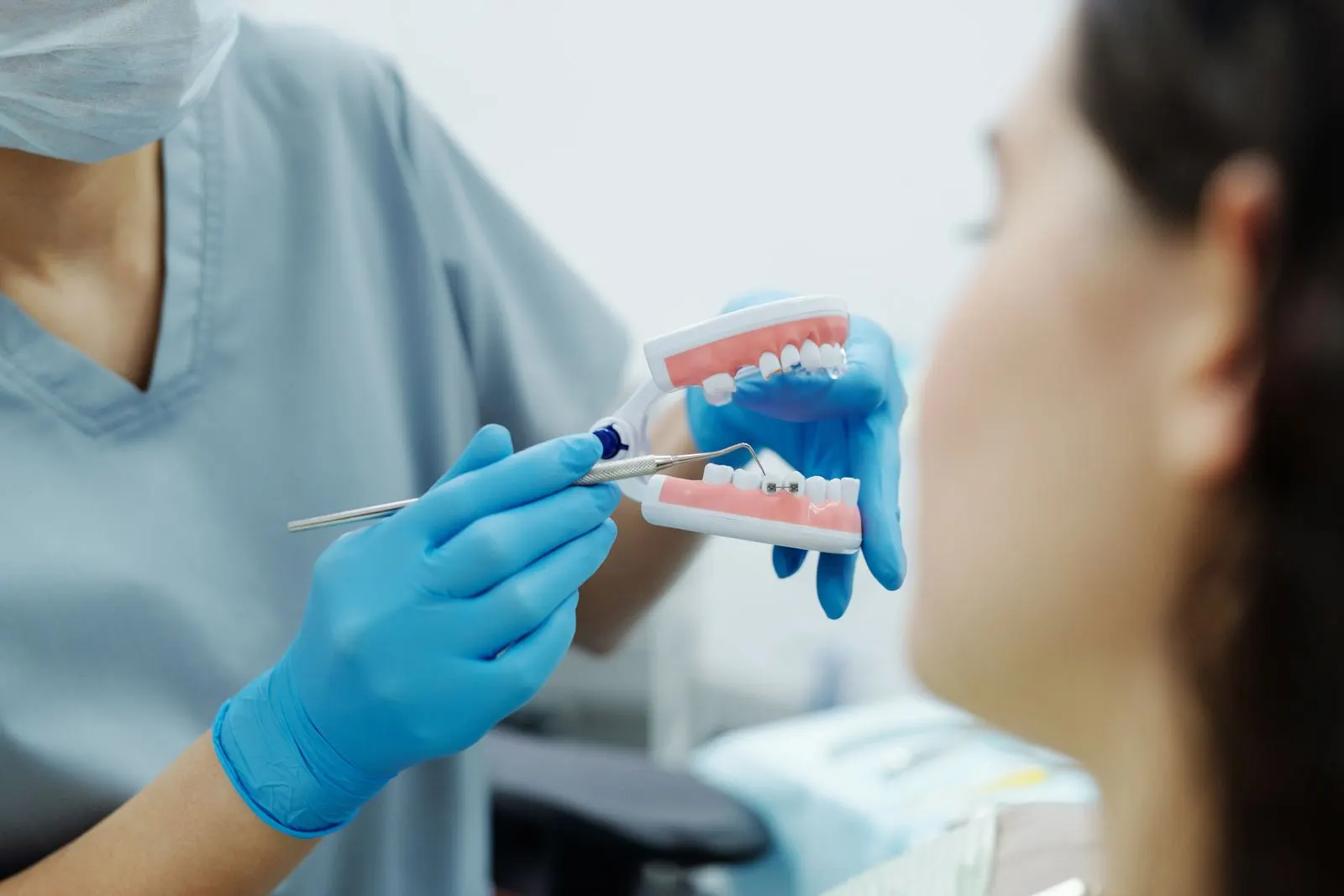
Before you fly home, the team shows you how to clean and look after your new teeth.
Root canal treatment in Turkey as part of a wider plan
Travelling for a single root canal rarely makes sense. The procedure itself is short, and a tooth that is painful now should be treated by a dentist near you, not in two months. Flying with an acute infection can also increase pain.
Where Istanbul makes sense is as part of a larger plan. When patients come for crowns, a bridge, veneers or a full-mouth reconstruction, the CBCT regularly shows one or two teeth whose nerves need treatment first. Doing this in the same trip keeps the whole plan in one set of hands.
| Day | What happens |
|---|---|
| Day 1 | Examination, CBCT, pulp tests, final written plan |
| Day 1-2 | Root canal under rubber dam, or first stage with dressing |
| Day 3-4 | Second stage if needed; core build-up; crown preparation and scan |
| Day 5-7 | Crown try-in and cementation; control X-ray; flight home |
You can read how the full process works, from first contact to aftercare, on how it works.
Success rates, retreatment and apicoectomy
In large studies, roughly 86 to 93 per cent of root-filled teeth were still in place several years after treatment. The best predictors are a tight seal, a good crown on top and treatment before a large lesion forms. Teeth without a proper crown and teeth with cracks do less well.
If an old root filling fails, there are two ways to save the tooth:
- Re-treatment: the old filling is removed, missed or poorly cleaned canals are treated, and the tooth is resealed. Reported healing rates are somewhat lower than for first-time treatment, and the prognosis depends on what the CBCT shows.
- Apicoectomy: when the canals cannot be reached from above, for example under a post or a good crown, the root tip is removed through a small opening in the gum and sealed from below. Modern microsurgical studies often report healing in the region of 80 to 90 per cent, but it is a surgical procedure with a healing period of its own.
Both are decided on the scan, and we will tell you if we think extraction is the more predictable option.
Root canal, or extraction and an implant?
| Root canal + crown | Extraction + implant | |
|---|---|---|
| Keeps your own root and bone | Yes | No |
| Treatment time | Days | Usually three to six months |
| Trips to Istanbul | One | Usually two |
| Surgery involved | No | Yes |
| Best when | Enough healthy tooth remains | Vertical root fracture, very little tooth left, poor prognosis |
A root canal is not the right choice when the root is split vertically, when the tooth is broken below the bone level, when advanced gum disease has destroyed most of the bone around it, or when a re-treated tooth has a doubtful outlook and is meant to anchor a large bridge. In those cases a single-tooth implant or a bridge is usually more predictable. Some patients also prefer to have a tooth with no functional role, such as a wisdom tooth, simply removed.
Risks and how they are reduced
- Post-operative pain: common for a few days and usually mild. A flare-up with swelling happens occasionally and is managed with cleaning, sometimes medication.
- Separated instrument: a rotary file can break in a curved canal. Single-use files and careful technique reduce this; often the fragment can be bypassed.
- Missed canals: the CBCT and magnification help locate extra canals, particularly in upper molars.
- Tooth fracture: the main long-term risk, reduced by placing a crown or onlay promptly.
- Persisting infection: checked on a follow-up X-ray. Options then include re-treatment, apicoectomy or extraction.
Antibiotics are not a substitute for cleaning the canals. They are used only in specific situations such as spreading swelling or fever.
Choosing a clinic in Turkey for root canal treatment
A root canal is precision work that is hard to judge from the outside. Useful questions:
- Is a rubber dam used for every root canal?
- Is canal length measured with an apex locator and confirmed on an X-ray?
- Will I receive the control X-ray to take home?
- Why is this tooth being root-treated? Is it infected, or is it being treated only to make crown preparation easier?
- How will the tooth be restored, and when?
A red flag is a plan that root-treats many healthy teeth simply to fit a bulky row of crowns. Healthy nerves should be kept wherever possible; our article on Turkey teeth explains why.
What shapes your treatment plan and quote
The main factors are the tooth itself (a molar has more canals than a front tooth), whether it is a first treatment or a re-treatment, whether an infection requires a second visit, and how the tooth is restored afterwards. Because most root canals are part of a larger plan, your written quote lists each item separately so you can see what belongs to what. Our current starting prices are on the dental costs in Turkey page.
Your plan also sets out the written guarantee terms and what happens if a root-filled tooth needs attention later. Your coordinator stays your contact after you fly home.
A root canal is often the first step before a crown or veneer. See how it fits with our other dental treatments.
Everything arranged, one point of contact
What exactly is included is set out in your personal, written plan.
Root canal treatment: how to get started
- Leave your contact details
- Talk to our patient coordinator
- A dentist assesses your case, then you receive your written plan
Root canal treatment in Turkey: FAQ
Answers about Root Canal. Not listed? Ask us directly.
Is a root canal painful?
The treatment is carried out under local anaesthetic, and for most people it feels like a long filling: pressure and vibration rather than pain. It removes the inflamed nerve that caused the toothache. Some tenderness on biting for two or three days afterwards is common and usually settles with ordinary painkillers. A very inflamed tooth can be harder to numb; extra anaesthetic techniques help in that case.
How many days do I need in Istanbul for a root canal and crown?
Usually five to seven days. The root canal is done in the first days, followed by a core build-up and crown preparation, and the final zirconia or E.max crown is fitted before you leave. If the root canal is part of a larger plan with several crowns or veneers, the stay is set by the overall plan.
Is extraction and an implant better than a root canal?
When a tooth can be predictably restored, keeping it is usually preferable: no surgery, your own bone and gum stay, and treatment takes days rather than months. When the root is split, very little tooth is left or a re-treatment has a poor outlook, an implant is often more predictable. We explain the reasons for our recommendation for each tooth.
Can a failed root canal be re-treated?
Often, yes. The old root filling is removed, missed or insufficiently cleaned canals are treated, and the tooth is sealed again. Whether this is promising depends on what the CBCT shows: a crack, a perforation or very thin walls lower the chances. If canals cannot be reached from above, an apicoectomy may be considered instead.
Will I need antibiotics?
Usually not. Cleaning and disinfecting the canals is what treats the infection. Antibiotics are reserved for specific situations such as spreading swelling, fever or a weakened immune system. Taking them instead of treatment only delays the problem and contributes to antibiotic resistance.
Can I fly after a root canal?
Yes, flying the day after a completed root canal is normally fine. Flying with an acute, untreated infection can make pain worse, which is one reason we advise seeing a local dentist for urgent toothache rather than waiting for a trip. Tell your coordinator your flight time so the final appointment and control X-ray fit in.
Can a root canal be done in one day?
Often, yes. A tooth with an inflamed but not infected nerve can usually be cleaned, shaped and sealed in one appointment of 60 to 90 minutes. Infected teeth, abscesses and re-treatments often get a medicated dressing for a few days before the final filling. On a trip to Istanbul this second visit fits into the same stay.
Do I need a crown after a root canal?
On back teeth, almost always. Molars and premolars that were root-treated without cuspal coverage fracture much more often in studies. An onlay can be enough when strong walls remain. Front teeth with little tooth loss can often be restored with a composite filling. Your plan explains which applies to each tooth.
What is the success rate of root canal treatment?
Large studies report that roughly 86 to 93 per cent of root-filled teeth are still present several years later. Outcomes are better when the tooth receives a good crown, when the canals are sealed tightly and when treatment happens before a large infection forms. Re-treatments have somewhat lower reported healing rates. No individual result can be guaranteed.
What is an apicoectomy?
A small surgical procedure in which the tip of a root is removed through an opening in the gum and the canal is sealed from below. It is used when an infection persists at the root tip despite a good root filling, or when a post or crown makes re-treatment from above impractical. Healing takes a few days for the gum and months for the bone.
What does a root canal cost in Turkey?
It depends on the tooth (a molar has more canals than a front tooth), whether it is a first treatment or a re-treatment, whether an infection needs a second visit, and how the tooth is restored afterwards. Most root canals are part of a larger plan, and your quote itemises each step. Our current starting prices are on the costs page. For a full breakdown, read our guide to dentist prices in Turkey 2026.
Ask us, a coordinator replies personally, and a dentist answers medical questions.
Decide well informed
Root Canal Treatment Step by Step: What Happens, Does It Hurt and Does It Work?
What really happens during root canal treatment: symptoms, each step from anaesthetic to crown, visits, pain, success rates and when extraction is the better choice.

Root Canal Cost UK: NHS Band 2, Private Fees and What Changes the Price
What a root canal costs in the UK in 2026: the NHS Band 2 charge, why molars cost more privately, retreatment, the crown that often follows and the extraction question.
Let’s plan your dental care
Leave your contact details. Our patient coordinator will contact you to discuss your needs and explain the next steps, free and without obligation.
- We reply within 15 minutes, 7 days a week
- Plan and quote in writing after the dentist’s assessment
- No obligation, no pressure
Let’s plan your dental care
Leave your contact details. Our patient coordinator will contact you to discuss your needs and explain the next steps.