Rebuilding the foundation for your implants
When bone has receded after tooth loss, a bone graft or sinus lift creates the volume an implant needs — planned precisely on a 3D scan and often done at the same time as the implant.
- Planned on a 3D CBCT scan
- Often combined with implant placement
- Honest assessment of whether grafting is really necessary
Your free treatment plan
Send us a few details — a dentist reviews your case and our coordinator replies within 24 hours.
Bone graft & sinus lift in Turkey: what you need to know
After a tooth is lost, the bone that held it gradually shrinks, both in height and width. In the upper back jaw, the maxillary sinus can also expand downwards, leaving only a few millimetres of bone. An implant needs enough bone around it to integrate and carry chewing forces for decades.
Bone grafting adds bone material — usually a combination of your own bone particles and a biocompatible substitute — to rebuild the missing volume, covered by a protective membrane. A sinus lift gently raises the sinus membrane in the upper back jaw and places graft material underneath, creating height for an implant.
Many grafts are small and can be done at the same appointment as the implant. Larger reconstructions are done first and need several months to mature before implants are placed. Your 3D scan shows exactly which situation applies to you — and whether an alternative such as angled implants makes grafting unnecessary.
Types of Bone graft & sinus lift
Which option suits you is decided together with your dentist — based on your examination, not a catalogue.
Socket preservation
Graft placed right after an extraction to prevent the bone from collapsing.
Lateral augmentation
Widens a narrow ridge so an implant fits safely.
Internal sinus lift
A small lift through the implant site; often done together with the implant.
External sinus lift
Access from the side for larger height gains; implants follow after maturing.
Bone graft & sinus lift before and after
Every smile is different. Ask us for cases similar to yours.
Real before & after photos — on request
We'll send you Bone graft & sinus lift cases of patients with a similar starting point on WhatsApp (shared with their consent).
Benefits of Bone graft & sinus lift
Makes implants possible
Opens the door to fixed teeth where bone was insufficient.
Better long-term stability
Implants in adequate bone have a better prognosis.
More natural aesthetics
Rebuilt bone supports the gum line, especially at the front.
Often combined
Many grafts are done in the same session as the implant.
Good to know: limits & risks
- Larger grafts extend the overall treatment by several months.
- Swelling after a sinus lift is common; nose blowing must be avoided for a couple of weeks.
- Smoking significantly reduces graft success.
- In some cases angled or zygomatic implants are a better alternative.
 Usually replies within hours
Questions about Bone graft & sinus lift? Ask the dentist directly.
Dr. Taha G and the team answer your questions personally — whether Bone graft & sinus lift suits you, how long it takes and what the alternatives are.
- Answered by a dentist, not a sales team
- Photos or an X-ray are enough
- Free and without obligation
See where your new smile begins
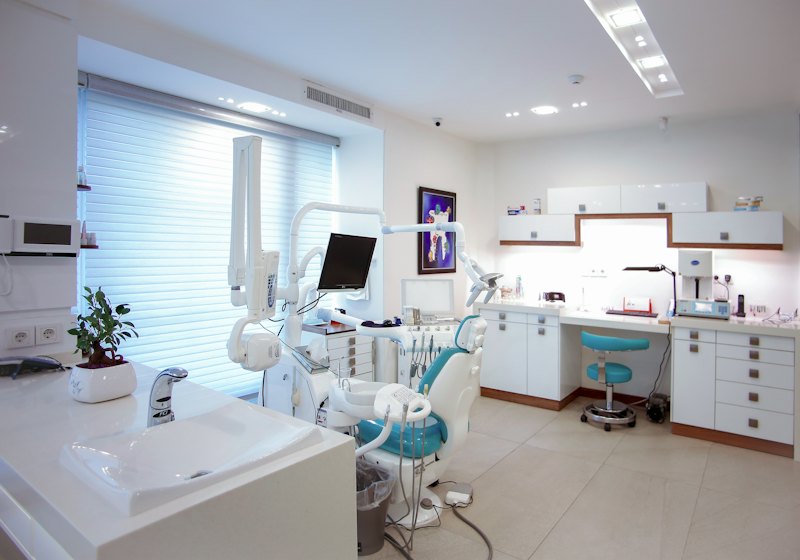
Your treatment takes place at our own clinic in Istanbul — with the same dentists who write your plan.

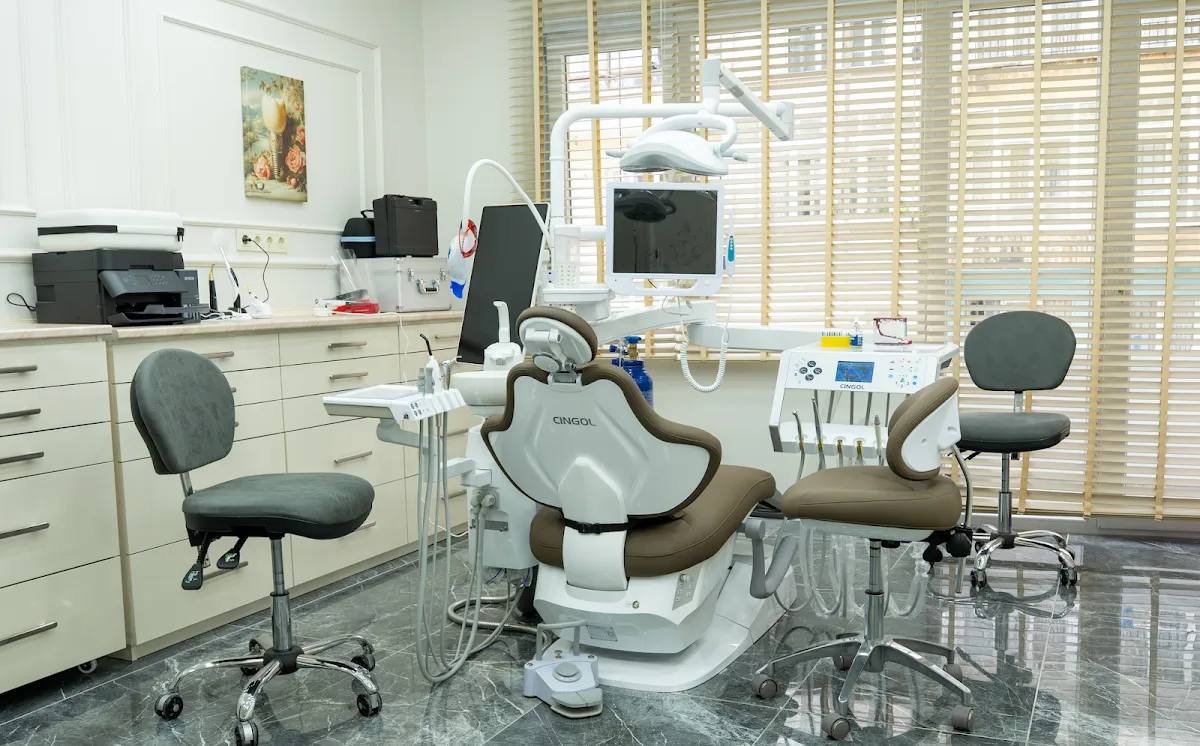

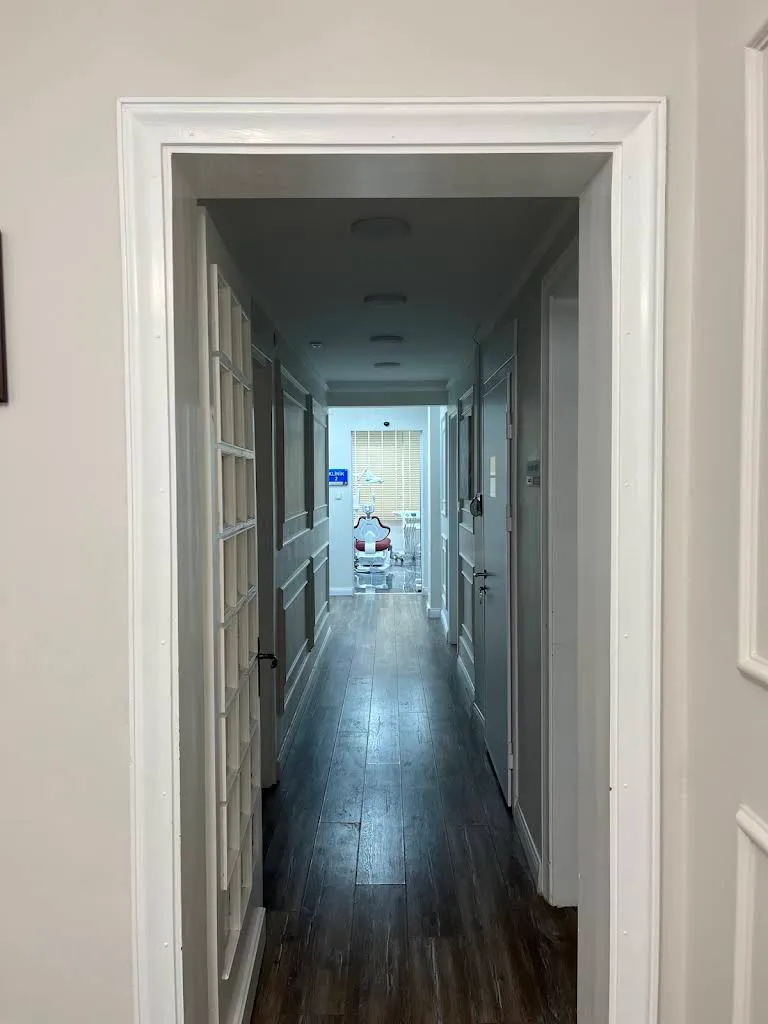
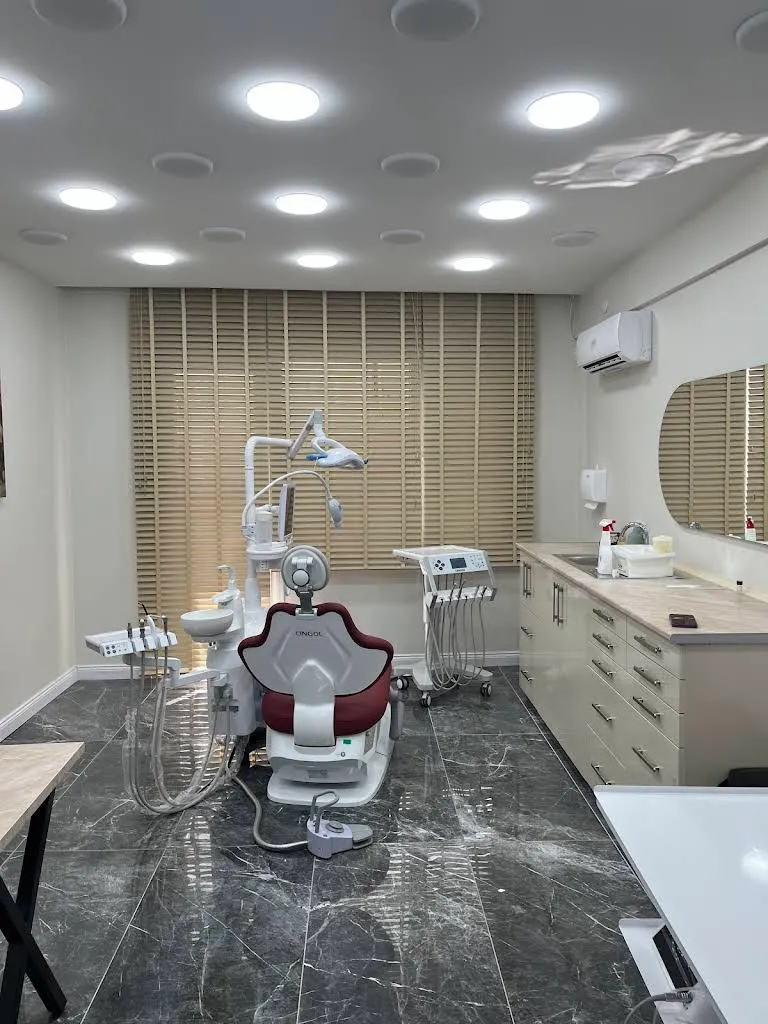
Bone graft & sinus lift procedure step by step
Before you travel, you know what happens on which day.
- 01
3D diagnosis
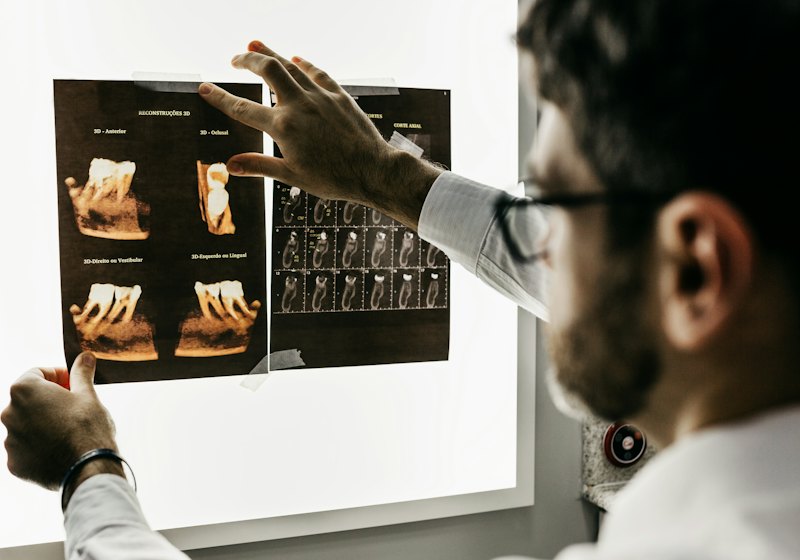
The CBCT scan measures bone height, width and the position of the sinus and nerves.
- 02
Grafting
Under local anaesthesia the graft material is placed and covered with a membrane.
- 03
Maturing
Small grafts integrate with the implant; larger ones mature for 4–6 months.
- 04
Implant & teeth
Implants are placed (if not already) and later restored with crowns or a bridge.
Bone graft & sinus lift: recovery & aftercare
- Days 1–3
Cooling, rest, prescribed medication; avoid hot drinks and strenuous activity.
- Weeks 1–2
No nose blowing or sneezing with a closed mouth after a sinus lift; no flying without clearance.
- Months 1–6
The graft matures; avoid pressure from a removable denture on the site.
How much bone does an implant need?
As a rule of thumb, an implant needs about 1.5–2 mm of bone around it on every side, and enough height to avoid the nerve in the lower jaw or the sinus in the upper jaw. Standard implants are around 8–13 mm long. When the scan shows less, grafting, shorter implants or a different concept come into play.
Graft materials
| Material | Description |
|---|---|
| Autogenous | Your own bone, often collected during the same surgery |
| Xenograft | Processed bovine bone mineral; a scaffold that your bone grows into |
| Allograft | Processed human donor bone from tissue banks |
| Synthetic | Calcium phosphate–based substitutes |
Most grafts use a mixture, covered with a resorbable collagen membrane.
Bone graft & sinus lift cost in Turkey
We quote a price only once a dentist has seen your teeth. You receive it in writing, free of charge, within 24 hours.
Your price depends on
- Type and size of the graft
- Graft material and membrane
- Whether combined with implant placement
- Number of sites
Indicative cost of the same treatment
Private clinic in the UK = 100%
 USA
USA UK
UK Germany
 Istanbul
compared with private clinics in the UK, Germany and the USA — with the same materials.
Indicative savings ranges based on typical published private-practice prices. They are not a quote — your personal price depends on your treatment plan and is always confirmed in writing.
Everything arranged, one point of contact



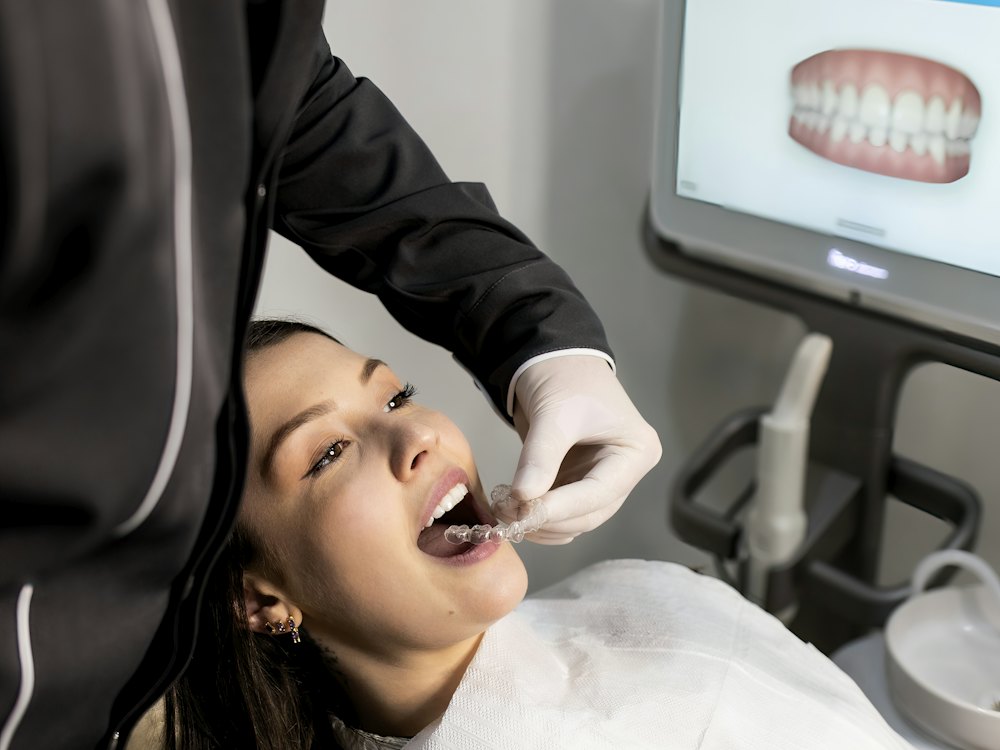
Have an X-ray? We will review it for free.
- Send photos or an X-ray
- A dentist reviews your case
- Plan & quote within 24 hours
Bone graft & sinus lift in Turkey: FAQ
Answers about Bone graft & sinus lift.
Is bone grafting painful?
It is done under local anaesthesia. Afterwards, swelling and discomfort for a few days are normal and well controlled with medication.
Where does the bone come from?
Usually a mix of your own bone particles collected during surgery and a tested biocompatible substitute material.
Can I avoid grafting?
Sometimes. Angled implants (All-on-4), shorter implants or zygomatic implants can avoid grafting. Your scan decides what is safe.
How long before implants can be placed?
Small grafts: often the same day. Larger grafts and external sinus lifts: usually after 4–6 months.
Can I fly after a sinus lift?
Usually after a few days, once your surgeon has checked the site. Pressure changes are discussed individually.
Will I have swelling on my face?
Some swelling is common for 2–4 days, more after an external sinus lift. Cooling helps considerably.
More dental implants options
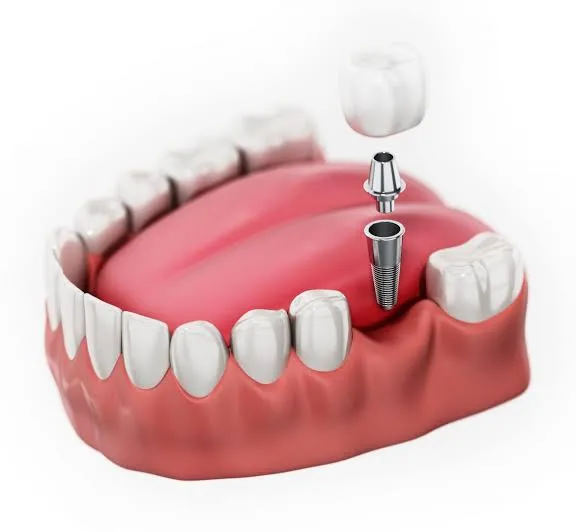
Single implant
from €235 per implantReplace one tooth with an implant and a crown that is colour-matched to your natural teeth.
Learn more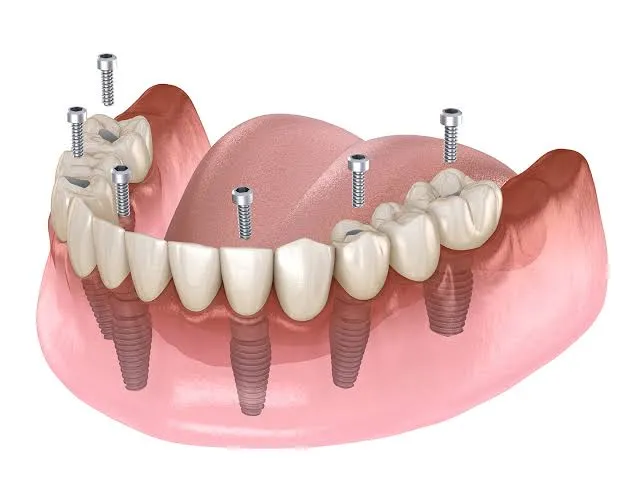
All-on-4
from €3,310 per archFull-arch replacement on four angled implants — fixed teeth, no palate, no adhesive.
Learn more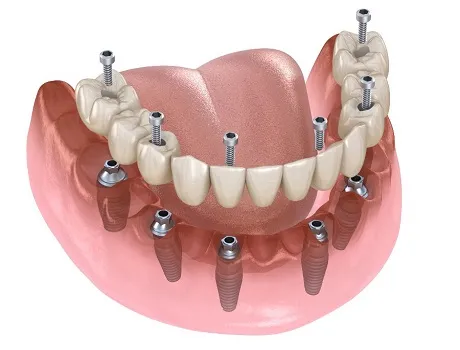
All-on-6
from €3,775 per archSix implants, one fixed bridge — maximum stability for a complete arch.
Learn more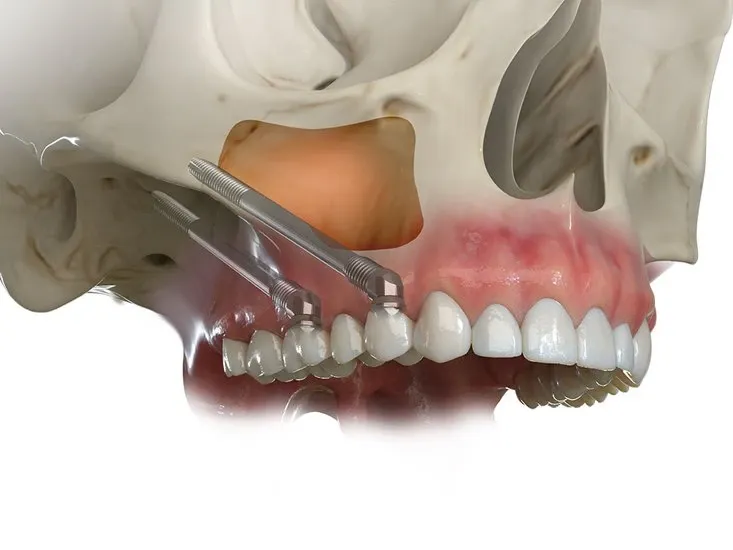
Zygomatic implants
from €2,295 per implantLong implants anchored in the cheekbone — an option when the upper jaw has too little bone.
Learn moreDecide well informed
What Is All-on-4? How It Works, Who It Suits and What to Expect
Four implants, one fixed bridge, often fixed teeth within days. A clear guide to the All-on-4 concept, its advantages and its limits.
Dental Implant or Bridge? An Honest Comparison
Both replace missing teeth with fixed teeth. They differ in time, effect on neighbouring teeth and long-term bone health.
Your free treatment plan is one message away
Send a few photos of your smile. A dentist reviews your case and you receive a clear, written plan — free and without obligation.
- Reply within 24 hours, 7 days a week
- Plan and quote in writing
- No obligation, no pressure
Your free treatment plan
Send us a few details — a dentist reviews your case and our coordinator replies within 24 hours.