 Dr. Taha G
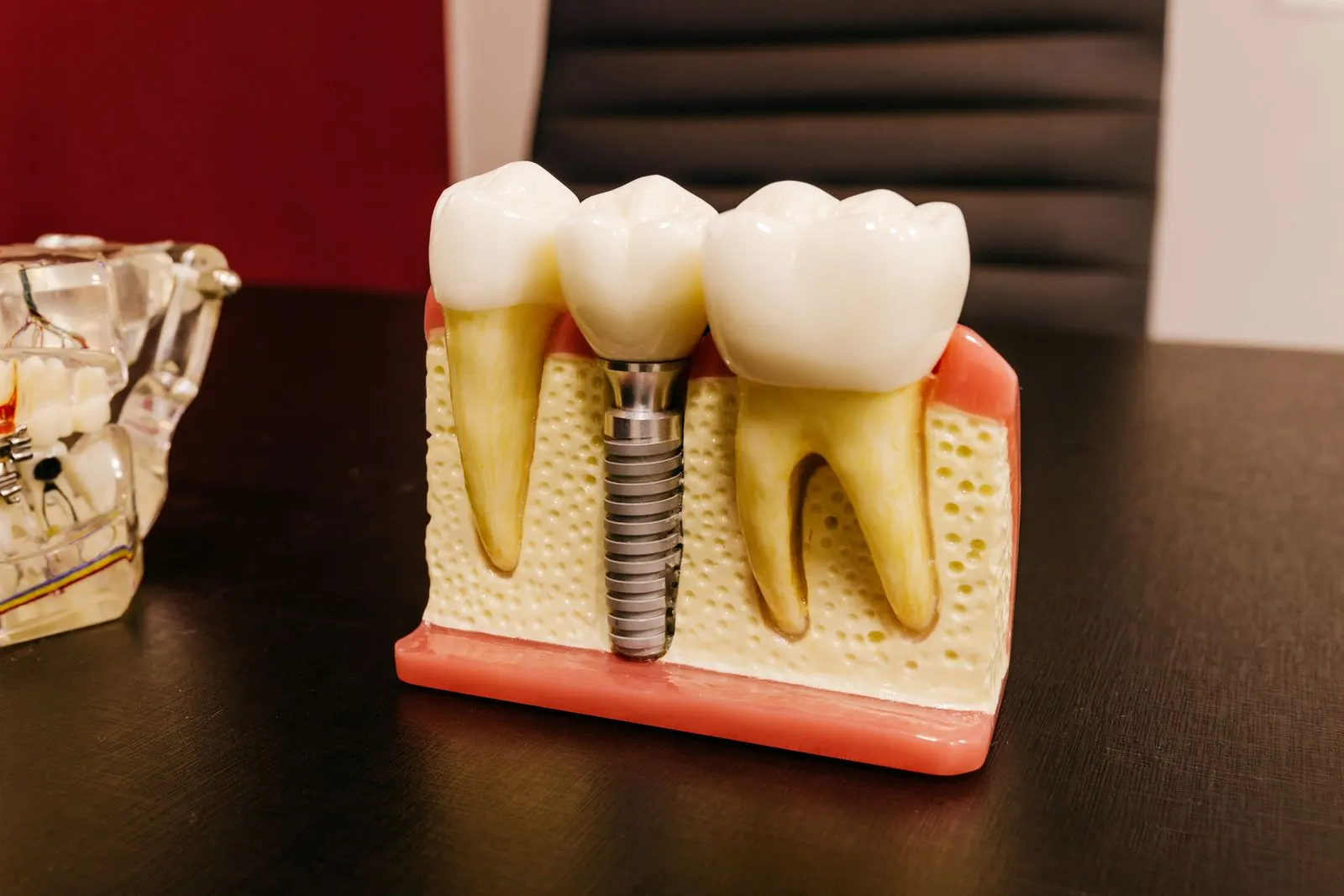
The dental implant procedure usually runs in five steps: assessment with 3D imaging, any extractions or bone grafting, placing the implant under local anaesthetic, a healing period while the bone bonds to the implant, and finally fitting the abutment and crown. UK hospital guidance puts the whole process at 6 to 12 months in many cases, although simpler cases can be faster.
This guide walks through each stage in the order it normally happens, wherever you have treatment. It explains what is done at each appointment, how the dental implant healing stages work and what can change the timeline. For an overview of implant options and how we plan them, see our dental implants treatment page.
If you are mainly interested in how the stages fit into trips abroad, our separate guide on how long dental implants take in Turkey covers the travel timeline.
What are the stages of the dental implant procedure?
Guy's and St Thomas' NHS Foundation Trust describes implant treatment as usually having 3 or 4 stages, with treatment taking 6 to 12 months and several visits. Broken down into individual clinical steps, the sequence looks like this:
| Step | What happens | Typical timing |
|---|---|---|
| 1. Assessment and planning | Examination, X-rays or CBCT scan, impressions or digital scan | Before any surgery |
| 2. Extraction or bone graft (if needed) | Failing tooth removed; missing bone rebuilt | Graft can add 4 to 6 months |
| 3. Implant placement | Implant placed in the jaw under local anaesthetic | One appointment |
| 4. Stitch removal and early healing | Stitches removed, soft tissue settles | About 1 week after surgery |
| 5. Osseointegration | Bone grows onto the implant surface | Usually at least 3 months |
| 6. Uncovering (if buried) | Small procedure to expose the implant, healing cap fitted | After integration |
| 7. Impression or scan, abutment and crown | Final tooth designed, tried in and fitted | Several appointments |
The timings come from Guy's and St Thomas' patient information. Your own plan may skip steps (for example, no graft) or combine them.
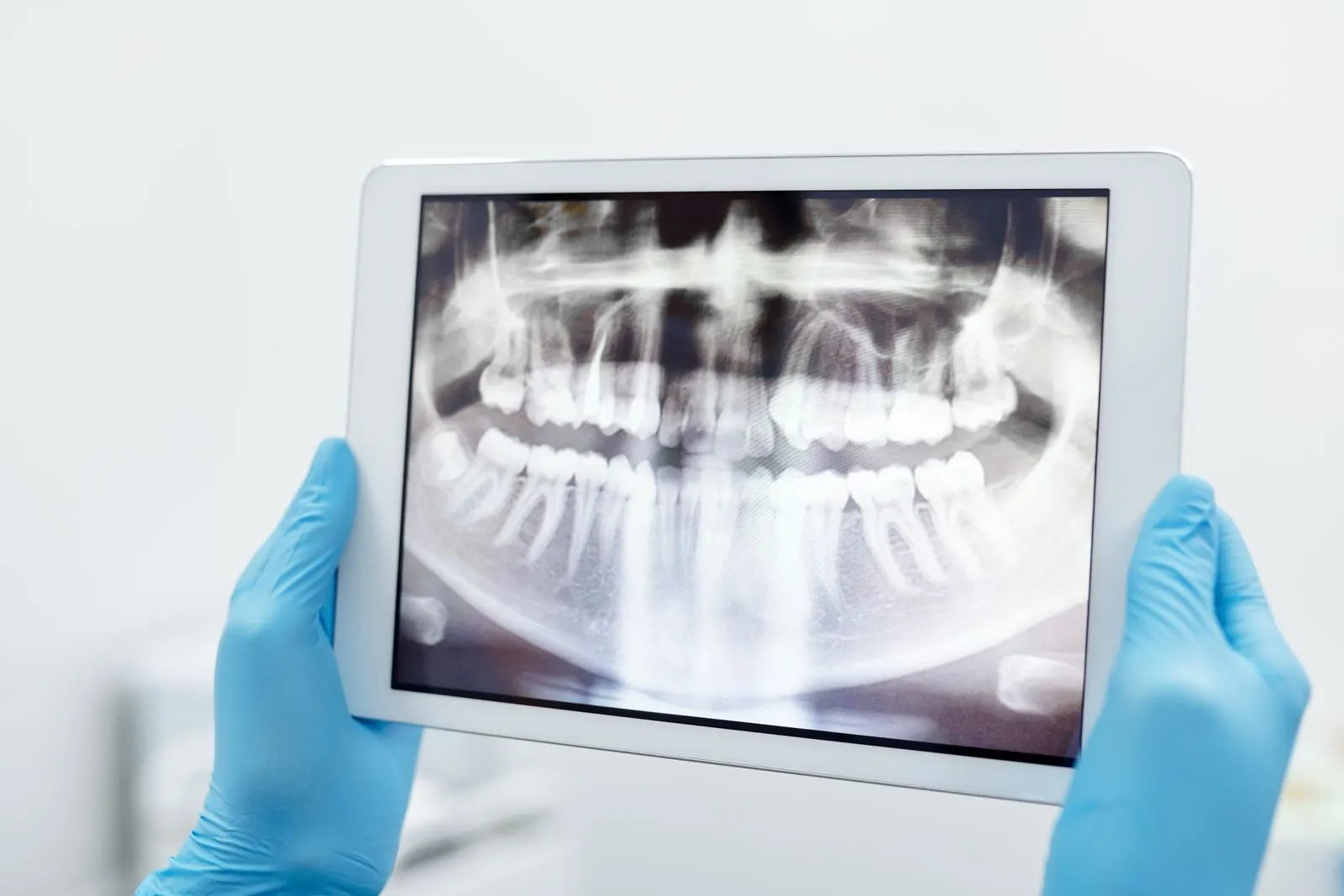
Step 1: Consultation, X-rays and CBCT planning
Every implant starts with an assessment. The dentist checks your medical history, gums, remaining teeth and bite, and takes X-rays and impressions (moulds) to plan the treatment. The Oral Health Foundation adds that the dentist checks the health and strength of the jawbone, and that you should receive a treatment plan covering each stage and the costs.
Many clinics now use a cone beam CT (CBCT) scan for implant planning. It shows the bone in three dimensions, so the dentist can measure height and width and see structures such as nerves and the sinus before deciding on implant position and size.
Health issues need attention first. The Royal College of Surgeons of England's guidance says conditions such as gum disease should be managed and stabilised for at least six months before implant treatment. Smoking also matters: Guy's and St Thomas' notes that the risk of an implant not joining the bone is higher in smokers.
Step 2: Extraction and bone grafting, if needed
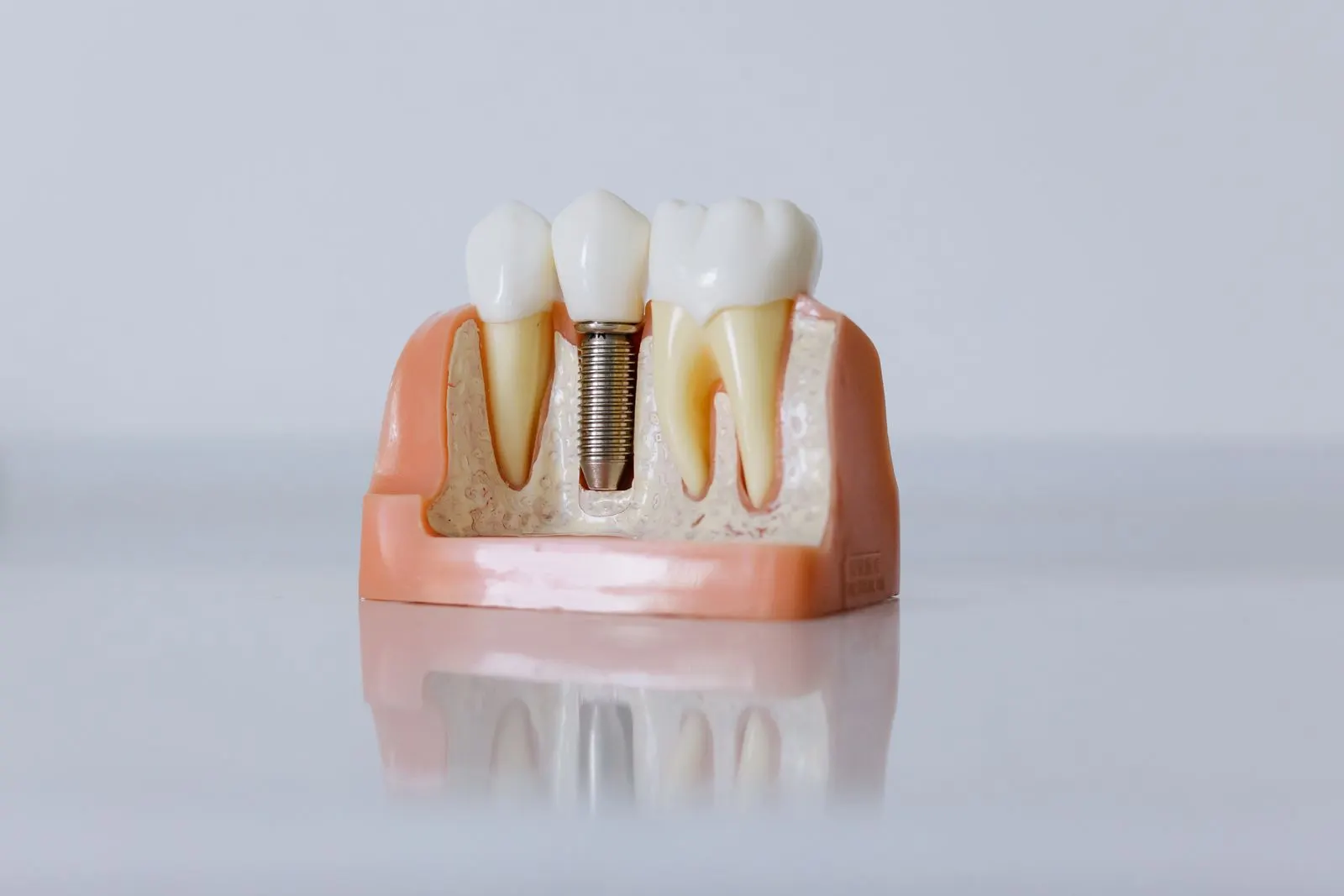
If the tooth to be replaced is still present, it has to be removed. Depending on the situation, the implant may be placed at the same visit or after the socket has healed. Your dentist decides this based on infection, bone and gum condition.
When there is not enough bone to hold an implant, a bone graft rebuilds the area. In the upper back jaw this may be a sinus lift, which raises the sinus floor to make room for bone. Guy's and St Thomas' says a graft can add 4 to 6 months to treatment, and that a graft can cause swelling, bruising and pain. Our page on bone grafting and sinus lifts explains the techniques.
Step 3: Implant placement surgery
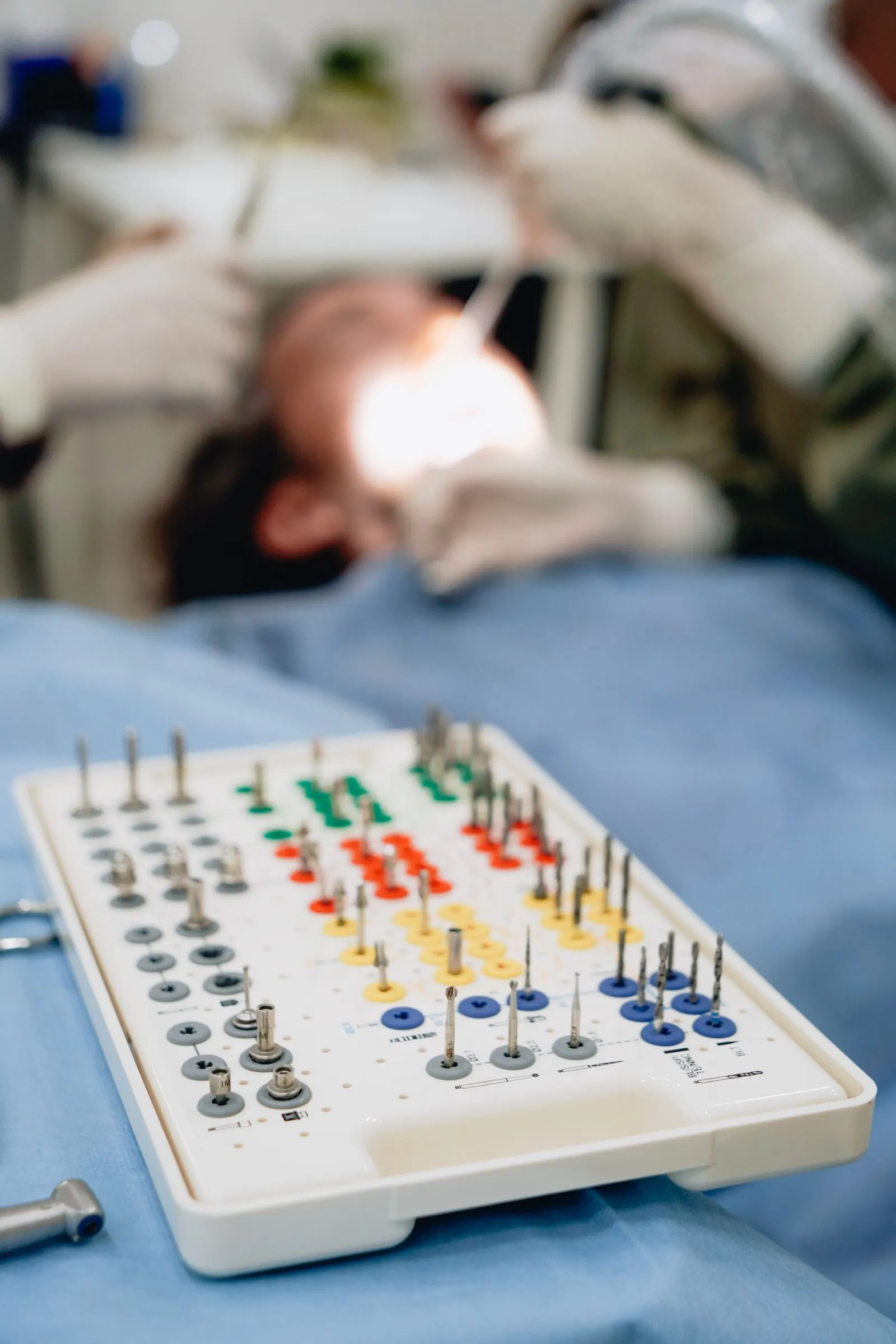
According to Guy's and St Thomas' patient information on having an implant, you are given a local anaesthetic so the area is numb. The gum is lifted from the bone, the bone is carefully drilled and the implant is placed. The gum is then closed with stitches. Sedation or a general anaesthetic may be used for some patients.
After surgery, some swelling, bruising and soreness are normal for a few days. You will be given aftercare instructions on cleaning, diet and pain relief. If you are worried about discomfort, our article are dental implants painful? covers what most people feel and how it is managed.
Stitches are usually removed about 1 week later.
Dental implant healing stages: what happens during osseointegration?
Osseointegration is the process in which bone grows tightly against the implant surface, so it can later carry chewing forces. The American Dental Association's MouthHealthy guide says this can take up to several months before replacement teeth are attached.
UK sources give similar ranges. Guy's and St Thomas' says you usually wait at least 3 months after placement before the implant can support replacement teeth, and the Oral Health Foundation describes a healing period of around four months. Bone quality, the site in the mouth, grafting and general health all influence how long your dentist waits.
During healing:
- you may wear a temporary denture, bridge or crown, so you are not left with a gap,
- soft and cool foods help in the first days, and the ADA notes tobacco can slow healing,
- the implant should not be overloaded, so follow your dentist's advice about chewing on that side,
- check-ups confirm that the gum is healthy and the implant is stable.
In some cases a temporary tooth is attached on the day of surgery. The Oral Health Foundation notes this is possible in some cases. Whether it suits you depends on factors your dentist assesses during surgery, such as how firmly the implant is held in the bone.
Step 4: Uncovering the implant (second-stage surgery)
Some implants are buried under the gum while they heal. Guy's and St Thomas' explains that these need another small surgical procedure before they can be used. The gum over the implant is opened under local anaesthetic and a healing cap is fitted, which shapes the gum while it settles.
Other implants are placed with a healing cap already showing through the gum, in which case this step is not needed. Your dentist chooses the approach at the time of surgery, based on stability and the soft tissue.
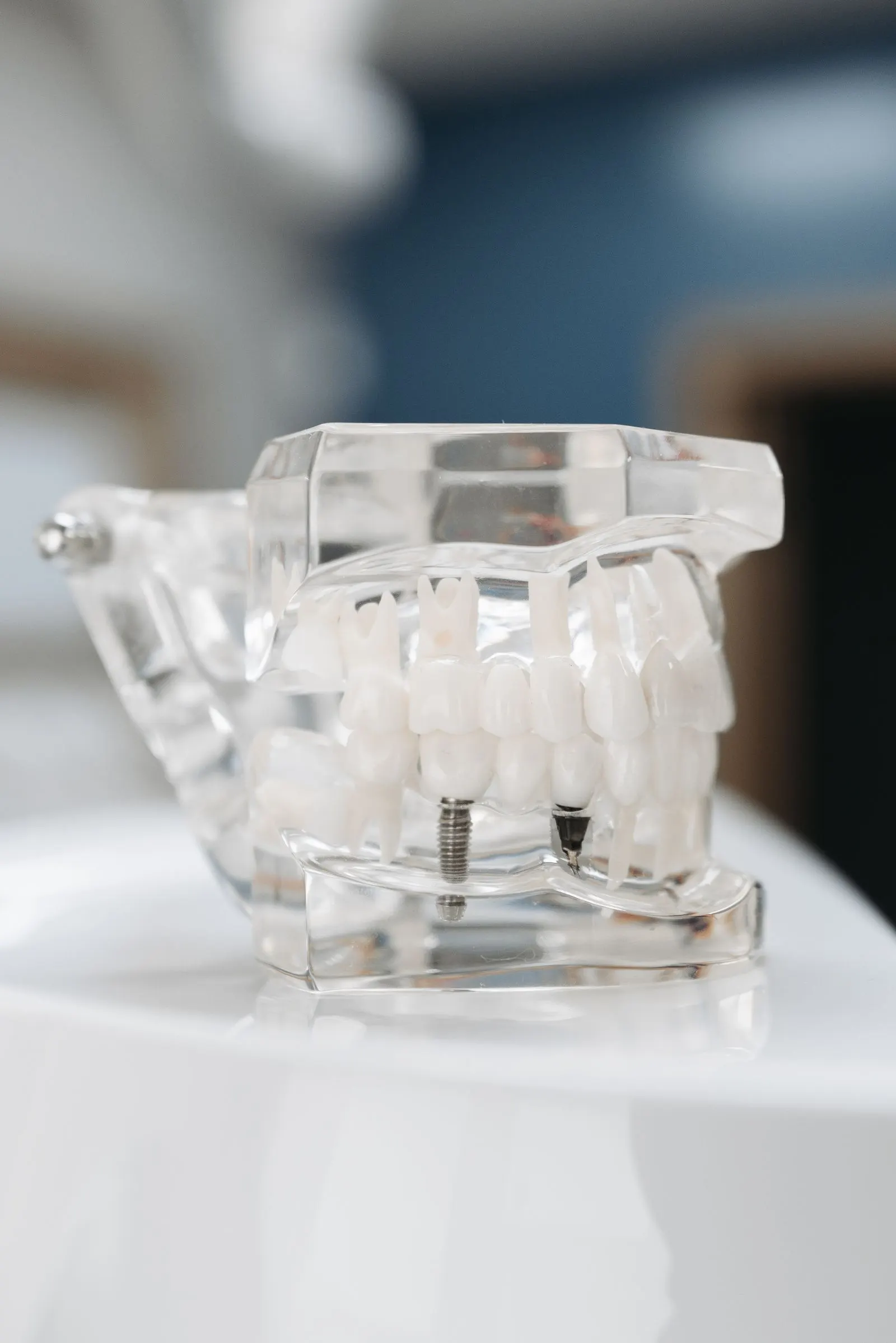
Step 5: Impression or scan, abutment and crown
Once the implant is integrated and the gum has healed, the final teeth are made. Guy's and St Thomas' notes that several appointments are needed to make and fit crowns, bridges or dentures, with moulds taken and the fit of parts checked.
The typical sequence is:
- Impression or digital scan of the implant position, using a transfer part screwed into the implant.
- Abutment: the connecting piece between implant and crown, either standard or custom made.
- Try-in: shape, colour and bite are checked, sometimes with a trial version.
- Fitting: the crown is screwed or cemented onto the abutment, and the bite is adjusted.
For several missing teeth, the same steps apply to an implant bridge or an implant-supported denture.
What can make the implant timeline longer or shorter?
No two implant plans are identical. These factors most often change how many steps you need and how long you wait between them:
- Bone volume: a graft or sinus lift adds a separate healing phase before or alongside the implant.
- Extractions and infection: an infected tooth may need removal and healing before the implant goes in.
- Gum health: gum disease has to be treated and stable first, as the RCS guidance requires.
- Medical history and medicines: Guy's and St Thomas' notes that some conditions and medicines change the advice given, so tell your dental team about them.
- Smoking: it raises the risk that the implant does not integrate.
- Age: the RCS guidance says implant placement should usually wait until growth has stopped, typically at least 18 years of age.
- Number of implants: full-arch treatment involves more planning and try-in stages than a single tooth.
Your dentist can only give a realistic timeline after examining you and reviewing the scan.
What happens after the implant is finished?
The treatment does not end with the crown. Implants cannot decay, but the gum and bone around them can become inflamed. The Oral Health Foundation warns that plaque build-up can lead to peri-implantitis, which can cause bleeding, infection and, in some cases, loosening or loss of the implant.
Good habits make a real difference:
- brush twice a day and clean around the implant daily with interdental brushes,
- attend regular check-ups and hygiene appointments,
- stop smoking if you can,
- report looseness, pain or bleeding early.
Guy's and St Thomas' also notes that implant parts can loosen or wear out over time, and that you are responsible for the long-term care of your implants.
The dental implant procedure with Doctor Turka in Istanbul
At our clinic in Ataköy, Bakırköy, Istanbul, our dentists plan implants with 3D CBCT imaging, and you receive a free written treatment plan before you travel. The plan shows which steps your case needs and roughly how long they take; prices are listed on our dental costs in Turkey page. Read how treatment with us works or contact us via WhatsApp or our contact page with your questions.
Sources
- Having a dental implant (Guy's and St Thomas' NHS Foundation Trust)
- Dental implants (Guy's and St Thomas' NHS Foundation Trust)
- Dental implants (Oral Health Foundation)
- Implants (American Dental Association, MouthHealthy)
- Guidance on the standards of care for NHS-funded dental implant treatment (Royal College of Surgeons of England, 2019)
Want a personal opinion?
Leave your contact details. Our patient coordinator will contact you to discuss your needs and explain the next steps, free and without obligation.
Discuss my options