Zirconia crownsGet a smile like this
Dental Crowns in Turkey
Crowns that protect and perfect
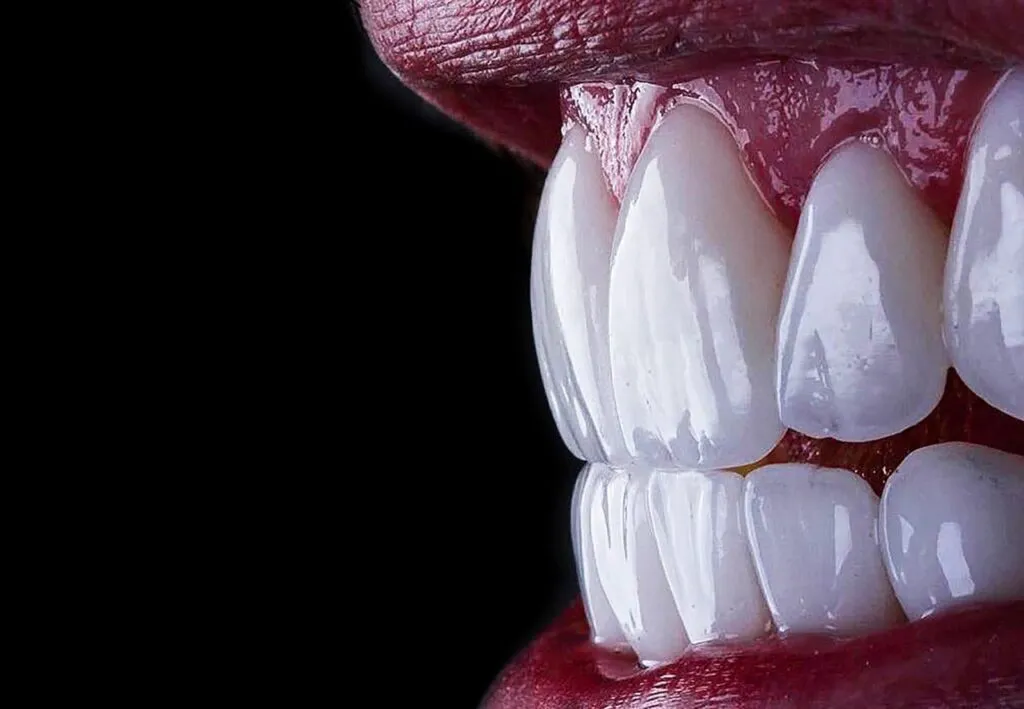
Metal-free zirconia and E.max crowns restore broken, heavily filled or root-treated teeth — strong enough for daily chewing, natural enough for your smile.
from €120 per tooth- Metal-free: no grey gum line
- Digital scan instead of messy impressions
- Colour-matched to neighbouring teeth
- Ready in about 5–7 days
Time in Istanbul1 trip · 5–7 days
Visits3–4 appointments
Back to normalSame day
Your free treatment plan
Send us a few details — a dentist reviews your case and our coordinator replies within 24 hours.
Prefer to chat? WhatsApp us
Overview
Dental Crowns in Turkey: what you need to know
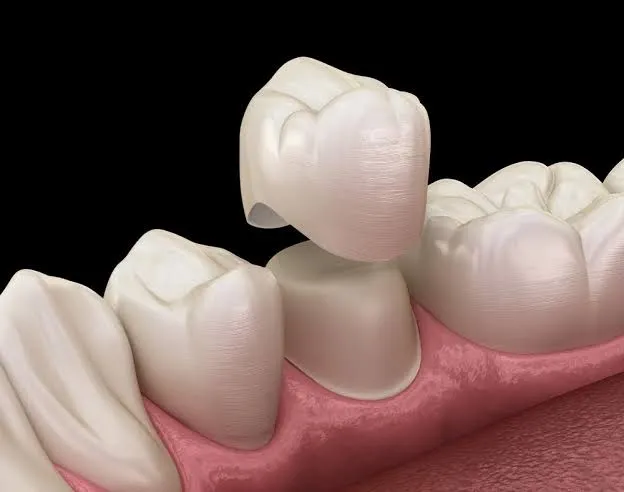
A dental crown is a custom-made cap that covers the whole visible part of a tooth, restoring its shape, strength and appearance in one piece. Crowns are recommended when a tooth has lost too much structure to be held together by a filling: after a fracture, a large cavity, a root canal treatment, heavy wear from grinding, or when an old crown has failed or no longer looks natural. They are also the final restoration placed on top of a dental implant.
At our clinic in Istanbul, most patients choose between three materials:
- Zirconia – very strong and metal-free, the usual choice for back teeth, bridges and patients who grind
- E.max (lithium disilicate) – a glass-ceramic with lifelike translucency, preferred for front teeth
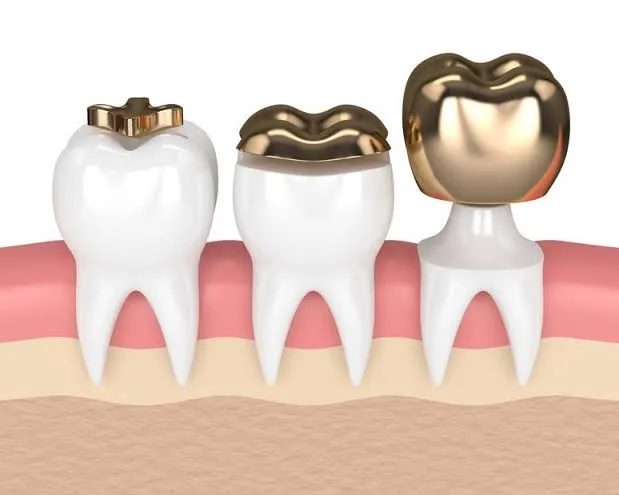
- Porcelain-fused-to-metal (PFM) – a proven, more budget-friendly option where aesthetics are less critical
Patients from the UK, Ireland, Germany, Austria and Switzerland come to Doctor Turka for dental crowns in Turkey mainly because the same materials and digital workflow are available at a fraction of the private price at home – often 50–70% less. Just as important is the planning: before you book a flight, Dr. Taha G or Dr. Hatice G review your photos and X-rays in a free online assessment, and you receive a written, itemised treatment plan and quote. Our English- and German-speaking coordinator replies within 24 hours, seven days a week.
A typical crown trip takes about five to seven days in Istanbul. On the first day your teeth are examined with X-rays or a 3D CBCT scan, any underlying problems are addressed, and the teeth are prepared and scanned digitally. You wear temporary crowns while our laboratory produces the final restorations, then you try them in, approve the shape and shade, and they are cemented permanently. Hotel and VIP transfers can be arranged as part of a package, and our team stays in touch with you for aftercare once you are back home.
Treatment options
Types of Dental Crowns
Which option suits you is decided together with your dentist — based on your examination, not a catalogue.
Which Dental Crowns option is right for you?Send 2–3 photos — a dentist recommends the right option, free of charge.
Before & After
View all Dental Crowns before and after
Every smile is different. Ask us for cases similar to yours.
Benefits
Benefits of Dental Crowns
Protects weakened teeth
A crown holds a cracked or heavily filled tooth together and prevents fractures.
Metal-free aesthetics
No dark margin at the gum, no metal allergy risk.
Restores chewing
Rebuilds the full shape of the tooth, including the bite surface.
One trip
Crowns are usually completed in 5–7 days.
Good to know: limits & risks
- A crown needs more tooth structure removed than a veneer or onlay, and this cannot be undone.
- A small proportion of crowned teeth develop nerve problems later and may need a root canal.
- Active gum disease must be treated first, otherwise gums may recede and expose the crown margin.
- Grinding can chip or crack crowns; monolithic zirconia and a night guard reduce this risk.
- Decay can still form at the crown margin if cleaning at the gum line is neglected.
- Crowns do not respond to whitening, so any whitening must be done before the shade is chosen.
- Crowns are durable but not permanent and may need replacing after many years.
 Usually replies within hours
 Ask a dentist
Questions about Dental Crowns? Ask the dentist directly.
Dr. Taha G and the team answer your questions personally — whether Dental Crowns suits you, how long it takes and what the alternatives are.
- Answered by a dentist, not a sales team
- Photos or an X-ray are enough
- Free and without obligation
The clinic
Learn more See where your new smile begins
Your treatment takes place at our own clinic in Istanbul — with the same dentists who write your plan.

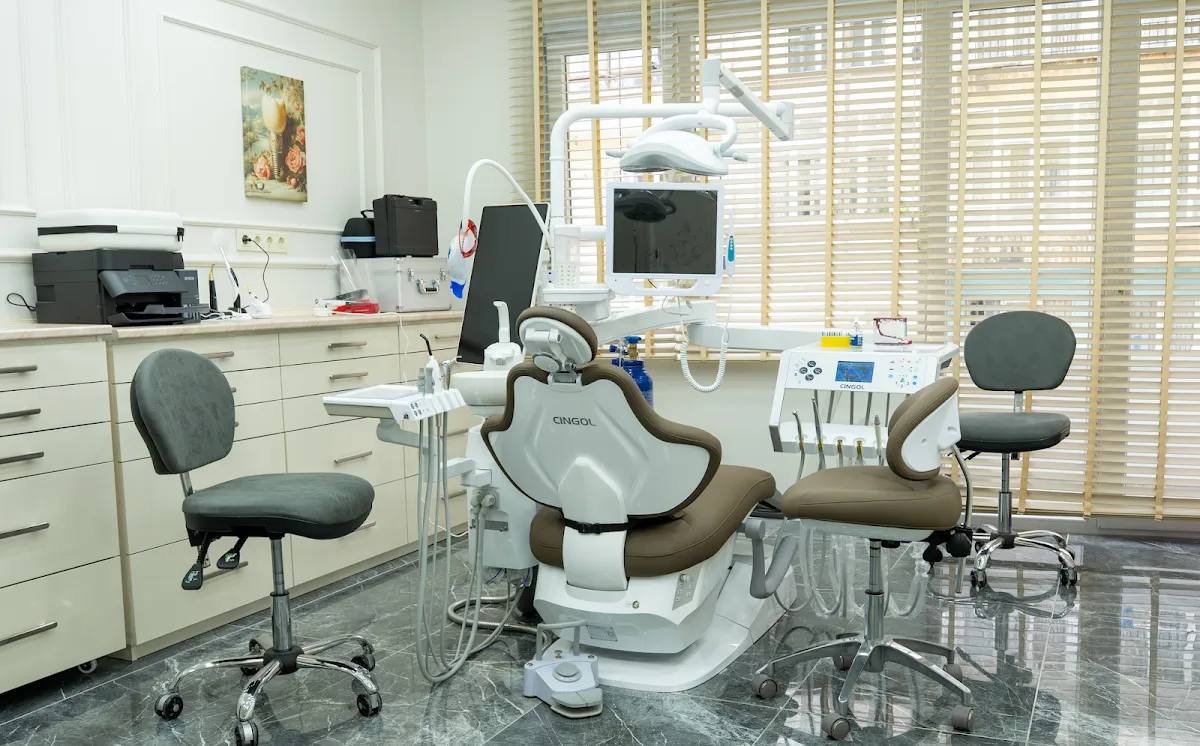

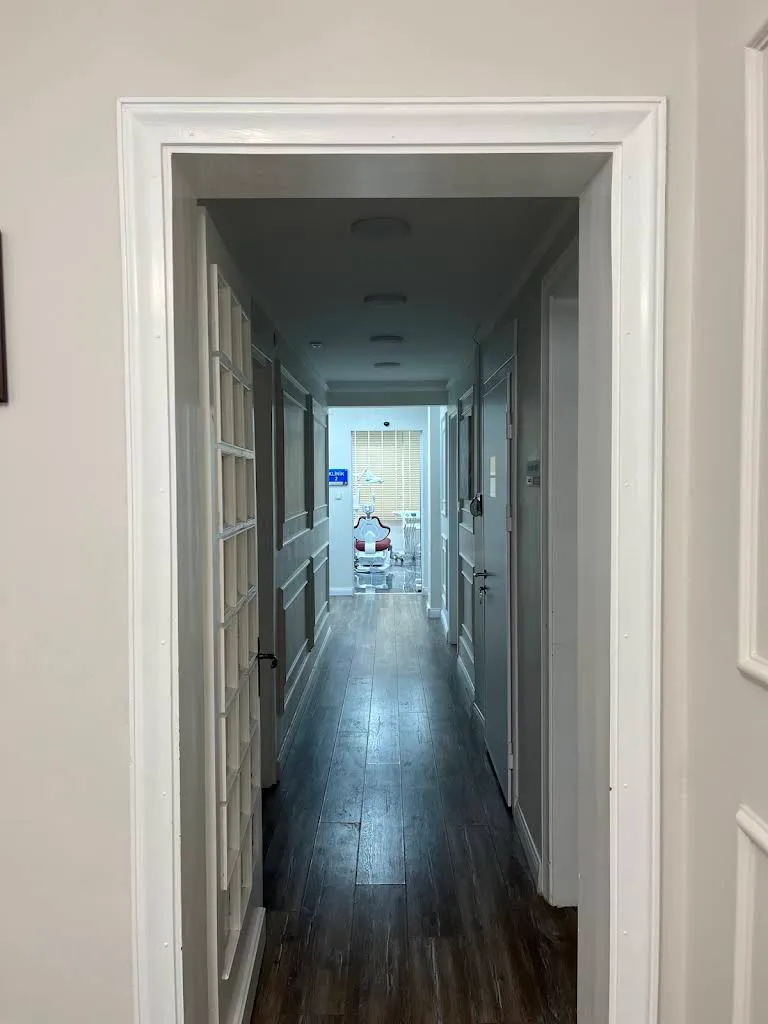
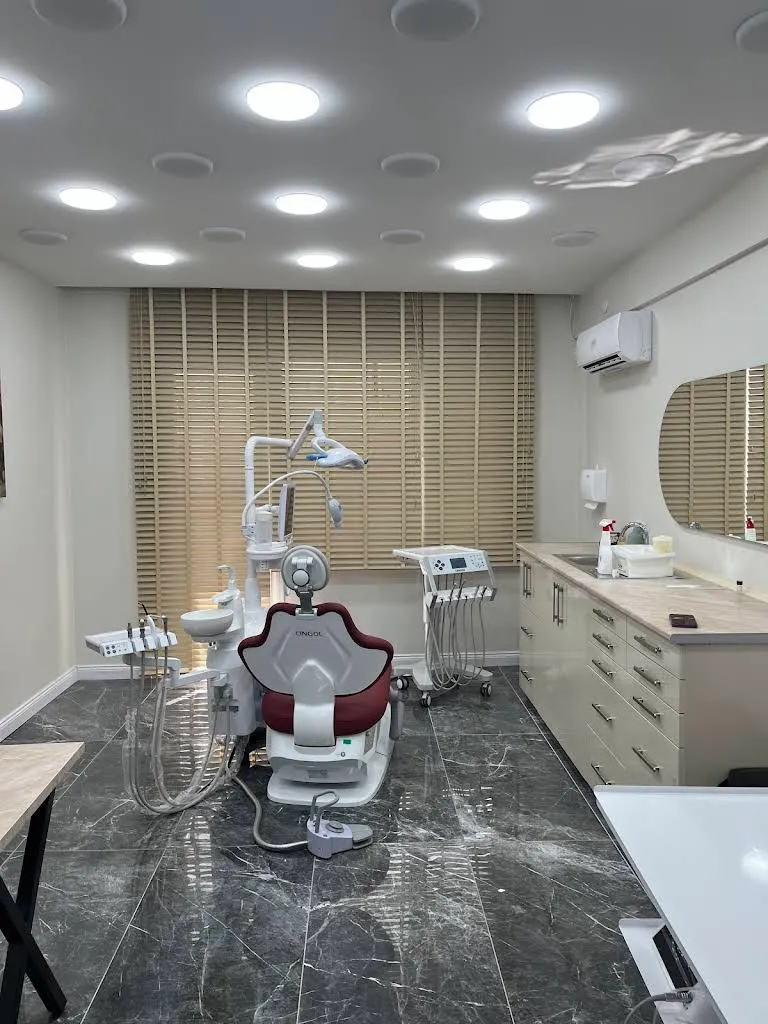
Digital diagnostics3D CT scan and intraoral scanning
Hygiene standardsProtocol-based sterilisation
Named dentistsYou know who treats you
English & GermanCoordinator at every appointment
How the treatment works
Dental Crowns procedure step by step
Before you travel, you know what happens on which day.
- 01
Examination
X-rays and a check of each tooth. Any decay or root canal needs are treated first.
- 02
Preparation and scan
The tooth is shaped and scanned; a temporary crown protects it.
- 03
Laboratory
Your crowns are designed and milled, then characterised by hand.
- 04
Fitting
Try-in, bite check and permanent cementation.
Get your personal treatment timelineHow many days, which appointments, when to return — in writing, before you book.
Recovery & aftercare
Dental Crowns: recovery & aftercare
- First days
Some sensitivity and a "new bite" feeling are normal.
- Every day
Brush along the gum line and floss around each crown.
- Yearly
Check-up and X-ray of crowned teeth where indicated.
In-depth guide
What are dental crowns and when do you need one?
A crown replaces the outer shell of a tooth. The dentist removes a thin, even layer from all surfaces, and a ceramic cap is bonded or cemented over the remaining core. Because it encircles the tooth, a crown holds weakened walls together and spreads chewing forces in a way a large filling cannot.
Typical reasons for a crown include:
- A cracked or fractured tooth, especially a back tooth with a split cusp
- A filling that covers more than roughly half of the biting surface
- A root-treated molar or premolar, which becomes more brittle over time
- Teeth worn short by grinding or acid erosion
- An old crown with a dark gum line, leaking margin or poor colour match
- The final tooth on a dental implant or the anchor teeth of a bridge
If most of your tooth is still healthy, a more conservative option may be better. An inlay or onlay repairs only the damaged part, and a veneer covers only the front surface. During the online assessment our dentists tell you honestly whether a crown is really needed.
Types of dental crowns in Turkey: zirconia, E.max and porcelain-fused-to-metal
Each crown material has a different balance of strength, light transmission and cost. The right choice depends on where the tooth sits, how strongly you bite, the colour of the tooth underneath and your aesthetic goals.
Zirconia crowns
Zirconia is a high-strength ceramic milled from a solid block. Monolithic zirconia (one solid piece) is extremely resistant to chipping and is the usual choice for molars, long bridges and people who grind. Layered or multilayer zirconia adds more natural colour gradients for teeth in the visible zone. Modern translucent zirconia can look very natural, although it is still slightly more opaque than glass-ceramic. More detail is on our zirconia crowns page.
E.max crowns
E.max is a lithium disilicate glass-ceramic. It lets light pass through in a similar way to natural enamel, so it is the preferred option for front teeth and for cases where crowns sit next to veneers. It is strong enough for single crowns in most positions, but it is not the first choice for long bridges or heavy grinders.
Porcelain-fused-to-metal crowns
PFM crowns have a metal substructure covered with porcelain. They have a long track record and remain a reasonable budget option for back teeth. The downsides are aesthetic: the metal blocks light, and a grey line can appear at the gum if it recedes. Patients with a known metal sensitivity should choose a metal-free crown.
| Feature | Monolithic zirconia | Layered zirconia | E.max | Porcelain-fused-to-metal |
|---|---|---|---|---|
| Strength | Very high | High | High (single crowns) | High |
| Chipping risk | Very low | Low to moderate | Low | Moderate |
| Translucency | Moderate | Good | Excellent | Low |
| Best position | Molars, bridges | Premolars, visible areas | Front teeth | Back teeth |
| Suitable for grinders | Yes, with night guard | With caution | With caution | With caution |
| Metal-free | Yes | Yes | Yes | No |
| Relative cost | Mid | Mid to high | Higher | Lower |
For a closer look at the two most popular metal-free options, read our guide Zirconia vs E.max crowns.
How many days do you need in Turkey for dental crowns?
Most crown treatments are completed in one trip of five to seven days. Larger cases with many crowns, root canal treatments or gum treatment may need seven to ten days. A second trip is usually only needed if crowns are part of a wider plan, for example on implants that must heal first.
A typical schedule looks like this:
| Day | What happens |
|---|---|
| Day 1 | Arrival, transfer to hotel. Consultation, X-rays or 3D CBCT scan, final treatment plan |
| Day 2 | Any fillings, build-ups or root canal treatment. Tooth preparation, digital scan, shade selection, temporary crowns |
| Day 3 | Free day while the laboratory designs and mills your crowns |
| Day 4 | Try-in: shape, fit, bite and colour checked, adjustments sent back to the lab if needed |
| Day 5 | Free day for final glazing and characterisation |
| Day 6 | Permanent cementation, bite adjustment, hygiene instructions |
| Day 7 | Final check and flight home |
The exact order depends on your mouth. If a tooth needs a root canal, this is done and settled before the final crown is cemented.
Who is a good candidate for crowns in Turkey?
Most adults with a structurally damaged tooth are suitable, provided the tooth root and surrounding bone are healthy. Before planning, our dentists check a few points.
Usually suitable
- Healthy gums or gum disease that has been treated and is stable
- A tooth root that is firmly anchored, with no untreated infection
- Enough tooth structure above the gum to retain a crown, or the option of a build-up
- Realistic expectations about how the tooth will look next to natural teeth
Needs extra care or a different plan
- Active gum disease: crowns placed on inflamed gums may lead to recession and exposed margins, so gum treatment comes first
- Bruxism (grinding or clenching): monolithic zirconia and a night guard are advised
- Heavy smoking: does not affect the crown itself, but increases the risk of gum problems and staining at the margins
- Very short or broken-down teeth: may need a post, a crown lengthening procedure or, in some cases, extraction and an implant
- Uncontrolled diabetes or other medical conditions: these can affect gum healing and are discussed during the assessment
- Young teenagers: large nerves and still-growing gums usually make crowns a later decision
How long do dental crowns last?
Crowns do not last forever, but they are among the most durable restorations in dentistry. Systematic reviews report five-year survival rates for modern single crowns of roughly 90–97%, with metal-ceramic and lithium disilicate crowns at the upper end of that range. Many crowns remain in service for 15 years or longer.
The crown material rarely wears out first. Crowns are most often replaced because of new decay at the edge where crown meets tooth, gum recession exposing the margin, or a fracture of the tooth underneath.
How to make your crowns last longer
- Clean the margin carefully every day with floss, tape or interdental brushes
- Use a fluoride toothpaste and limit frequent sugary snacks and acidic drinks
- Wear a night guard if you grind your teeth
- Avoid biting on ice, pen caps, bottle tops or hard sweets
- Attend a check-up with a local dentist at least once a year, with X-rays where indicated
Are dental crowns in Turkey safe? Risks and how they are managed
Crown treatment is a routine procedure, and the risks are the same in Istanbul as in London or Munich. What matters is the diagnosis, the precision of the fit and the quality of the laboratory work.
Possible complications
- Sensitivity: common for a few days after preparation and usually fades on its own
- Nerve irritation: studies report that a small percentage of crowned vital teeth later need a root canal, which is why we assess each nerve beforehand
- High bite: a crown that is slightly too high can cause soreness; it is adjusted in minutes
- Chipping or fracture: reduced by choosing the right material for your bite
- Decay or gum irritation at the margin: prevented by an accurate fit and good daily cleaning
- Loose crown: rare with modern adhesive cementation; the crown can usually be re-cemented
How we reduce these risks
Before any preparation, our dentists take X-rays or a 3D CBCT scan to check roots, nerves and bone. Teeth are scanned digitally for an accurate fit, and every crown is tried in before it is cemented so the bite and margins can be checked in your mouth. You do not fly home until both you and the dentist are satisfied.
Does getting a crown hurt? Anaesthesia and comfort
Crown preparation is carried out under local anaesthesia, so you should feel pressure and vibration rather than pain. The numbness wears off after two to four hours. Afterwards, mild sensitivity to cold or pressure for a few days is normal and is usually managed with standard over-the-counter pain relief.
If you are anxious about dental treatment, tell your coordinator in advance. Appointments can be split into shorter sessions, and options for additional sedation can be discussed with your dentist where medically appropriate.
Pros and cons of dental crowns
No treatment is right for everyone. Here is an honest summary.
Advantages
- Protects cracked, root-treated or heavily filled teeth from splitting
- Restores full chewing function and the original tooth shape
- Metal-free options look natural and do not cause a grey gum line
- Can change the colour, length and shape of a tooth at the same time
- Durable, with good long-term data
Disadvantages
- More tooth structure is removed than for a veneer, inlay or onlay, and this cannot be reversed
- The tooth may need a new crown again in the future
- Crowns do not whiten, so any whitening should be done before the shade is chosen
- A small risk of nerve problems after preparation
Dental crowns vs alternatives
Depending on how much of the tooth is left, there may be other options worth considering.
| Option | Tooth removal | Best for | Limitations |
|---|---|---|---|
| Crown | Moderate, all sides | Weak, broken or root-treated teeth | Least conservative of the tooth-borne options |
| Onlay | Minimal, damaged part only | Large cavity with strong remaining walls | Not enough if the tooth is severely weakened |
| Veneer | Minimal, front surface | Healthy front teeth with cosmetic issues | Does not reinforce a weak tooth |
| Large filling | Minimal | Small to medium cavities | Higher risk of fracture in large restorations |
| Extraction and implant | Tooth removed | Teeth that cannot be saved | Surgery and healing time before the crown |
You can read more about the conservative alternatives on our inlays and onlays page.
Why dental crowns cost less in Turkey and what affects the price
The price difference is mainly due to lower running costs, not lower-quality materials. Clinic rent, staff wages and dental laboratory fees in Istanbul are considerably lower than in the UK, Ireland or Germany.
The price of your treatment depends on several factors:
- The number of crowns and the material chosen for each tooth
- Whether teeth need a build-up, post or root canal treatment first
- Removal of old crowns or bridges
- Gum treatment or other preparatory work
- Whether you book a package with hotel and VIP transfers
Please see the price table on this page for current prices per crown. Your personal quote is always written and itemised, so you know exactly what is included before you travel.
Guarantee and aftercare after you fly home
Your crowns come with written guarantee terms that explain what is covered, for how long, and what you need to do to keep the guarantee valid, such as regular check-ups and good oral hygiene.
Once you are home, our team remains available for questions. If you notice sensitivity, a change in your bite or anything unusual, you can send photos and a description to your coordinator, and our dentists advise you on the next steps. Small issues such as a high bite or a loose crown can often be managed by a local dentist, and we share your treatment records and X-rays so they have everything they need.
How to choose a clinic for dental crowns in Turkey
Crown work looks simple from the outside, but the fit at the gum line determines how long it lasts. When you compare clinics, ask these questions:
- Will a dentist review my X-rays and photos before I travel, and do I get a written, itemised plan?
- Which materials and brands are used, and why is each one recommended for my teeth?
- Are healthy teeth crowned only when there is a clear clinical reason?
- Is there a digital scan and a try-in before final cementation?
- How are root canal needs and gum health assessed before preparation?
- Are the guarantee terms written down, and what aftercare is offered once I am home?
- Can I speak to a coordinator in my own language before and during treatment?
At Doctor Turka, Dr. Taha G and Dr. Hatice G plan every case personally, explain why a crown is or is not needed, and discuss the material options with you before any preparation. Our aim is a result that works for your bite and your long-term oral health, not simply the maximum number of crowns.
If you are unsure whether you need crowns, veneers or something else, send us your photos and X-rays for a free assessment. You will receive a written plan within 24 hours, with no obligation to book.
Cost
Dental Crowns cost in Turkey
Transparent starting prices per unit — your personal, fixed price arrives in writing and free of charge within 24 hours, once a dentist has seen your case.
Dental Crowns in Istanbul
from€120per tooth
- Porcelain crown€120
- Zirconia crown€150
- E.max crown€205
- Temporary crown€120
Indicative starting prices per unit. Your personal, fixed price is confirmed in writing after a dentist has reviewed your photos or X-ray.
Dental Crowns: Turkey vs UK, Ireland, Germany & USA
| Treatment |  Turkey Turkey |  UK UK |  Ireland Ireland |  Germany Germany |  USA USA | You save |
|---|---|---|---|---|---|---|
| Crown (per tooth) | €125 | €385 | €415 | €380 | €555 | up to 77% |
Comparison: typical private-practice prices, rounded. Turkey: our starting price for the treatment.
Your price depends on
- Number of crowns in your treatment plan
- Material per tooth: porcelain-fused-to-metal, zirconia or E.max
- Build-ups or posts for heavily damaged teeth
- Root canal treatment needed before crowning
- Removal of old crowns or bridges
- Gum treatment or other preparatory work
- Crowns on implants versus natural teeth
- Package extras such as hotel and VIP transfers
Included in your package
Everything arranged, one point of contact
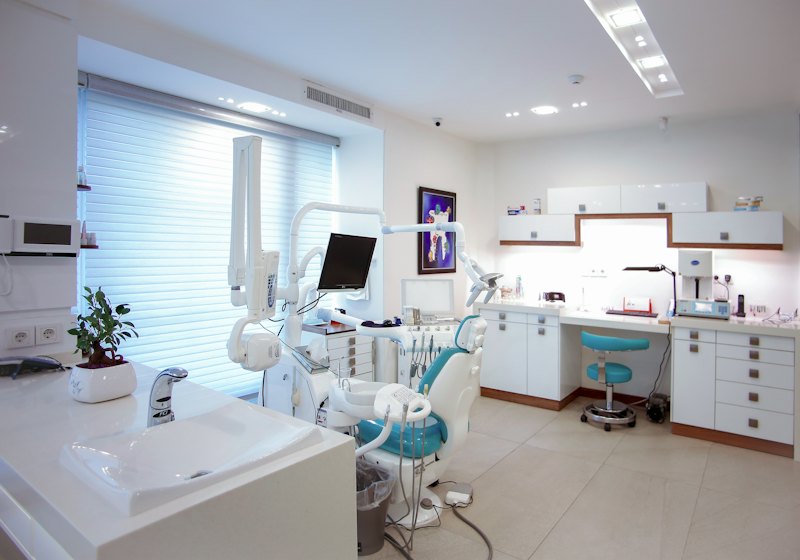
Your treatmentBy named, licensed dentists, as agreed in your plan
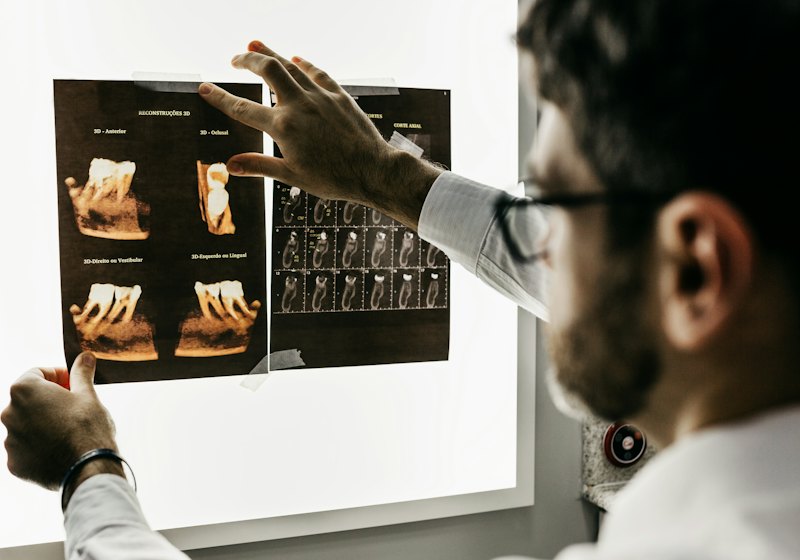
X-rays & 3D scansPanoramic X-ray and CBCT where needed

HotelComfortable, hand-picked hotel close to the clinic

VIP transfersAirport · hotel · clinic, for every appointment

Personal coordinatorEnglish and German, 7 days a week
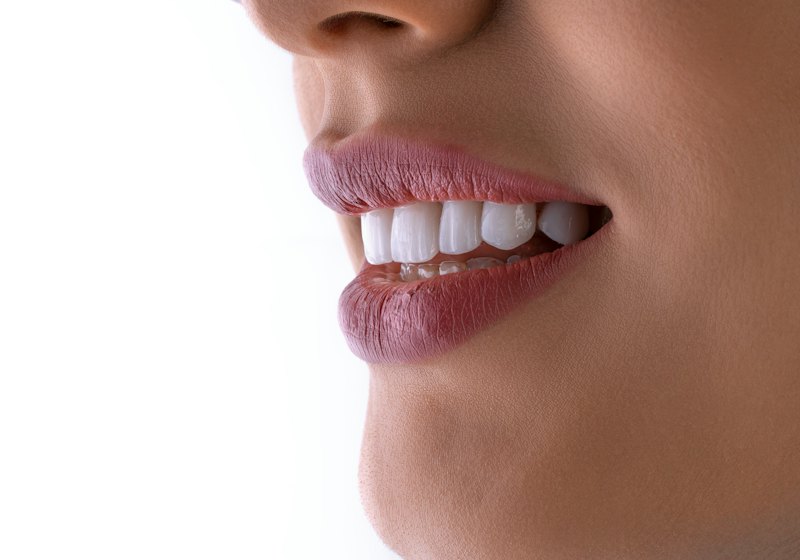
Guarantee & aftercareWritten terms and support after you return home
Dentists
View all Who will treat you
Dentist · Doctor Turka
Dr. Taha G
Plans and carries out treatment for Doctor Turka patients at our clinic in Istanbul.
Treatment planningImplant dentistryCrowns & bridges
View profile 
Dentist · Doctor Turka
Dr. Hatice G
Treats Doctor Turka patients at our clinic in Istanbul, with a focus on aesthetic and restorative dentistry.
Aesthetic dentistryVeneers & smile designCrowns
View profile 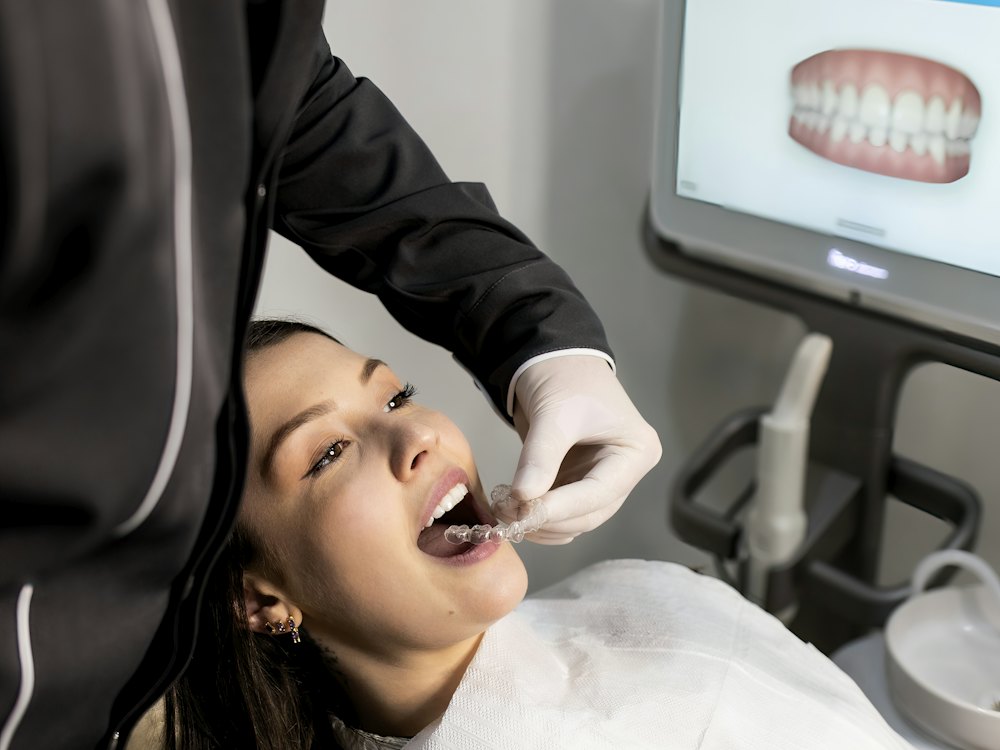
Free online assessment
Have an X-ray? We will review it for free.
- Send photos or an X-ray
- A dentist reviews your case
- Plan & quote within 24 hours
How much do dental crowns cost in Turkey?
The cost depends mainly on the material (porcelain-fused-to-metal, zirconia or E.max), the number of crowns and whether any build-ups, root canals or removal of old crowns are needed. Current per-crown prices are shown in the price table on this page. Patients typically save 50–70% compared with private clinics in the UK, Ireland or Germany, and you receive a written, itemised quote before you travel.
How many days do I need to stay in Turkey for crowns?
Most patients stay five to seven days. This allows time for examination, preparation, digital scanning, laboratory work, a try-in and permanent cementation. If you need many crowns, root canal treatment or gum treatment first, plan for seven to ten days. Your coordinator will confirm the exact length of stay in your written treatment plan once our dentists have reviewed your X-rays.
How many trips are needed for dental crowns in Turkey?
For natural teeth, crowns are usually completed in a single trip. A second visit is only needed when crowns are part of a larger plan, for example crowns on implants that must heal for a few months first, or complex full-mouth cases where gums need time to settle. We explain the number of visits clearly in your treatment plan before you book anything.
Does getting a crown in Turkey hurt?
Tooth preparation is done under local anaesthesia, so most patients feel pressure and vibration rather than pain. Once the numbness wears off, some sensitivity to cold or biting for a few days is normal and usually settles with standard pain relief. If you are nervous, tell your coordinator beforehand so appointments can be adapted and sedation options discussed with your dentist.
Which is better, zirconia or E.max crowns?
Neither is better in every situation. Zirconia is stronger and is usually recommended for molars, bridges and people who grind their teeth. E.max has more natural translucency and is often preferred for front teeth or next to veneers. Many patients have a combination: E.max at the front and zirconia at the back. Our dentists recommend a material for each tooth based on your bite.
Are porcelain-fused-to-metal crowns still a good option?
Porcelain-fused-to-metal crowns have a long clinical track record and can be a sensible, more affordable choice for back teeth. Their drawbacks are aesthetic: the metal core makes them less lifelike, and a grey line may appear if the gum recedes. They are not recommended if you have a metal sensitivity. For visible teeth, most patients choose a metal-free crown.
How long do dental crowns from Turkey last?
Crowns made in Turkey use the same materials as crowns made in the UK or Germany, so their lifespan is comparable. Studies report five-year survival rates of roughly 90–97% for modern single crowns, and many last 15 years or more. How long yours last depends largely on daily cleaning at the gum line, regular check-ups and protecting them from grinding.
Is it safe to get crowns in Turkey?
Crown treatment is a routine procedure, and the risks are the same wherever it is done. Safety depends on proper diagnosis, an accurate fit and good laboratory work. At Doctor Turka, teeth are examined with X-rays or a 3D CBCT scan, scanned digitally and every crown is tried in before cementation. You also receive written guarantee terms and aftercare support after you return home.
Do my teeth need a root canal before getting crowns?
Not usually. A root canal is only needed if the nerve is already inflamed, infected or has died, or if very little tooth structure remains. Our dentists check each tooth with X-rays and clinical tests before preparation. Studies report that a small proportion of crowned teeth develop nerve problems later, which is why careful assessment beforehand is important.
Can I fly home straight after getting my crowns?
Yes. Crown treatment does not involve surgery, so there is no medical reason to delay flying after the final cementation. Most patients fly home the day after their last appointment so a final check can be done. Some sensitivity during the flight is possible but uncommon. If you also had extractions or implant surgery, your dentist will advise you separately.
What can I eat with temporary and permanent crowns?
With temporary crowns, avoid sticky foods such as toffee or chewing gum and very hard foods like nuts or crusty bread, and chew on the other side where possible. Once the permanent crowns are cemented you can eat normally as soon as the anaesthetic has worn off. Long term, avoid biting on ice, bones or hard sweets to protect both crowns and natural teeth.
What happens if a crown comes loose or breaks after I get home?
Contact your coordinator with photos and a short description. Our dentists will advise whether it can be re-cemented by a local dentist or whether a replacement is needed. Your written guarantee terms explain what is covered and under which conditions. We can share your treatment records and X-rays with your local dentist so they have everything needed.
Is there an age limit for dental crowns?
There is no upper age limit as long as the tooth root, gums and general health allow it. Many older patients have crowns to protect worn or heavily filled teeth. For teenagers, crowns are usually postponed because the nerve chamber is large and the gums are still developing, so temporary solutions or fillings are often preferred until adulthood.
Can crowns be whitened later?
No, ceramic crowns keep the colour they are made in and do not respond to whitening gel. If you would like whiter natural teeth, whitening should be done before your crowns are made, so the shade can be matched to the new colour. For front crowns, the shade is selected together with you in natural light and checked again at the try-in.
Do I need crowns or veneers?
It depends on how much healthy tooth structure you have. If the tooth is largely intact and you mainly want to change its colour or shape, a veneer is more conservative. If the tooth is broken, heavily filled, root-treated or worn down, a crown gives better protection. Our dentists recommend the least invasive option that will be reliable for your teeth.
Related guides
Decide well informed
Dental travel
Planning Dental Treatment in Turkey: A Step-by-Step Guide
From the first photo to the flight home — how to plan your dental trip to Istanbul calmly and without surprises.
Veneers & crowns
Zirconia vs E.max Crowns: Strength, Looks and Where Each Fits Best
Both are metal-free ceramics, but they shine in different places. A practical guide to choosing the right crown material.
Get your free quote
Your free treatment plan is one message away
Send a few photos of your smile. A dentist reviews your case and you receive a clear, written plan — free and without obligation.
- Reply within 24 hours, 7 days a week
- Plan and quote in writing
- No obligation, no pressure
Your free treatment plan
Send us a few details — a dentist reviews your case and our coordinator replies within 24 hours.
Prefer to chat? WhatsApp us