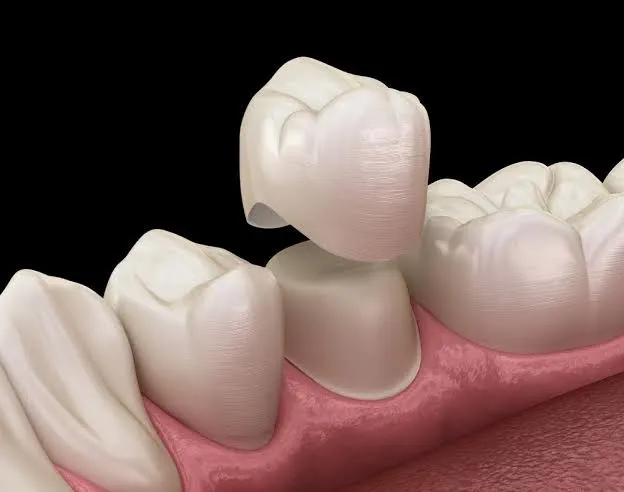
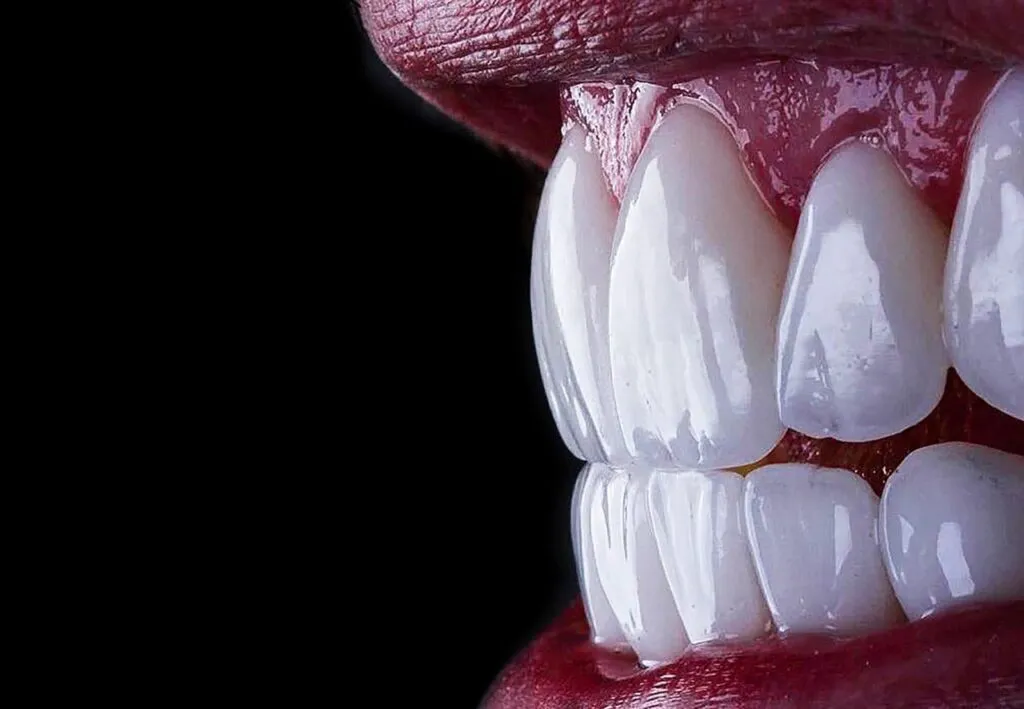
Before
After
Zirconia crowns · front and side
Old crowns and a dark root-treated tooth renewed with metal-free zirconia.
Discuss my optionsWritten price on WhatsApp, reply within 15 minutes
Laboratory-made ceramic inlays and onlays for large cavities, cracked cusps and old amalgam fillings: stronger than a big filling, far more conservative than a crown. Usually one trip of 4-6 days.
“I was really nervous at first, but the dentists were honestly lovely.”Serra · Trustpilot
 and
 Read reviews
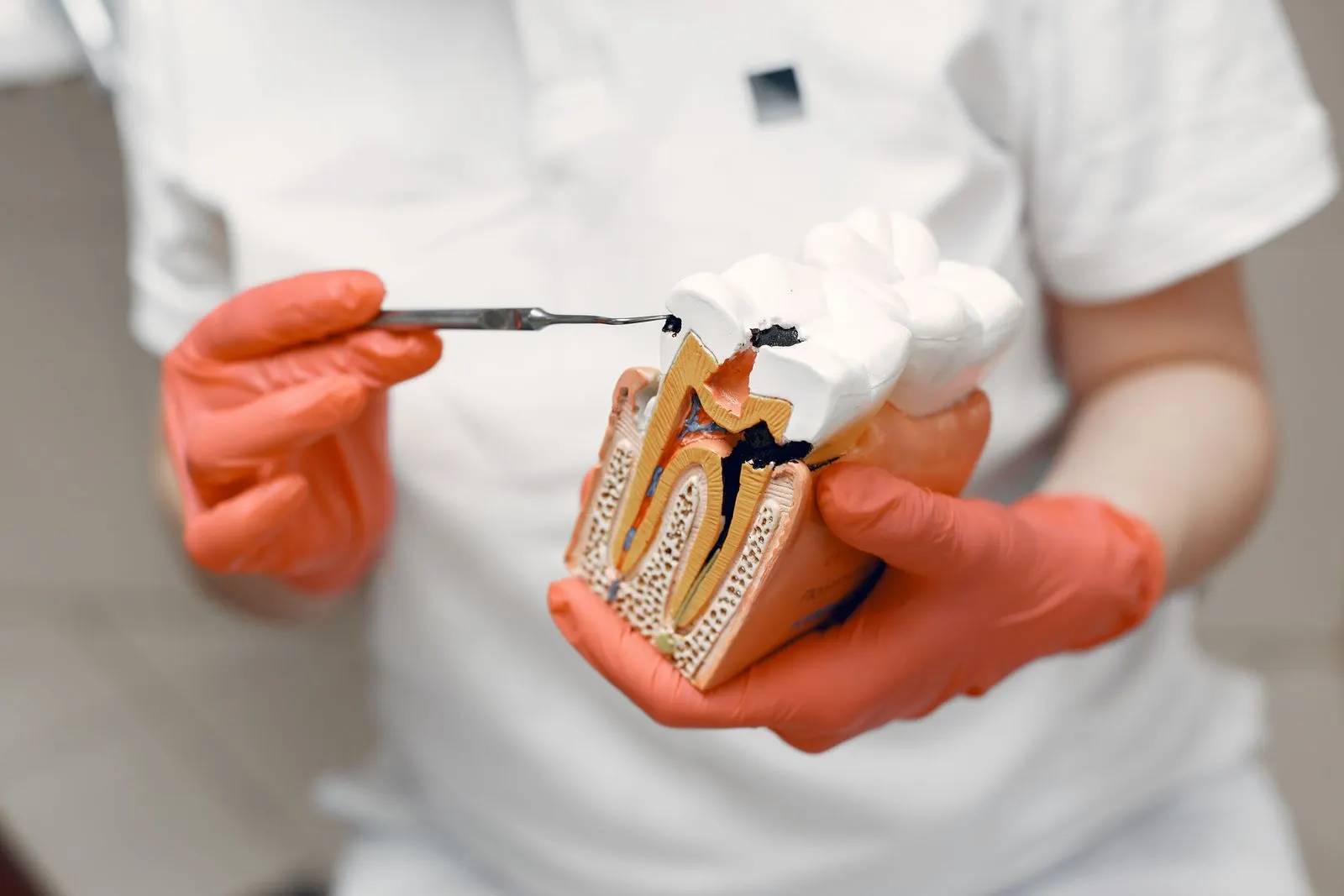
Inlays and onlays in Turkey are chosen by patients who want to repair large cavities or replace old fillings without crowning the tooth. Both are indirect restorations: after the damaged part is removed, the tooth is scanned, a dental laboratory makes a precisely fitting piece of ceramic, and it is bonded into the tooth. An inlay sits within the cusps, like a very accurate filling. An onlay also covers one or more cusps, protecting weakened walls from cracking.
The main reason to choose an inlay or onlay over a crown is tooth conservation. A crown removes about 1-2 mm from every surface of the tooth, including healthy enamel. An onlay removes only what is damaged, plus enough to give the ceramic a safe thickness. That keeps more enamel for bonding, keeps the margin above the gum where it is easier to clean, and leaves room for a crown later if one is ever needed.
Inlays and onlays are not right for every tooth. If too little sound tooth remains, a crown is still the safer choice; if the cavity is small, a direct composite filling is simpler. At our clinic in Ataköy, Istanbul, Dr. Taha G and Dr. Hatice G make that decision tooth by tooth after removing the old filling and seeing the walls. Treatment usually takes one trip of four to six days, and many patients combine it with crowns or veneers on the same visit. Packages can include hotel nights and VIP transfers, with a coordinator who speaks English and German.































Every smile is different. Ask us for cases similar to yours.
Illustrative example: not a Doctor Turka patient.
Verified review“I had my implants and zirconia crowns done here and I’m sooo happy with my new teeth!! 🥹 I was really nervous at first, but the dentists were honestly lovely. They explained everything and made me feel so comfortable. Everyone looked after me from start to finish, and my teeth look so natural. I can’t stop smiling now haha. Thank you all so much!! 🤍🦷”
Verified review“I had my zirconium crowns done a couple of weeks ago and thought I'd share my experience because I know how difficult it can be to decide where to go. I spent ages looking at different clinics and reading reviews before finally booking. I was a bit nervous when I arrived, mainly because I wasn't sure how my teeth would look afterwards. I really didn't want them to be too white or have that obvious fake look. The dentist was lovely and we talked about the colour and shape before starting, which made me feel a lot better. The first few days were a little uncomfortable, especially with the temporary teeth, but nothing I couldn't manage. I actually asked to change the shape of my front teeth slightly during the fitting and they were completely fine with it. I'm so glad I did because the final result is exactly what I had in mind. I've been home for a little while now and everything feels good. My friends keep saying I look different but they can't quite figure out why 😂 I think that's probably the nicest compliment I could get because I wanted them to look natural. Also have to mention how helpful everyone was during my stay. I had a few questions along the way and always felt comfortable asking. Really happy with how everything turned out and glad I finally went ahead with it ❤️”
Verified review“I had zirconia crowns fitted at Doctor Turka and I am very happy with my new smile. I wanted a result that suited me, so it mattered that the team listened to what I liked and what I was unsure about. They took my questions seriously and explained the treatment without making me feel rushed. The staff were friendly throughout my appointments, which made the whole experience easier. What I appreciate most is feeling comfortable smiling again. Thank you to everyone involved in my care.”
Real treatments at our clinic in Istanbul, filmed with the patients' consent. Ask us for cases similar to your Inlays & onlays case.
Plans and carries out treatment for Doctor Turka patients at our clinic in Istanbul.

Treats Doctor Turka patients at our clinic in Istanbul, with a focus on aesthetic and restorative dentistry.
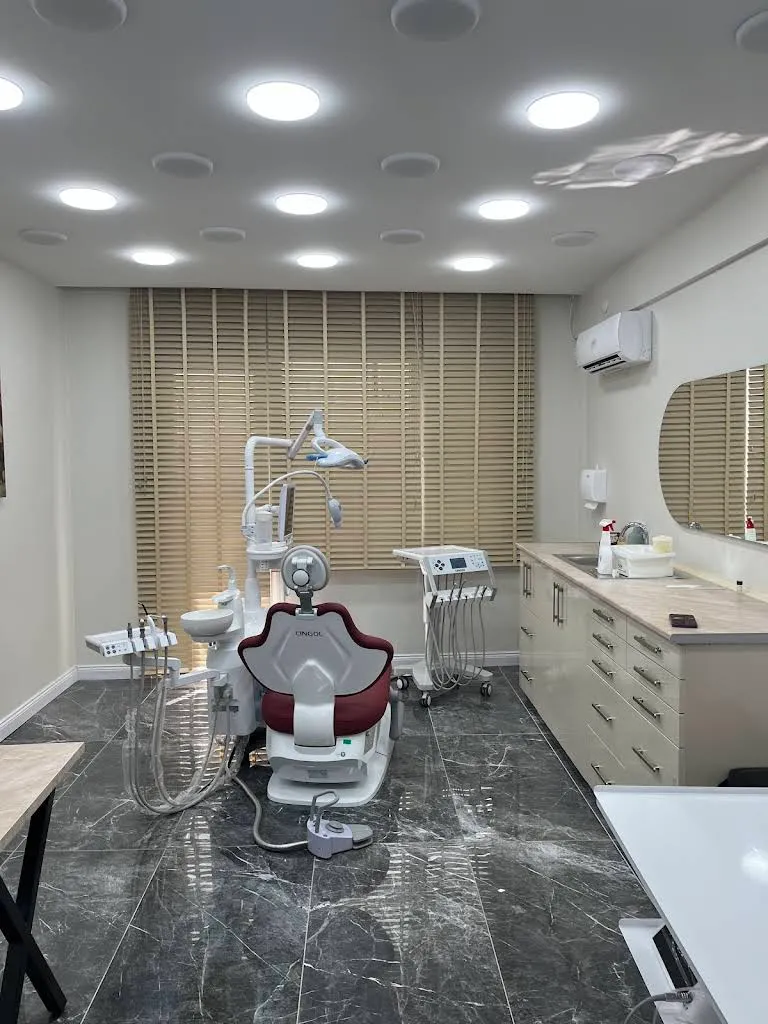
Our own treatment rooms in Istanbul, the same dentists plan and treat.
Learn more Replies within 15 minutes · 7 days a weekOur patient coordinator takes your questions; medical questions are answered by Dr. Taha G and the team: whether Inlays & onlays suits you, how long it takes and what the alternatives are.
Which option suits you is decided together with your dentist, based on your examination, not a catalogue.
Fills a cavity within the cusps of the tooth. Suitable when the walls around the cavity are thick and uncracked.
Covers one or more cusps as well. Protects weakened or cracked cusps and is the typical choice after large amalgam fillings.
Covers the whole biting surface with a thin ceramic layer. Used to rebuild teeth worn by grinding or erosion.
Covers most of the tooth but leaves healthy walls, often the cheek side, untouched. A middle way between onlay and full crown.
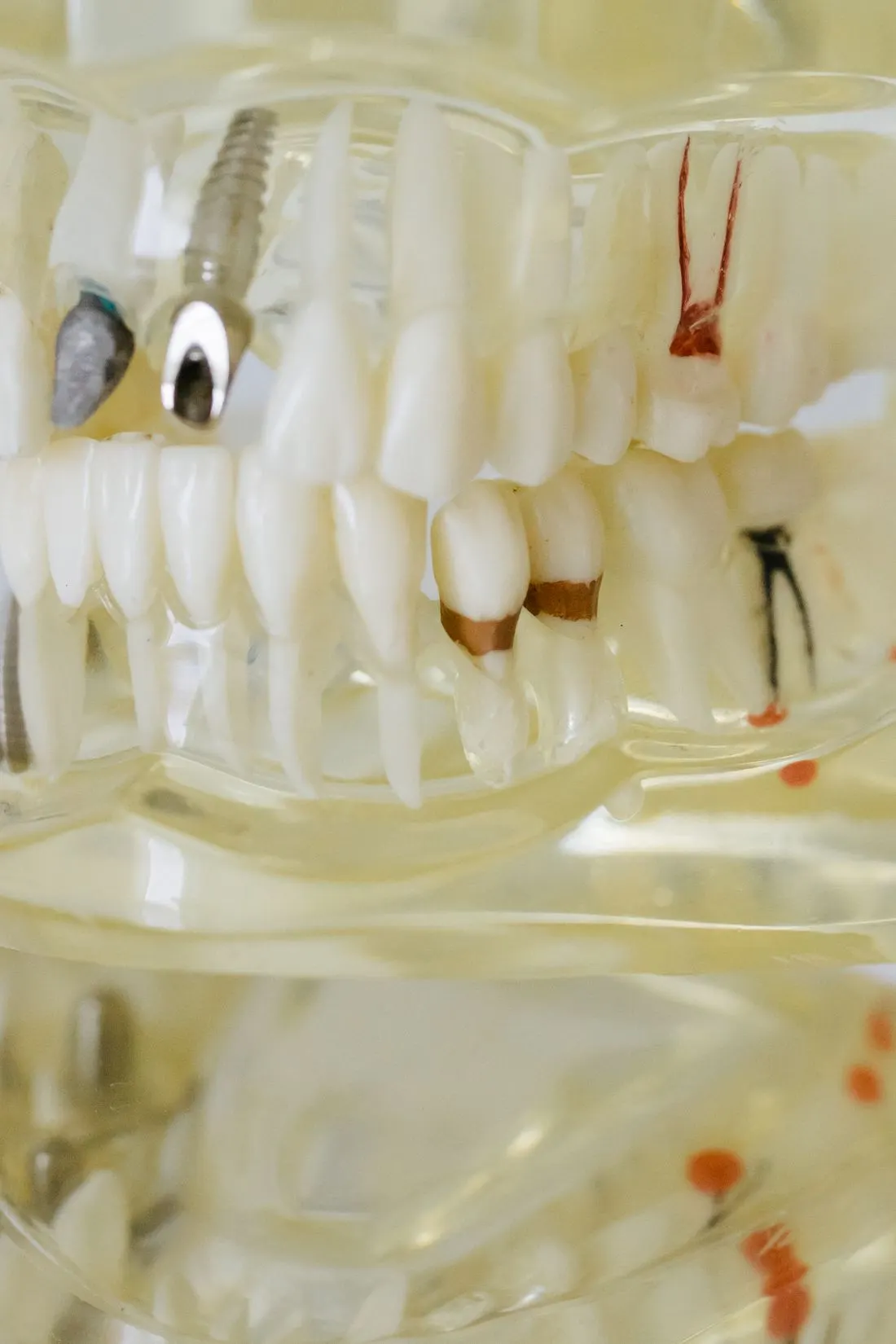
The dentist examines what is needed and explains which option suits your situation, including doing less.
Before you travel, you know what happens on which day.
You leave your contact details, your coordinator gets in touch, a dentist assesses your case and you receive a written, itemised plan and quote.
Clinical check, X-rays and, where needed, CBCT. Old fillings, cracks, decay and nerve vitality are assessed for each tooth.
Under local anaesthetic and isolation, old fillings and decay are removed, dentine is sealed, the cavity is shaped and scanned, and a temporary is placed.
The inlays or onlays are designed and milled or pressed in ceramic, then characterised and glazed. Free time in Istanbul.
Try-in, then adhesive bonding under rubber dam, removal of excess cement, bite adjustment and polishing.
A final check of bite and margins before your flight home, plus care instructions and your treatment records.
What shapes your personal plan
Starting prices from our price list, next to typical private fees at home. Your exact price is in your written plan after a dentist’s assessment.
UK, Germany, USA: published private fees, source numbers on the price list. Saving is calculated against the lower end of each range. Istanbul: our starting price. Your exact price is in your written plan after a dentist’s assessment. Sources
You save
up to 91%
compared with a private clinic at home, with the same implant systems and ceramics.
What to expect in the days and weeks after treatment, and what you can do yourself.
Eat once the anaesthetic has worn off. The bond is at full strength when you leave, so no special waiting time is needed.
Mild sensitivity to cold or biting can occur and usually fades. Persistent pain on biting may mean a high spot that needs adjusting.
Floss or use interdental brushes at the margins between teeth, where most inlays and onlays meet the neighbouring tooth.
Check-ups and bitewing X-rays at home, and a night guard if you clench or grind.
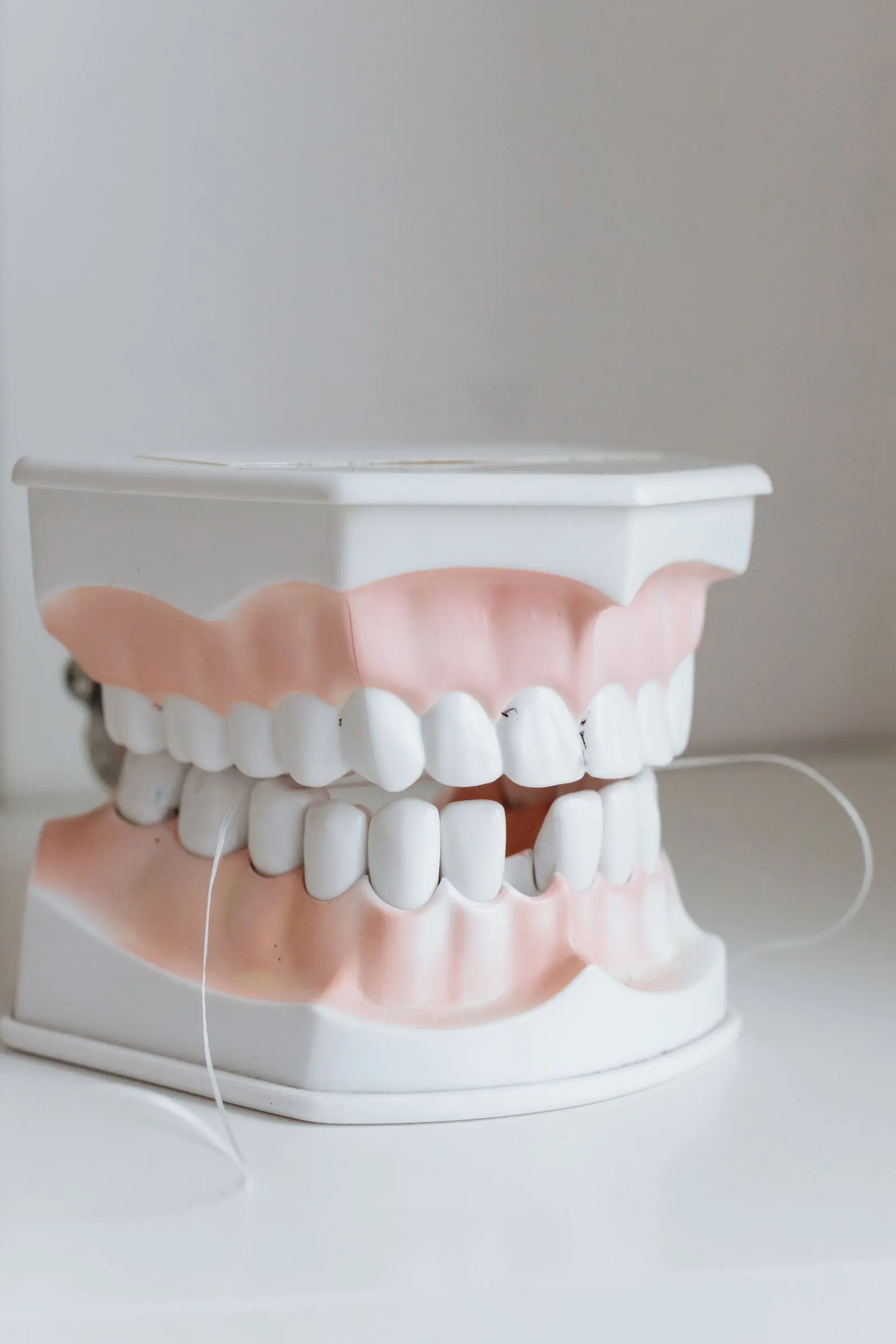
Good cleaning and regular check-ups keep the result healthy for years, you receive written care instructions.
Only damaged tooth is removed, so more enamel remains for bonding and for future treatment if ever needed.
A lab-made ceramic piece is denser and more wear-resistant than a large direct filling and protects cusps from cracking.
Most inlay and onlay margins sit on enamel above the gum line, where they bond well and are easy to clean and check.
Tooth-coloured ceramic replaces dark amalgam and blends in with the surrounding tooth.
Several teeth can be treated in the same trip as crowns or veneers, with one shade plan.
Your dentist goes through these points with you before treatment, openly and without sales pressure.
Your treatment takes place at our own clinic in Istanbul, with the same dentists who write your plan.
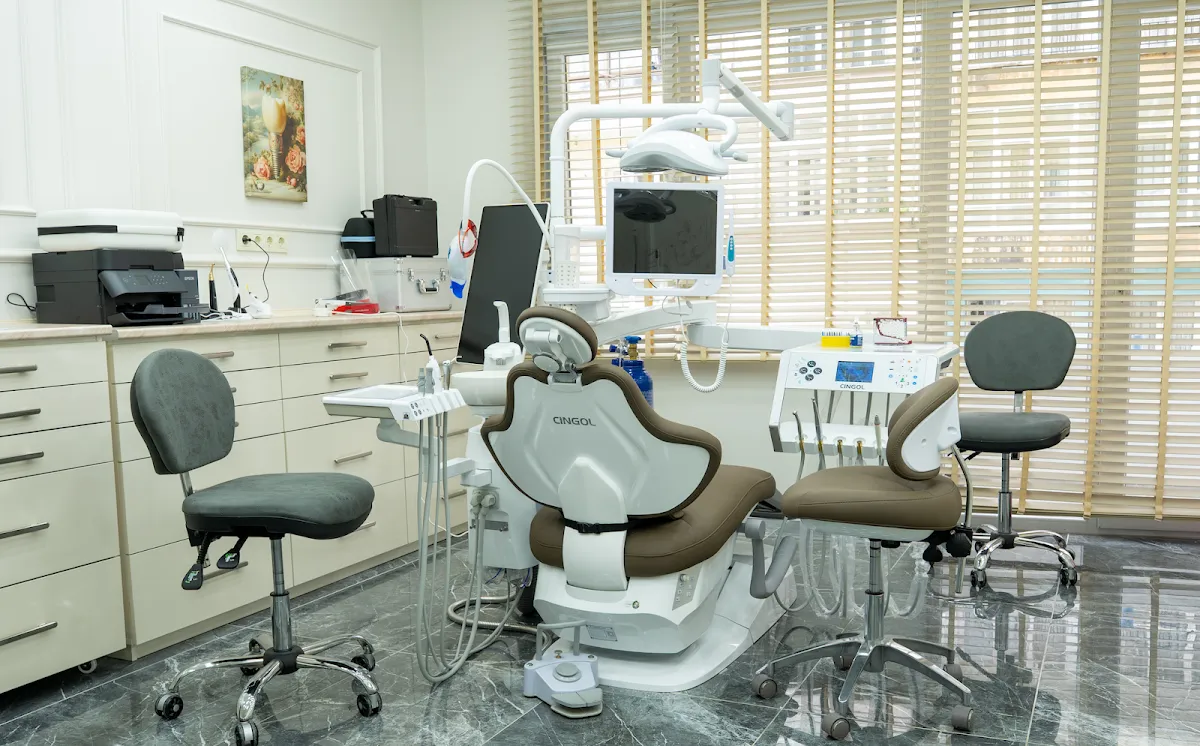
Inlays and onlays are indirect restorations for back teeth. Instead of building a filling up in the mouth, the dentist prepares the cavity, records it with a digital scan, and a dental technician produces the restoration in the laboratory. It is then tried in and bonded to the tooth with resin cement.
Because the restoration is made outside the mouth, the technician can shape contacts and biting surfaces precisely, and the ceramic is fired or crystallised to a strength and density that a direct filling cannot reach.
The guiding principle is to remove as little healthy tooth as possible while making the tooth strong enough to last. The deciding factors are the size of the cavity, the thickness of the remaining walls, cracks, and whether the tooth has had a root canal.
| Direct filling | Inlay | Onlay | Crown | |
|---|---|---|---|---|
| Size of defect | small to medium | medium to large | large, cusps involved | very large, walls thin or missing |
| Cusps covered | no | no | one or more | all |
| Healthy tooth removed | least | little | moderate | most, about 1-2 mm all round |
| Where it is made | in the mouth | laboratory | laboratory | laboratory |
| Margin position | variable | on enamel, above gum | on enamel, above gum | often at or below gum |
| Visits | one | two | two | two or more |
A practical rule many dentists use: if a remaining wall is thinner than about 2 mm at its base, or has a visible crack line, the cusp should be covered, which turns an inlay into an onlay. If most walls are thin or missing, a crown is the safer choice; see dental crowns for when full coverage is needed.
Crowns work well, but they remove healthy enamel all round, bring the margin close to or under the gum, and in living teeth carry a small risk of later nerve problems. An onlay keeps the healthy walls, bonds to enamel, and leaves a crown as a later option rather than using it up now. Studies of adhesive onlays show survival comparable to crowns in suitable teeth.
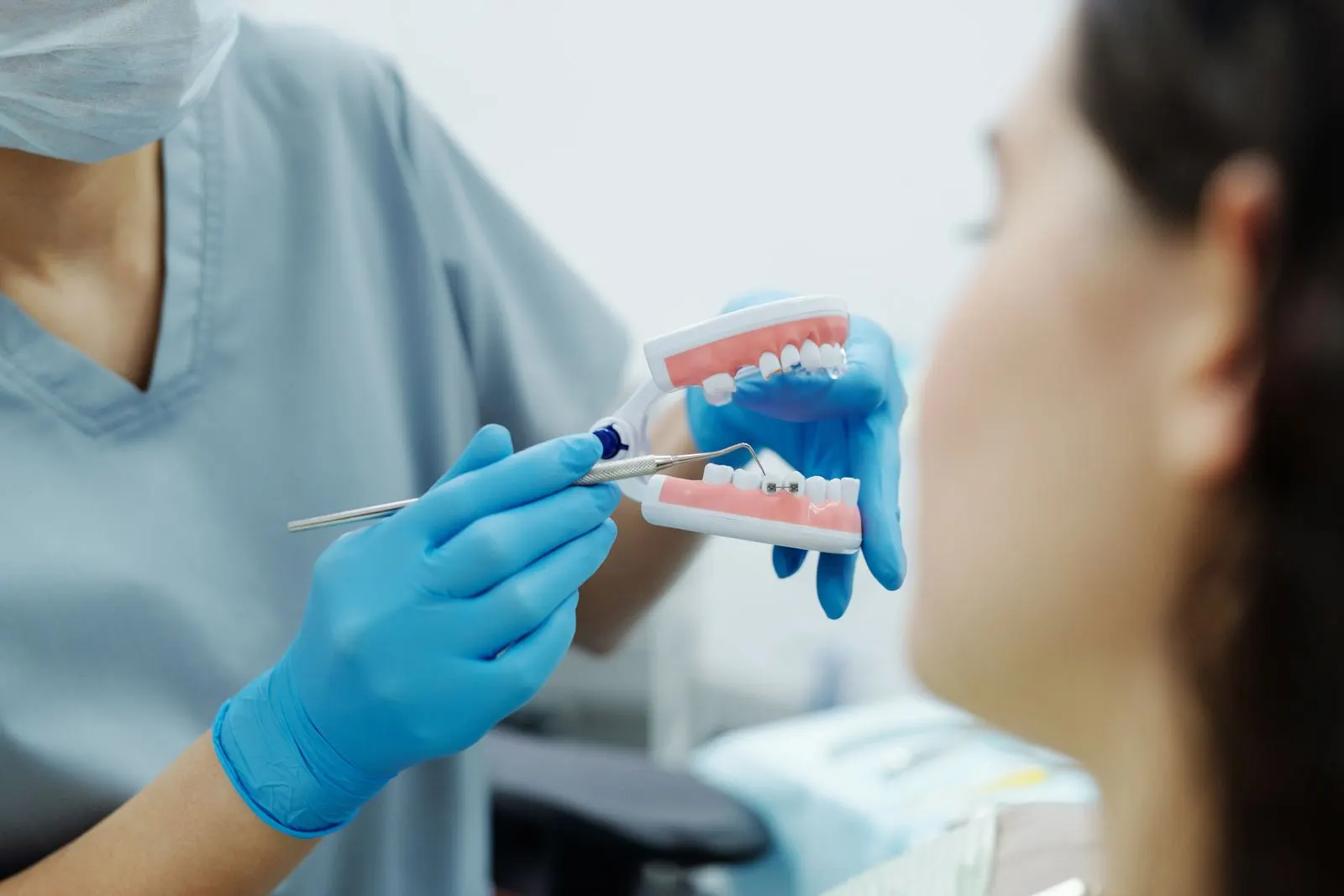
Before you fly home, the team shows you how to clean and look after your new teeth.
| Glass-ceramic (e.g. E.max) | Laboratory composite | Gold | |
|---|---|---|---|
| Appearance | tooth-coloured, natural | tooth-coloured | gold-coloured |
| Strength and wear | high strength, wear-resistant | lower, wears faster | very durable |
| Kindness to opposing teeth | good when polished | very good | very good |
| Fixing | adhesive bonding | adhesive bonding | cement |
| Repairable in the mouth | limited | yes | limited |
| Stain resistance | excellent | moderate | excellent |
Glass-ceramic, most often lithium disilicate such as E.max, is our usual choice: it is strong in thin sections, bonds very well to enamel and looks natural. More about the material is on E.max crowns. Laboratory composite is softer and easier to repair, which can suit patients with extensive restorations or where the opposing tooth is natural and worn. Gold inlays and onlays have an excellent long-term record, but they are visible and need more retentive shaping. Zirconia is rarely used for inlays, because it bonds less well and is more opaque.
Many patients come to replace large, dark amalgam fillings that are decades old. Common reasons are cracks in the tooth around the filling, leaking margins with decay underneath, or simply the appearance. The EU has phased out amalgam for new fillings, and many patients in the UK prefer tooth-coloured alternatives as well.
Removing amalgam releases some mercury vapour. The dentist uses isolation, high-volume suction and water cooling to keep exposure low. It is worth knowing that intact, symptom-free amalgam does not have to be replaced for general health reasons; the evidence does not support that. The decision should be based on the condition of the tooth and filling.
Large amalgam fillings often leave thin, cracked cusps behind. Once the old filling is out, the dentist can see the walls and decide between inlay, onlay and crown.
After a root canal, a back tooth is weaker and more prone to fracture. Research consistently shows that root-treated molars and premolars last longer with cusp coverage, but that coverage does not have to be a full crown. A bonded ceramic onlay or overlay, sometimes with the pulp chamber used for extra retention, can protect the tooth while keeping more of it. See root canal treatment for the first step.
Teeth with crack lines, often felt as a sharp pain when biting on something specific, are another good indication. An onlay that covers and splints the cracked cusps can stop the crack from spreading, provided it has not reached the root.
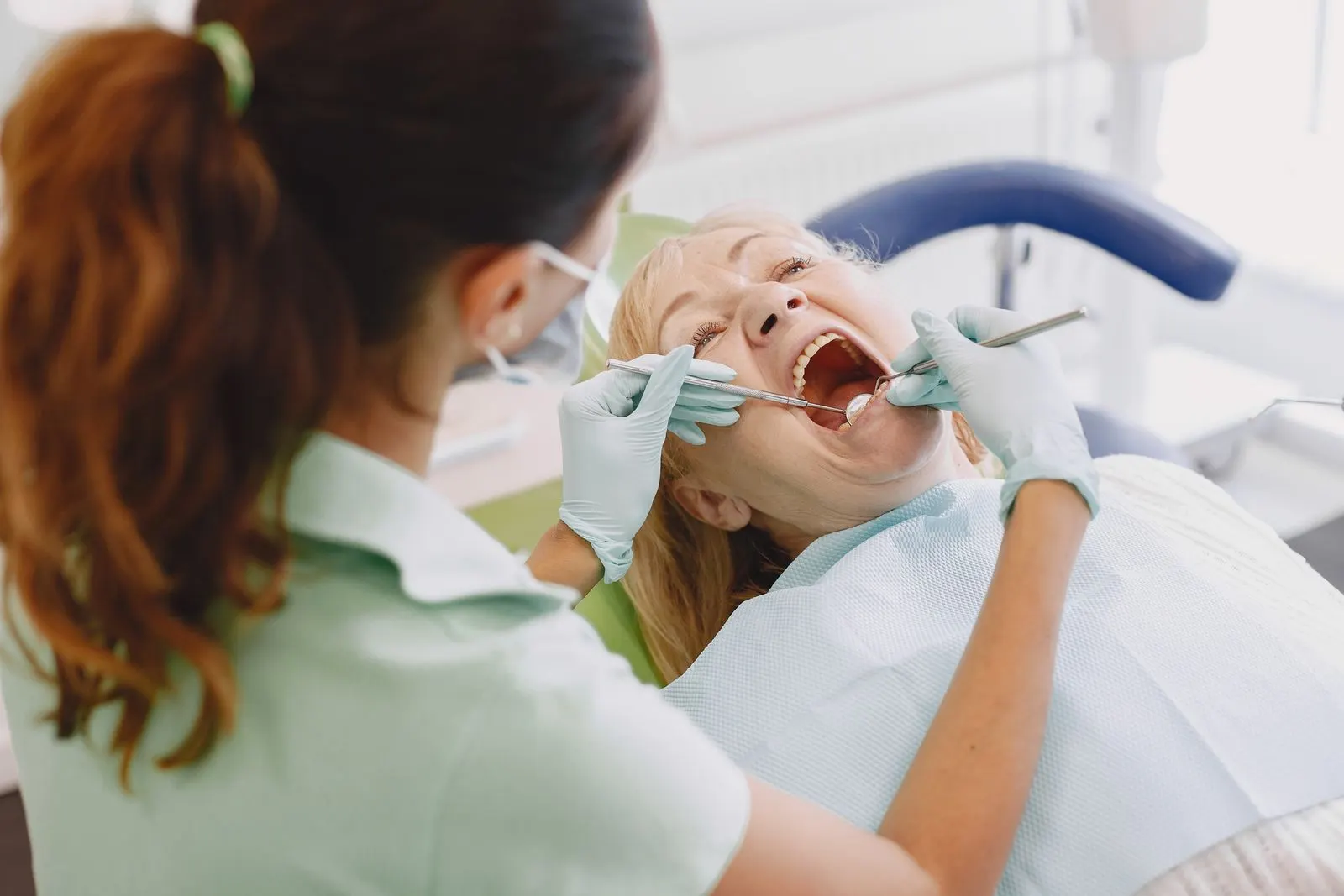
Each step starts with a clinical check, and the result is checked again before you travel home.
Before you travel, you leave your contact details, your coordinator gets in touch, a dentist assesses your case and you receive a written, itemised plan. The overall process is explained on how it works.
| Day | What happens |
|---|---|
| Day 1 | Examination, X-rays, CBCT where needed, vitality tests, plan per tooth |
| Day 2 | Local anaesthetic and isolation; old fillings and decay removed; dentine sealed immediately; cavity shaped; digital scan; temporary filling |
| Days 3-4 | Laboratory design, milling or pressing, characterisation and glazing |
| Day 4 or 5 | Try-in, adhesive bonding under rubber dam, bite adjustment, polishing |
| Day 5 or 6 | Final check and flight home |
Immediate dentine sealing means the freshly cut dentine is sealed with a bonding agent on the day of preparation. It reduces sensitivity under the temporary and improves the final bond. The preparation itself avoids sharp corners, gives the ceramic at least about 1.5-2 mm thickness over cusps, and keeps margins on enamel where possible.
Systematic reviews report survival for bonded ceramic inlays and onlays typically around 90 % or more at ten years, broadly comparable with crowns in suitable teeth. The most common problems are fracture of the ceramic or tooth, decay at the margin, loss of the bond, and sensitivity after treatment. Most are reduced by the right indication, sufficient ceramic thickness, careful bonding under rubber dam and good daily cleaning between the teeth.
The bond is fully set when you leave, so you can eat normally once the anaesthetic has worn off. Some sensitivity to cold or biting can last a few days or weeks. Clean between the teeth daily, keep your check-ups and bitewing X-rays at home, and wear a night guard if you grind. Your restorations come with a written guarantee whose terms are explained in your plan.
Inlays and onlays are technique-sensitive: the result depends on the indication, the preparation and above all the bonding. When comparing clinics, ask:
Be cautious if a clinic proposes crowns on every tooth with an old filling without first assessing the remaining walls.
Your plan depends on the number of teeth, the type of restoration per tooth, the material, removal of old fillings, any build-ups or root canal treatment, and whether you combine the trip with crowns or veneers. Current starting prices are on dental costs in Turkey, and your quote is written and itemised before you travel.
What exactly is included is set out in your personal, written plan.
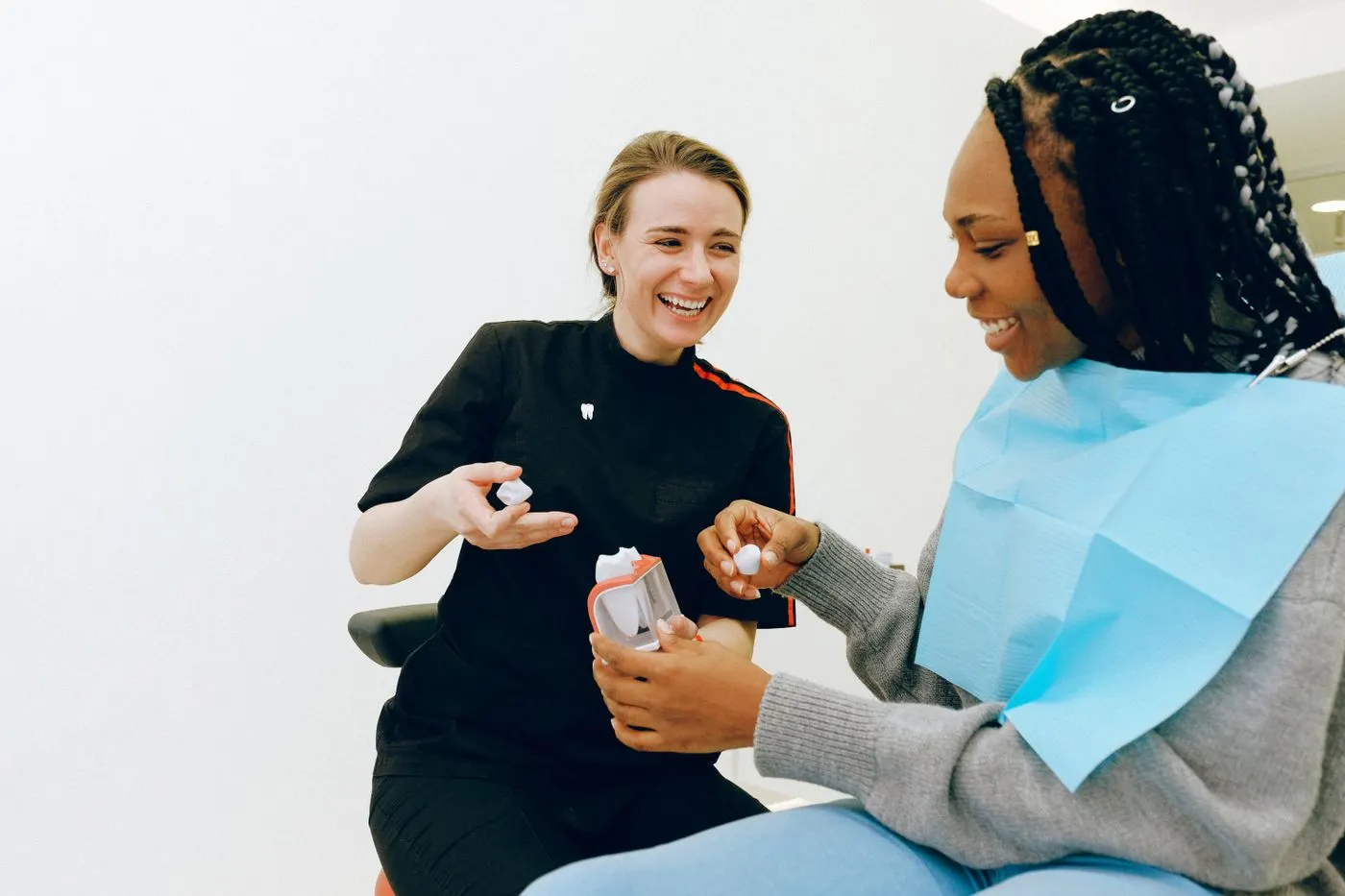
Answers about Inlays & onlays. Not listed? Ask us directly.
The fee depends on the number of teeth, whether each needs an inlay, onlay, overlay or partial crown, the material, and on work such as removing old amalgam, build-ups or root canal treatment. Combining the trip with crowns or veneers also changes the plan. Current starting prices are on our dental costs in Turkey page, and your quote is written and itemised before you travel. For a full breakdown, read our guide to dentist prices in Turkey 2026.
It depends on how much healthy tooth remains. If the walls are thick and uncracked, an inlay is enough. If one or more cusps are weak, an onlay covers them. If most walls are thin or missing, a crown is safer. The final choice is made after the old filling is removed and the dentist can see the walls.
Reviews report survival for bonded ceramic inlays and onlays typically around 90 % or more at ten years. How long yours last depends on the size of the restoration, whether you grind, the quality of the bond and your cleaning between the teeth. Regular check-ups with bitewing X-rays help catch decay at the margins early.
Often, yes. Root-treated back teeth need cusp coverage, but a bonded ceramic onlay or overlay can provide it while keeping more tooth than a crown. It needs enough sound walls and enamel for bonding. If the tooth is very broken down, a crown remains the safer option.
Usually four to six days: examination, preparation and scan, laboratory time, then try-in and bonding, with a final check before you fly. If root canal treatment is needed first, or you combine the trip with crowns or veneers, plan a few more days. The written plan states the length of stay before you book.
An inlay fills a cavity inside the tooth, between the cusps, and leaves the cusps untouched. An onlay also covers one or more cusps. Onlays are used when a cusp is thin, undermined or cracked, because covering it protects it from breaking off under chewing forces.
For large cavities, usually yes. A lab-made ceramic inlay is stronger, more wear-resistant and more stain-resistant than a large direct composite filling, and the technician can shape the contacts precisely. For small and medium cavities, a direct composite filling is simpler, removes less tooth and performs well.
Yes, when it is done carefully. Removing amalgam releases some mercury vapour, so the dentist uses isolation, high-volume suction and water cooling to keep exposure low. Intact, symptom-free amalgam does not need to be replaced for general health reasons; replacement makes sense when the filling is cracked, leaking or the tooth around it is weakened.
Preparation is done under local anaesthetic, so you feel pressure rather than pain. Afterwards some sensitivity to cold or biting can occur for a few days or weeks, especially if the cavity was deep. Sealing the dentine on the day of preparation helps reduce this. Persistent pain on biting usually means the bite needs a small adjustment.
Yes. Several teeth, often a whole side or both sides of the mouth, can be prepared in one session and bonded a few days later. Your dentist may split the work into two sessions for comfort. Many patients replace several old amalgam fillings in one visit.
Ask us, a coordinator replies personally, and a dentist answers medical questions.
Let’s plan your dental care
Leave your contact details. Our patient coordinator will contact you to discuss your needs and explain the next steps, free and without obligation.
Let’s plan your dental care
Leave your contact details. Our patient coordinator will contact you to discuss your needs and explain the next steps.
 USA
 UK
 Germany
 Istanbul