 Dr. Taha G
Dental implants are one of the most durable solutions in modern dentistry, but "how long do they last?" is a question with two separate answers. That is because a dental implant is really two parts: the titanium post that sits in your jawbone, and the crown, bridge or denture that attaches on top. These two components wear and age very differently, and understanding the distinction helps you set realistic expectations before treatment.
At Doctor Turka in Istanbul, many of our patients travel from the UK and German-speaking countries to explore dental implants in Turkey, and longevity is almost always their first concern. It is a fair question, because an implant is a long-term investment in your health. Before you weigh up dental costs in Turkey, it helps to know what you are actually buying and how long each part of the system is expected to serve you.
The short version is this. The titanium implant itself frequently lasts 15 years or more, and in many people it lasts a lifetime with good care. The restoration on top, the visible tooth, generally lasts 10 to 15 years before it may need repair or replacement. The rest of this guide explains why, and what you can do to reach the longer end of those ranges.
The implant versus the crown: two different lifespans
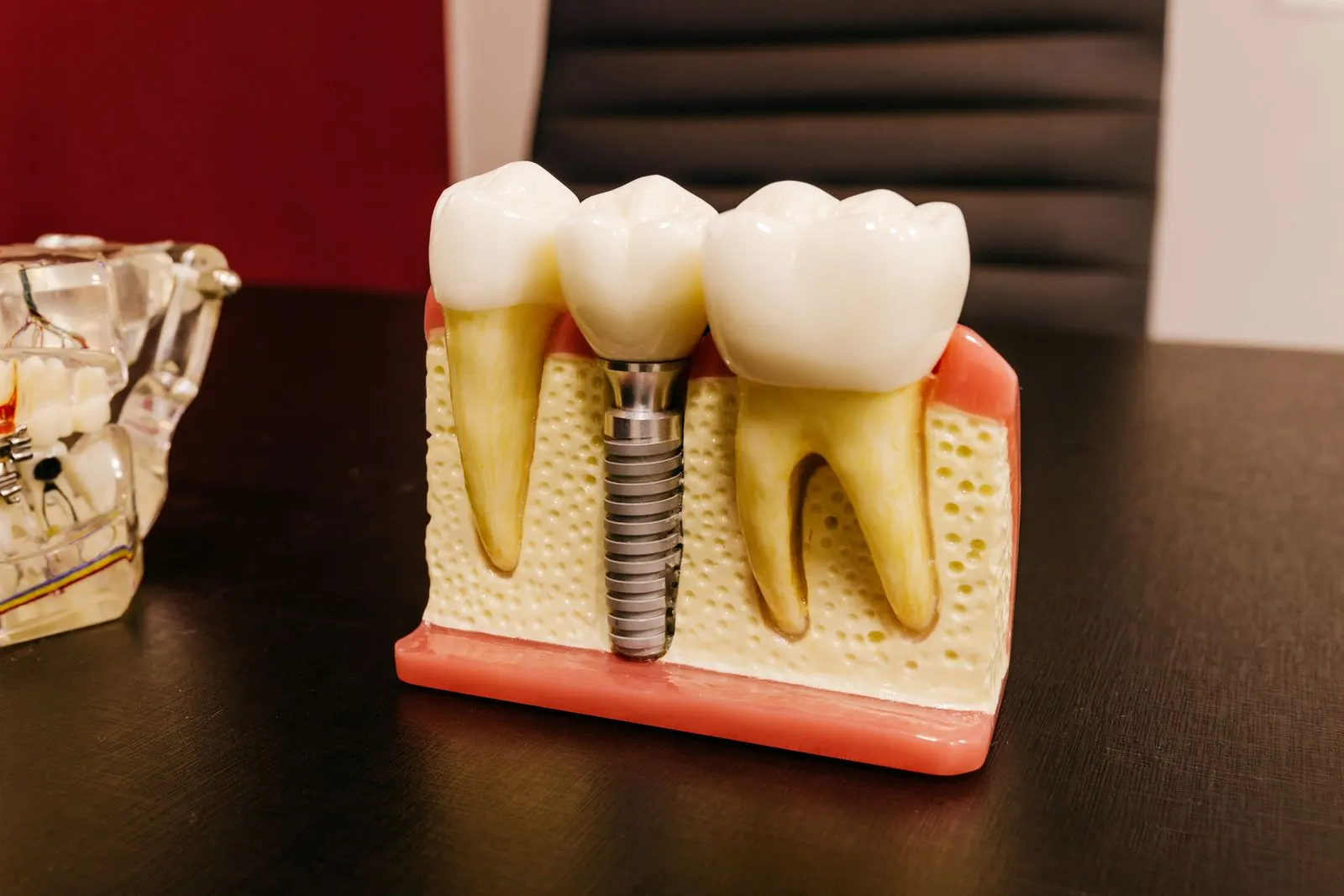
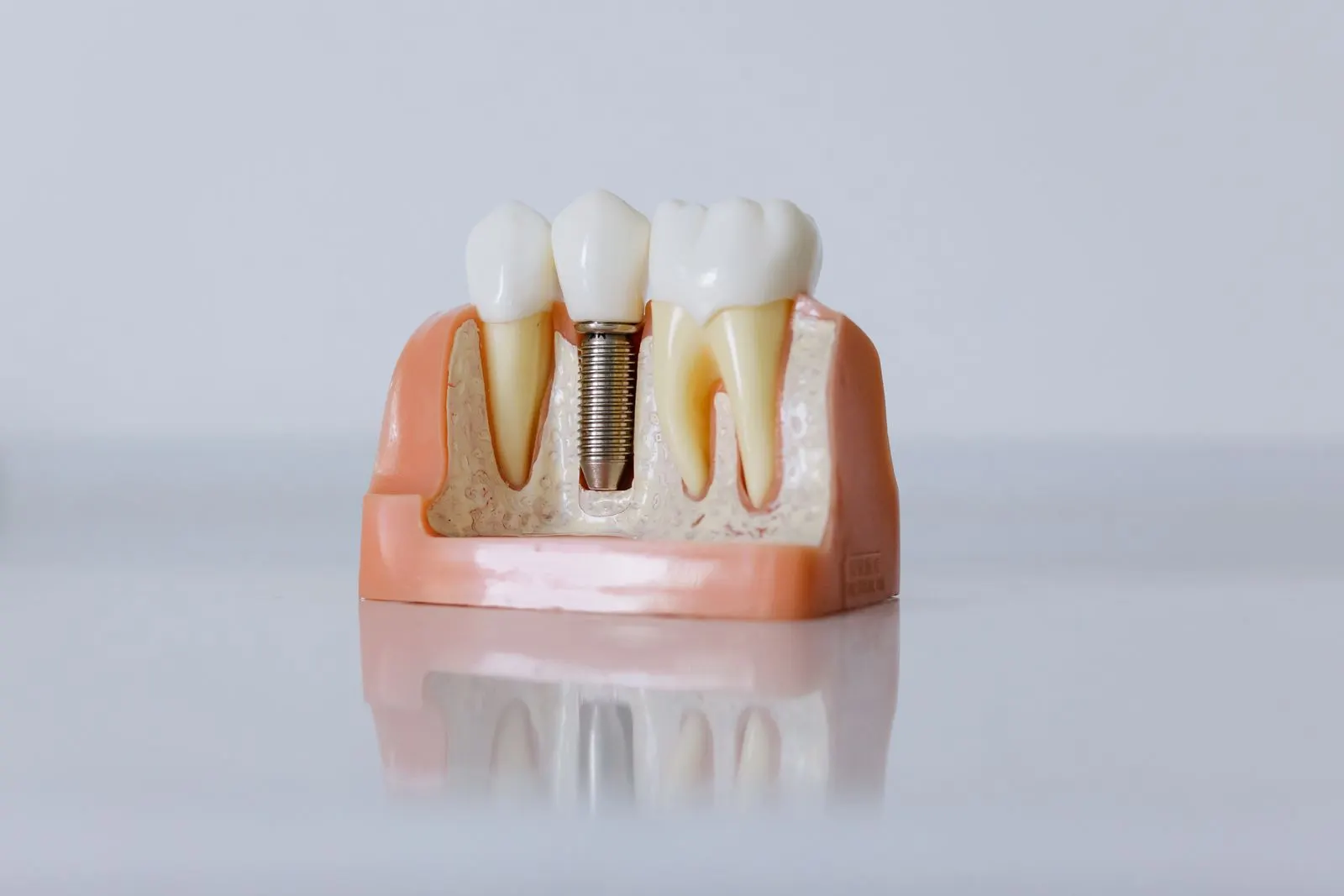
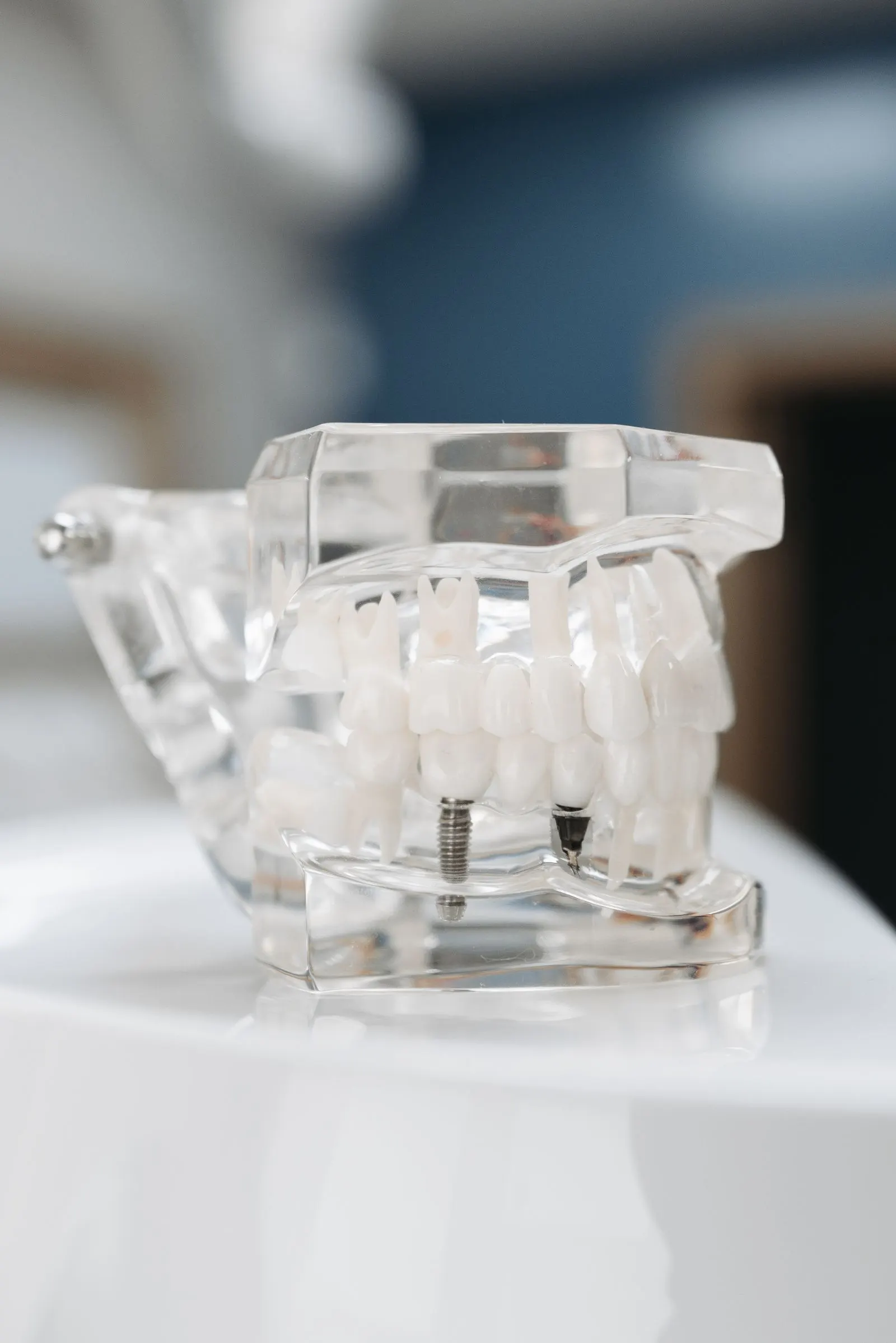
When people picture a dental implant, they usually imagine the white tooth they can see. In reality that is only the crown. The implant is the small titanium or titanium alloy screw placed into the jaw, where it fuses with bone in a process called osseointegration. Once integrated, it behaves much like a natural tooth root.
Titanium is biocompatible and extremely resistant to wear, so the post has no natural "expiry date". What determines its survival is the health of the bone and gum around it, not the metal breaking down. Studies commonly report implant survival rates of around 95 per cent at 10 years, which is why dentists describe implants as a very predictable, long-lasting treatment. Several well-known people have lived with implants for years; read celebrities with dental implants and what was really done.
The crown is different. It is subjected to constant biting, chewing and the acids of everyday eating and drinking. Like any heavily used restoration, it gradually wears, and the cement or screw fixing can loosen over the years. How cemented and screw-retained crowns differ is explained in screwless dental implants: what the term really means. Replacing a worn crown does not mean the implant has failed. In most cases the post stays exactly where it is, and only the visible part is renewed.
| Component | What it is | Typical lifespan | Why it ages |
|---|---|---|---|
| Implant post | Titanium screw in the jaw | 15+ years, often a lifetime | Depends on bone and gum health, not wear |
| Abutment | Connector between post and crown | Many years, replaceable | Occasional loosening or redesign |
| Crown or restoration | The visible tooth | 10 to 15 years | Daily wear, staining, cement fatigue |
What affects how long dental implants last
Several factors decide whether your implant sits at the lower or upper end of its expected lifespan. Some you cannot change, but most are within your control.
- Bone health. The implant needs enough healthy bone to anchor into. Good bone volume and density at placement give the best long-term stability.
- Gum disease and peri-implantitis. Infection of the tissue around an implant, known as peri-implantitis, is the leading cause of late implant loss. It mirrors gum disease around natural teeth and is largely preventable with hygiene.
- Smoking. Smoking reduces blood flow to the gums and slows healing, and it is strongly associated with higher implant failure. Reducing or stopping smoking meaningfully improves the odds.
- Oral hygiene. Daily brushing, cleaning between teeth and around the implant, and professional cleaning keep the supporting tissues healthy.
- Bite and grinding. Clenching or grinding, known as bruxism, loads an implant far beyond normal chewing. A night guard protects both the crown and the bone around the post.
- Implant quality and placement. The brand and design of the implant, and above all the skill of the surgeon in positioning it correctly, have a real effect on long-term outcomes.
- General health. Conditions such as poorly controlled diabetes can slow healing and affect the gums, which in turn affects longevity.
The role of maintenance and check-ups
No implant looks after itself. The single most important thing you can do to protect your investment is to maintain it the way you would a natural tooth, and arguably a little more carefully.
A sensible routine looks like this:
- Brush twice a day and clean around the implant daily with floss, interdental brushes or a water flosser as advised.
- Attend regular check-ups, usually every six to twelve months, so any change in the gum or bone can be caught early.
- Have professional cleaning to remove hardened deposits that a toothbrush cannot reach.
- Wear a night guard if you grind your teeth.
- Avoid using your teeth as tools, and be cautious with very hard foods on a newly restored tooth.
For patients who travel for treatment, this matters in a practical way. You should arrange for check-ups and cleaning with a trusted dentist at home between visits. A well-placed implant looked after poorly will underperform a modest one that is cared for diligently.
Full-arch options and longevity
Longevity is not only a question for single teeth. Full-arch solutions such as All-on-4 use a small number of implants to support a complete fixed bridge, and the same principles apply. The implants themselves are built to last for many years, while the bridge that sits on them is the component most likely to be refreshed or replaced over time as materials wear.
The advantage of full-arch systems is that a single worn or damaged tooth within the bridge does not usually threaten the implants underneath. Maintenance, cleaning beneath the bridge and regular reviews remain just as important as they are for single implants.
Warning signs you should never ignore
Problems caught early are usually fixable. Problems ignored for months can cost you the implant. Contact your dentist promptly if you notice any of the following:
- Bleeding, redness or swelling of the gum around the implant, which can signal early peri-implantitis.
- Looseness or any movement of the crown or the implant itself. A healthy implant should feel completely solid.
- Persistent pain or discomfort when biting, especially if it is new.
- Gum recession that starts to expose the metal collar or threads of the implant.
- A bad taste or persistent bad breath localised to one area, which can indicate infection.
None of these mean the implant is automatically lost. In many cases, early treatment resolves the issue and preserves the implant for years to come.
Getting the most from your dental implants
Dental implants are designed to be a long-term, often permanent replacement for missing teeth, and for most people they live up to that promise. The titanium post is remarkably durable, the crown is a wearing part that can be renewed, and the biggest influence on both is consistent care.
If you look after the gums and bone that support the implant, keep up with check-ups, manage grinding and avoid smoking, you give yourself the best possible chance of your implant lasting for decades. At Doctor Turka, our team, including Dr. Taha G and Dr. Hatice G, is happy to talk through what longevity looks like for your individual case and what your maintenance plan would involve.
Want a personal opinion?
Leave your contact details. Our patient coordinator will contact you to discuss your needs and explain the next steps, free and without obligation.
Discuss my options