VeneersGet a smile like this
Veneers in Turkey
Veneers designed for your face, not from a catalogue
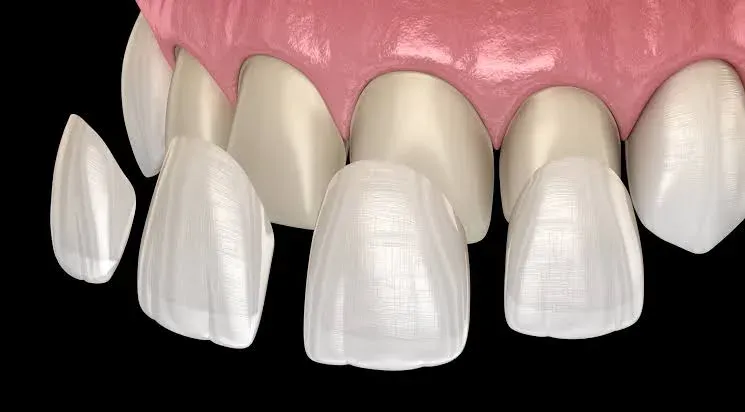
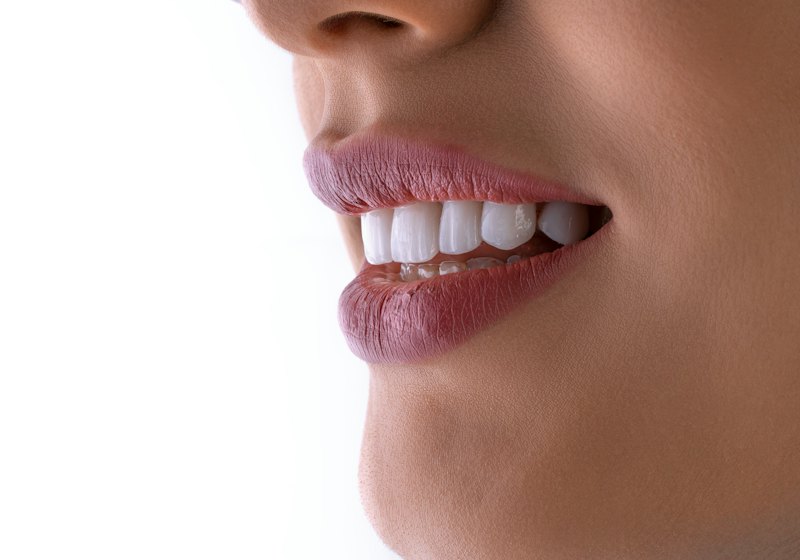
Ultra-thin porcelain or composite shells that correct colour, shape, small gaps and chips. Your smile is designed digitally and previewed in your mouth before a single tooth is prepared.
from €130 per tooth- Digital smile design and in-mouth mock-up
- Minimal, enamel-preserving preparation
- Shade and shape chosen together with you
- One trip of about 5–7 days
Time in Istanbul1 trip · 5–7 days
Visits3–4 appointments
Back to normalSame day
Your free treatment plan
Send us a few details — a dentist reviews your case and our coordinator replies within 24 hours.
Prefer to chat? WhatsApp us
Overview
Veneers in Turkey: what you need to know
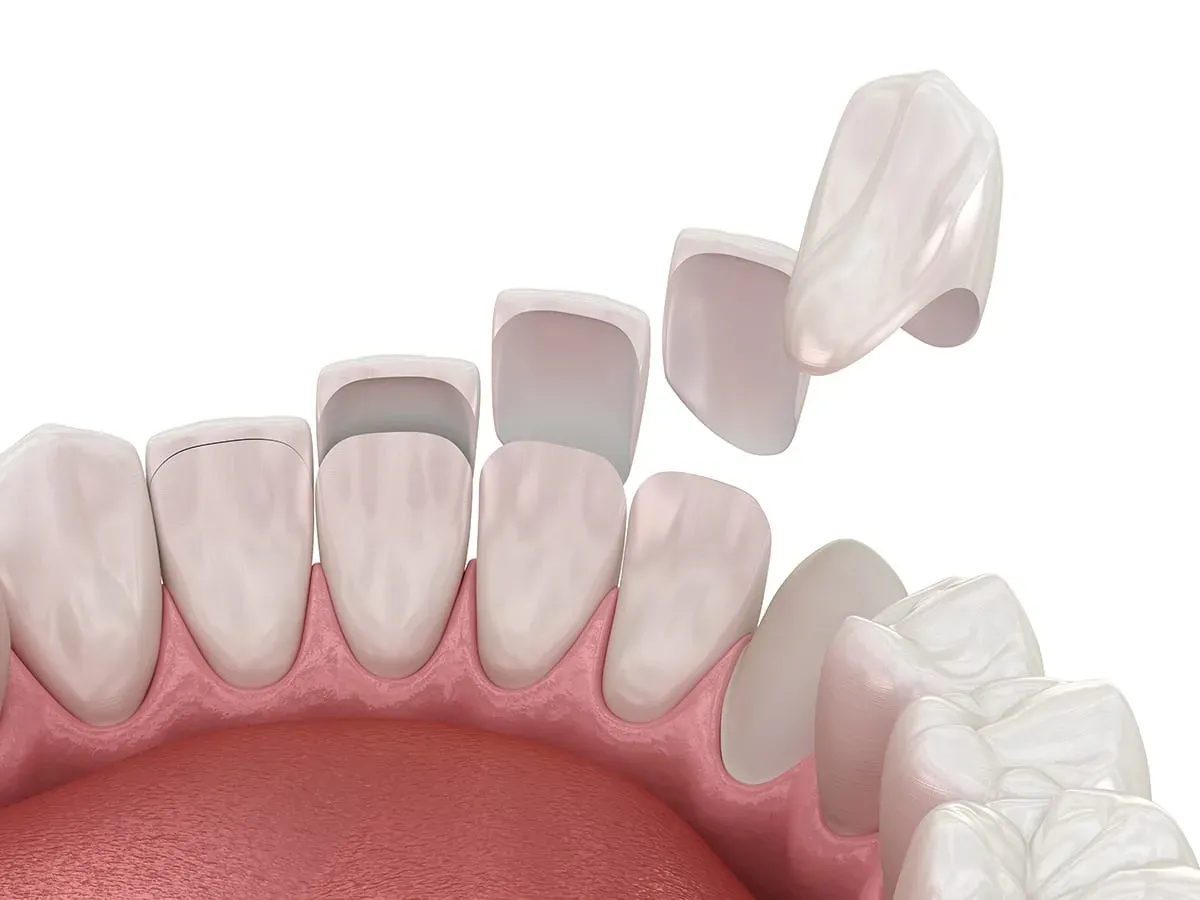
Veneers are thin, custom-made shells bonded to the front surface of the teeth. In one treatment they can change colour, shape, length and proportion — and hide chips, worn edges, small gaps and deep discolouration that whitening cannot reach. Veneers in Turkey have become one of the most popular reasons for dental travel from the UK, Ireland and the German-speaking countries, because the same laboratory materials cost considerably less in Istanbul.
At Doctor Turka we offer two main approaches. Porcelain veneers, most often made from lithium disilicate (E.max), are crafted in a dental laboratory and give the most natural translucency and long-term stain resistance. Composite veneers are sculpted directly onto the tooth in resin, usually with little or no drilling, and are finished in fewer appointments — at the cost of a shorter lifespan and more maintenance.
Veneers are a good fit if your teeth and gums are healthy but you are unhappy with how your smile looks. They are not a cure for gum disease, a heavy bite problem or badly broken teeth — those need to be addressed first, and our dentists will tell you honestly if another treatment would serve you better.
Patients choose our clinic in Istanbul for a few practical reasons:
- a free online assessment from your photos, with a written, itemised treatment plan and quote before you book flights
- a smile planned digitally by Dr. Taha G and Dr. Hatice G, which you preview in your own mouth before anything is final
- an English- and German-speaking coordinator who replies within 24 hours, 7 days a week
The trip itself is simple. Porcelain veneers usually need one visit of about five to seven days: consultation and preview, gentle preparation with temporaries, a few days of laboratory work while you rest or explore the city, then try-in and bonding. Composite veneers can often be completed in two to three days. Hotel and VIP transfers can be arranged as part of a package, and our team stays in touch after you return home.
Treatment options
Types of Veneers
Which option suits you is decided together with your dentist — based on your examination, not a catalogue.
Which Veneers option is right for you?Send 2–3 photos — a dentist recommends the right option, free of charge.
Before & After
View all Veneers before and after
Every smile is different. Ask us for cases similar to yours.
Benefits
Benefits of Veneers
Colour, shape and length in one step
Veneers change several aspects of a smile at once — something whitening or bonding alone cannot do.
Minimal preparation
Usually only a fraction of a millimetre of enamel is removed; sometimes none.
Stain-resistant
Porcelain does not absorb coffee, tea or wine the way natural enamel does.
Preview before commitment
The mock-up shows your new smile in your own mouth before treatment starts.
Good to know: limits & risks
- Porcelain veneers are generally irreversible, because a thin layer of enamel is removed.
- Veneers change how teeth look, not where they sit — bite problems and heavy crowding may need orthodontics first.
- Gum disease and decay must be treated and stable before veneers are placed.
- Grinding or clenching can chip or loosen veneers, so a night guard is often essential.
- Veneers cannot be whitened later; any whitening of other teeth should be done beforehand.
- Composite veneers stain and lose shine over time and need periodic polishing or renewal.
- All veneers eventually need replacing, which is a long-term cost to plan for.
 Usually replies within hours
 Ask a dentist
Questions about Veneers? Ask the dentist directly.
Dr. Hatice G and the team answer your questions personally — whether Veneers suits you, how long it takes and what the alternatives are.
- Answered by a dentist, not a sales team
- Photos or an X-ray are enough
- Free and without obligation
The clinic
Learn more See where your new smile begins
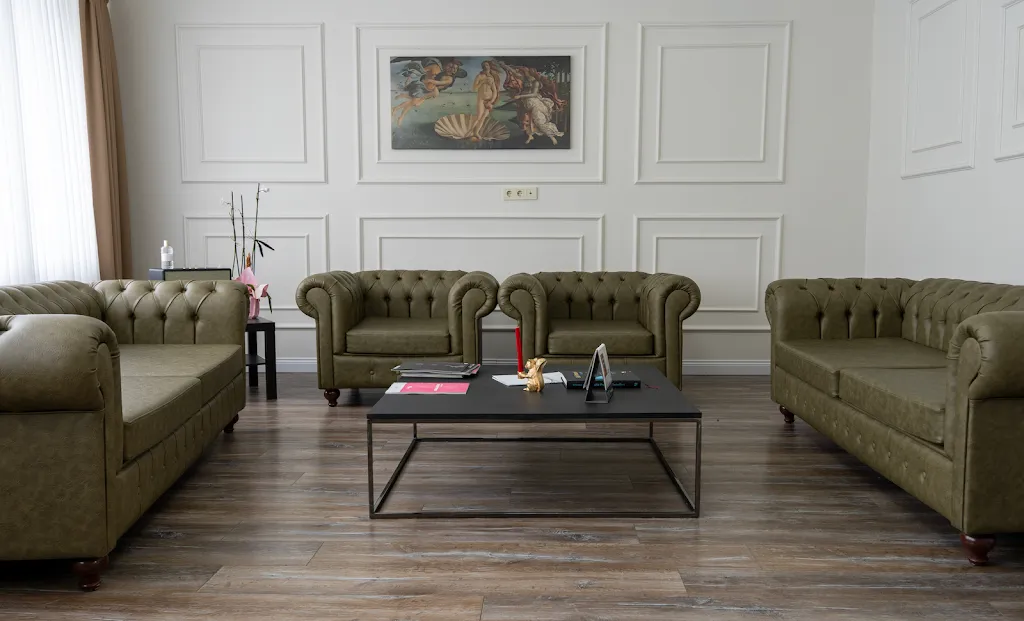
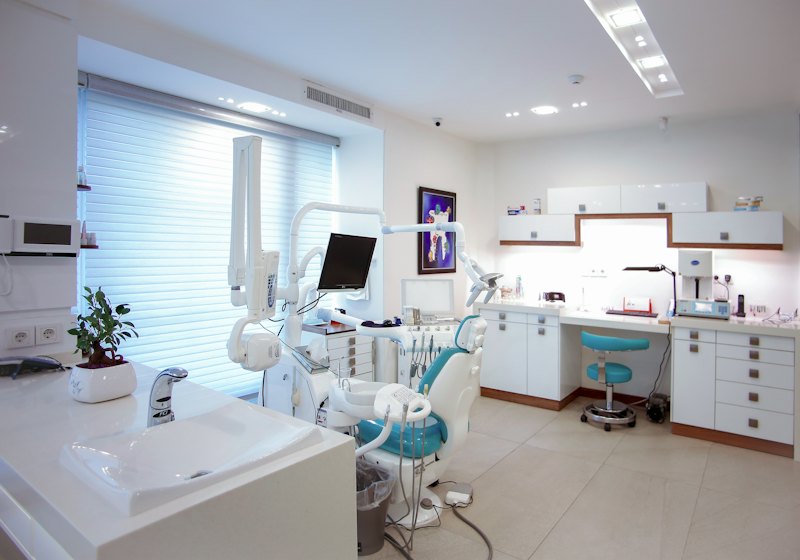
Your treatment takes place at our own clinic in Istanbul — with the same dentists who write your plan.
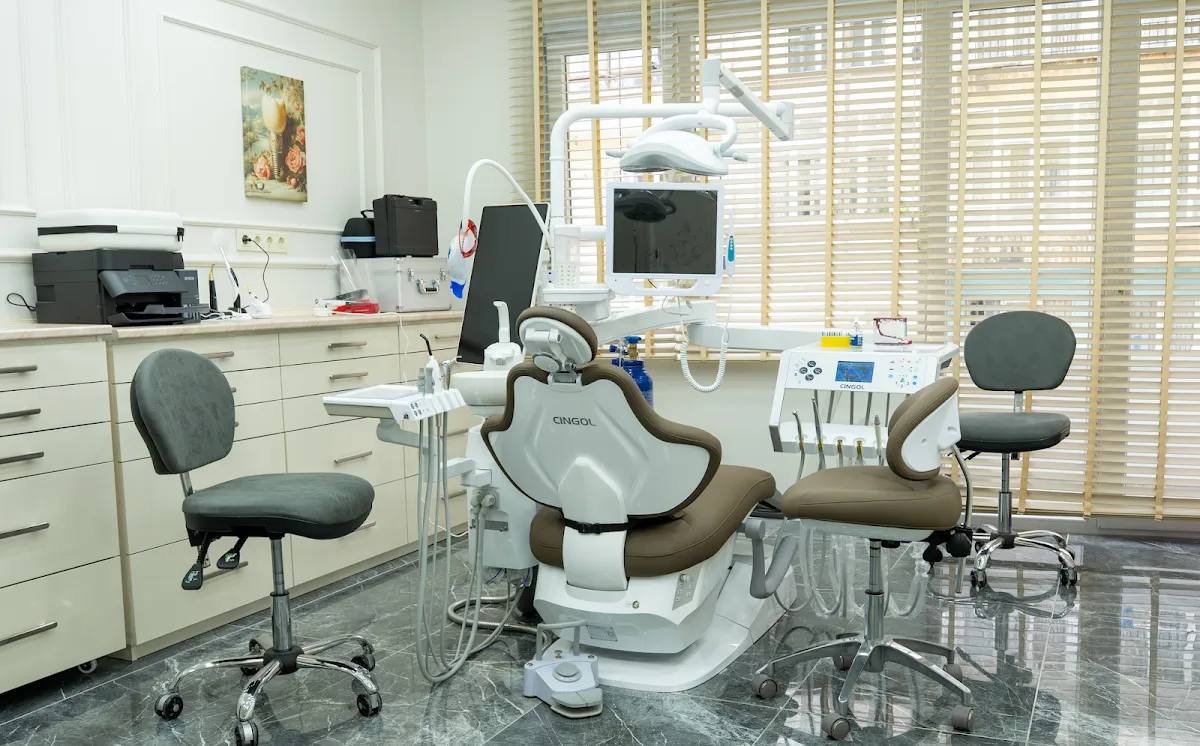
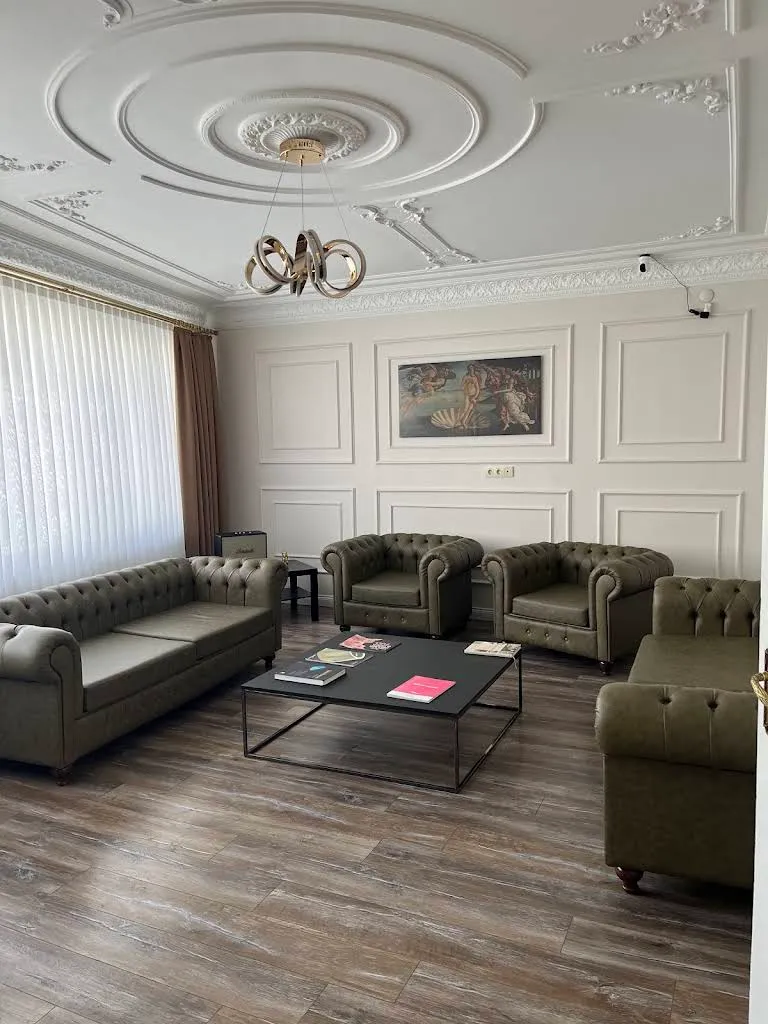
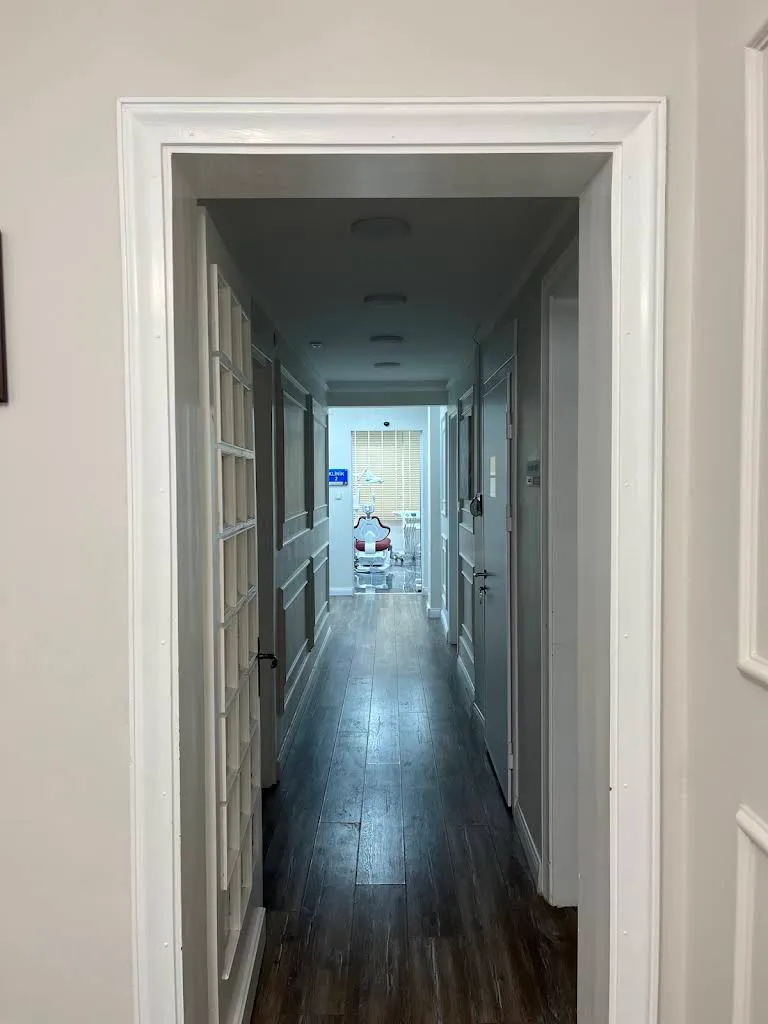
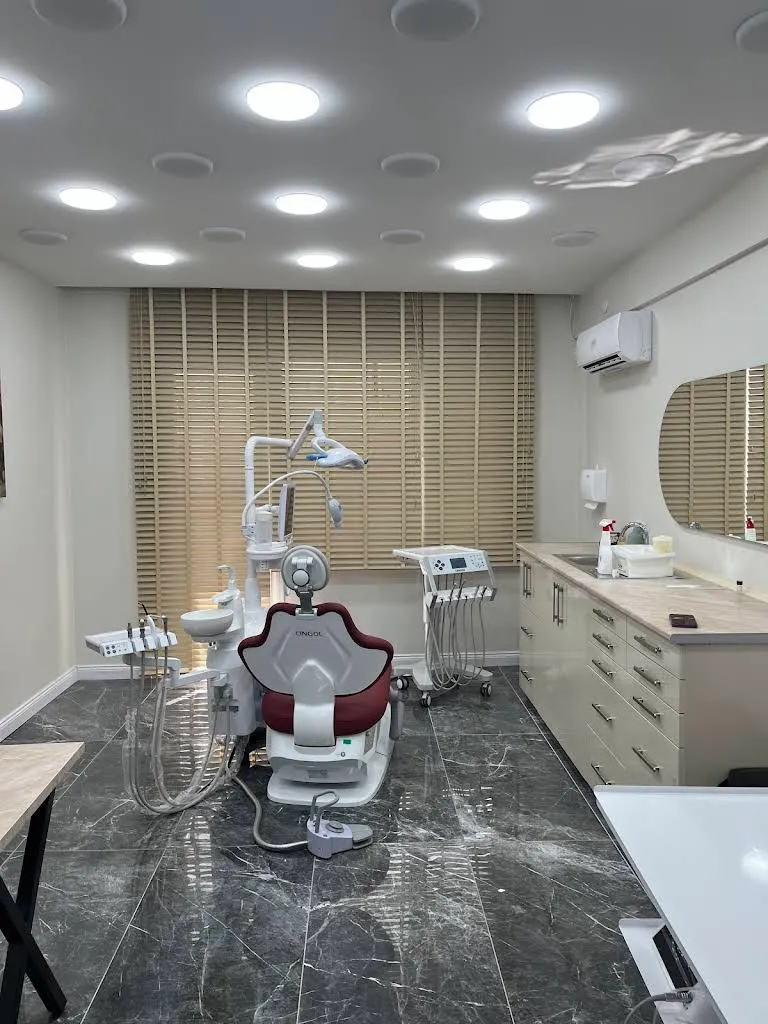
Digital diagnostics3D CT scan and intraoral scanning
Hygiene standardsProtocol-based sterilisation
Named dentistsYou know who treats you
English & GermanCoordinator at every appointment
How the treatment works
Veneers procedure step by step
Before you travel, you know what happens on which day.
- 01
Smile design
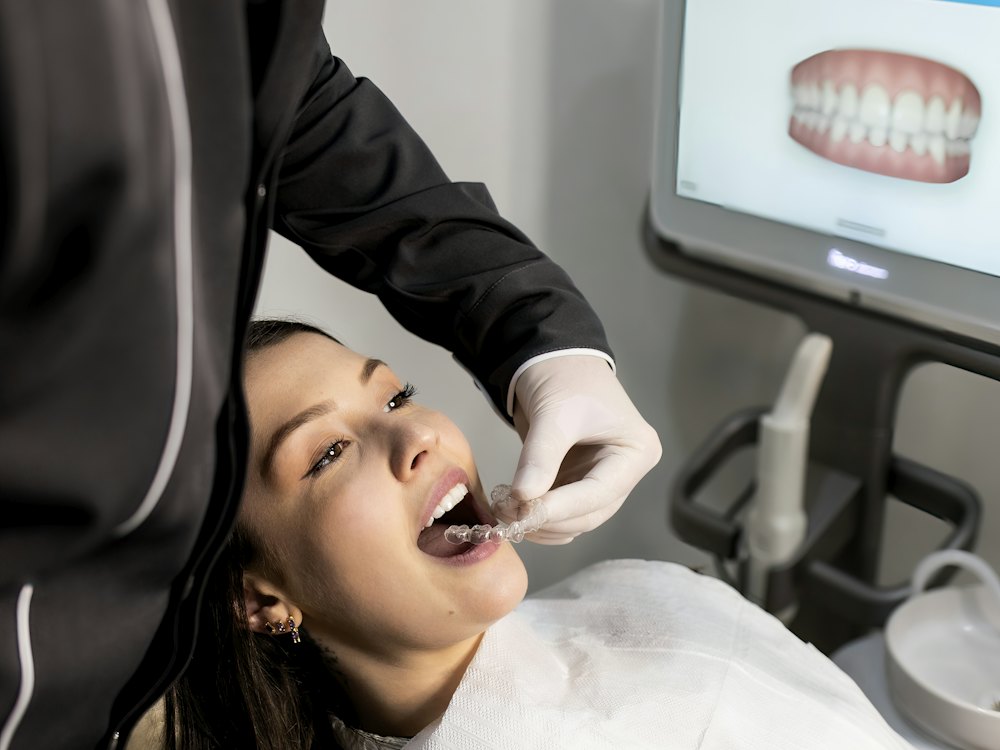
Photos, a scan and a conversation about what you would like to change. Your dentist designs the new smile digitally.
- 02
Mock-up preview
The design is transferred into your mouth as a temporary mock-up. You approve or adjust shape and length.
- 03
Preparation and temporaries
Teeth are gently prepared — often only a fraction of a millimetre — scanned, and fitted with temporaries.
- 04
Bonding
After a few days in the laboratory your veneers are tried in, checked and permanently bonded.
Get your personal treatment timelineHow many days, which appointments, when to return — in writing, before you book.
Recovery & aftercare
Veneers: recovery & aftercare
- First days
Mild sensitivity to cold is common and fades quickly. Your bite may feel new for a few days.
- Week 1
Avoid very hard or sticky food while you get used to the new edges.
- Every day
Soft toothbrush, non-abrasive toothpaste, daily floss.
- Every 6–12 months
Check-up and professional polish; wear your night guard if you grind.
In-depth guide
Types of veneers in Turkey: E.max, porcelain, zirconia and composite
The word "veneer" covers several materials that behave quite differently in the mouth. The right choice depends on the colour of your natural teeth, how much change you want, your bite and your budget. Our dentists explain the options at your assessment and put the recommendation in writing.
E.max (lithium disilicate) veneers
E.max is a glass-ceramic pressed or milled in the laboratory. It combines good strength with a natural, light-transmitting look and can be made very thin, which helps to keep preparation minimal. For most patients who want a long-lasting, natural result, E.max is the material we recommend first. More detail is on our page about porcelain veneers.
Feldspathic porcelain (laminate) veneers
"Laminate veneers" usually refers to very thin, layered feldspathic porcelain. Skilled ceramists can build beautiful depth and character into them. They are more delicate than E.max before bonding and demand a highly experienced laboratory, so they are chosen case by case.
Zirconia veneers
Zirconia is extremely strong and opaque. That opacity can be useful for masking very dark teeth, but it also makes zirconia look less lifelike on the front teeth and bond less predictably than glass-ceramics. We therefore use it selectively rather than as a default.
Composite veneers
Composite resin is applied, shaped and polished directly on the tooth, usually in a single long session per arch. It is often reversible or nearly so, and chips can be repaired in the chair. The trade-offs are gradual loss of shine, staining at the margins and a shorter lifespan. See composite veneers for a closer look.
| E.max | Feldspathic / laminate | Zirconia | Composite | |
|---|---|---|---|---|
| Aesthetics | Very natural, translucent | Very natural, highly customisable | Opaque, less lifelike | Natural when new, dulls over time |
| Strength | High | Moderate | Very high | Moderate |
| Stain resistance | Excellent | Excellent | Excellent | Moderate |
| Preparation | Minimal (often 0.3–0.7 mm) | Minimal | Usually more | Little or none |
| Repairable | Replaced if broken | Replaced if broken | Replaced if broken | Repairable in the chair |
| Typical lifespan | 10–15+ years | 10–15+ years | 10–15+ years | 4–8 years |
| Time in Istanbul | 5–7 days | 5–7 days | 5–7 days | 2–3 days |
How many days in Turkey do you need for veneers?
Porcelain veneers need one trip of about five to seven days, because the laboratory needs several working days between preparation and bonding. Composite veneers can usually be finished within two to three days. If gum treatment, fillings or root canal treatment are needed first, your plan may add a day or two — you will know this from the written plan before you travel.
A typical itinerary for porcelain veneers looks like this:
| Day | What happens |
|---|---|
| Day 1 | Arrival in Istanbul, transfer to your hotel, time to settle in |
| Day 2 | Consultation, X-rays or 3D CBCT scan where needed, photos, digital smile design and in-mouth mock-up |
| Day 3 | Final approval of the design, gentle preparation, digital scan, temporary veneers |
| Days 4–5 | Laboratory work — free time to rest or explore the city |
| Day 6 | Try-in, shade and fit check, permanent bonding |
| Day 7 | Bite check, polishing, aftercare briefing, flight home |
For composite veneers the pattern is shorter: consultation and design on the first day, the bonding session on the second and a check and polish before you leave.
Who is a good candidate for veneers — and who is not
You are likely to be a good candidate if your teeth are generally healthy and your main concerns are cosmetic: colour that whitening cannot fix, chipped or worn edges, small gaps, slightly uneven or rotated teeth, or teeth that look too short.
Veneers are usually not the right first step if you have:
- active gum disease or untreated decay — these must be treated and stable first
- a significant bite problem or heavy crowding — orthodontic treatment such as clear aligners is often better, sometimes followed by a smaller number of veneers
- teeth that are heavily filled, root-treated or broken — crowns usually protect these better
- untreated bruxism (grinding or clenching) — veneers can still work, but a night guard becomes essential
- very thin enamel or severe erosion — bonding relies on healthy enamel, so the plan may change
Smoking does not rule veneers out, but it stains margins and harms the gums. Young patients should have finished growing; veneers are generally considered for adults. Pregnancy is a good reason to postpone elective cosmetic treatment.
How much tooth is removed for veneers?
This is one of the most common worries. With porcelain veneers, our dentists aim to stay within the enamel layer, typically removing a few tenths of a millimetre — often guided by the approved mock-up so only the necessary amount is taken. Where teeth are small or set back, very little or no preparation may be needed.
It is honest to say that enamel, once removed, does not grow back. Porcelain veneers should therefore be seen as a long-term commitment: when a veneer eventually needs replacing, it is replaced with a new one. Composite veneers usually involve little or no drilling and keep more options open.
Preparing teeth into crowns in order to create a very white "Hollywood" look is a different, far more invasive treatment. We explain the difference clearly and recommend the most conservative option that achieves your goal. If you are considering a complete makeover, read about the Hollywood smile.
How long do veneers last?
Well-made porcelain veneers commonly last 10–15 years or longer, and many last far beyond that. Composite veneers typically last around 4–8 years before they need resurfacing or replacement. Our guide how long do veneers last looks at this in more detail.
What shortens the lifespan
- grinding or clenching without a night guard
- biting nails, pens, ice or opening packets with the front teeth
- gum recession, which can expose the veneer margin
- poor hygiene leading to decay at the edges
How to make your veneers last
- brush twice daily with a soft brush and a low-abrasion toothpaste, and clean between the teeth every day
- wear a night guard if you grind — we can make one before you fly home
- keep regular check-ups and professional cleaning with your local dentist
- for composite veneers, plan an occasional polish to restore shine
Are veneers in Turkey safe? Risks and success rates
Veneers are a well-established treatment, and the risks are the same in Istanbul as anywhere else. What matters is planning, material quality, careful bonding and follow-up. Systematic reviews of glass-ceramic veneers commonly report survival rates of roughly 90–95% after ten years when they are bonded to enamel. Composite veneers show noticeably lower long-term survival and need more maintenance.
Possible complications
- temporary sensitivity to cold after preparation, which usually settles within days
- chipping or fracture, more likely with grinding or trauma
- debonding — a veneer coming loose, which can often be re-cemented
- staining at the margins, particularly with composite
- gum irritation if margins are not finished and cleaned well
- dissatisfaction with shape or shade, which the mock-up is designed to prevent
How we reduce these risks
We treat gum problems and decay before veneers, plan the design digitally, test it in your mouth, and use an isolated, carefully controlled bonding protocol. Before you leave, we check your bite in all movements and give you written aftercare instructions. General safety tips for dental travel are covered in our guide to choosing a clinic in Turkey.
Do veneers hurt? Anaesthesia and comfort
For porcelain veneers, preparation is done under local anaesthesia, so you should feel pressure and vibration rather than pain. Many patients find it comparable to having a filling. Composite veneers often need no anaesthetic at all, or only for a small number of teeth.
Afterwards, some mild sensitivity or tender gums for a few days are common and usually managed with ordinary pain relief. If you are anxious about dental treatment, tell us at the assessment — we will take extra time, explain every step and discuss whether sedation is appropriate for you.
Pros and cons of veneers
Advantages
- colour, shape, length and small gaps can be corrected in one treatment
- porcelain looks natural and resists stains from coffee, tea and wine
- far less tooth reduction than crowns
- the result can be previewed and adjusted before bonding
- fast results compared with orthodontics
Disadvantages
- porcelain veneers are generally irreversible
- they do not correct bite or jaw problems
- veneers cannot be whitened later, so any whitening of other teeth must be done first
- they will eventually need replacement, which is a long-term cost
- grinding and trauma can damage them
Veneers vs crowns, bonding, whitening and aligners
Veneers are not always the answer. Sometimes a less invasive or more protective option is better, and many smile makeovers combine several treatments.
| Veneers | Crowns | Composite bonding | Whitening | Clear aligners | |
|---|---|---|---|---|---|
| Changes colour | Yes | Yes | Locally | Yes (natural teeth only) | No |
| Changes shape | Yes | Yes | Small changes | No | Position only |
| Tooth reduction | Minimal | Significant | None to minimal | None | None |
| Best for | Cosmetic change on healthy teeth | Weak, broken, root-treated teeth | Single chips, small gaps | Mild to moderate staining | Crowding, spacing, bite |
| Typical time | 5–7 days | 5–7 days | 1 day | 1 day or at home | Months |
A common and sensible plan is to whiten the lower teeth to match new upper veneers, or to straighten teeth first so that fewer veneers with less preparation are needed.
Why veneers cost less in Turkey — and what affects the price
Veneers in Turkey are often 50–70% less expensive than at private clinics in the UK or Germany. This is not because of cheaper materials. The difference comes mainly from lower clinic rents, lower wages and running costs, and lower dental laboratory fees in Istanbul. We use established, branded ceramic systems and the same bonding materials used in Western Europe.
Your final price depends on:
- how many veneers you need (commonly 8–10 on the upper arch for a full smile, sometimes just 2–6)
- the material: E.max, laminate porcelain, zirconia or composite
- any treatment needed first, such as fillings, gum treatment or root canal treatment
- whether you also want whitening of teeth that will not receive veneers
- extras such as a night guard, hotel and transfers
Please see the price table on this page for current per-tooth prices. Your written treatment plan lists every item, so you know the total before you travel.
Guarantee and aftercare after you fly home
Your veneers come with written guarantee terms, which we explain before treatment and give you in writing. The terms describe what is covered and what you need to do, such as keeping regular check-ups and wearing a night guard if recommended.
After you return home, our coordinator remains your point of contact. You can send photos or questions at any time and receive a reply within 24 hours. Minor issues — a rough edge, a slightly high bite — are usually easy for a local dentist to adjust using our treatment notes. If a veneer chips or comes loose, contact us first so we can assess it and explain the next steps under your guarantee.
How to choose a clinic for veneers in Turkey: a checklist
Price alone is a poor guide for cosmetic dentistry. Before you commit anywhere, check that:
- a dentist, not only a salesperson, reviews your photos and answers your questions
- you receive a written, itemised plan stating the material, number of veneers and total cost
- gum health and decay are checked and treated before veneers
- the clinic offers a mock-up so you can approve the design in your own mouth
- the plan favours minimal preparation rather than crowning healthy teeth
- the timeline allows real laboratory time — beware of porcelain veneers promised in two days
- guarantee terms and aftercare are explained in writing
At Doctor Turka, Dr. Taha G and Dr. Hatice G plan and carry out your treatment themselves, using digital planning and an in-mouth preview. You receive a written plan and quote before you book, and our coordinator speaks English and German. If you would like an honest opinion on whether veneers are right for you, send us a few photos for a free online assessment.
Cost
Veneers cost in Turkey
Transparent starting prices per unit — your personal, fixed price arrives in writing and free of charge within 24 hours, once a dentist has seen your case.
Veneers in Istanbul
from€130per tooth
- Composite veneer€130
- Zirconium veneer€150
- Porcelain / laminate veneer€205
- E.max veneer€205
Indicative starting prices per unit. Your personal, fixed price is confirmed in writing after a dentist has reviewed your photos or X-ray.
Veneers: Turkey vs UK, Ireland, Germany & USA
| Treatment |  Turkey Turkey |  UK UK |  Ireland Ireland |  Germany Germany |  USA USA | You save |
|---|---|---|---|---|---|---|
| Veneer (per tooth) | €130 | €420 | €450 | €415 | €600 | up to 78% |
Comparison: typical private-practice prices, rounded. Turkey: our starting price for the treatment.
Your price depends on
- Number of veneers — a few teeth, the upper smile line or both arches
- Material: E.max, laminate porcelain, zirconia or composite
- Preparatory treatment such as fillings, gum treatment or root canal treatment
- Whitening of teeth that will not receive veneers
- Complexity of the case, for example very dark teeth that need extra masking
- A night guard to protect the veneers if you grind
- Package extras such as hotel and VIP transfers
Included in your package
Everything arranged, one point of contact
Your treatmentBy named, licensed dentists, as agreed in your plan
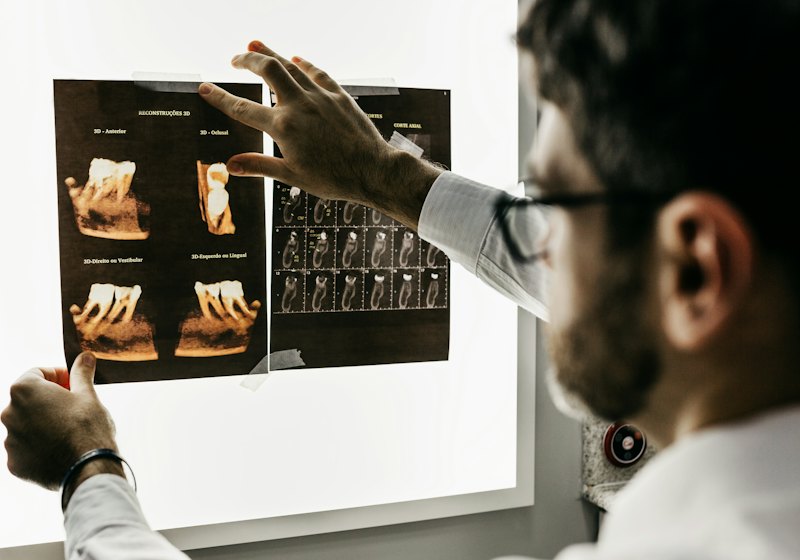
X-rays & 3D scansPanoramic X-ray and CBCT where needed
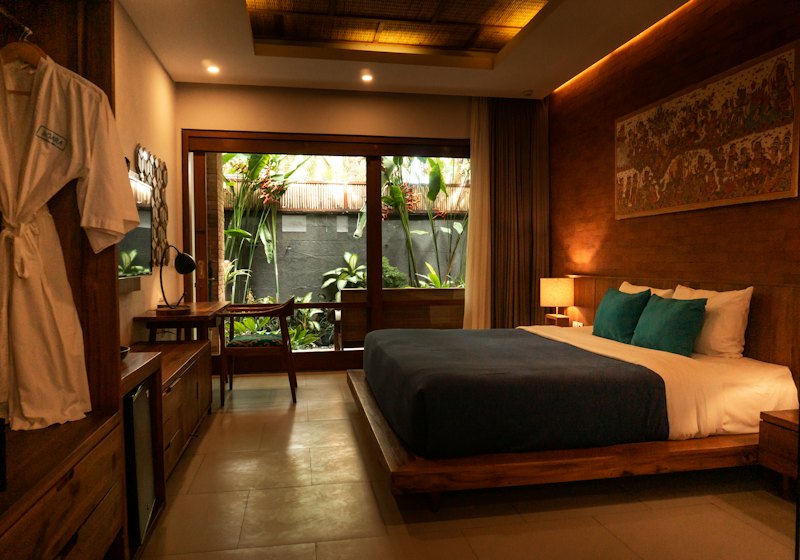
HotelComfortable, hand-picked hotel close to the clinic
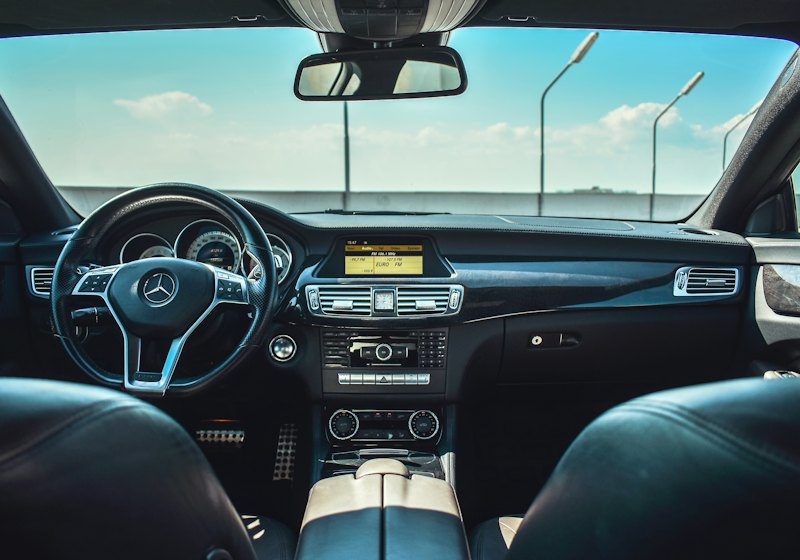
VIP transfersAirport · hotel · clinic, for every appointment

Personal coordinatorEnglish and German, 7 days a week
Guarantee & aftercareWritten terms and support after you return home
Free online assessment
Have an X-ray? We will review it for free.
- Send photos or an X-ray
- A dentist reviews your case
- Plan & quote within 24 hours
How much do veneers cost in Turkey?
The cost depends mainly on the material (E.max, laminate porcelain, zirconia or composite) and how many teeth are treated. Current per-tooth prices are shown in the price table on this page. Patients typically save 50–70% compared with private clinics in the UK or Ireland. After a free online assessment you receive a written, itemised quote, so the total is clear before you book flights.
How many days do I need to stay in Turkey for veneers?
For porcelain or E.max veneers, plan one trip of about five to seven days. The laboratory needs several working days between preparation and bonding, and we like to check your bite before you fly. Composite veneers can usually be completed in two to three days. If fillings or gum treatment are needed first, your written plan will show any extra days.
Do I need one trip or two for veneers?
Most veneer cases need only one trip. Everything from consultation and mock-up to preparation, temporaries and final bonding happens during one stay in Istanbul. A second trip is only needed in unusual situations, for example when extensive gum treatment or orthodontics must come first. We will tell you in your treatment plan if that applies.
Is it safe to get veneers in Turkey?
Veneers are a well-established treatment, and the safety depends on the clinic rather than the country. Look for a written plan, a dentist-led assessment, treatment of gum disease before veneers, a mock-up and written guarantee terms. Studies report that glass-ceramic veneers bonded to enamel survive at rates of roughly 90–95% after ten years when properly planned and cared for.
Do veneers hurt?
Preparation for porcelain veneers is done under local anaesthesia, so most patients feel pressure rather than pain, and many compare it to a filling. Composite veneers often need no anaesthetic at all. Mild sensitivity to cold or slightly tender gums for a few days afterwards are common and usually settle with ordinary pain relief.
How long do veneers last?
Porcelain and E.max veneers commonly last 10–15 years or longer with good care, while composite veneers typically last around 4–8 years before they need resurfacing or replacement. Grinding, biting hard objects and poor hygiene shorten their lifespan. A night guard, daily cleaning between the teeth and regular check-ups help them last as long as possible.
Are E.max or composite veneers better?
Neither is better for everyone. E.max porcelain looks more natural in the long run, resists stains and lasts longer, but requires a thin layer of enamel to be removed. Composite needs little or no drilling, is quicker and can be repaired easily, but loses shine and needs more maintenance. Your dentist will recommend the option that suits your teeth and goals.
Will my teeth be shaved down to stumps?
No. Veneers are not crowns. For porcelain veneers our dentists usually remove only a few tenths of a millimetre of enamel from the front surface, guided by your approved mock-up. Some teeth need little or no preparation at all. Reducing healthy teeth to stumps for crowns is a different and far more invasive treatment, which we do not recommend for purely cosmetic reasons.
Can I fly home straight after getting veneers?
Yes. Veneers do not involve surgery, so flying is not a problem. We usually recommend a final check on the day after bonding, or on the morning of your flight, to fine-tune the bite and polish the edges. You can eat and speak normally when you leave, although your new teeth may feel unfamiliar for a few days.
What happens if a veneer breaks after I return home?
Contact our coordinator first and send a photo. We will assess the situation and explain your options under the written guarantee terms. A chipped composite veneer can often be repaired by a local dentist, while a broken porcelain veneer is usually replaced. A veneer that has come loose can often be re-bonded if it is kept safe and intact.
How many veneers do I need?
It depends on how wide your smile is. Many people show 8–10 upper teeth when they smile broadly, so 8–10 veneers on the upper arch is common for a full smile makeover. Some patients only need 2–6 to correct a few teeth. Lower teeth are included if they show when you talk, or they can simply be whitened to match.
Can I eat normally with veneers?
Yes, you can eat normally once they are bonded. In the first week, avoid very hard or sticky foods while you get used to the new edges. In the long term, avoid biting ice, nutshells, pens or fingernails with your front teeth and do not use them to open packaging. Coffee and tea do not stain porcelain, although composite can discolour over time.
Is there an age limit for veneers?
There is no upper age limit as long as your teeth and gums are healthy. Veneers are generally considered for adults whose teeth and jaws have finished growing, so they are rarely suitable for teenagers. For older patients, gum health, existing fillings and bite are assessed carefully, and crowns may sometimes be the better choice for heavily restored teeth.
Can veneers fix crooked or gapped teeth?
Veneers can visually correct small gaps, mild rotations and slightly uneven teeth. They cannot move teeth or fix a bite problem. If crowding is significant, clear aligners are often a better first step, sometimes followed by a smaller number of veneers with less preparation. Our dentists will explain which approach makes sense for your teeth.
Do veneers come with a guarantee?
Yes. Your veneers come with written guarantee terms, which we explain before treatment and give you in writing. They describe what is covered and what you need to do, such as keeping regular check-ups and wearing a night guard if you grind your teeth. Our coordinator remains available after you return home if you have any concerns.
Related guides
Decide well informed
Dental travel
Planning Dental Treatment in Turkey: A Step-by-Step Guide
From the first photo to the flight home — how to plan your dental trip to Istanbul calmly and without surprises.
Veneers & crowns
Porcelain vs Composite Veneers: Which Is Right for You?
Lifespan, look, preparation and time in the chair — a practical comparison of the two main veneer types.
Veneers & crowns
How Long Do Veneers Last — and How to Make Them Last Longer
Realistic lifespans for porcelain and composite veneers, the habits that shorten them and a simple care routine.
Get your free quote
Your free treatment plan is one message away
Send a few photos of your smile. A dentist reviews your case and you receive a clear, written plan — free and without obligation.
- Reply within 24 hours, 7 days a week
- Plan and quote in writing
- No obligation, no pressure
Your free treatment plan
Send us a few details — a dentist reviews your case and our coordinator replies within 24 hours.
Prefer to chat? WhatsApp us