 Dr. Hatice G
Veneers are one of the most reliable ways to transform the colour, shape and alignment of your smile, so it is no surprise that one of the first questions patients ask is how long they will actually last. The honest answer is that it depends on the material, your habits and your aftercare, but there are well-established ranges and a number of factors you can genuinely control. This guide sets out realistic expectations without overselling.
If you are considering treatment abroad, it helps to understand the long-term picture before you commit. Many patients travel for veneers in Turkey because the balance of quality and value is attractive and a full smile can often be completed in a short visit. Even so, longevity should be part of your decision, not an afterthought, so it is worth comparing how different materials behave over the years.
Cost naturally enters the conversation too, and lifespan is a fair thing to weigh against it. Rather than quoting figures here, you can review current pricing on our dental costs in Turkey page and set that against how long each type of veneer tends to survive. At Doctor Turka we would always rather you had accurate expectations than an inflated promise.
How Long Do Veneers Typically Last?
Lifespan depends heavily on the material. Broadly, there are two families of veneers, and they behave very differently over time.
- Porcelain and E.max veneers commonly last 10 to 15 years or more with good care. Long-term studies of ceramic veneers frequently report survival rates in the region of 90 to 95 per cent at around ten years, which is why they are considered the gold standard for durability.
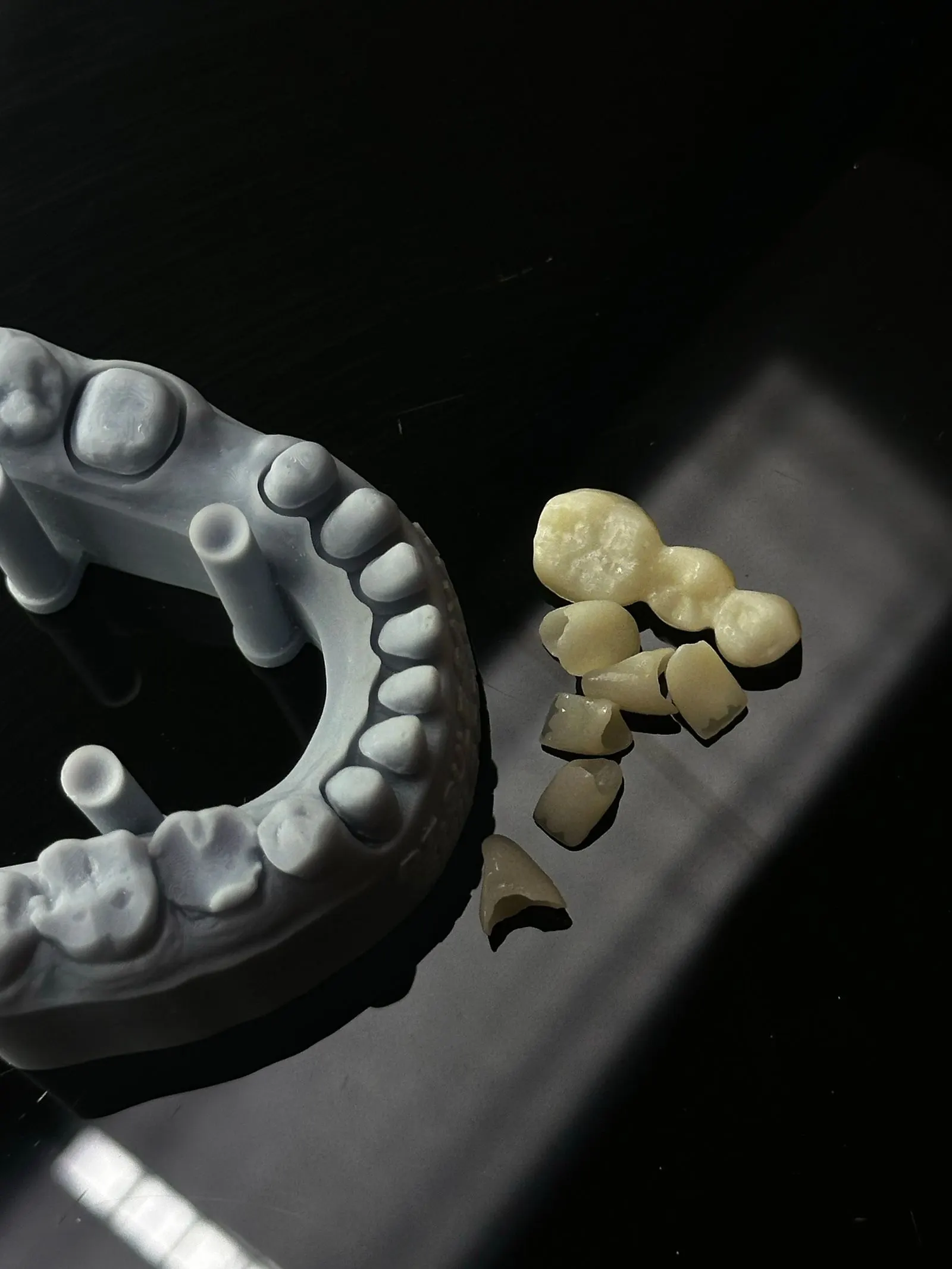
- Composite veneers, applied as a tooth-coloured resin, typically last around 4 to 8 years. They are more conservative and easily repaired, but the material is softer and more prone to staining and chipping.
It is important to read these as ranges rather than guarantees. Some porcelain veneers last well beyond fifteen years, while others may need attention sooner if the bite is heavy or hygiene slips. Think of veneers as long-lasting restorations that are ultimately renewable, not permanent fixtures that never need review.
What Affects How Long Veneers Last?
Several factors decide whether your veneers sit at the top or bottom of their expected range. Some relate to the dentistry itself, others to daily life, and the good news is that many are within your control.
- The material. Porcelain and E.max are harder, more stain resistant and longer lasting than composite resin. Material choice is the single biggest predictor of lifespan.
- Grinding and clenching (bruxism). Repeated heavy pressure, especially overnight, is one of the fastest ways to chip or fracture any veneer. A night guard is one of the most worthwhile protections you can have.
- Biting habits. Chewing ice, biting fingernails, opening packaging with your teeth or biting into very hard foods places stress on the thin edges of a veneer.
- Gum health. Healthy gums give veneers a stable foundation. If the gums recede, the join between the veneer and the tooth can become visible or vulnerable over time.
- Oral hygiene. Veneers do not decay, but the natural tooth beneath and around them can. Plaque at the margins can lead to decay or gum problems that undermine an otherwise sound veneer.
- The quality of the bonding and fit. A well-prepared, precisely bonded veneer resists leakage and lifts far better than a rushed one.
In practice, your habits often matter as much as the material. A beautifully made porcelain veneer will still struggle against years of unmanaged grinding, while a carefully looked-after composite can outperform its average.
Porcelain vs Composite Veneers: A Longevity Comparison
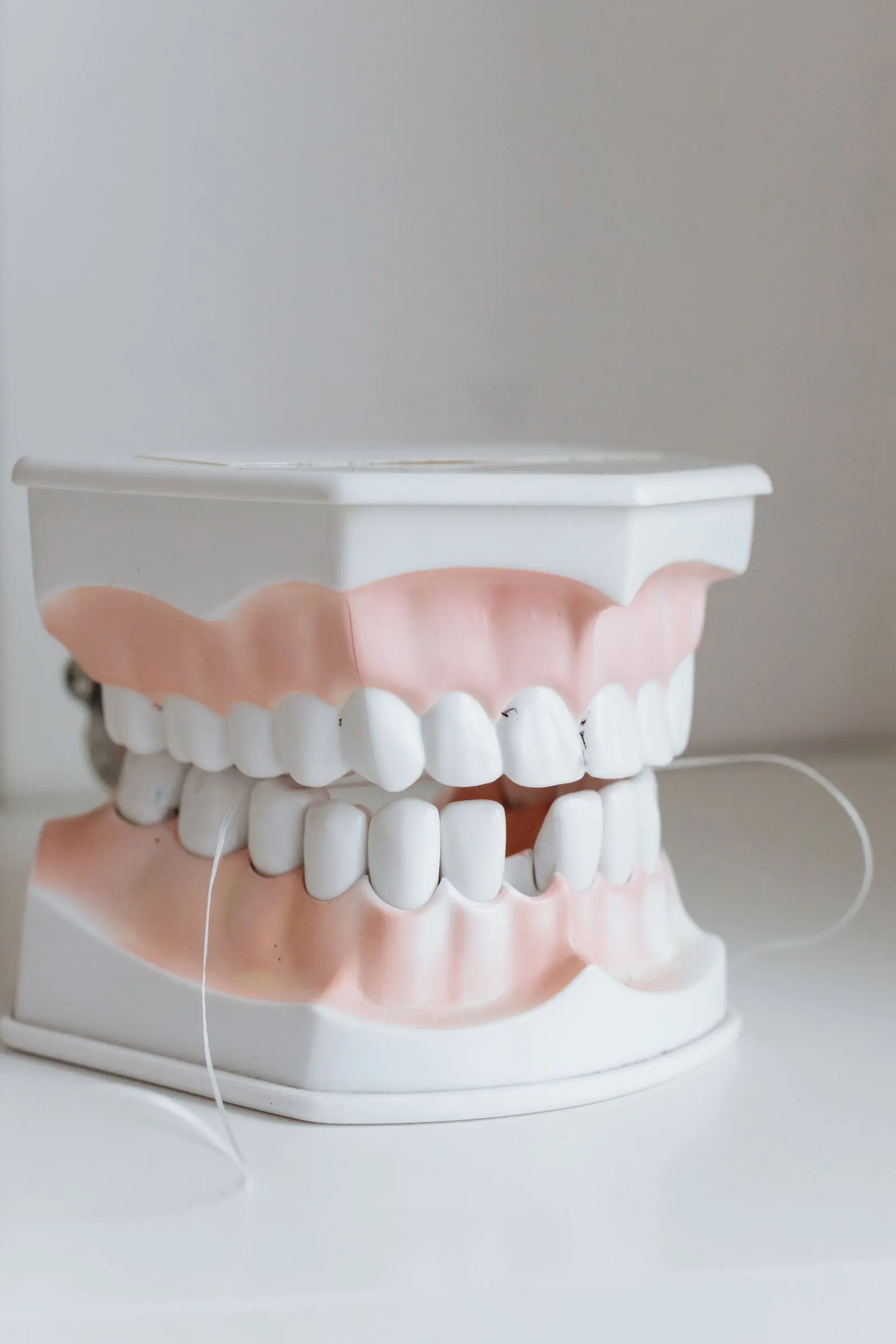
Patients frequently ask which material is the better long-term investment. They solve similar cosmetic problems but age very differently. Porcelain, including porcelain veneers made from materials such as E.max, is stronger and more stain resistant, while composite is more conservative and easier to repair.
| Feature | Composite veneers | Porcelain / E.max veneers |
|---|---|---|
| Typical lifespan | Around 4 to 8 years | Often 10 to 15+ years |
| Stain resistance | Moderate, can discolour over time | High, very stain resistant |
| Strength | Lower, more prone to chips | Higher, more fracture resistant |
| Enamel removal | Minimal, often none | Usually some preparation needed |
| Repairability | Easy, often same-day | Usually requires full replacement |
| Reversibility | More reversible | Less reversible |
Neither option is simply better. Composite veneers often suit younger patients, minor corrections or anyone who wants a reversible, lower-impact start. Porcelain tends to suit those who want maximum longevity and stain resistance and are comfortable with a more permanent step. Dr. Taha G or Dr. Hatice G can talk you through which route fits your teeth, bite and goals.
How to Make Your Veneers Last Longer
Good aftercare genuinely extends the life of veneers, and most of it is simple enough to become habit quickly.
- Brush twice daily with a non-abrasive toothpaste and clean between the teeth once a day to protect the gum margins.
- Wear a night guard if you grind or clench, as this is one of the most effective ways to prevent chips and fractures.
- Do not use your teeth as tools for opening, tearing or biting hard objects.
- Limit heavily staining habits such as smoking, which can discolour the natural teeth and margins around the veneers.
- Keep your routine check-ups and professional cleans so any early issue is caught while it is still small.
- Mention any new sensitivity, roughness or a change in how your bite feels, rather than waiting for a problem to grow.
These habits do not just preserve the veneers themselves. They protect the natural tooth and gum beneath, which is usually what determines whether a veneer stays sound for a decade or longer.
Signs Your Veneers May Need Replacing
Veneers rarely fail suddenly. More often there are gradual signs that it is time for a review. Watch for:
- A veneer that feels loose, moves slightly or has lifted at an edge.
- Visible chips, cracks or worn edges, particularly on the biting surface.
- A dark line appearing at the gum margin, which can indicate the gum has receded or the margin is leaking.
- Persistent sensitivity or discomfort around a veneered tooth.
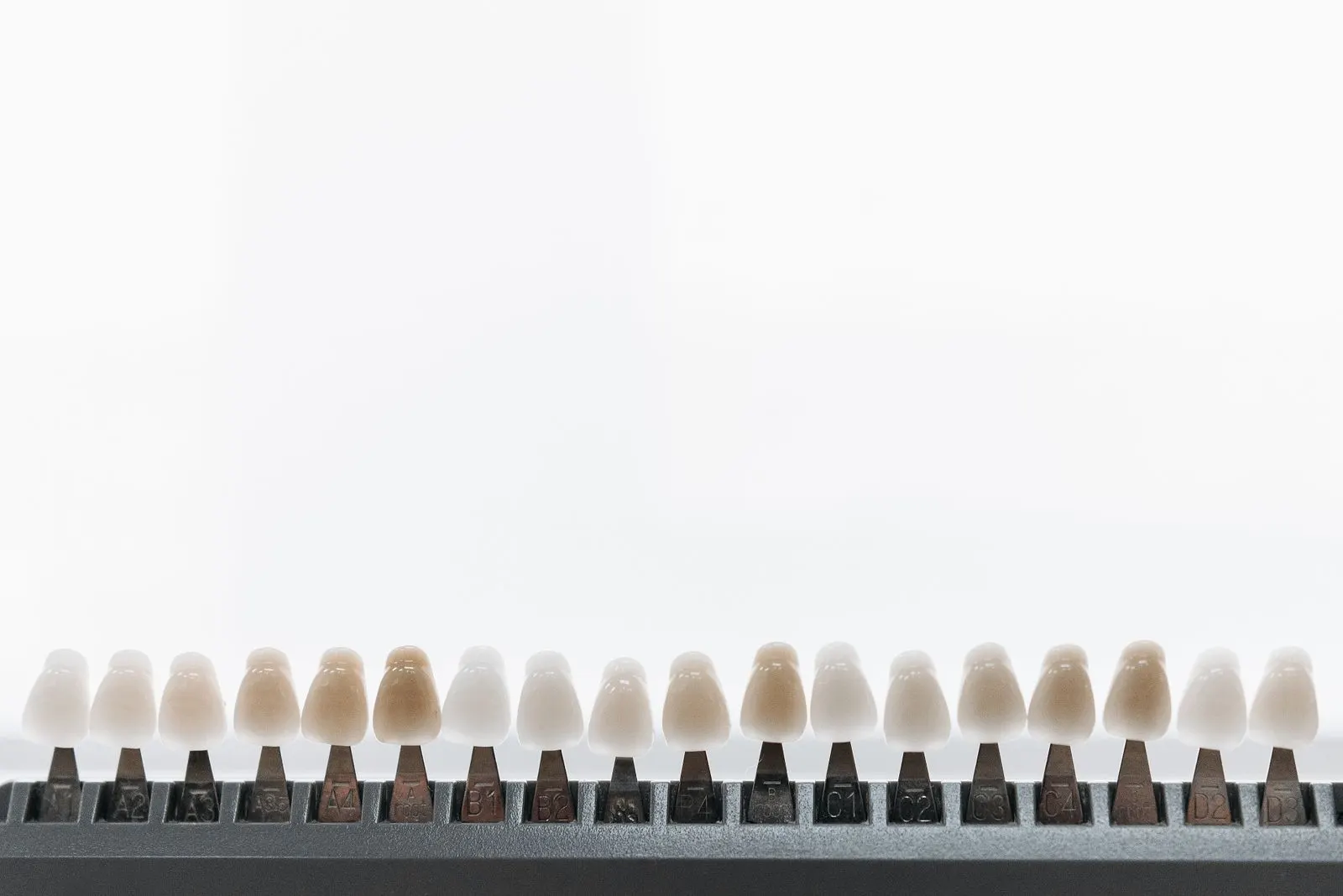
- Noticeable staining or a colour mismatch that cleaning cannot resolve, more common with composite.
If you notice any of these, an early appointment usually keeps the solution straightforward. A small composite chip can sometimes be repaired directly, whereas a porcelain veneer that has fractured or debonded usually needs replacing rather than repairing. Catching changes early almost always makes the fix simpler and protects the tooth underneath.
The Bottom Line
Veneers are a durable, natural-looking way to transform a smile. For a well-known example of a gradual, natural-looking change, see Cristiano Ronaldo's teeth before and after. Porcelain and E.max veneers commonly last 10 to 15 years or more, with studies often reporting survival rates around 90 to 95 per cent at ten years, while composite veneers typically last around 4 to 8 years. Material matters, but your habits do much of the heavy lifting: protect your veneers from grinding, hard biting and poor hygiene and they will reward you with years of reliable service. If you want the longest possible lifespan and maximum stain resistance, porcelain is worth discussing. If you value a gentle, reversible and easily refreshed option, composite has clear merits. The team at Doctor Turka is happy to help you choose the approach that suits your teeth and your long-term plans.
Sources
- Long-Term Survival and Complication Rates of Porcelain Laminate Veneers in Clinical Studies: A Systematic Review (Alenezi et al., J Clin Med 2021)
- Clinical Survival Rate and Laboratory Failure of Dental Veneers: A Narrative Literature Review (J Funct Biomater 2024)
- Veneers (MouthHealthy, American Dental Association)
- Veneers (Oral Health Foundation)
Want a personal opinion?
Leave your contact details. Our patient coordinator will contact you to discuss your needs and explain the next steps, free and without obligation.
Discuss my options