 Dr. Hatice G
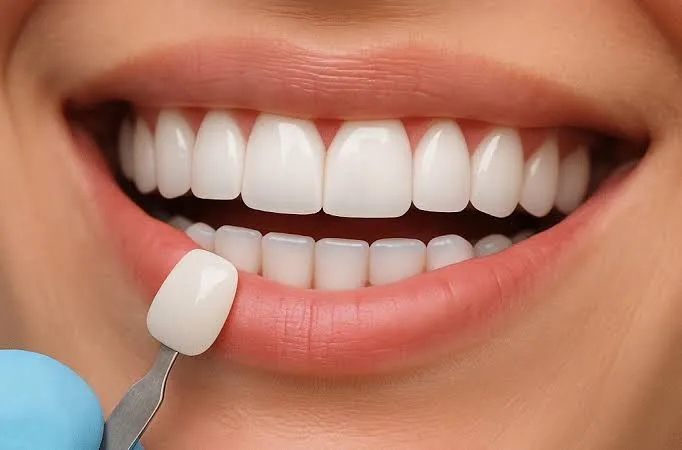
What are veneers? Veneers are thin, tooth-coloured shells bonded to the front surface of a tooth to change its colour, shape or size. They are made of ceramic (porcelain or glass-ceramic) or composite resin. Because they cover only the visible face of the tooth, they usually need far less tooth preparation than a crown, which covers the whole tooth.
Dental veneers are a cosmetic treatment for front teeth. The Oral Health Foundation lists the typical reasons: discoloured teeth that do not respond to whitening, chipped or worn teeth, small gaps, teeth of uneven shape or size, and teeth that look slightly crooked. You can read how we plan this treatment on our veneers treatment page.
This guide explains what veneers are made of, how they are fitted step by step, whether it hurts, who is a good candidate, who is not, how long veneers last and why some "veneers" advertised abroad turn out to be crowns.
What are dental veneers made of?
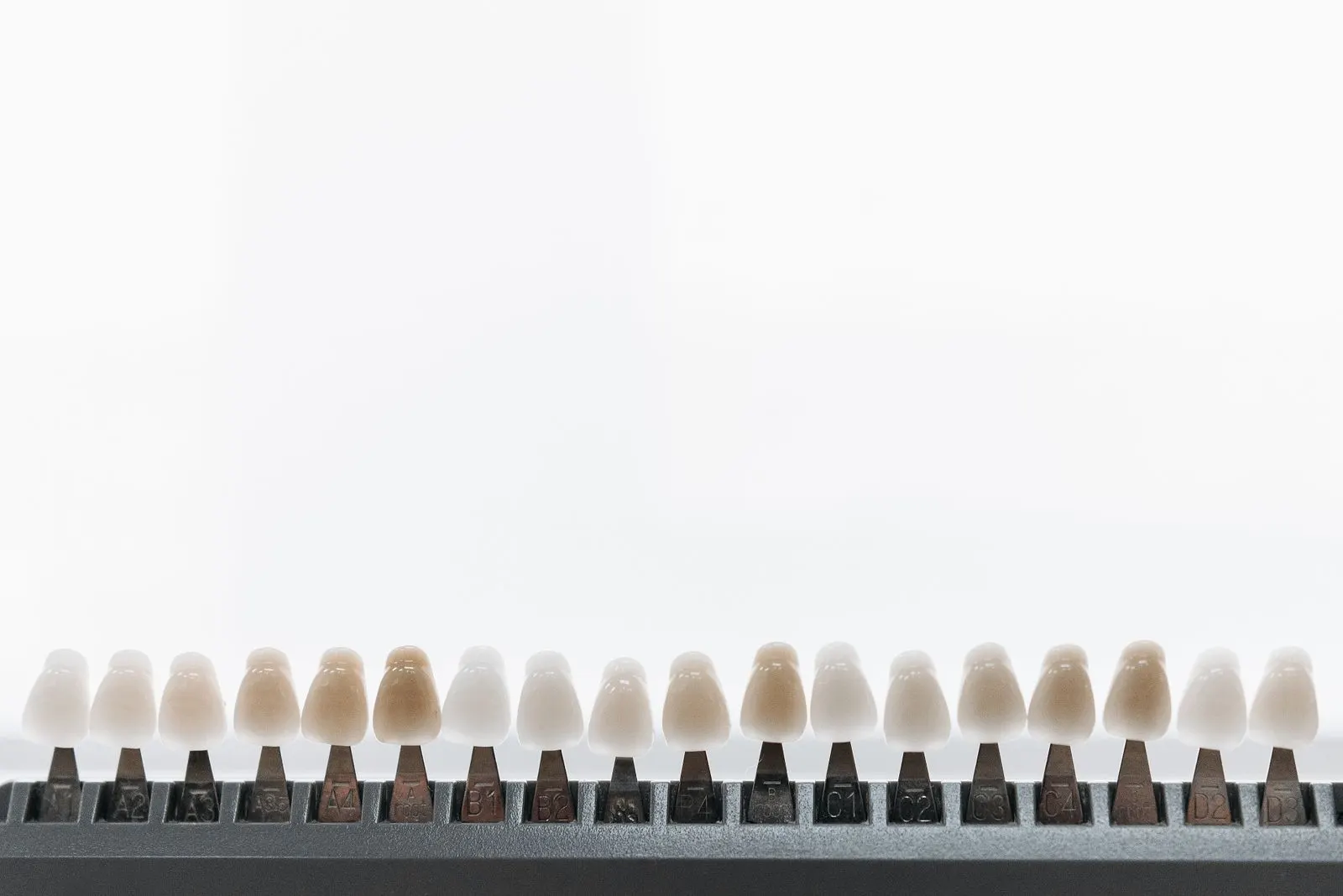
There are two main families of veneer material. Ceramic veneers are made in a dental laboratory or milled by a CAD/CAM machine. They include traditional feldspathic porcelain and stronger glass-ceramics such as lithium disilicate, often known by the trade name E.max. Composite veneers are made of resin, the same type of tooth-coloured material used for white fillings, and are shaped directly on the tooth.
According to healthdirect, the Australian government health information service, porcelain veneers often look more realistic and last longer, while composite veneers are usually completed in one visit.
| Feature | Ceramic (porcelain or E.max) | Composite |
|---|---|---|
| How it is made | In a lab or milled from a digital scan | Built up and sculpted on the tooth |
| Visits | Usually two | Often one |
| Appearance | Natural translucency, stable colour | Good, but can stain and lose shine over time |
| Repair | Small chips may be polished; larger damage usually means a new veneer | Easier to repair or add to |
| Tooth preparation | Usually a small amount of enamel removed | Often minimal or none |
| Typical lifespan | Many years with good care | Generally shorter than ceramic |
Neither type is "better" for everyone. Composite suits small corrections and people who want a reversible or lower-commitment option. Ceramic suits people who want a longer-lasting change in colour and shape on several teeth. If you are weighing the two, our separate guides on porcelain veneers and composite bonding go into more detail. If you only want a temporary, removable change, our guide to clip on veneers vs real veneers explains what snap-on teeth can and cannot do.
How are veneers fitted, step by step?
The exact steps depend on the material, but a typical course of ceramic veneers looks like this.
1. Examination and planning
The dentist checks the health of your teeth and gums, your bite and any existing fillings or crowns. Decay or gum disease must be treated first, because veneers do not fix either. The Oral Health Foundation stresses that healthy teeth and gums and good daily cleaning matter before and after treatment. This stage is also where you agree the shade and shape you want.
2. Preparation of the teeth
To make space for the veneer, the dentist usually removes a small amount of enamel from the front of the tooth. How much depends on the starting position and colour of the teeth: a very dark tooth or one that sits forward may need more, while some cases need very little. This step is irreversible, so it is worth asking how much will be removed and why.
3. Impression or digital scan
The dentist records the shape of the prepared teeth with impression material or a 3D digital scan. Healthdirect notes that some practices use an in-surgery milling system that can make ceramic veneers on the same day. Otherwise the scan goes to a dental laboratory, and temporary veneers may be fitted in the meantime.
4. Try-in and bonding
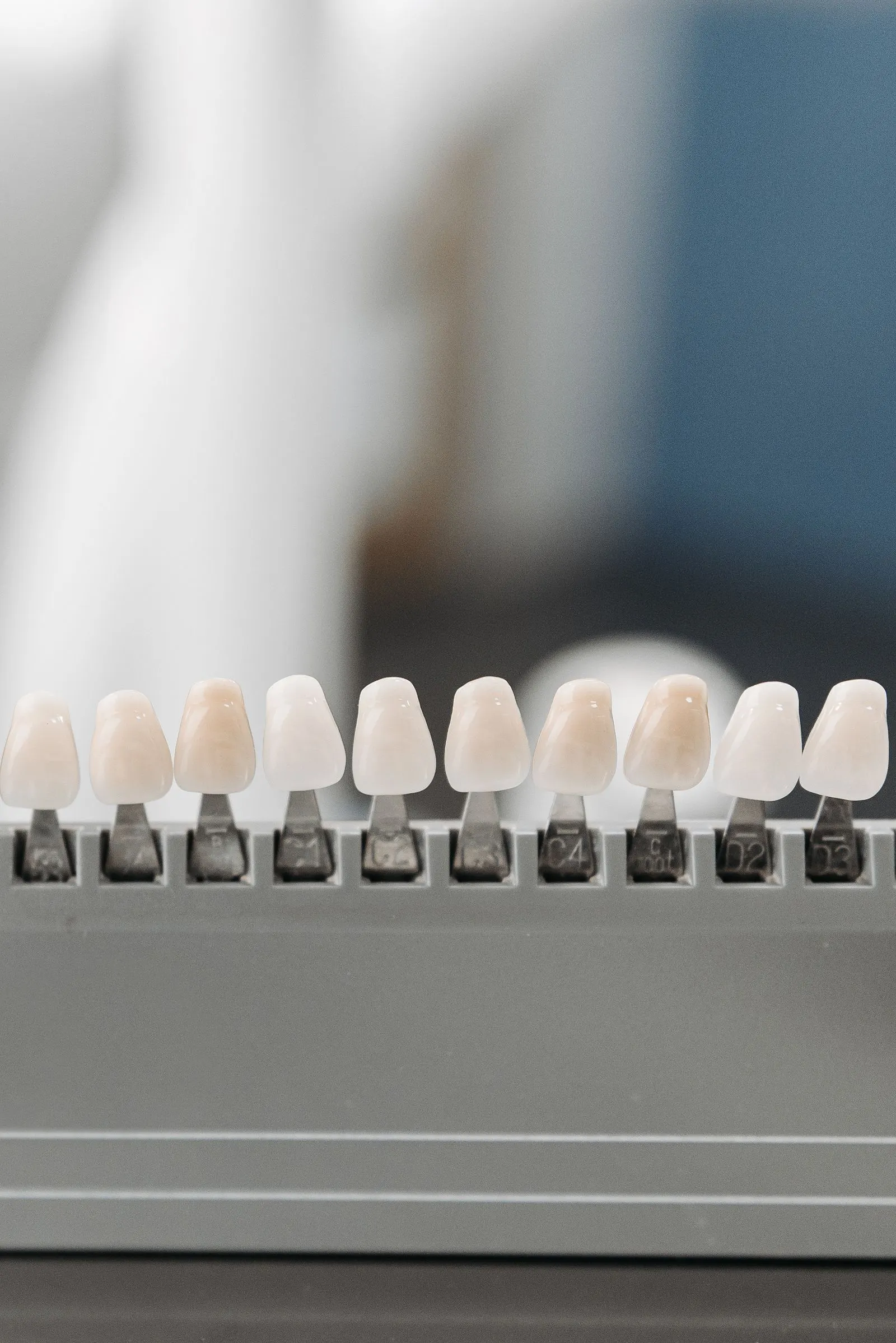
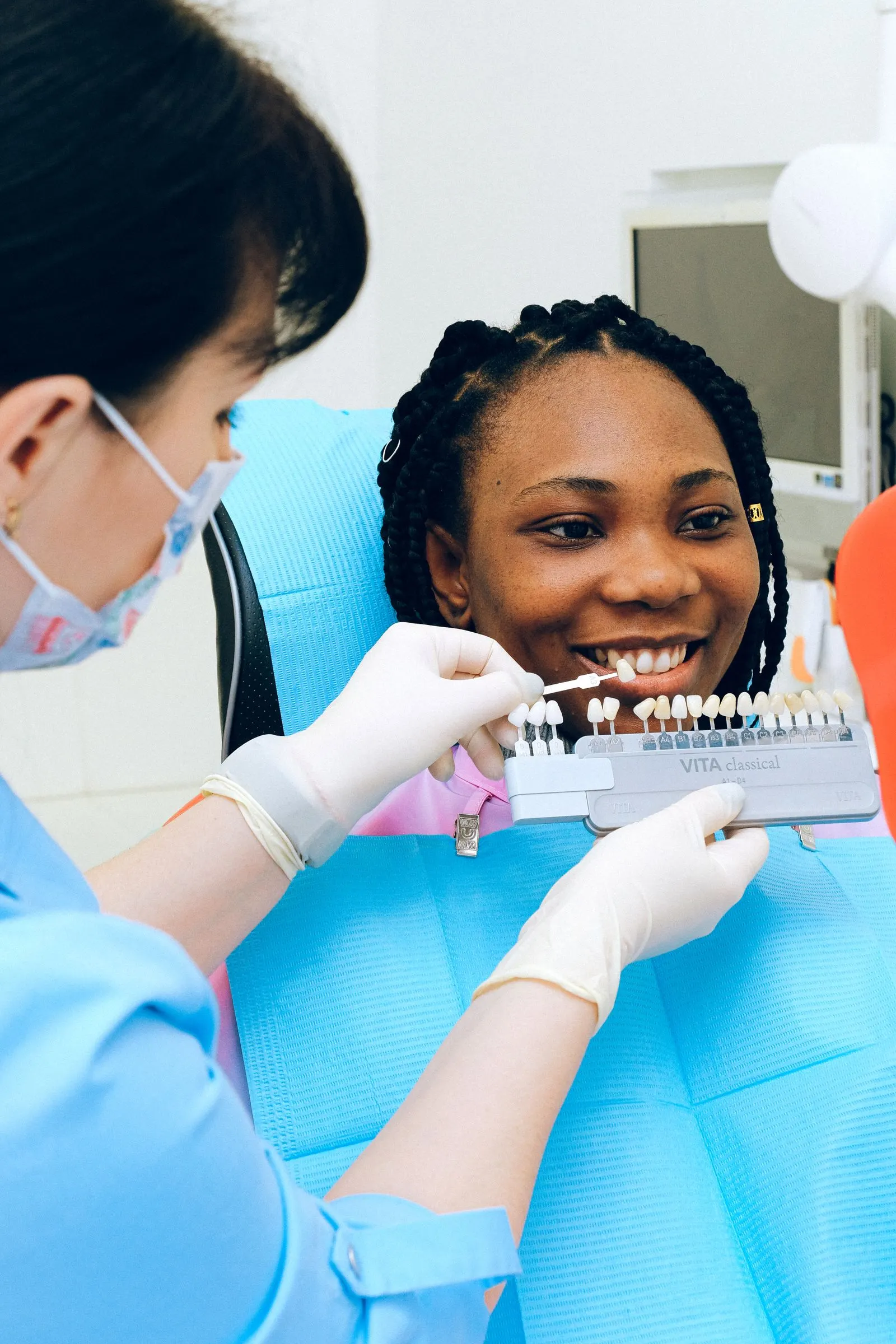
At the next visit, the dentist checks each veneer for fit and colour before fixing it. The tooth surface is cleaned and conditioned, and the veneer is bonded with a strong dental adhesive that is hardened with a curing light. Excess material is removed and the bite is checked.
How are composite veneers done?
Composite veneers skip the laboratory. The dentist roughens the tooth surface slightly, applies bonding agent, then layers and sculpts the resin directly on the tooth before hardening and polishing it. Shade matching happens chairside, which is why this is usually a single-visit treatment.
Do veneers hurt?
For most people the procedure feels similar to having a filling. When enamel is trimmed, a local anaesthetic is normally used so that you do not feel pain during preparation. Composite veneers placed with little or no trimming may not need any anaesthetic at all.
After fitting, some discomfort is common but usually short-lived. Healthdirect lists increased tooth sensitivity as a possible side effect where enamel has been removed, and notes that your teeth may feel different until you get used to the new shape. Jaw ache is also listed as a possible side effect. Pain that persists, a high spot when you bite, or swelling of the gum should be checked by your dentist, as it can signal a fitting or bite problem.
Who is a good candidate for veneers?
Veneers work best for adults with healthy teeth and gums who want to change the appearance of their front teeth and accept that the change is usually permanent. Typical good candidates have:
- discoloured teeth that whitening cannot improve enough, for example after root canal treatment or from internal staining
- chips, worn edges or teeth that are too short
- small gaps or minor unevenness that do not need orthodontic correction
- sound enamel to bond to, because adhesion to enamel is more reliable than to large fillings
- a stable bite and realistic expectations about colour and shape
A dentist must examine you in person to confirm this. Photos and online questionnaires cannot assess gum health, bite or the amount of healthy enamel.
When are veneers not the right choice?
Veneers are not suitable for everyone. Healthdirect states that people who grind or clench their teeth, or who have gum disease, may not be suitable, and that veneers do not correct tooth decay or bite problems.
Other situations where a different treatment is usually better include:
- Heavily filled or broken teeth. If a large part of the tooth is missing, a crown may protect it better. Our article on veneers vs crowns explains how dentists decide.
- Crowded or rotated teeth. Aligners or braces can often move teeth into position without removing enamel.
- Teeth that are only yellow. Professional whitening is less invasive and may be enough on its own.
- Untreated gum disease. Gums need to be healthy and stable first, or the veneer margins may become visible if the gum recedes.
Remember too that a veneer's colour cannot be changed once it is bonded, and natural teeth next to it can still darken over time. If you are considering whitening, it should normally be done before veneers are shade-matched.
How long do veneers last?
The Oral Health Foundation says veneers can last many years but can chip, crack or come loose. Small chips may be repairable, while larger damage usually means a new veneer.
The best available long-term data concern ceramic veneers. A 2021 systematic review in the Journal of Clinical Medicine pooled clinical studies covering 6,500 porcelain veneers and estimated a 10-year cumulative survival rate of 95.5 per cent. Fracture and debonding were the most common complications, and most failures happened in the first years after fitting. Composite veneers generally need more maintenance, such as polishing and repairs, and are replaced sooner.
What shortens a veneer's life is largely within your control: grinding without a night guard, biting nails or hard objects, poor cleaning around the margins and skipped check-ups. For a fuller comparison of materials and real-world lifespan, see our guide on how long veneers and "Turkey teeth" last.
Why are some "veneers" sold abroad actually crowns?
A veneer covers the front of the tooth. A crown covers the whole tooth, which means reducing it on all sides. The two are often confused in advertising and on social media, and the difference matters because crowns on healthy teeth remove much more tooth structure.
The British Dental Association has raised this publicly. In comments reported by GDPUK, BDA chair Dr Eddie Crouch said patients who believed they were getting veneers had "huge amounts of their teeth drilled away", and that the core problem was "crowns on healthy teeth". He also stressed that patients need informed consent and a clear understanding of what treatment involves.
Before you agree to any cosmetic plan, at home or abroad, ask:
- Is this a veneer, a crown or composite bonding, tooth by tooth?
- How much tooth structure will be removed?
- Could orthodontics, whitening or bonding achieve a similar result with less preparation?
- What happens if a veneer chips or comes off in the future?
Treatment on the NHS is not usually an option. The NHS says veneers are generally only available privately unless there is a clinical need. For an overview of what different treatments cost in Istanbul, see our dental costs in Turkey page.
Having veneers in Istanbul with Doctor Turka
Our dentists at Doctor Turka in Ataköy, Bakırköy, Istanbul, examine your teeth and gums before recommending veneers, crowns, bonding or a less invasive alternative. You receive a free written treatment plan before you travel, stating which teeth are treated and with what. You can read how the process works or contact us via WhatsApp or our contact page.
Want a personal opinion?
Leave your contact details. Our patient coordinator will contact you to discuss your needs and explain the next steps, free and without obligation.
Discuss my options