 Dr. Hatice G
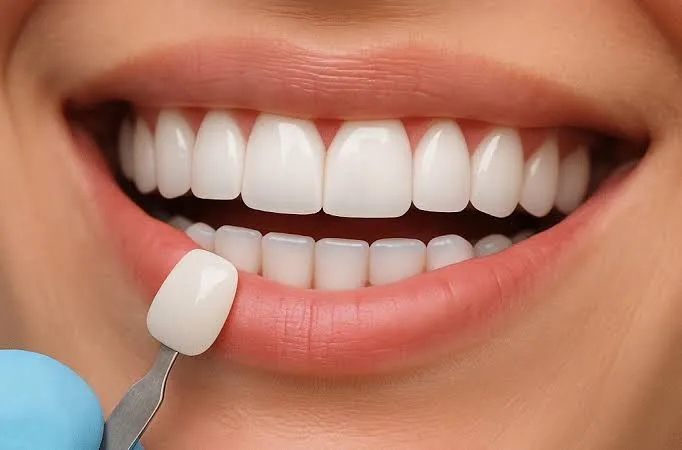
Clip on veneers are removable plastic or resin covers that snap over your natural teeth to change how your smile looks. They are not bonded and do not alter the teeth underneath, so you can take them out. They can work as a short-term cosmetic option, but they carry real risks for teeth and gums and are not a substitute for treatment.
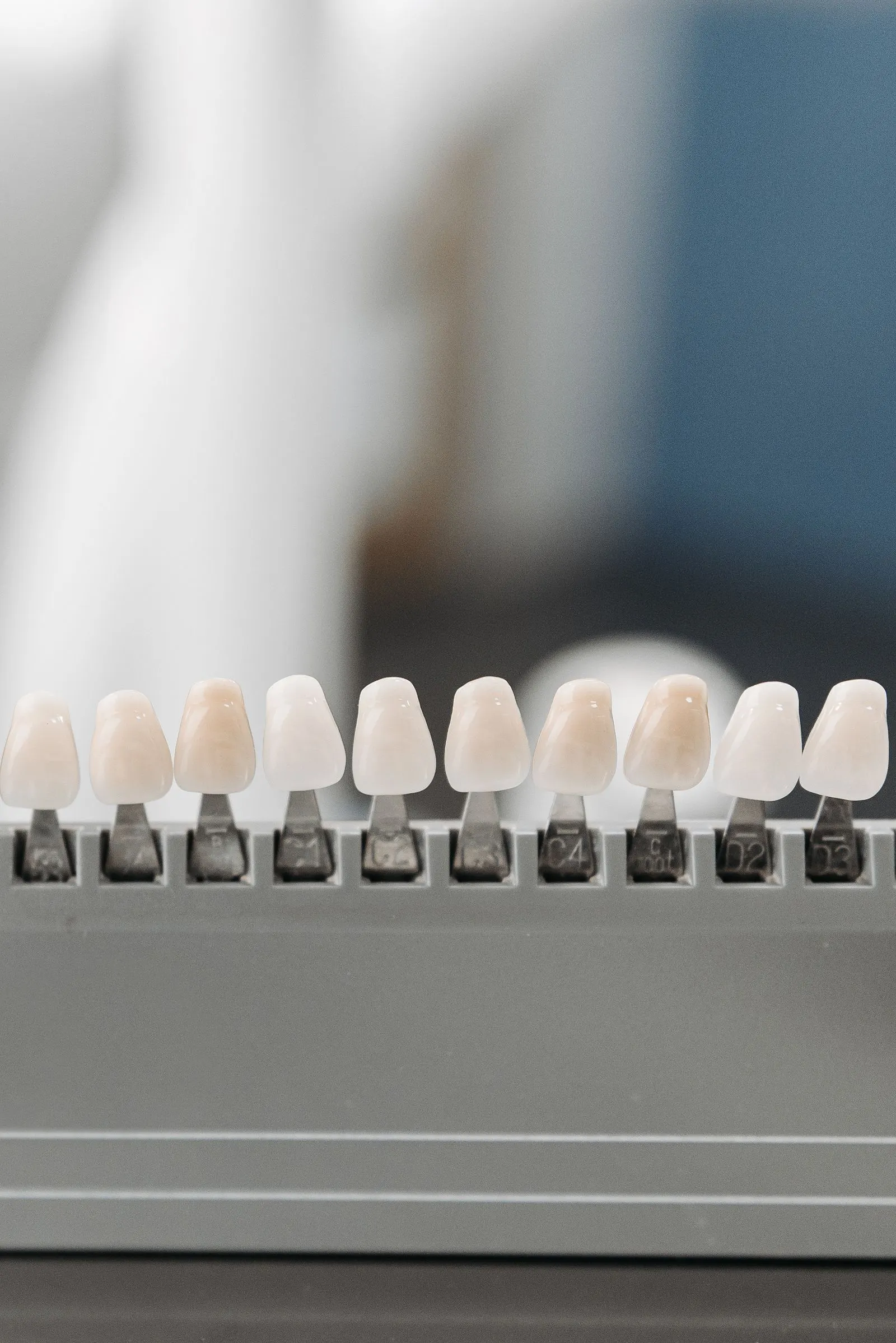
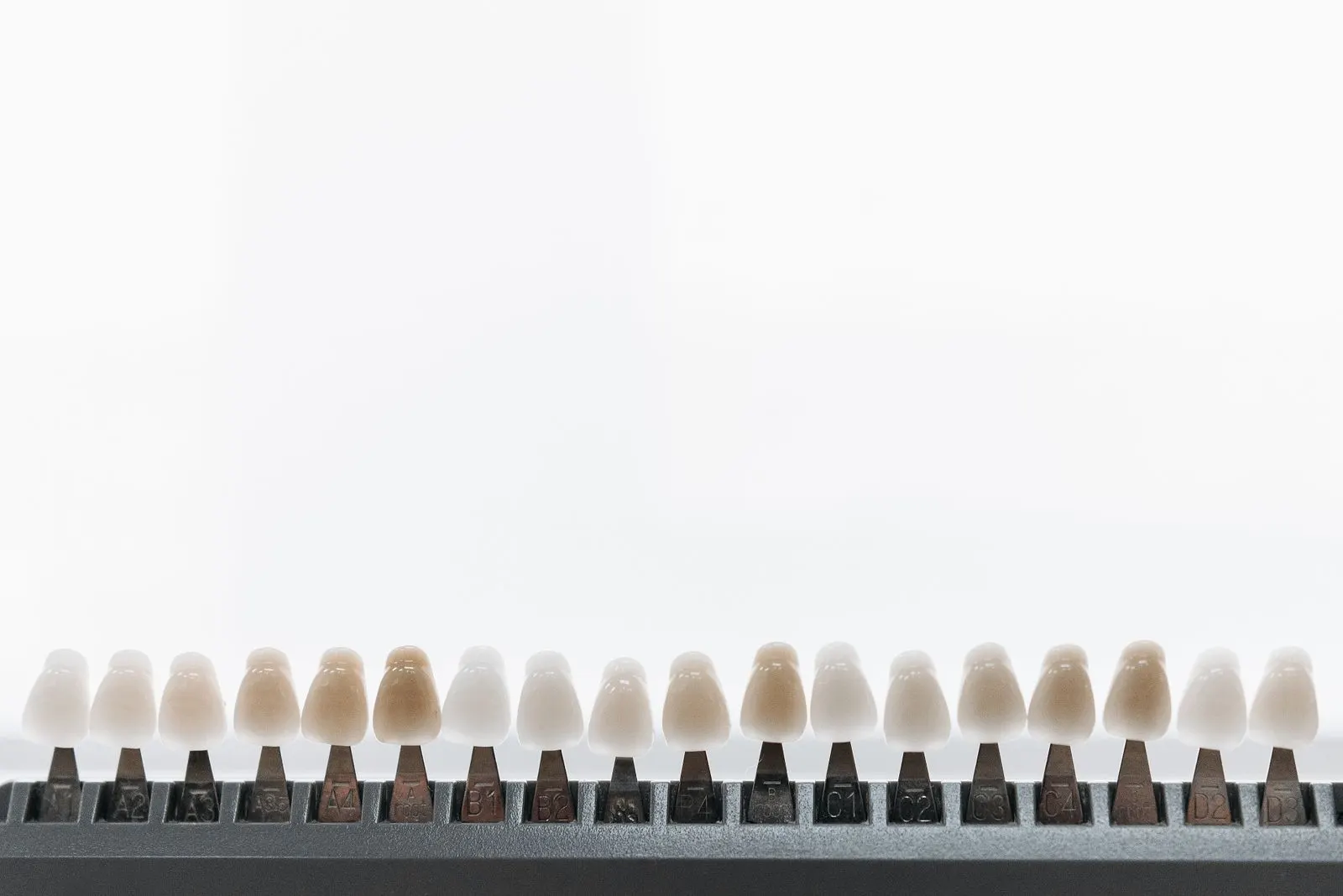
You will also see them sold as clip-in veneers, snap-on veneers, press-on veneers or removable smile appliances. Some are made by a dental laboratory after a dentist takes impressions; others come as home kits ordered online. Real veneers, by contrast, are thin ceramic or composite shells permanently bonded to the front of each tooth. You can read how we approach that treatment on our veneers treatment page.
This article compares the two honestly: what clip-ons are, when they can make sense, what can go wrong and when bonded veneers or composite bonding are the better choice.
What are clip on veneers?
A clip-on veneer is a single removable appliance, usually covering several upper or lower teeth at once, shaped to look like an even row of teeth. It grips the natural teeth and holds itself in place without adhesive.
A 2024 literature review in the Romanian Journal of Oral Rehabilitation describes lab-made snap-on devices produced by injection moulding, CAD/CAM milling or 3D printing from materials such as acetal resin or PMMA (a hard acrylic). It notes that they need no tooth preparation, which is their main appeal. Home kits typically rely on a mould you take yourself, so the fit depends on how well that impression is made.
The American Dental Association describes snap-on veneers as having become popular on social media, often used as a temporary cover for missing, discoloured or chipped teeth.
Clip in veneers vs real veneers: how do they compare?
The two products share a name but work in completely different ways.
| Feature | Clip-on or snap-on veneers | Bonded veneers (ceramic or composite) |
|---|---|---|
| Attachment | Removable, grips the teeth | Permanently bonded to each tooth |
| Tooth preparation | None | Often a small amount of enamel, sometimes none |
| Examination first | Not always (home kits) | Always, by a dentist |
| Look | Bulkier, can look artificial | Individually shaped and shade-matched |
| Eating | Usually removed to eat | Eat normally |
| Cleaning | Appliance and teeth cleaned separately | Brush and floss like natural teeth |
| Durability | Short to medium term | Many years with good care |
| Reversibility | Fully reversible | Usually permanent if enamel was removed |
The key trade-off is reversibility versus quality. Clip-ons leave your teeth untouched, which matters if you are unsure. Bonded veneers look and function more like natural teeth but usually mean a permanent change. If you are new to the topic, our guide on what veneers are and how they are fitted explains the permanent option in detail.
When can snap on veneers make sense?
There are situations where a removable cosmetic appliance is reasonable:
- A single event. The 2024 review includes a case where a lab-made device was used for immediate aesthetic improvement before a significant social event.
- While waiting for treatment. Someone who is planning implants, orthodontics or other work may want a temporary cosmetic cover in the meantime, provided their dentist agrees.
- Trying out a look. A professionally made appliance can give a rough idea of how longer or whiter teeth might look before committing to anything permanent.
- When fixed treatment is not possible yet. For example, while gum or health problems are being managed.
In each case the appliance works best when it is short-term, worn for limited periods and made after an examination rather than ordered blind.
What are the risks of clip on veneers?
The main problems come from covering teeth for long periods with an appliance that was not designed around a full examination.
Decay and gum disease
The ADA warns that snap-on veneers can trap food particles against the tooth surface, which may increase the risk of tooth decay and gum disease, and that they can damage tooth enamel. Saliva normally washes the teeth; under a close-fitting cover it cannot do that well.
Fit, comfort and sensitivity
A 2024 study in Clinical, Cosmetic and Investigational Dentistry surveyed 466 adults in Saudi Arabia, of whom only 15 had used snap-on veneers. Most of those users reported discomfort and more than half reported an imperfect fit. Tooth sensitivity (26.7 per cent) and caries (20 per cent) were the side effects users mentioned most often. The user group is very small, so these figures are an early signal rather than a reliable rate.
Speech and appearance
In comments to The Dentist, UK dentist Richard Coates warned that cheap clip-in veneers can leave people with a badly fitting piece of plastic that affects their ability to speak properly and looks fake.
Bite and existing problems
An appliance that covers the biting edges changes how your upper and lower teeth meet while it is in. If you already have a bite problem, worn teeth or jaw discomfort, that is a reason to speak to a dentist first. Clip-ons also hide problems: a cavity or inflamed gum underneath can progress without you noticing.

Are DIY clip on veneer kits in the UK safe?
Home kits remove the step that matters most: an examination. The Oral Health Foundation and the British Orthodontic Society have made the same point about DIY orthodontics, saying in a joint campaign that treatment should involve face-to-face contact with a trained clinician, because conditions can otherwise be missed.
The same logic applies to clip on veneers in the UK. A kit cannot check for decay, gum disease, loose teeth or a bite problem before you start wearing it. It is also worth knowing that the General Dental Council treats it as illegal practice when someone who is not GDC-registered offers dental treatment or advice. If a person or business in the UK is taking impressions in person or advising on your teeth, you can check whether they are registered.
How does the cost of clip-on veneers compare?
We do not quote product prices, because they vary widely and change often. The cost logic is more useful than a figure:
- Clip-ons are priced as one appliance for a whole arch. Home kits sit at the low end; lab-made appliances supplied through a dentist cost more because of the examination, impressions and laboratory work.
- Bonded veneers are priced per tooth, so the total depends on how many teeth are treated and which material is used.
- Replacement and hidden costs matter for both. Clip-ons may need replacing as they wear or crack, and treating decay or gum disease that develops underneath adds cost. Bonded veneers need maintenance and eventual replacement too.
For an overview of treatment prices at our clinic, see our dental costs in Turkey page.
When are real veneers or composite bonding the better option?
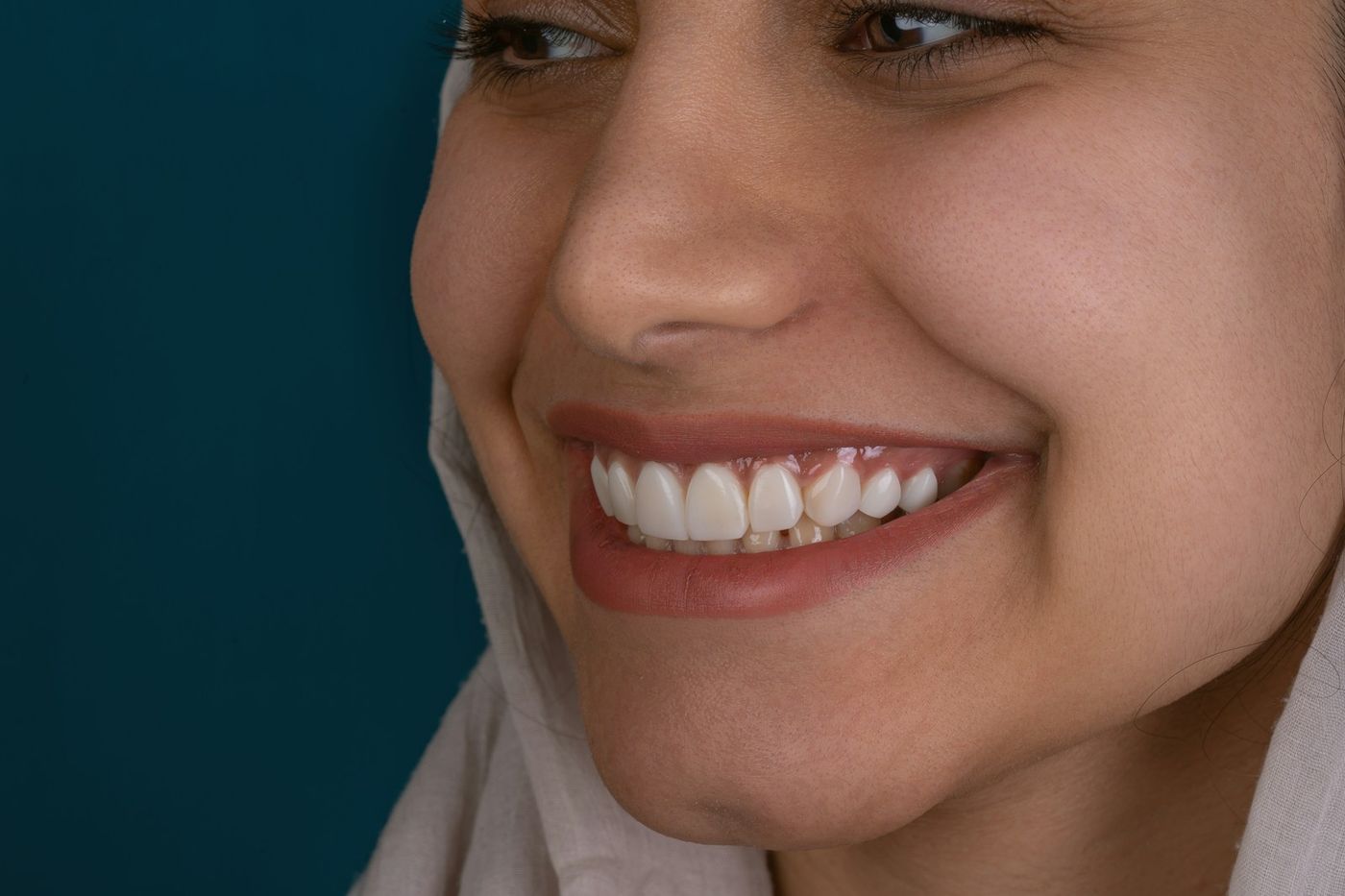
A permanent treatment is usually the better choice when you want to wear the result every day, eat normally and avoid an appliance covering your teeth for hours at a time. Typical examples:
- Small chips, gaps or worn edges. Composite bonding can often fix these with little or no enamel removed. Our guide on what composite bonding is explains how it works.
- Discolouration that whitening cannot fix. Ceramic veneers give a stable colour.
- Several uneven teeth with healthy gums. A planned set of veneers can change shape and colour together.
Permanent veneers have their own downsides, including enamel removal in many cases and the need for eventual replacement. Our article on how long veneers and Turkey teeth last covers realistic lifespans.
What should you look for if you still want clip-on veneers?
People often search for the "best clip on veneers in the UK". We do not recommend brands, because the product matters less than the process. Whatever you choose, these points reduce the risk:
- have a dental check-up first, so decay and gum disease are treated before anything covers your teeth
- prefer an appliance made from impressions or scans taken by a dental professional
- wear it for limited periods, not all day and night
- remove it to eat and clean both the appliance and your teeth before putting it back
- stop wearing it and see a dentist if it rubs, loosens, causes pain or changes your bite
Having veneers or bonding in Istanbul with Doctor Turka
If you decide a permanent option suits you better, our dentists at Doctor Turka in Ataköy, Bakırköy, Istanbul, examine your teeth and gums first and explain whether bonding, veneers or a less invasive approach fits your case. You receive a free written treatment plan before you travel. See how the process works or get in touch via WhatsApp or our contact page.
Sources
- Latest TikTok trend could harm teeth: DIY veneers (ADA News)
- User Insights into Fake Snap-on Veneers: Perceptions and Experiences (Clinical, Cosmetic and Investigational Dentistry, 2024)
- Short-term aesthetic rehabilitation with 3D printed snap-on smile devices: literature review and a case report (Romanian Journal of Oral Rehabilitation, 2024)
- Clip-in veneers 'a waste of money' warns top dentist (The Dentist)
- Illegal practice and how to report it (General Dental Council)
- New campaign set to warn against DIY orthodontics (Oral Health Foundation)
Want a personal opinion?
Leave your contact details. Our patient coordinator will contact you to discuss your needs and explain the next steps, free and without obligation.
Discuss my options