 Dr. Taha G
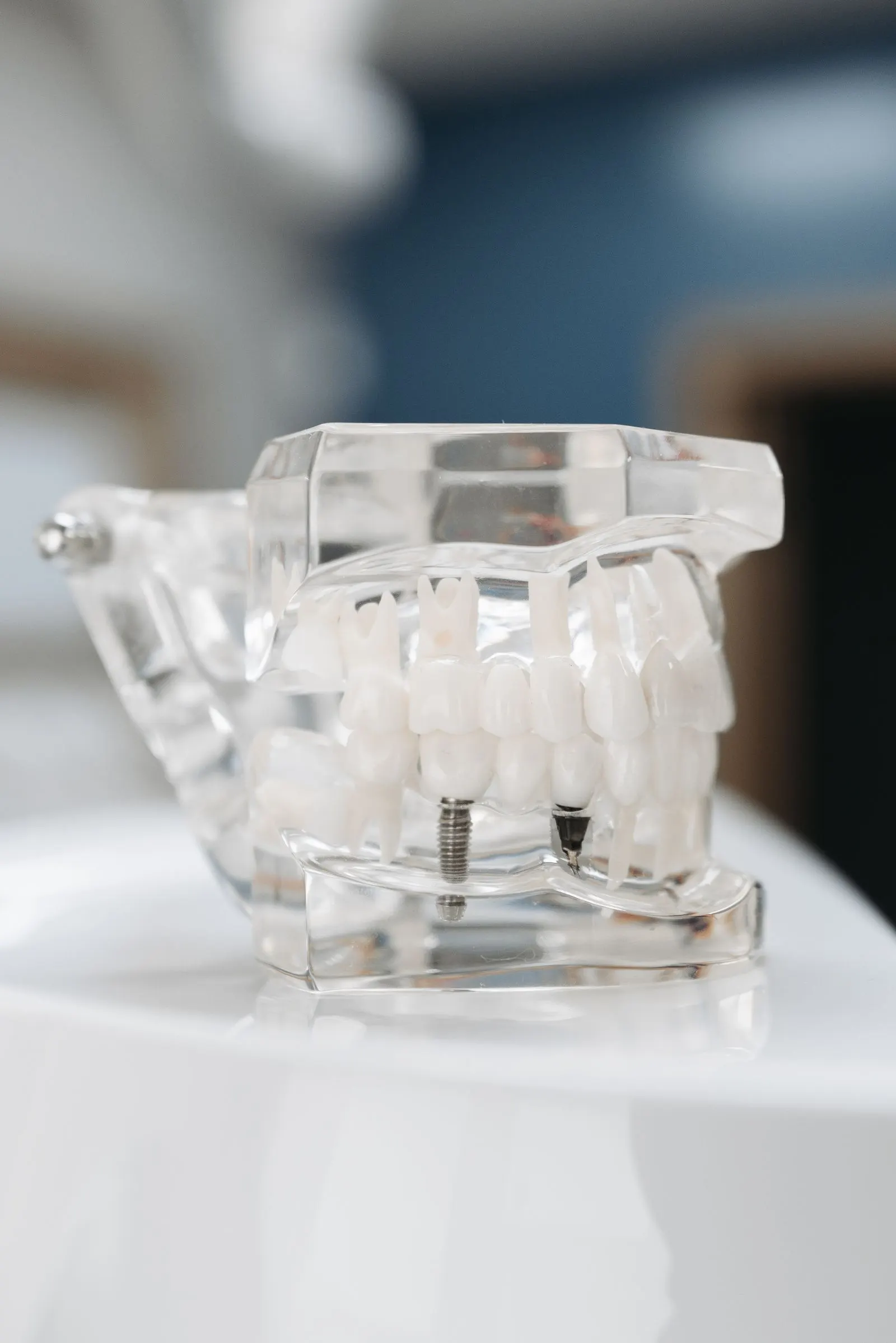
A dental implant is an artificial tooth root placed in the jaw bone to support a crown, bridge or denture. The main types of dental implants differ by size (standard, narrow, mini, short), by material (mostly titanium, sometimes ceramic) and by where they anchor, from the jaw itself to the cheekbone in zygomatic cases. Which one suits you depends on your bone and your dentist's assessment.
This guide explains how an implant is built, which materials are used, the different types and how dentists decide between them. If you are already weighing treatment, our dental implants treatment page explains how we plan cases with a 3D scan.
The NHS describes implants as man-made replacements for tooth roots that can support dentures, crowns or bridges and can last a long time with good care (Guy's and St Thomas'). They are not the only way to replace teeth, and they are not suitable for everyone.
What is a dental implant made of? The three parts
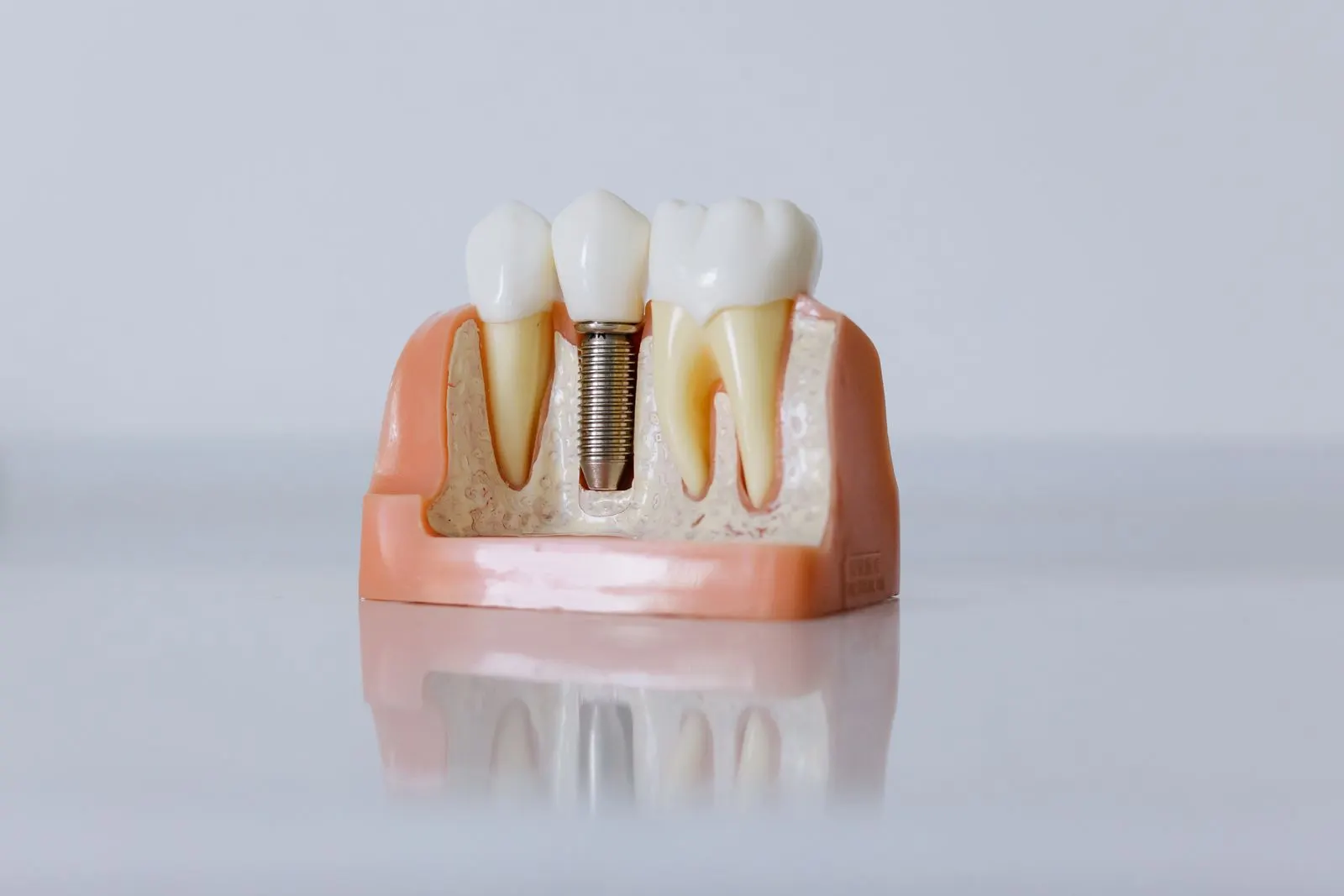
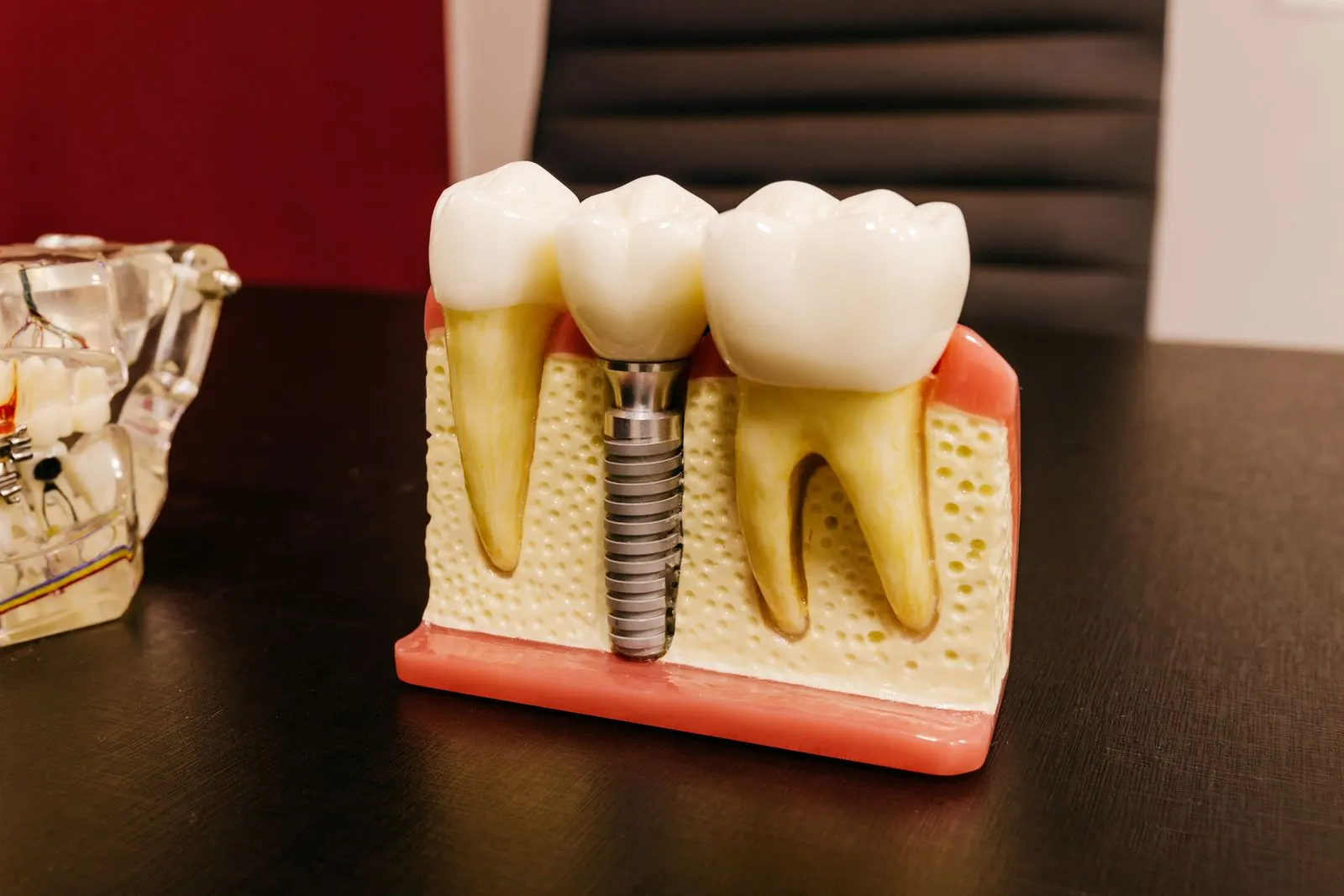
Almost every modern implant restoration has three layers. Knowing them makes treatment plans and quotes much easier to read.
| Part | Where it sits | What it does | Typical materials |
|---|---|---|---|
| Implant body (fixture) | Inside the jaw bone | Acts as the new root and fuses with bone | Titanium, titanium alloy or zirconia |
| Abutment | Just above the gum | Connects the implant to the tooth | Titanium, zirconia or a combination |
| Restoration | In the mouth, visible | The crown, bridge or denture you chew with | Zirconia, porcelain or acrylic (dentures) |
The implant body is usually a threaded post. After placement, bone grows onto its surface in a process called osseointegration. The American Dental Association notes that this healing phase can take up to several months before the final teeth are attached, although some patients receive teeth on the same day (MouthHealthy).
The abutment may be screwed into the implant or made as one piece with it. On a screw-retained restoration the crown and abutment can be removed by the dentist for maintenance, which some people prefer. Our article on screwless dental implants explains those connection options in more detail.
Titanium, titanium-zirconium or ceramic: which material?
Titanium has been the standard implant material for decades because bone bonds reliably to it. Some manufacturers also offer titanium-zirconium alloys, mainly for narrow implants where extra strength in a thin post is helpful.
Zirconia (ceramic) implants are white, so they cannot show through thin gum as a grey shadow. They are often requested by people who want a metal-free mouth. The evidence, however, is more limited. A 2024 meta-analysis of randomised trials in the Journal of Clinical Medicine found that titanium implants showed better survival and less bone loss than zirconia implants after one year of follow-up (Journal of Clinical Medicine).
Many ceramic implants are one-piece designs, which can limit how the crown is angled. That does not make them a bad choice, but it does mean the decision should be based on your anatomy and the available evidence, not only on the colour of the post.
What are the types of dental implants by size?
Implant size is chosen to match the bone available. Diameter means thickness; length means how deep the implant goes.
Standard and narrow implants
Standard-diameter implants are the default for most single teeth and bridges. Narrow implants are used where the gap or the bone ridge is thin, for example for small front teeth.
Mini dental implants
Mini dental implants are very thin, usually one-piece implants. A 2024 systematic review defined them as implants with diameters between 1.8 mm and under 3.0 mm and lengths of 9 to 15 mm (PMC review). Their main use is to retain a lower complete denture.
The review concluded that mini implants are a viable alternative to standard implants for holding lower overdentures. Reported survival ranged from 89 to 98% for mini implants and from 99 to 100% for standard implants, but only two trials reported this, and most follow-up periods were around 12 months. They are therefore a reasonable option in selected cases, not a cheaper version of a standard implant for every situation.
Short implants
Short implants can avoid a bone graft when the bone under the sinus is shallow. A 2019 BMJ Open review of 7 randomised trials with 310 participants compared implants of 6 mm or less with implants of 10 mm or more placed after sinus floor elevation. Survival was similar, and short implants had less marginal bone loss and fewer complications such as sinus perforation (BMJ Open review). The authors still called for more long-term studies.
What are zygomatic and pterygoid implants?
When the upper jaw has lost a lot of bone, standard implants may have nothing to hold on to. Two specialist options then come into play.
Zygomatic implants are long implants that run from the upper jaw into the cheekbone (zygoma). A 2023 systematic review of 24 studies covering 2,194 zygomatic implants in 918 patients reported survival between 90.3 and 100%, depending on the surgical technique. Sinusitis and soft tissue infection were the most common complications (International Journal of Implant Dentistry). You can read how we plan these on our zygomatic implants page.
Pterygoid implants are angled into the dense bone at the very back of the upper jaw, behind the last molars. They are sometimes used to support a full upper arch without a sinus lift. Both zygomatic and pterygoid implants demand advanced surgical training and careful 3D planning, and both have a smaller evidence base than standard implants.
Types of dental implants by restoration: single, bridge, All-on-X, overdenture
The second way to classify implants is by what they carry. This is often the more useful question for patients.
| Restoration | Number of implants | Fixed or removable | Typical situation |
|---|---|---|---|
| Single crown | One per missing tooth | Fixed | One missing tooth with healthy neighbours |
| Implant bridge | Usually two or more for several teeth | Fixed | Several missing teeth in a row |
| Full fixed arch (All-on-4, All-on-6) | Four to six per jaw | Fixed (removed only by the dentist) | No teeth, or failing teeth, in one jaw |
| Overdenture | Often two or more per jaw | Removable by the patient | Loose dentures, limited bone or budget |
A single implant crown leaves the neighbouring teeth untouched, which is one of the main reasons people choose it over a conventional bridge. A full arch on four or six implants replaces a whole jaw of teeth with a fixed bridge. An overdenture clips onto implants for stability but can still be taken out for cleaning.
How do dentists choose the right implant for you?
There is no single best implant. The choice is a clinical decision based on several factors:
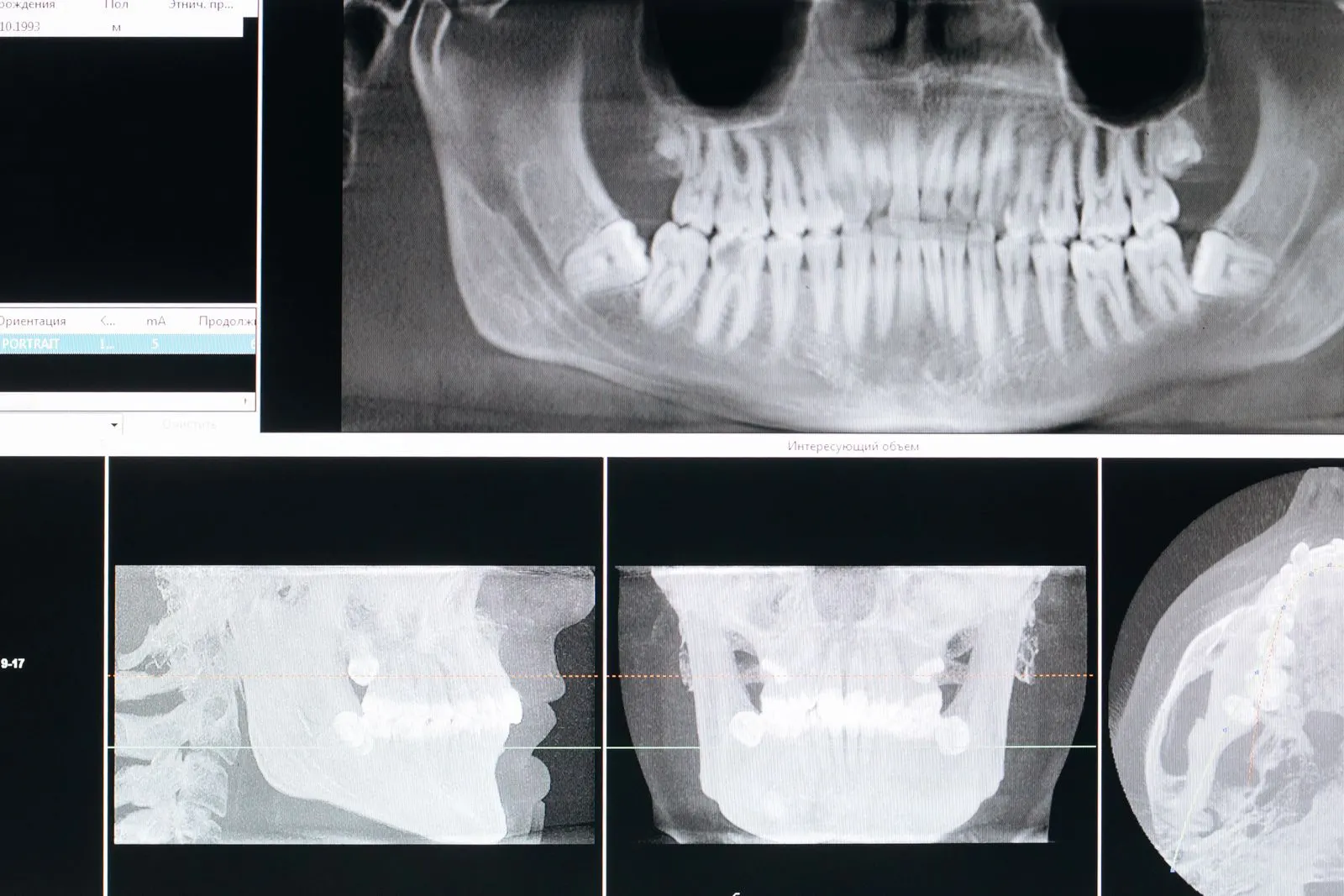
- Bone volume and quality: height, width and density at each site, measured on a 3D (CBCT) scan.
- Nearby structures: the nerve in the lower jaw and the sinus in the upper jaw set limits on implant length.
- Number and position of missing teeth: front teeth need different planning from molars.
- Gum health: active gum disease must be treated first.
- General health and habits: the NHS notes that smoking raises the risk that an implant fails to fuse with bone, and the ADA lists conditions such as uncontrolled diabetes as factors that can affect healing.
- Bite forces: grinding or clenching can overload implants and crowns.
If bone is missing, the options are usually a graft, a sinus lift, a short or angled implant, or in severe upper-jaw cases zygomatic implants. Guy's and St Thomas' notes that not everyone needs a bone graft, and that a full course of implant treatment can take 6 to 12 months.
What are the risks, and how long do implants last?
Implants are a well-established treatment, but they are surgery and carry risks. The NHS lists failure to fuse with the bone, parts that loosen or wear over time, and swelling or bruising after grafting. Long-term success also depends on cleaning around the implants every day and attending regular check-ups.
How long an implant lasts varies with the type, the restoration on top and how well the gums are looked after. Our separate guide on how long dental implants last covers this in detail, and our step-by-step implant procedure guide explains each appointment. For an overview of fees, see our dental costs in Turkey page.
Having dental implants planned in Istanbul with Doctor Turka
Our clinic is in Ataköy, Bakırköy, Istanbul, and our dentists plan implant cases on a 3D (CBCT) scan to choose the implant size and position for your bone. Before you travel, you receive a free written treatment plan that explains the proposed type of implant and restoration. You can read how it works or reach us on WhatsApp or through our contact page.
Sources
- Dental implants (Guy's and St Thomas' NHS Foundation Trust)
- Implants (MouthHealthy, American Dental Association)
- Retention of Mandibular Complete Overdentures using Mini Dental Implants and Standard Diameter Implants: systematic review (2024)
- Short implants (6 mm or less) versus longer implants with sinus floor elevation: systematic review (BMJ Open, 2019)
- Survival rate and complications of zygomatic implants: a systematic review (International Journal of Implant Dentistry, 2023)
- Comparative Clinical Behavior of Zirconia versus Titanium Dental Implants (Journal of Clinical Medicine, 2024)
Want a personal opinion?
Leave your contact details. Our patient coordinator will contact you to discuss your needs and explain the next steps, free and without obligation.
Discuss my options