 Dr. Taha G
A dental bone graft adds bone to the jaw where there is not enough left to hold an implant securely. It is common after a tooth has been missing for some time, because the bone that supported the root slowly shrinks. Whether you need one, and which type, can only be decided after a dentist has examined you and assessed a 3D scan.
This guide explains why bone loss happens, the main grafting techniques, how long healing usually takes and how a graft changes the timeline of implant treatment. If you are already comparing treatment options, our page on bone grafting and sinus lift before implants describes how our dentists plan these cases.
A graft is not a treatment in its own right. It is a preparation step, so that an implant can be placed in a good position and stay healthy for the long term.
Why do you lose jaw bone after losing a tooth?
The bone around a tooth, called the alveolar ridge, exists to support the root. Once the root is gone, the body starts to remodel that bone and the ridge becomes narrower and lower. This is the main reason behind the phrase "bone loss teeth" that many people search for.
A systematic review by Tan and colleagues (2012), summarised by The Dental Elf, found that six months after extraction the ridge had lost on average 3.79 mm in width and around 1.24 mm in height on the cheek side. In percentage terms, that was 29 to 63% of the width and 11 to 22% of the height. The changes were fastest in the first three to six months and slower afterwards.
Other things also reduce bone: long-standing gum disease, infection around a failing tooth, injury, and wearing a removable denture for many years. In the upper back jaw, the air-filled sinus can also enlarge into the space where molar roots used to be, leaving only a thin floor of bone.
How does a dentist find out whether you need a bone graft?
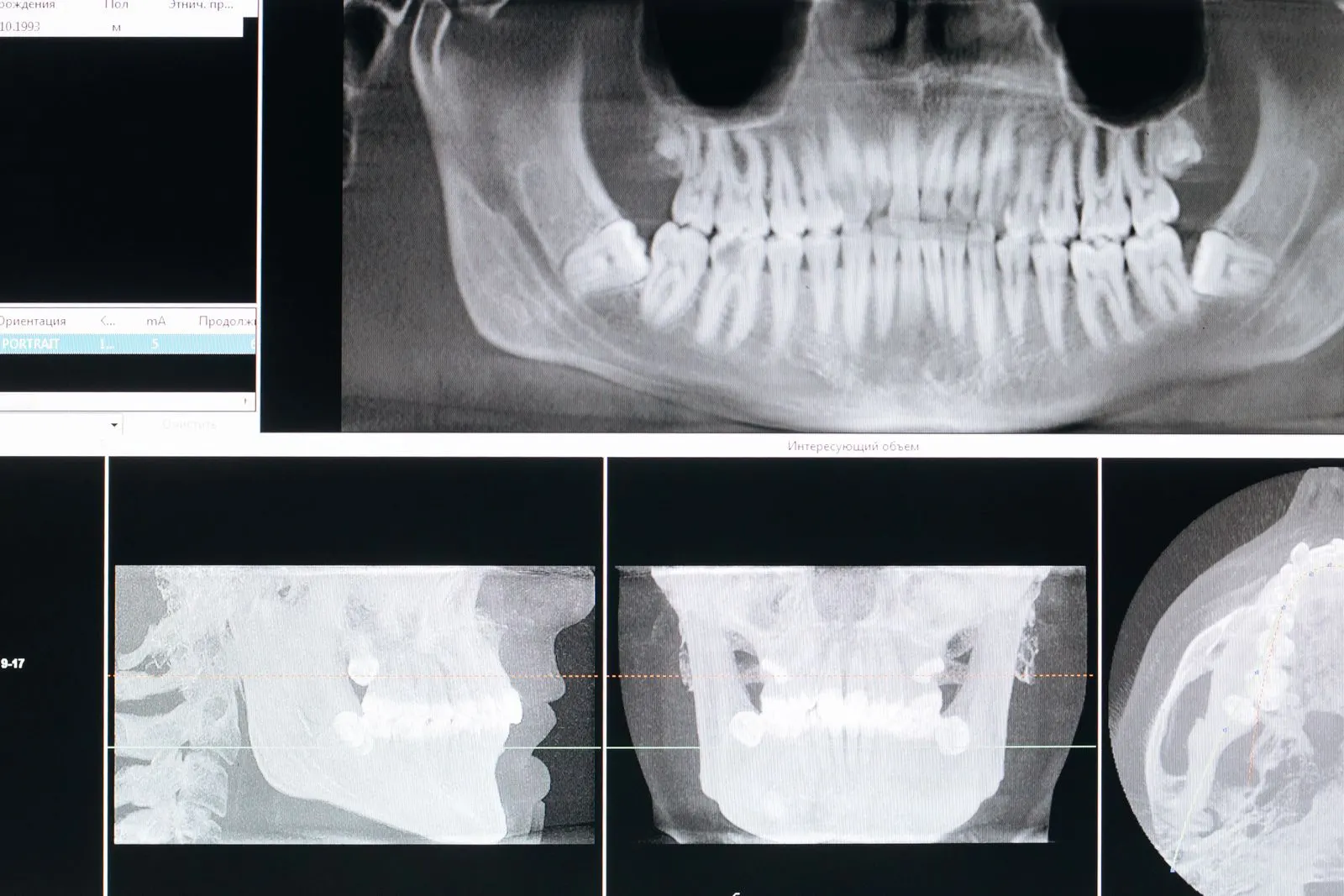
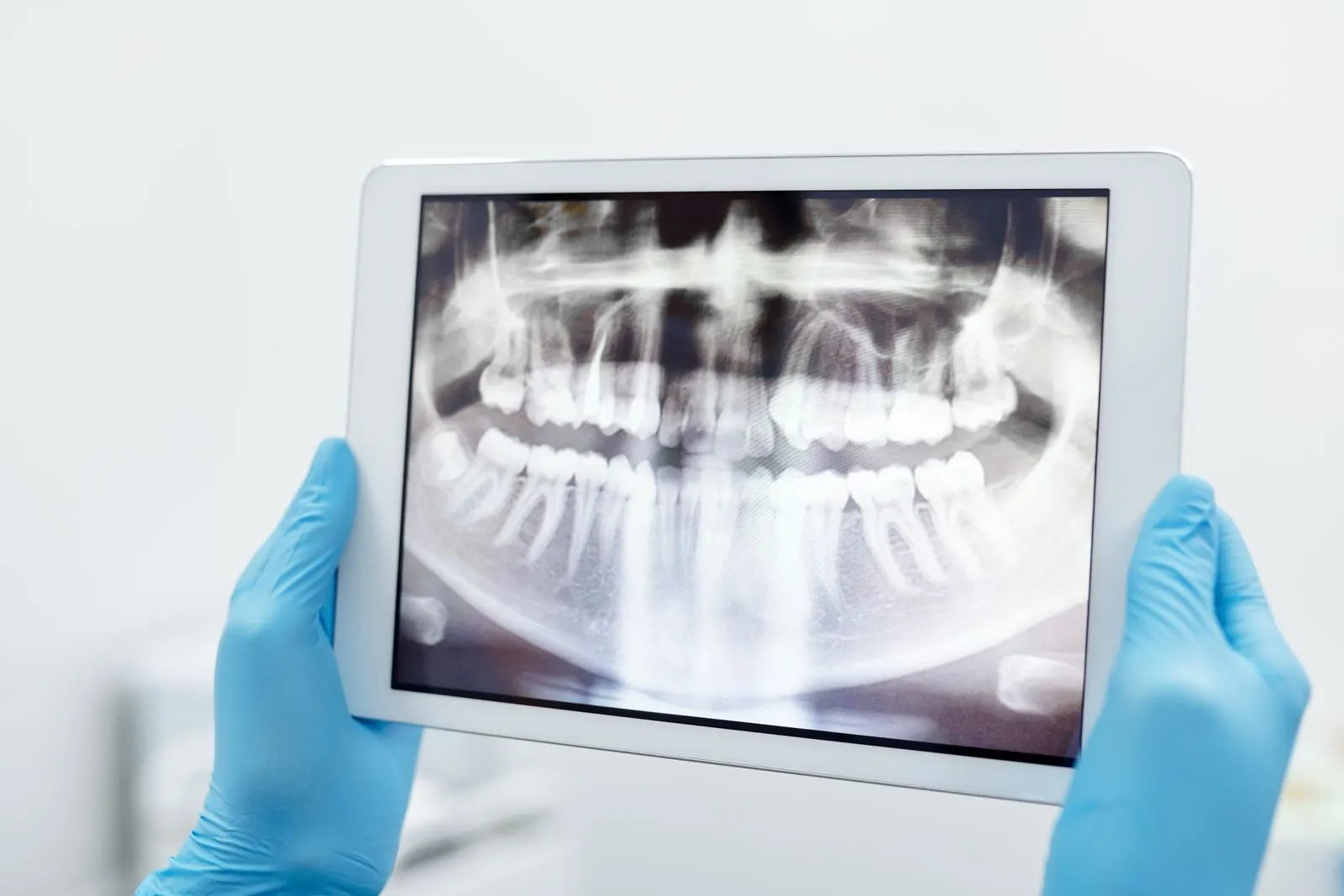
A normal two-dimensional dental X-ray shows height reasonably well but says little about the width of the ridge. That is why implant planning relies on a cone beam CT (CBCT) scan, a low-dose 3D image of the jaw.
On the scan, the dentist measures the width and height of bone at each planned implant site, the distance to the sinus in the upper jaw and to the nerve canal in the lower jaw, and the density of the bone. They can then "place" a virtual implant and see whether it would sit fully in bone or whether part of it would be exposed.
The result is not always yes or no. Sometimes a slightly different implant position or angle avoids grafting altogether. Sometimes a small graft can be added at the same time as the implant. In other cases, a separate grafting stage is clearly the safer route.
What types of dental bone graft are there?
The technique depends on where bone is missing and how much. UK patient information from Cambridge University Hospitals and the British Association of Oral Surgeons describes the following main options.
| Technique | What it involves | Typical use | Same day as implant? |
|---|---|---|---|
| Socket preservation | Graft material placed in the socket straight after extraction, often covered with a membrane | Limiting shrinkage when an implant is planned later | No, implant follows after healing |
| Guided bone regeneration (GBR) | Bone chips and/or substitute placed over a thin area and covered with a membrane | Small to moderate gaps in width | Often yes |
| Block graft | A piece of bone fixed to the jaw with small screws, from your own jaw, chin or hip, or from a bone bank | Larger loss of width or height | No, separate stage |
| Ridge expansion (ridge splitting) | The narrow ridge is split and widened, then filled with graft material | Selected narrow ridges | Sometimes; rarely used |
| Sinus lift | The sinus floor is raised and bone material placed beneath it | Upper back teeth with little bone height | Sometimes |
Graft material can be your own bone (autogenous), human donor bone, animal-derived material or synthetic substitutes. NHS information from Guy's and St Thomas' notes that substitutes do not work as well as your own bone, which is why they are often mixed with bone chips collected near the implant site.
Sinus lift: when the upper back jaw is too thin
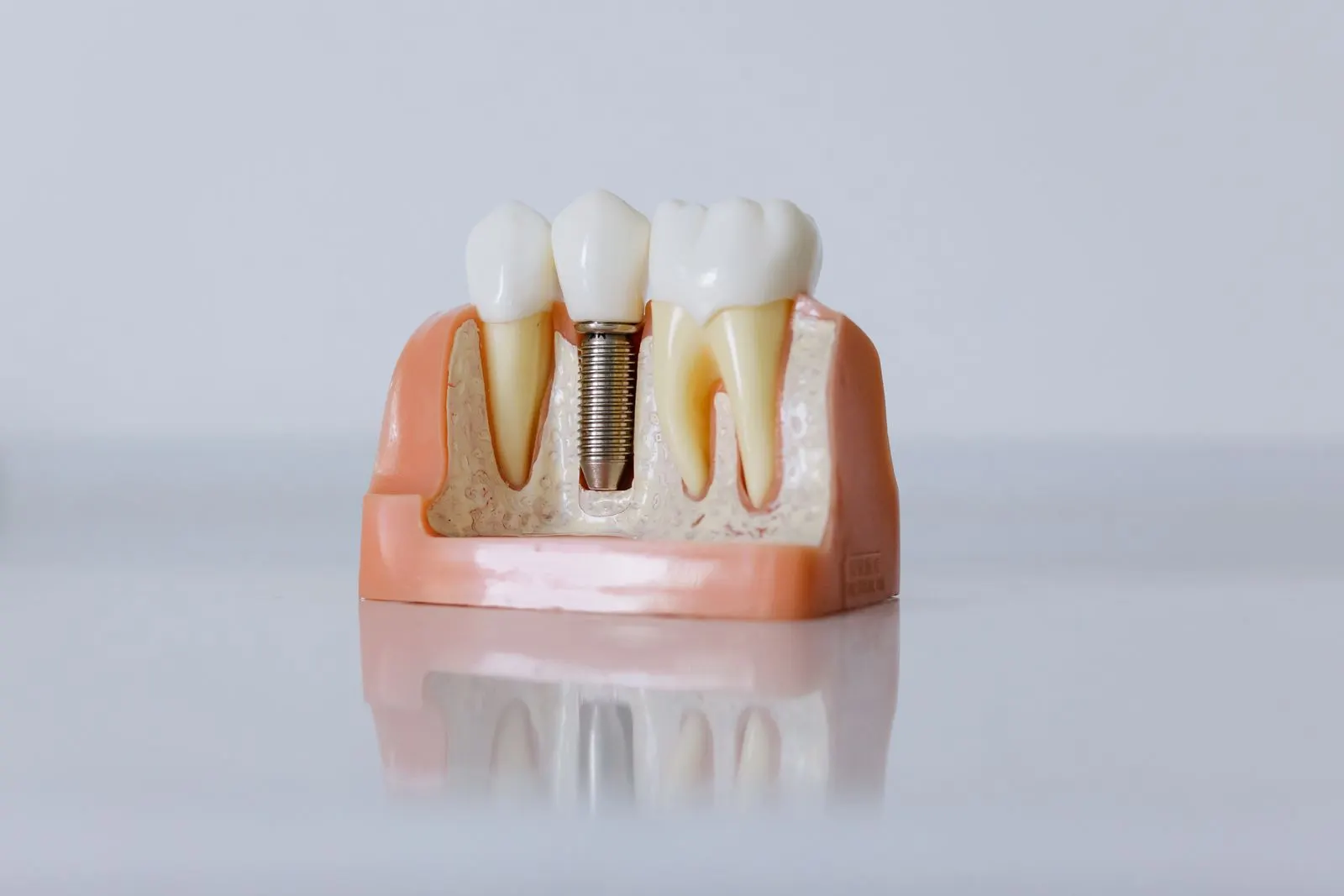
The upper molars sit just below the maxillary sinus. After those teeth are lost, the bone between the mouth and the sinus can become very thin. A sinus lift gently lifts the membrane lining the sinus floor and places graft material underneath, creating height for an implant.
There are two broad approaches. A smaller lift can be done through the implant hole itself. Where much more height is needed, the surgeon opens a small window in the side wall of the sinus. Depending on how much bone is left, the implant is placed at the same time or after a healing period.
The British Association of Oral Surgeons lists sinusitis symptoms as a possible complication. After a sinus lift you are usually advised to avoid blowing your nose, sneezing with a pinched nose, flying and playing wind instruments until the area has healed. More detail on the procedure itself is on our sinus lift and bone grafting page.
How long does a bone graft take to heal before implants?
Healing times vary with the size and type of graft, your general health and whether you smoke. UK sources give these typical ranges:
- Most grafts are left to heal for 3 to 6 months before implants are placed (Guy's and St Thomas').
- More extensive grafting is done at least four months before the implant (Cambridge University Hospitals).
- Block grafts from the hip take around four to six months to heal before implants (Cambridge University Hospitals).
- Guided bone regeneration can take 3 to 12 months to mature (British Association of Oral Surgeons).
After the implant is placed, there is a further healing phase. Guy's and St Thomas' describes waiting at least 3 months before an implant supports replacement teeth, and says a bone graft might add 4 to 6 months to treatment overall. So a case that needs a separate grafting stage typically runs over many months, not weeks.
Small grafts placed together with the implant do not need a separate waiting period before placement. They do, however, become part of the normal implant healing time.
What are the risks of a dental bone graft?
Like any surgery, grafting has expected side effects and less common complications. Cambridge University Hospitals notes that minor risks are expected in around 30% of cases, while severe risks are rarer.
Expected after surgery:
- pain, swelling and bruising inside and outside the mouth,
- stiffness and a soft diet for around a week,
- minor bleeding, which usually stops quickly.
Possible complications include infection, exposure of the graft through the gum, partial or complete graft failure, and too little new bone for the planned implant. Less commonly, nearby nerves can be bruised, causing altered sensation in the lip, chin, cheek or tongue, which is usually temporary but can be long-lasting. Hip grafts add their own discomfort while walking for a few weeks.
Smoking is named in the NHS leaflets as a factor that raises the risk of graft failure. Good oral hygiene, treating any gum disease first and following aftercare instructions all help the graft heal.
How does bone grafting affect travel plans for implants?
For patients travelling abroad, the main practical effect of a graft is time. If grafting and implants can be done in one session, the overall plan is similar to a standard implant case: one trip for surgery, then a second trip months later for the final teeth.
If a separate grafting stage is needed, it usually means an extra step. A common pattern is:
- First trip: assessment, CBCT scan, extractions if needed, and the graft or sinus lift.
- Healing at home for several months, with any check-ups your dentist advises.
- Second trip: implant placement once the graft has matured.
- Third trip: fitting of the final crowns or bridge after the implants have integrated.
Sometimes stages can be combined, which reduces the number of trips. Our article on how long dental implants take in Turkey explains the standard timeline in more detail, and the full sequence of an implant case is set out in the dental implant procedure step by step.
You should not try to shorten healing times to fit a holiday schedule. Loading an implant into immature graft bone increases the risk of failure.
Are there alternatives to a bone graft?
Grafting is not the only answer to limited bone. Depending on your anatomy, a dentist may discuss:
- Shorter or narrower implants. These can sometimes fit into the available bone without grafting, but they are not suitable for every position or bite.
- Angled implants. In full-arch treatments such as All-on-4, the back implants are tilted to use the available bone and avoid the sinus or nerve.
- Zygomatic implants. For severe bone loss in the upper jaw, long implants anchored in the cheekbone can avoid major grafting. They are a specialist procedure with their own risks, described on our zygomatic implants page.
- Non-implant options. A bridge or a removable denture does not need jaw bone in the same way, although a denture can contribute to further bone loss over time.
Each option has trade-offs in durability, comfort and complexity. The right one depends on your scan, your bite and your general health, so it should be decided after a full examination.
Bone grafting and implant planning in Istanbul
At Doctor Turka in Ataköy, Bakırköy, implant cases are planned with a 3D CBCT scan, and our dentists only recommend a graft or sinus lift where the scan shows it is needed. You receive a free written treatment plan, including the number of stages and an indication of cost on our dental costs in Turkey page, before you travel. You can read how treatment works or ask a question via WhatsApp or our contact page.
Sources
- Bone grafting for dental implants (Guy's and St Thomas' NHS Foundation Trust)
- Bone grafting for dental implants (Cambridge University Hospitals patient leaflet)
- Bone Grafting; Guided Bone Regeneration and Sinus Lift (British Association of Oral Surgeons patient information)
- Changes to the mouth following tooth extraction (The Dental Elf, summary of Tan et al. 2012, Clin Oral Implants Res)
- Having a dental implant (Guy's and St Thomas' NHS Foundation Trust)
Want a personal opinion?
Leave your contact details. Our patient coordinator will contact you to discuss your needs and explain the next steps, free and without obligation.
Discuss my options