 Dr. Taha G
Same day dental implants usually means implants are placed and fixed temporary teeth are attached in one visit, so you do not leave without teeth. It does not mean the treatment is finished in a day. The implants still need months to fuse with the bone, and the final teeth are fitted after that. Not everyone is suitable.
"Teeth in a day" is a marketing phrase that covers several different clinical approaches. This guide explains what actually happens, how immediate placement differs from immediate loading, and who qualifies. Same-day temporary bridges are most often used with full-arch treatment, which we explain on our All-on-4 page.
Understanding the terms helps you ask the right questions at a consultation, and avoid expectations that the treatment cannot meet.
Immediate placement vs immediate loading: two different things
People often use "same day implants" for two separate ideas, and it matters which one is meant.
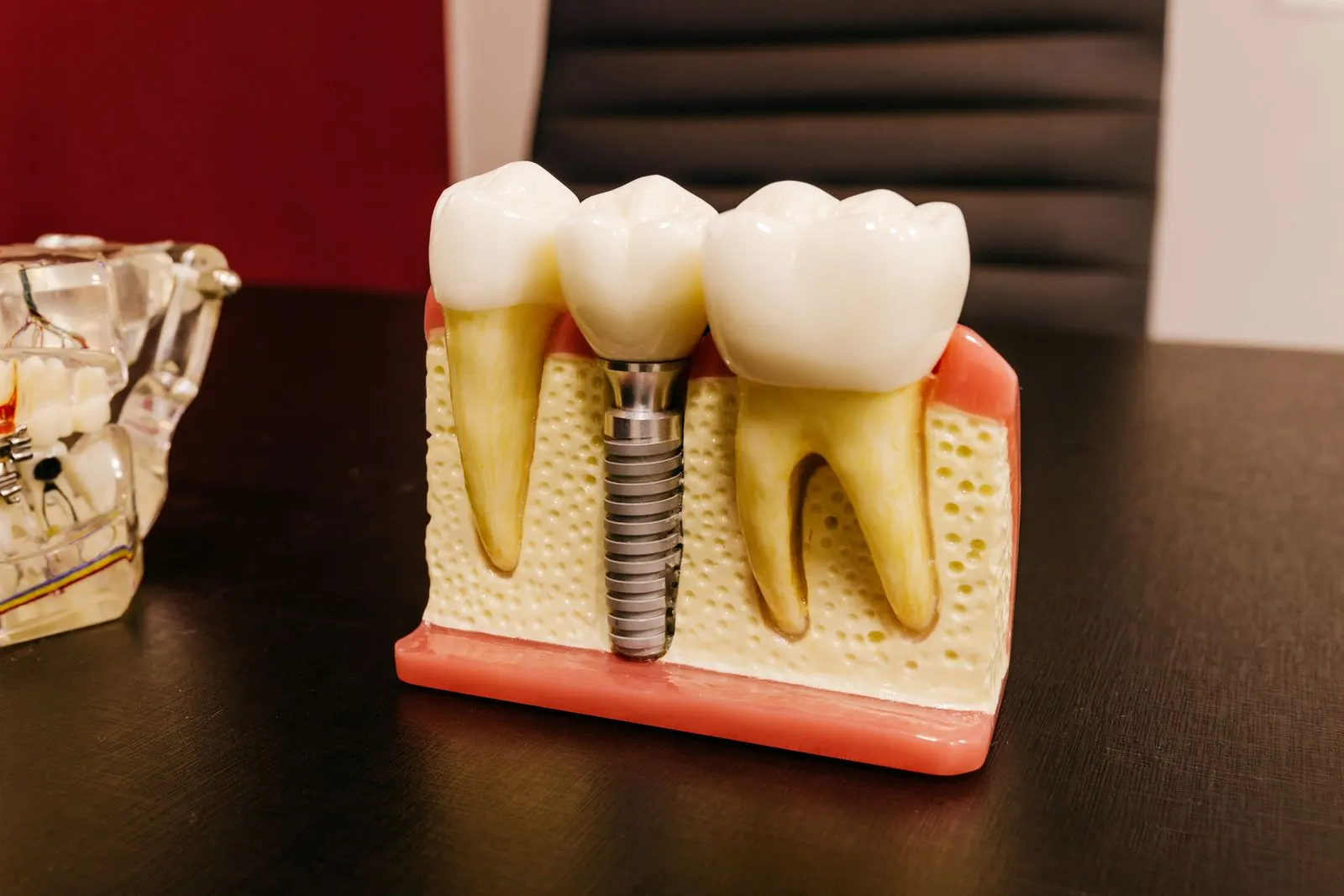
- Immediate placement means the implant goes into the jaw on the same day the tooth is removed, directly into the extraction socket. It says nothing about when teeth are attached.
- Immediate loading (immediate load implants) means a temporary crown or bridge is attached to the implant shortly after it is placed, rather than waiting for the bone to heal.
The two can be combined, used separately, or not used at all.
| Approach | When the implant goes in | When teeth are attached | Typical use |
|---|---|---|---|
| Conventional (delayed) | After the extraction site has healed | After the implant has integrated | Most single implants, sites with infection or bone loss |
| Immediate placement | Same day as the extraction | Usually after healing | Favourable sockets with intact bone |
| Immediate loading | After healing or same day as extraction | Temporary teeth on the day | Implants with excellent initial stability |
| Teeth in a day (full arch) | Usually same day as any extractions | Fixed temporary bridge within a day or so | People losing or missing all teeth in a jaw |
The European Federation of Periodontology (EFP) says implants can be placed directly into the extraction socket in favourable cases, with the same success rates as delayed placement. It also says a temporary crown can be attached when the implant has excellent primary stability, meaning it is held firmly in the bone at the moment of placement.
What "teeth in a day" means in practice
For a full arch, a typical teeth-in-a-day plan looks like this:
- Assessment and planning: examination, a 3D scan of the jaw and a check of gum health and general health.
- Surgery day: any remaining failing teeth are removed, the implants are placed (often four or six per arch), and their stability is checked.
- Temporary bridge: if the implants are stable enough, a fixed temporary bridge is attached, usually on the same day or within a short time.
- Healing period: the implants fuse with the bone. The EFP gives two to six months for this, and the Oral Health Foundation says healing usually takes around four months.
- Final teeth: new impressions or scans are taken and the definitive bridge is made and fitted.
So you leave with fixed teeth, but they are temporary. They are designed to look reasonable and allow careful eating while the implants heal, not to be the final result.
If the implants are not stable enough on the day, a responsible plan switches to a different option, such as a temporary denture, rather than loading them anyway. You should know this possibility before surgery. Our guide on how long dental implants take sets out the timelines for staged and immediate approaches.
Who qualifies for same day implants?
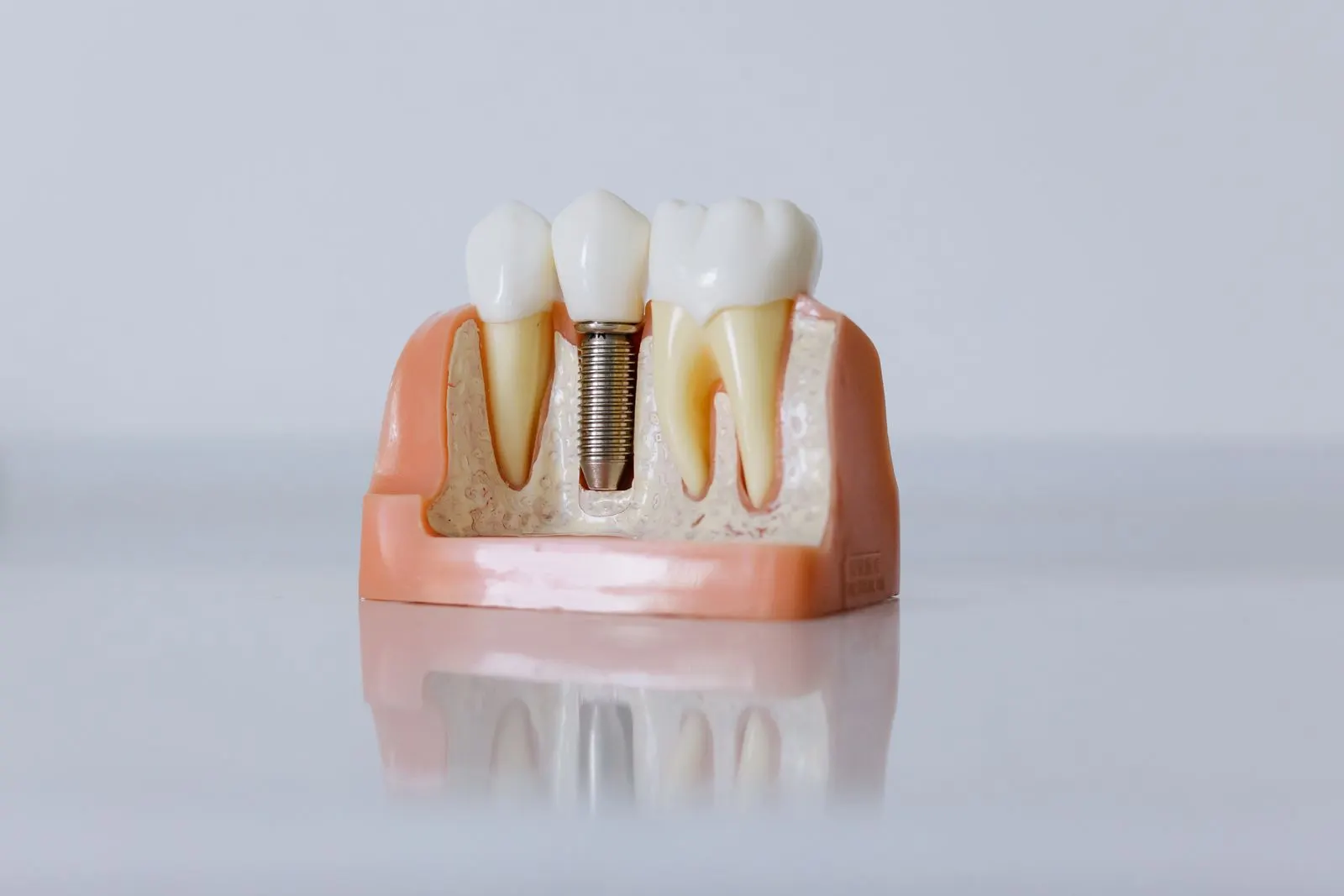
Suitability depends on the individual, and only an examination with imaging can answer it. The main factors are:
Bone
The implant needs enough healthy bone to sit firmly from the start. The EFP explains that X-rays or a CBCT scan are used to assess the bone and the position of nerves and sinuses. Where bone has been lost, grafting may be needed first, and the EFP says you then usually wait at least three months before implants are placed. That usually rules out a same-day approach at that site.
Infection and gum disease
The EFP states that periodontitis must be successfully treated before implant therapy can begin, because implants placed during active disease carry a risk of infection that can lead to failure. A tooth with a large infection around its root may also make immediate placement at that site unsuitable. Our article on gum disease treatment before implants explains why this step comes first.
Smoking and general health
The EFP says smokers face a higher risk of peri-implant disease and implant loosening, and that stopping smoking improves the chances of success. The American Dental Association notes that tobacco can slow healing and that chronic conditions such as diabetes may interfere with it. These are not always absolute barriers, but they affect whether immediate loading is a sensible risk.
Bite and habits
Strong biting forces or tooth grinding put extra load on newly placed implants. Your dentist may adjust the plan, the design of the temporary bridge, or recommend a night guard.
What are the risks of immediate load implants?
Every implant procedure carries surgical risks, such as swelling, bruising, infection and, rarely, nerve or sinus problems. Same-day approaches add some specific considerations:
- Implant not integrating: if an implant moves too much while it heals, it may not fuse with the bone and has to be removed and replaced later.
- Temporary bridge problems: temporary teeth can chip, crack or loosen and may need repair during healing.
- Gum and bone changes: after extraction, the gum and bone reshape as they heal. In the front of the mouth this can affect how the final result looks, so careful planning matters.
- Peri-implant disease: plaque around implants can cause inflammation and bone loss. The Oral Health Foundation lists signs such as red or swollen gums, bleeding, infection and loosening.
These risks are why the EFP says your dentist or periodontist should decide whether you are a candidate for immediate placement or loading. Choosing the approach the case supports is more important than choosing the fastest one.
Same day implants vs a staged approach
| Factor | Same day (immediate loading) | Staged (conventional) |
|---|---|---|
| Teeth on the day of surgery | Fixed temporary teeth | Often a removable temporary or no tooth |
| Total time to final teeth | Still several months | Several months, sometimes longer if grafting is needed |
| Suitability | Narrower: needs excellent stability and no active infection | Broader, including many people with bone loss |
| Diet while healing | Soft food, careful chewing | Soft food, careful chewing |
| Main advantage | Avoids a period without fixed teeth | More room to correct bone and gum problems first |
For full arches, the choice is often between All-on-4 and All-on-6, both of which can be combined with a same-day temporary bridge when the bone allows. For a single missing tooth, immediate loading is less common and depends heavily on stability.
Living with your temporary teeth
The first months matter. Expect to:
- follow a soft diet while the implants heal, as the ADA notes may be recommended,
- avoid biting into hard or sticky foods with the temporary bridge,
- clean carefully around the implants and under the bridge, using the brushes your dental team recommends,
- attend all review appointments, including the one where the final teeth are fitted.
The Oral Health Foundation advises brushing for two minutes twice a day, cleaning around implants daily with interdental brushes, and keeping up regular dental and hygiene visits. The EFP recommends professional cleaning at least twice a year once treatment is complete. Our dental costs in Turkey page lists starting prices for full-arch options, and the final price is set out in your written plan after assessment.
Questions to ask at your consultation
Whether same day implants are right for you can only be decided after an examination. These questions help you understand the plan you are offered:
- Is my bone strong enough for the implants to be stable on the day?
- Is there any gum disease or infection that needs treating first?
- What happens if an implant is not stable enough to take a temporary bridge?
- How many implants are planned, and why that number?
- How long will I wear the temporary teeth, and what can I eat with them?
- How many visits are needed before the final teeth are fitted?
Clear answers to these questions are a good sign that the plan is based on your situation rather than on a fixed package.
Same day implants in Istanbul with Doctor Turka
At our clinic in Ataköy, Bakırköy, our dentists use 3D CBCT planning to decide whether same-day temporary teeth are realistic for you, and you receive a free written treatment plan before you travel. If a staged approach is safer, the plan says so and explains the timeline. You can read how treatment with us works or contact us via WhatsApp or our contact page.
Want a personal opinion?
Leave your contact details. Our patient coordinator will contact you to discuss your needs and explain the next steps, free and without obligation.
Discuss my options