 Dr. Taha G
All-on-4 vs All-on-6 is the most common question we hear from patients who have lost most of their teeth or are about to. Both give you a complete, fixed row of teeth on a small number of implants, without a removable denture. The difference is two implants per jaw, and whether those two implants add anything in your mouth depends on the jaw, the bone and the bite, not on the brochure.
This article compares the two concepts in detail, explains how dentists decide between them, and is clear about when neither is the right answer.
What the two concepts have in common
Both are full-arch fixed bridges. The implants are joined by a rigid bridge, which splints them together so that chewing forces are shared rather than carried by one implant alone. In both cases:
- the bridge is screwed onto the implants, so only a dentist can remove it; you cannot take it out at home,
- a fixed temporary bridge is usually fitted within a few days of surgery when the implants are stable enough,
- the final bridge is made after about 3-6 months of healing, when the implants have fused with the bone,
- the replacement teeth and a thin layer of pink gum material restore both teeth and lost gum volume,
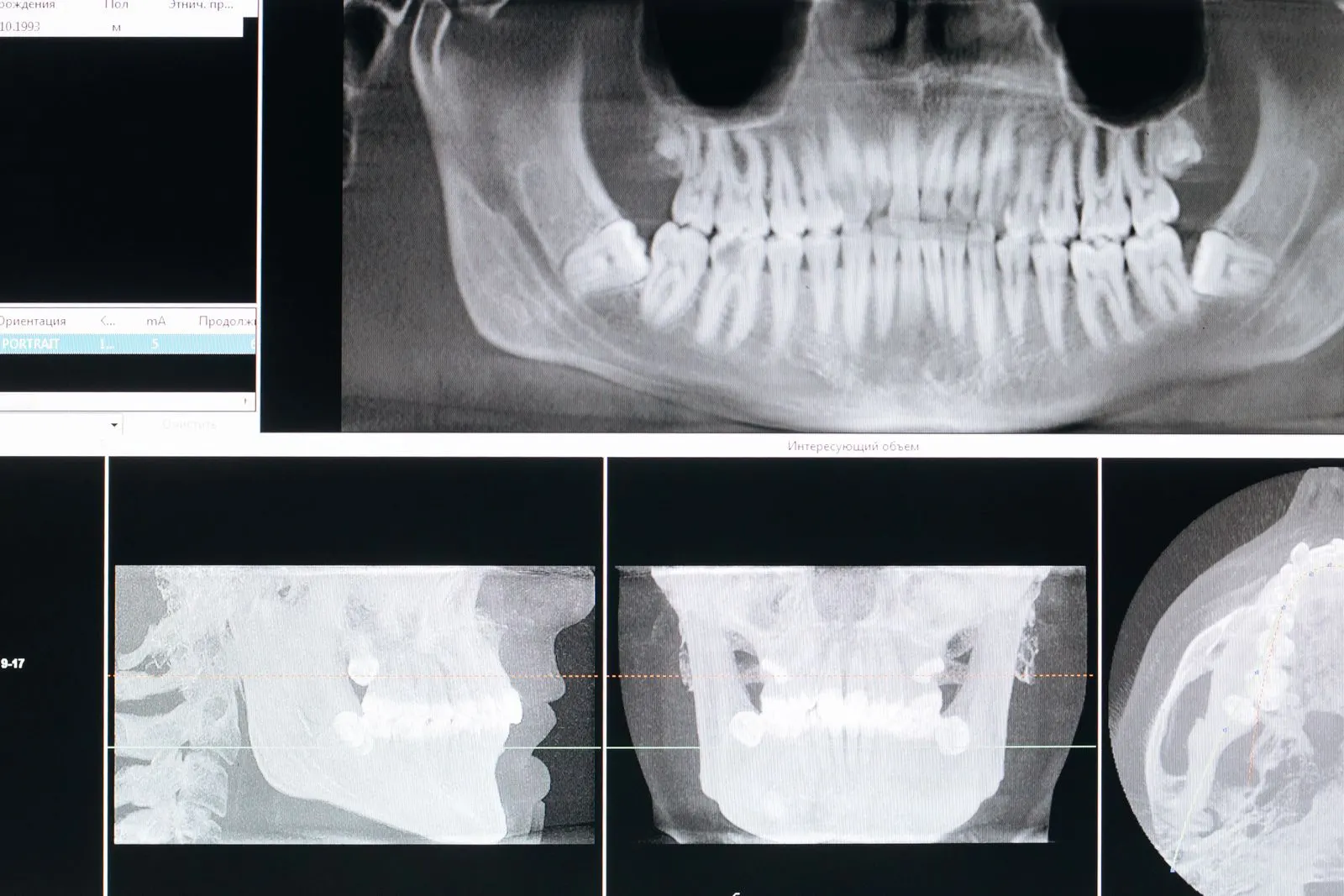
- planning is done on a 3D CBCT scan, which shows the bone height, width, the sinus and the nerve.
Survival figures in long-term studies are high for both, typically above 90-95 % of implants at ten years in well-selected patients. There is no evidence that one concept wins for everybody. The better choice is the one that fits your anatomy.
How All-on-4 works
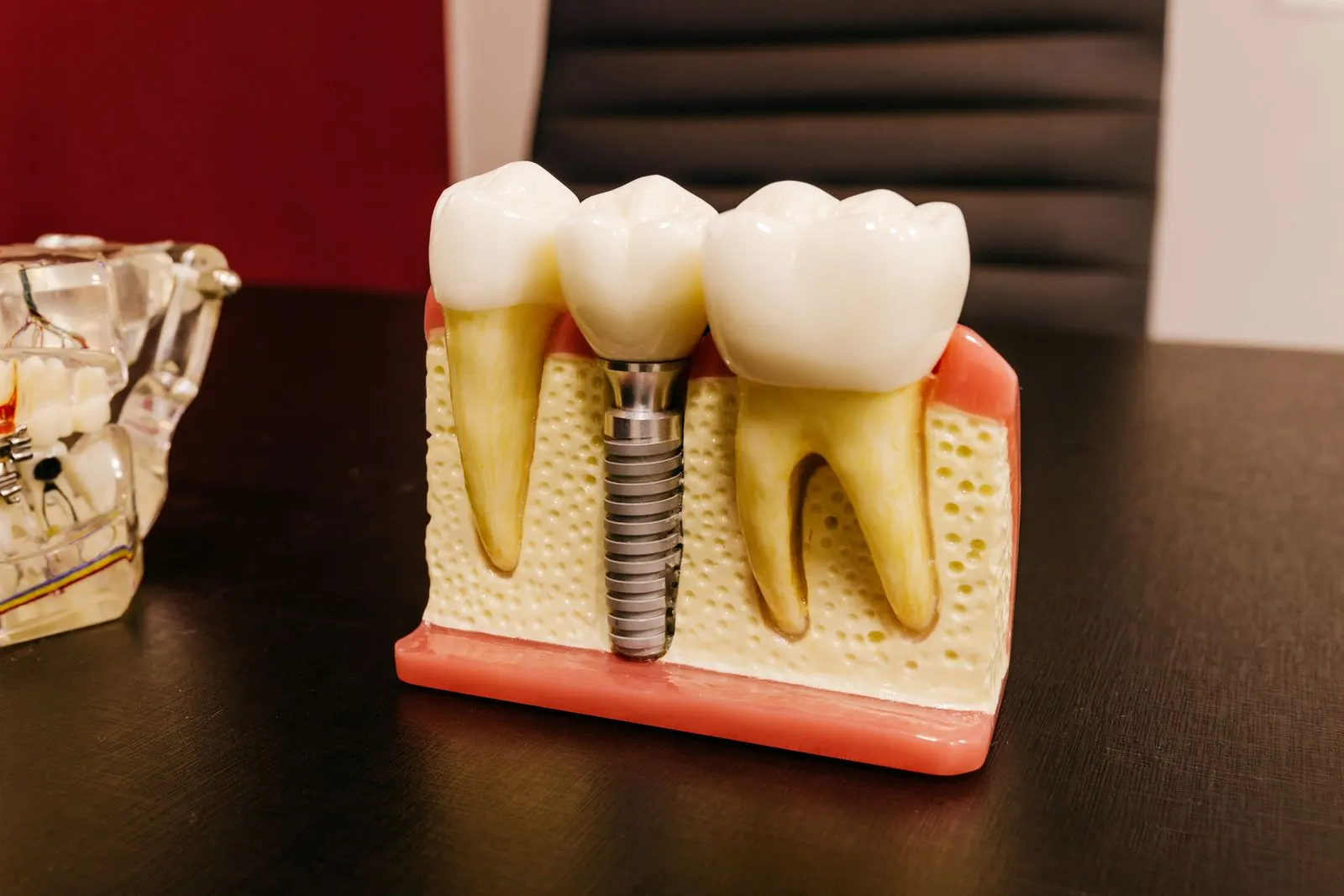
All-on-4 uses two straight implants at the front of the jaw and two tilted implants further back. The back implants are angled, often by around 30 to 45 degrees, so they can be longer and anchor in the denser bone at the front while avoiding the sinus in the upper jaw or the nerve in the lower jaw.
That tilt is the whole point of the concept. It lets many patients with bone loss at the back avoid a sinus lift or bone graft. The bridge then extends behind the last implant by a short cantilever, usually one to two teeth, and carries around 10 to 12 teeth in total.
Advantages: less surgery, fewer implants, often no grafting, a shorter operation. Limitation: the whole bridge relies on four anchors, and the cantilever at the back has to be kept short to protect them. More on All-on-4 in Turkey.
What are All-on-6 dental implants?
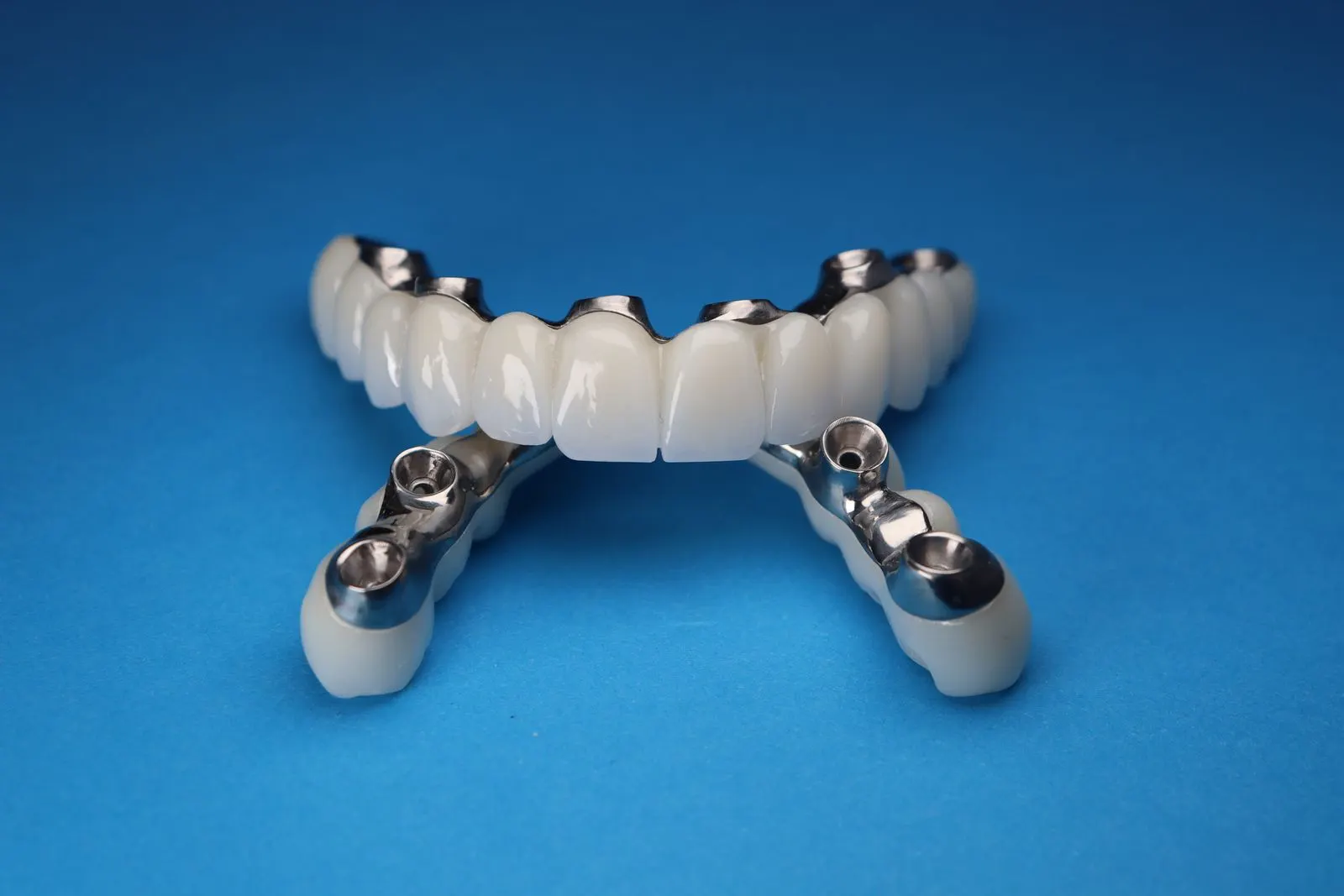
All-on-6 dental implants spread six implants along the arch, usually upright or only slightly tilted, reaching further back into the molar region. More anchor points mean forces are distributed more evenly, the bridge needs little or no cantilever, and it can usually carry 12 teeth, giving a fuller bite at the back.
The trade-off is that six implants need bone in more places. In the upper jaw that often means a sinus lift at the back; in the lower jaw the nerve limits how far back implants can go. More on All-on-6 in Turkey.
All-on-4 vs All-on-6 side by side
| Factor | All-on-4 | All-on-6 |
|---|---|---|
| Implants per jaw | 4 (2 straight, 2 tilted) | 6, mostly upright |
| Typical number of teeth | 10-12 | 12 |
| Cantilever at the back | Usually 1-2 teeth | Little or none |
| Bone needed | Mainly at the front | Along more of the arch |
| Bone grafting | Often avoided | More often needed, especially upper jaw |
| Surgery time per jaw | Shorter | Longer |
| Swelling after surgery | Usually somewhat less | Usually somewhat more |
| Load distribution | Good when rigidly splinted | More even |
| If one implant fails | Bridge may need to come out until replaced | Bridge can often stay in use |
| Best suited to | Lower jaw, limited back bone, shorter treatment | Upper jaw, strong bite, longer arch |
Upper jaw vs lower jaw
The jaw matters more than any other factor. Lower jaw bone is usually dense, with a thick outer layer, so implants achieve high stability quickly. Upper jaw bone is softer and more porous, and the sinuses often expand downward after back teeth are lost.
| Situation | Usually favours | Why |
|---|---|---|
| Lower jaw, good bone at the front, nerve limits the back | All-on-4 | Dense bone makes four implants very stable; tilting avoids the nerve |
| Lower jaw, good bone throughout, heavy bite | All-on-4 or All-on-6 | Both work; six adds reserve for strong chewing |
| Upper jaw, adequate bone along the arch | All-on-6 | Softer bone benefits from more support |
| Upper jaw, large sinuses, little bone at the back | All-on-4 with tilted implants, or All-on-6 after a sinus lift | Tilting avoids grafting; grafting allows six |
| Upper jaw, very little bone anywhere | Zygomatic implants or a denture-based option | Standard implants may not have enough anchorage |
| Opposing jaw with natural teeth or implants | Often All-on-6 | Higher chewing forces than against a denture |
| Opposing jaw with a removable denture | Often All-on-4 | Lower forces reach the bridge |
A combination is common and sensible: All-on-6 in the upper jaw and All-on-4 in the lower jaw.
Bone: how much you need and when grafting comes in
The CBCT scan shows whether there is enough bone height and width at each implant position. For standard implants, dentists generally look for several millimetres of width and enough height to place an implant of adequate length with a safety margin to the nerve or sinus.
When bone is missing at the back, there are three routes: tilt the implants (All-on-4), add bone with a sinus lift or bone graft and place six, or use zygomatic implants anchored in the cheekbone. A graft can add months to the timeline and another surgical step, which is why All-on-4 is often chosen for patients with significant bone loss.
Is All-on-4 the "cheap" option?
Not necessarily. Two fewer implants mean fewer components, but All-on-6 can avoid a long cantilever and All-on-4 can avoid a sinus lift. Depending on your bone, the totals end up closer than the implant count suggests. For figures, see the All-on-4 price guide and our costs page.
Bite force, grinding and the length of the bridge
Chewing forces at the molars are several times those at the front teeth. On an All-on-4 bridge, those forces act partly on the cantilever behind the last implant, which works like a lever. Keeping the cantilever short protects the implants and screws.
All-on-6 tends to win when:
- you clench or grind your teeth (bruxism), especially at night,
- you have a large, strong jaw and heavy chewing muscles,
- the opposing jaw has natural teeth or a fixed implant bridge,
- you want teeth to extend to the first molar for a fuller smile and bite.
A night guard is usually recommended for grinders with either option.
What happens if one implant fails
Implant loss after the bone has healed is uncommon, but it is the main argument for six. With All-on-6, losing one implant usually leaves five to support the bridge; it can often stay in use while a replacement heals, sometimes with a small modification. With All-on-4, three implants may not safely carry the full bridge, so it may need to be removed or shortened temporarily and a new implant placed.
For patients who live far from their clinic, that reserve has value. It does not mean All-on-4 is fragile; it means the consequences of a rare failure are different.
Bridge materials: acrylic, zirconia and hybrid
The number of implants and the material of the bridge are separate decisions.
- Temporary bridge: acrylic, fitted within days of surgery. Light and slightly flexible, which protects fresh implants. It is not meant for long-term use.
- Acrylic on a titanium or metal frame (hybrid): lighter and kinder to the opposing teeth, easy to repair, but the teeth wear and stain over the years.
- Zirconia on titanium bases, or full zirconia: very strong, stain-resistant and aesthetic. Zirconia All-on-4 and All-on-6 bridges are the most common final choice, but they are rigid, so precise bite adjustment and a night guard matter.
How long do they last and how are they cleaned?
With good hygiene and regular check-ups, implants in both concepts can last for decades; the bridge may need repair or replacement after 10-20 years depending on material and bite. The main long-term risk is peri-implantitis, which is related to cleaning, smoking and gum history.
Daily care is the same for both: a soft brush, a water flosser or special floss under the bridge, and professional cleaning every 3-6 months. The bridge is usually unscrewed by a dentist at intervals to clean underneath and check the implants.
Can All-on-4 or All-on-6 implants be removed?
The bridge can be unscrewed by a dentist, which makes cleaning, repair and replacement possible. The implants themselves are fused with bone and are designed to stay; they are removed only if they fail.
Who neither option suits, and the alternatives
A fixed full-arch bridge is not the right choice for everybody. It may not be suitable if you have uncontrolled diabetes, heavy smoking you will not reduce, active gum disease in the remaining teeth, recent head and neck radiotherapy, or limited manual ability to clean under a bridge.
Alternatives include:
- Implant-supported overdentures: two to four implants holding a removable denture with clips; less surgery and easier cleaning. See implant-supported dentures.
- Zygomatic implants for severe upper jaw bone loss.
- All-on-5 or All-on-8 variations, where the bone suggests a different number of implants.
- Conventional dentures, if surgery is not an option.
- Keeping healthy teeth, where individual implants, crowns and bridges can save part of the arch.
How the decision is made
The number is decided after the 3D scan, not before. The dentist looks at bone volume and density at each position, sinus and nerve anatomy, the opposing jaw, your bite and any grinding, smile line, gum health and your own priorities: fewer surgical steps, maximum reserve, or the shortest time to final teeth.
At Doctor Turka, you leave your contact details, a coordinator calls, a dentist assesses your case and you receive a written plan that may present both options with the reasons. In Istanbul the CBCT confirms the final choice before surgery. If a clinic has quoted you one option without seeing a scan, ask what it is based on.
Want a personal opinion?
Leave your contact details. Our patient coordinator will contact you to discuss your needs and explain the next steps, free and without obligation.
Discuss my options