
 Dr. Taha G
Gum disease treatment aims to stop inflammation and bone loss around the teeth. Early gum disease (gingivitis) usually clears with better cleaning and a professional clean. Periodontitis needs deep cleaning below the gum, sometimes surgery, then regular maintenance. Gums should be stable before implants, crowns or veneers, because active gum disease puts that new work at risk.
This guide explains the difference between gingivitis and periodontitis, what treatment involves, and why our dentists check your gums before planning any cosmetic or restorative work. You can read how we approach this on our gum treatment page.
Many people only find out they have gum disease when they ask about implants or veneers. That is not bad news: it is the right moment to find it, before money and time go into work that depends on healthy foundations.
Gingivitis vs periodontitis: what is the difference?
Both are caused by plaque, the sticky layer of bacteria that builds up along the gumline. The difference is how deep the damage goes.
| Gingivitis | Periodontitis | |
|---|---|---|
| What is affected | Gums only | Gums, ligament and jawbone that hold the teeth |
| Typical signs | Red, swollen gums that bleed when brushing | Bleeding plus gum pockets, receding gums, loose teeth |
| Reversible? | Yes, with good cleaning | Damage cannot be reversed, but progress can be halted |
| Treatment | Professional clean, home-care advice | Deep cleaning, sometimes surgery, lifelong maintenance |
The Oral Health Foundation describes gingivitis as reversible with good daily cleaning, and periodontitis as something that cannot be reversed but can be controlled. According to the European Federation of Periodontology (EFP), around 40% of people have periodontitis, and about 70% of adult tooth loss is caused by it.
Signs of gum disease you should not ignore
The NHS lists these symptoms and possible complications:
- gums that bleed when brushing, flossing or eating hard food,
- red, swollen or sore gums,
- bad breath or a bad taste in the mouth,
- gums shrinking back from the teeth,
- loose teeth or teeth falling out,
- a gum abscess.
Gum disease often causes no pain in its early stages, so many people do not notice it. The EFP points out that smoking can mask bleeding, which means smokers may have more advanced disease without the usual warning sign. Risk factors include smoking, type 2 diabetes, stress and pregnancy-related hormonal changes, and the EFP states that people with diabetes are three times more likely to develop periodontal disease.

How is gum disease treated?
The EFP describes treatment as a stepwise process. Each step builds on the previous one, and your own cleaning at home is part of the treatment, not an extra.
Step 1: Home care and risk factors
Your dentist or hygienist shows you how to clean properly, including interdental brushes or floss, and discusses risk factors such as smoking and diabetes. Without this step, professional cleaning alone does not hold.
Step 2: Deep cleaning (scaling and root surface debridement)
Plaque and tartar are removed above the gum. If pockets have formed, deposits are also cleaned from the root surfaces inside the pockets. This is often called scaling and root planing or root surface debridement. It can be done under local anaesthetic and, in advanced cases, usually takes several appointments. Antibiotics are only used in some cases.
Step 3: Re-evaluation
After several weeks, the gums are checked again. Pocket depths are measured with a fine probe and bleeding is recorded. The EFP explains that a healthy pocket depth is 3mm or less, while 4mm or more indicates periodontitis.
Step 4: Surgery if needed
Where deep pockets remain, gum surgery may be recommended. Under local anaesthetic, the gum is lifted so that root surfaces can be cleaned thoroughly, and in some cases lost bone can be partly rebuilt with regenerative materials. Stitches usually stay in for one to two weeks.
Step 5: Supportive care
This is the step that decides long-term success. The EFP recommends follow-up visits usually every three to six months, depending on severity and individual risk.
Why gums must be stable before implants, crowns or veneers
Restorative and cosmetic dentistry sits on top of the gums and bone. If those foundations are inflamed or still shrinking, the new work is exposed to avoidable risk.
Dental implants
The link between gum disease and dental implants is the clearest. The EFP states that periodontitis must be successfully treated before implant therapy can start, because implants placed while the disease is active carry a risk of infection that can lead to implant failure. It names poor oral hygiene, a history of periodontitis and smoking as the most common causes of implant failure.
Even after successful treatment, a history of gum disease matters. The EFP notes that peri-implantitis (inflammation and bone loss around an implant) is more frequent in people who have had periodontitis, so they should be monitored more closely. The EFP adds that peri-implantitis can start two to three years after the implant is placed, recommends professional cleaning at least twice a year, and suggests annual X-rays of implants to detect early bone loss. It also describes avoiding smoking as one of the key measures for implant survival.
Our guide on how long dental implants last explains how maintenance affects implant lifespan, and our article on the dental implant procedure step by step shows where the gum check fits into planning.
Crowns and veneers
Crowns and veneers end at or near the gumline. If the gums are swollen when the margins are planned, they may shrink after treatment and expose the edge of the restoration or a dark line at the root. Inflamed gums also bleed easily, which makes accurate impressions and bonding harder.
There is also a cleaning issue: poorly fitting edges trap plaque, and plaque drives gum disease. Stable, healthy gums give a predictable gumline to work to. If you are still deciding on cosmetic options, our guide to what veneers are and how they work explains the different types.
Teeth that may need other treatment first
Gum assessment often goes hand in hand with checking each tooth. A tooth with deep decay or an infected nerve may need root canal treatment before it can support a crown or bridge. Some teeth with very advanced bone loss may not be worth keeping, which changes the overall plan.
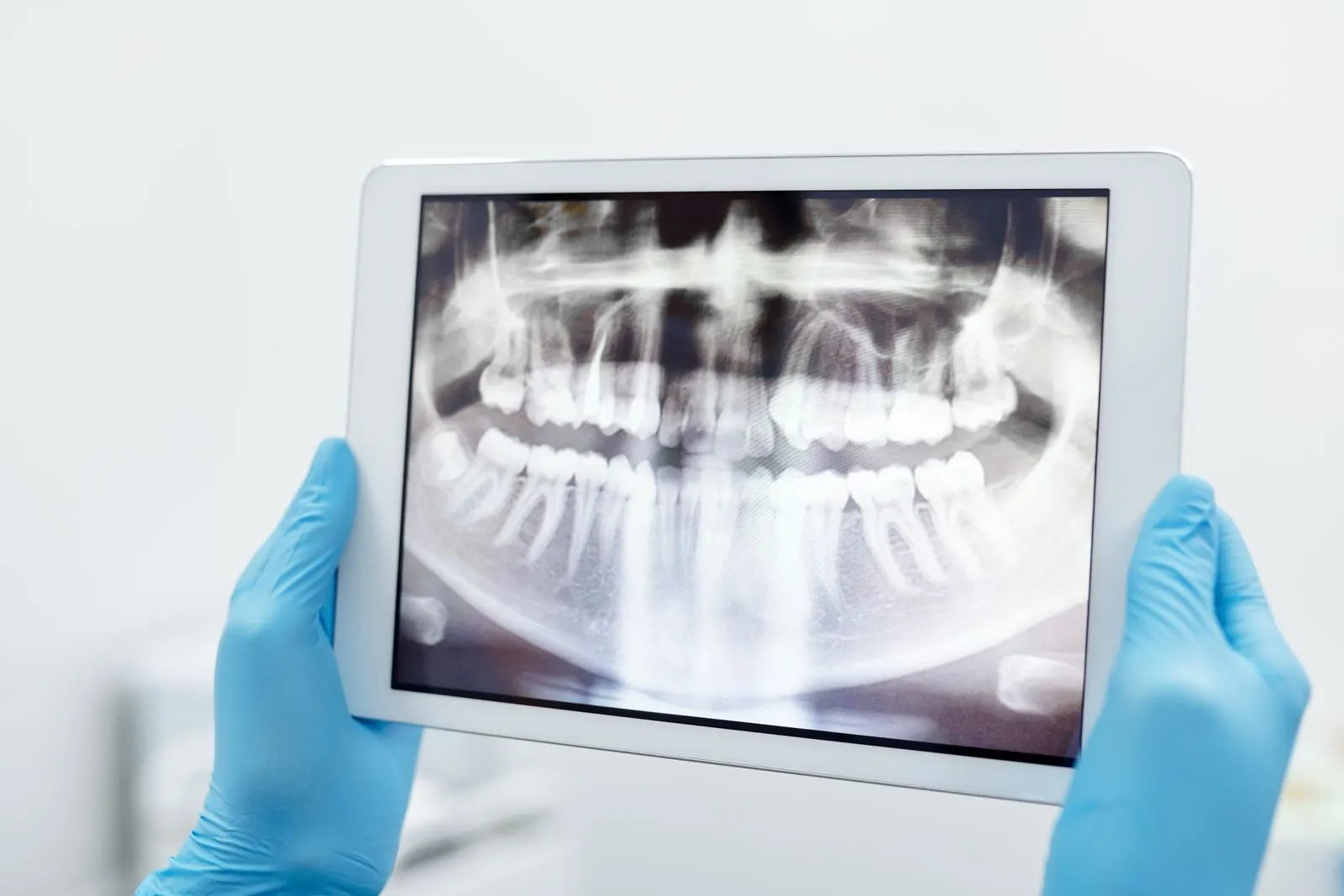
Receding gums: a related symptom
Receding gums mean the gum line has moved down the tooth, exposing part of the root. Teeth can look longer and feel sensitive to cold.
Recession is not always caused by gum disease. The EFP lists several causes and treatment options:
- Periodontitis: recession may appear once the disease is established.
- Aggressive brushing: hard scrubbing can injure the gum line. Changing your technique stops further damage but does not reverse existing recession.
- After gum treatment: as inflamed gums shrink, small spaces between teeth ("black triangles") and sensitive roots can appear. The EFP says this sensitivity usually fades within a few months.
Where recession is a cosmetic or functional problem, surgical procedures can sometimes cover exposed roots. A dentist must first find the cause, because grafting gum over an area with active disease or ongoing brushing trauma is unlikely to last.
Keeping gums healthy after treatment
Treatment only works if the results are maintained. The EFP and the Oral Health Foundation recommend:
- brushing for two minutes, twice a day, with fluoride toothpaste,
- cleaning between the teeth once a day with interdental brushes or floss,
- not smoking (the EFP says around 90% of cases that do not respond to treatment involve smokers),
- keeping diabetes well controlled,
- attending supportive care visits as advised, usually every three to six months.
The NHS advises seeing a dentist urgently if gums are very sore or swollen or teeth are loose. If you have implants, crowns or veneers, tell your hygienist so they can use suitable instruments around them.
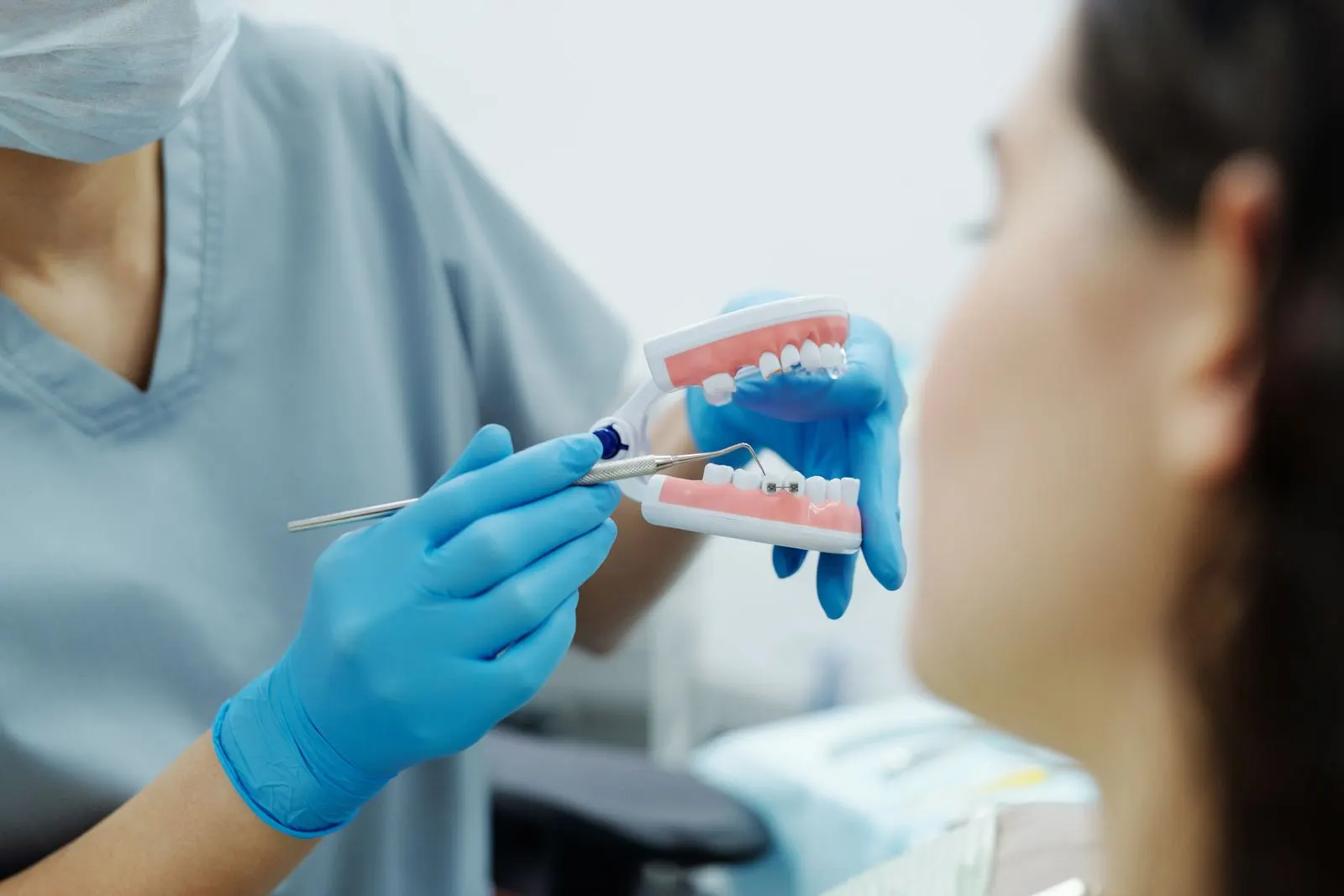
What gum treatment means for your overall plan
For many patients, gum treatment is the first phase of a larger plan rather than a separate topic. It may add time before implants or veneers, but it protects everything that follows. The cost of the overall plan depends on what is found at the assessment, and our dental costs in Turkey page lists our starting prices for the main treatments.
Gum assessment in Istanbul with Doctor Turka
At our clinic in Ataköy, Bakırköy, our dentists assess gum health as part of planning implants, crowns or veneers, and include any gum treatment needed in your free written treatment plan before you travel. If your gums need time to settle first, the plan reflects that rather than rushing the cosmetic work. You can read how treatment with us works or contact us via WhatsApp or our contact page.
Sources
- Gum disease (NHS)
- Gum disease (Oral Health Foundation)
- Gum disease: Treatment (European Federation of Periodontology)
- Gum diseases: FAQs (European Federation of Periodontology)
- Dental implants: FAQs (European Federation of Periodontology)
- Peri-implant disease: Prevention (European Federation of Periodontology)
Want a personal opinion?
Leave your contact details. Our patient coordinator will contact you to discuss your needs and explain the next steps, free and without obligation.
Discuss my options