
 Dr. Hatice G
Veneers cost in the UK varies widely because they are private treatment and every practice sets its own fees. Published consumer guides put porcelain veneers at roughly £450 to £1,500 per tooth and composite veneers at roughly £200 to £850. The NHS does not provide veneers for cosmetic reasons, so a smile of six to ten veneers often runs into thousands of pounds.
These figures are a starting point, not a quote. This guide explains what drives the price, what two front teeth or a full smile add up to, and why the cheapest quote is not always for veneers at all. For how veneers work clinically, see our veneers treatment page.
If you are mainly interested in prices abroad, our separate guide on how much veneers cost in Turkey in 2026 covers that in detail. Here the focus is on UK prices, with a short comparison at the end.
Are veneers available on the NHS?
Not for cosmetic reasons. Age UK's factsheet on NHS and private dental care lists veneers alongside tooth whitening and white crowns on back teeth as treatment the NHS does not provide for purely cosmetic reasons. You pay for them privately.
What the NHS does cover is clinically necessary treatment. According to the NHS charges page, Band 3 currently costs £332.10 in England and includes crowns, inlays and onlays, bridges and dentures, plus everything in Bands 1 and 2. If a tooth is broken or heavily filled, your dentist may recommend one of these instead, but that is restorative care, not a cosmetic veneer.
Decay or gum disease also needs to be treated before any veneers are placed. That groundwork can be done on the NHS under the normal band charges, with the veneers themselves charged privately.
Veneers cost UK: porcelain vs composite per tooth
There is no official UK price list for private dentistry. Age UK states plainly that there are no official guidelines for the cost of private treatment. The ranges below therefore come from two published consumer guides. Neither explains in detail how its prices were collected, so treat them as indicative only.
| Veneer type | Typical UK price per tooth | Source |
|---|---|---|
| Porcelain veneers | £450 to £850 | Dentaly (updated 2026) |
| Porcelain veneers | £700 to £1,500 | Dentists Closeby (2026) |
| Composite veneers | £200 to £850 | Dentists Closeby (2026) |
The gap between the two porcelain ranges is large, which itself tells you something: fees depend heavily on the practice, the laboratory and the region. The Oral Health Foundation notes that costs vary between practices and that your dental team should give you a clear estimate before treatment starts.
Porcelain veneers cost UK: what you pay for
Porcelain (ceramic) veneers are made in a dental laboratory. The fee usually covers the preparation appointment, impressions or scans, temporary veneers, the laboratory work and the fitting appointment. A small amount of enamel is normally removed from the front of the tooth, which is why porcelain veneers are a long-term commitment.
Composite veneers: lower price, more maintenance
Composite veneers are built up directly on the tooth with tooth-coloured resin, often in a single visit. They tend to cost less and usually need little or no tooth reduction. The trade-off is that composite can stain and chip more easily, so you should budget for polishing and occasional repairs. Our article on what composite bonding is explains the material in more detail.
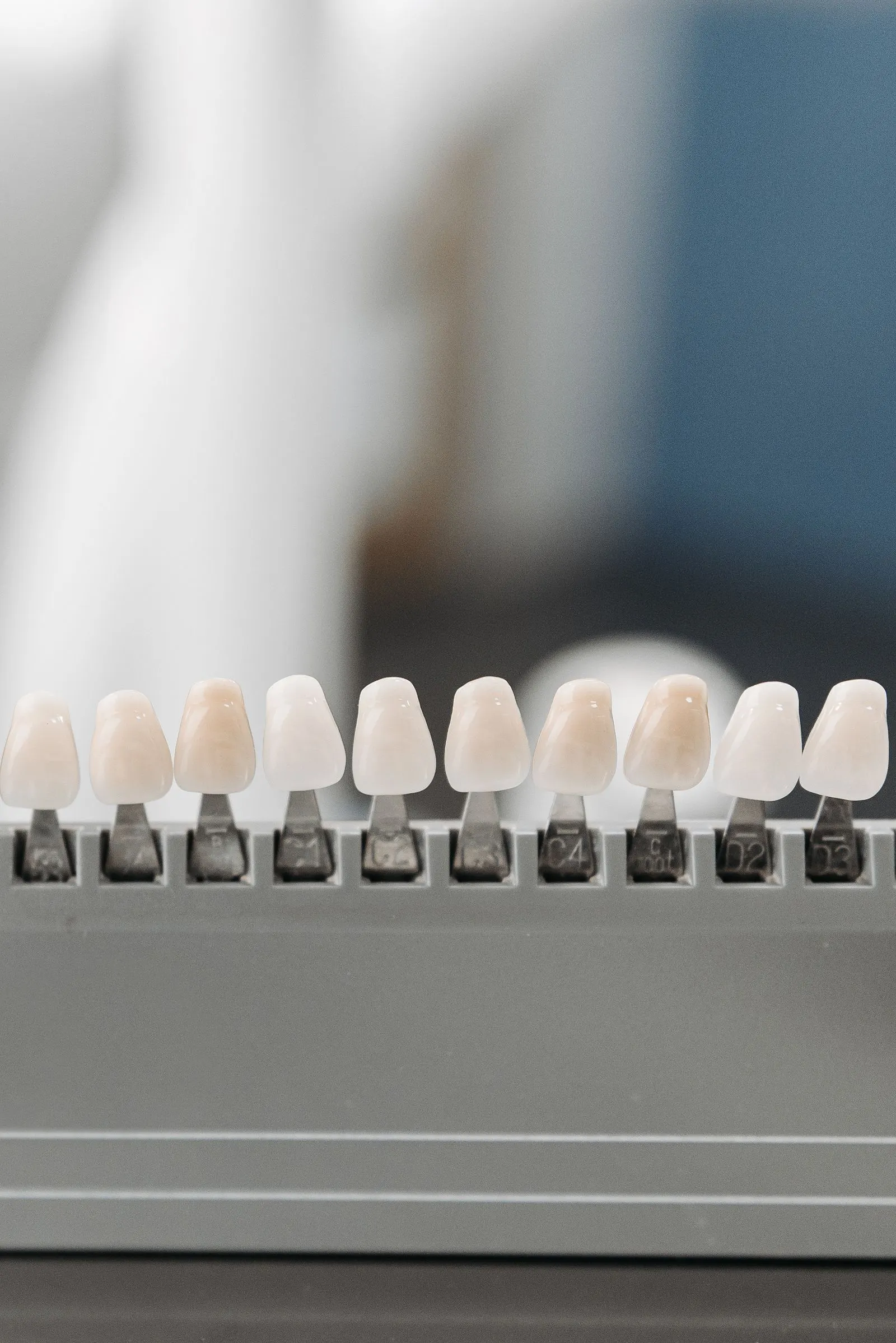
How much do 2 front teeth veneers cost?
Most people search for one of a few common scenarios: two front teeth, the six visible upper teeth, or eight to ten teeth for a full smile. The table below simply multiplies the published per-tooth ranges by the number of teeth. It is an illustration, not a quote, and it excludes extras.
| Number of veneers | Porcelain (at £450 to £1,500 per tooth) | Composite (at £200 to £850 per tooth) |
|---|---|---|
| 2 front teeth | £900 to £3,000 | £400 to £1,700 |
| 6 teeth | £2,700 to £9,000 | £1,200 to £5,100 |
| 8 teeth | £3,600 to £12,000 | £1,600 to £6,800 |
| 10 teeth | £4,500 to £15,000 | £2,000 to £8,500 |
Two front teeth can be more demanding than they look. The new veneers have to match the natural teeth next to them in shade, translucency and shape, which often needs extra appointments or a remake. Some practices also offer a lower per-tooth price for larger cases, so the total is not always a straight multiplication.
What drives the price of veneers?
Several factors explain why two practices can quote very different figures for the same number of teeth.
- Material. Porcelain and pressed ceramics such as E.max cost more than composite because of laboratory time and materials.
- Laboratory. Highly customised work from an experienced ceramist costs more than standard shades and shapes.
- Planning. A digital smile design, a trial smile (mock-up) and photographs add appointments but reduce surprises.
- Preparation and groundwork. Fillings, gum treatment or whitening of neighbouring teeth before the veneers add to the total.
- The practice and the region. Each practice sets its own fees, so prices differ between towns and between individual dentists.
- What is included. Check whether follow-up visits, adjustments and a night guard are included or charged separately.
Ask for an itemised, written estimate. Age UK also advises agreeing fees before treatment starts and asking about extra charges if complications arise.
What should a veneer quote include?
A clear quote makes it easier to compare practices and avoids surprises later. Before you agree to treatment, check that the written estimate covers:
- the examination and any X-rays needed to assess the teeth and gums;
- the number of veneers and the material (composite, porcelain or E.max) for each tooth;
- whether any tooth will receive a crown instead of a veneer;
- any treatment needed first, such as fillings, gum care or whitening;
- the trial smile, temporaries and the number of fitting appointments;
- follow-up checks and adjustments, and what repairs or replacements would cost.
If the quote is a single figure with no breakdown, ask for one. A practice that explains its plan in writing gives you something concrete to discuss with another dentist for a second opinion.
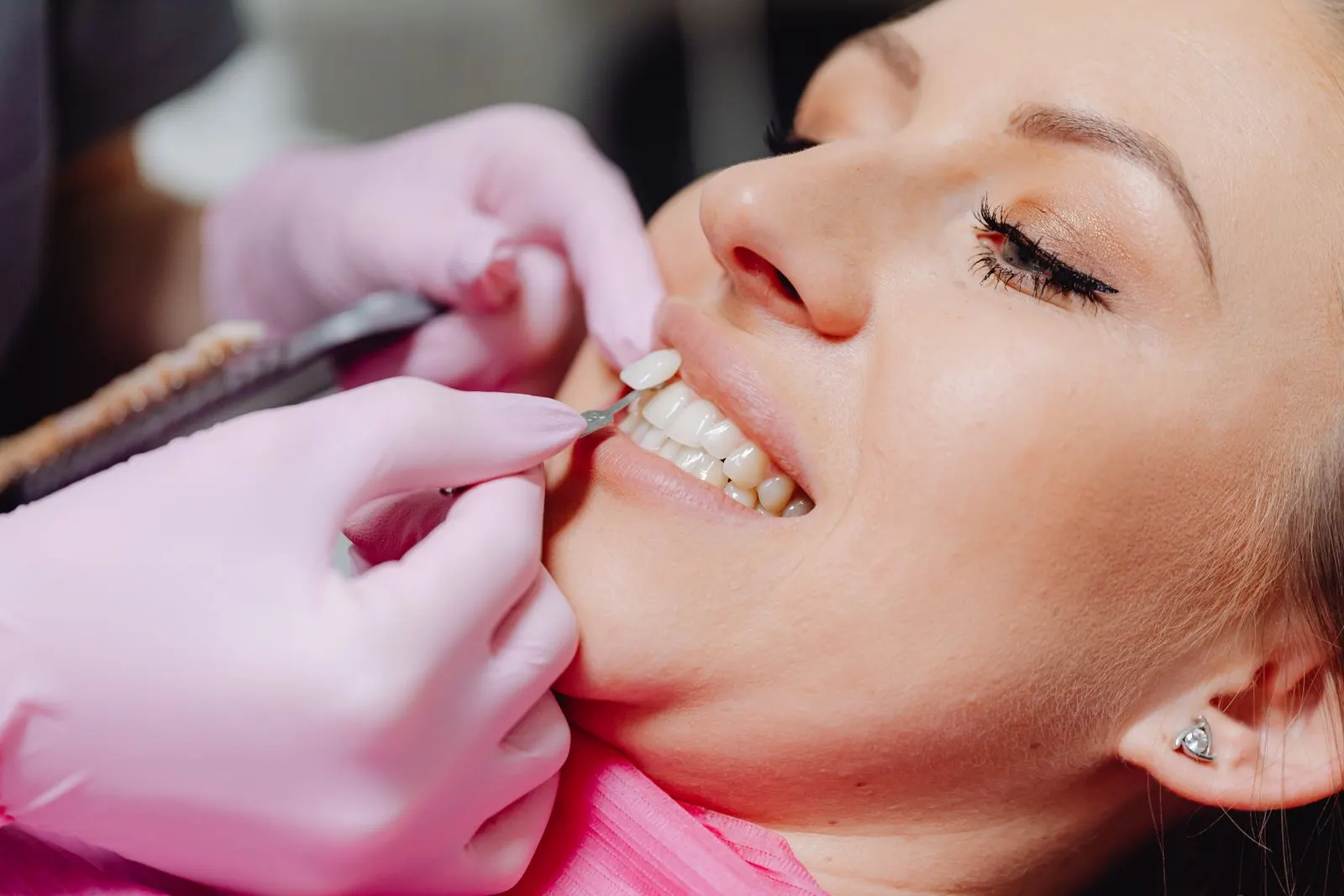
Are there cheaper alternatives to veneers?
Veneers are not the only way to change the look of your teeth, and for some people they are not the most suitable option. Which alternative fits depends on what bothers you about your smile, so an examination comes first.
| Concern | Options a dentist may discuss | Effect on natural tooth |
|---|---|---|
| Teeth that are yellow but well shaped | Professional whitening | No enamel removed |
| Small chips, worn edges or small gaps | Composite bonding on the affected teeth only | Little or no enamel removed |
| Crooked or crowded teeth | Orthodontic treatment, sometimes followed by bonding or veneers | No enamel removed for the alignment itself |
| Heavily filled or broken teeth | Crowns, if clinically needed | More tooth structure removed |
Treating only the teeth that actually need it can also lower the total cost considerably. A plan for ten veneers when two or four would achieve the result you want is not good value, however low the price per tooth.
Why might the cheapest quote actually be for crowns?
A veneer covers only the front of a tooth. A crown covers the whole tooth, which means removing enamel from all sides. Some low-priced "veneer" packages are in fact full crowns, especially when the aim is to straighten crooked teeth quickly.
That matters for more than the price. Crowns remove far more healthy tooth structure, and the extra reduction can increase the risk of nerve problems later. We describe these patterns in our article on Turkey teeth gone wrong, and they can happen in any country. Whatever the price, the written plan should name veneer or crown for each tooth.
How long do veneers last, and what does that mean for the real cost?
The upfront fee is only part of the cost. The Oral Health Foundation says veneers can last many years if they are looked after properly, but they can chip, crack or come loose, and sometimes a new veneer is needed. Composite usually needs more frequent polishing and repair than porcelain.
When comparing quotes, think in terms of cost over time: how often the veneers may need maintenance or replacement, and whether repairs are charged separately. A cheaper option that needs replacing sooner is not always cheaper overall.
How do UK veneer prices compare with Turkey?
Our Turkey prices are fixed starting points. The final price is set out in your written treatment plan after an assessment.
| Veneer type | UK price per tooth (published guides) | Doctor Turka, Istanbul |
|---|---|---|
| Composite veneers | £200 to £850 | from €130 per tooth |
| Porcelain or E.max veneers | £450 to £1,500 | from €205 per tooth |
When comparing, add flights, accommodation and time off work, and plan how aftercare will be handled once you are home. If you are unsure whether you need veneers at all, our comparison of composite bonding vs veneers in Turkey may help. All our current starting prices are on the dental costs in Turkey page.
Planning veneers in Istanbul with Doctor Turka
Our clinic is in Ataköy, Bakırköy, in Istanbul. Before you travel, our dentists provide a free written treatment plan that states the restoration type for each tooth and the total price. You can read how it works or get in touch via WhatsApp or our contact page.
Want a personal opinion?
Leave your contact details. Our patient coordinator will contact you to discuss your needs and explain the next steps, free and without obligation.
Discuss my options