 Dr. Hatice G
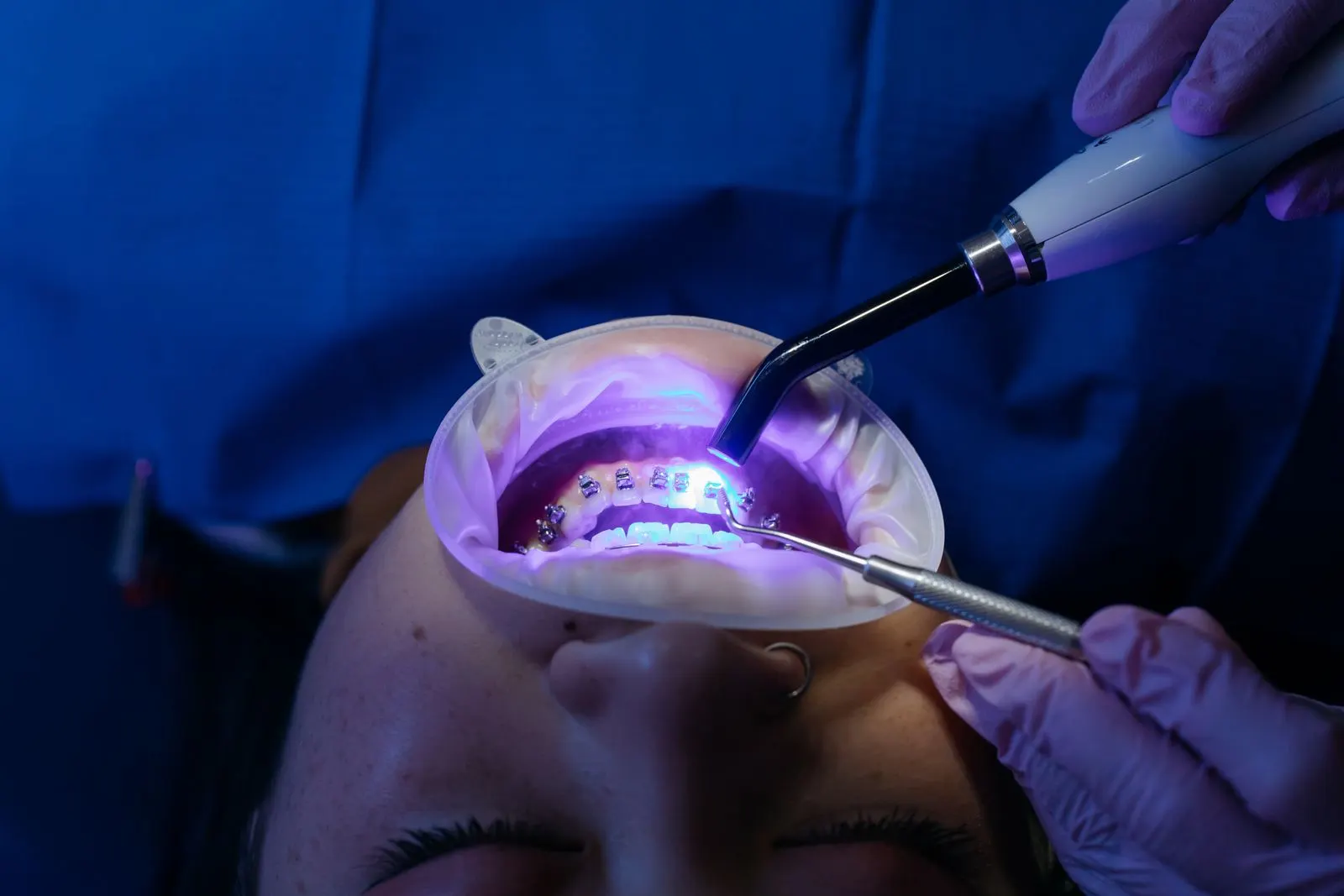
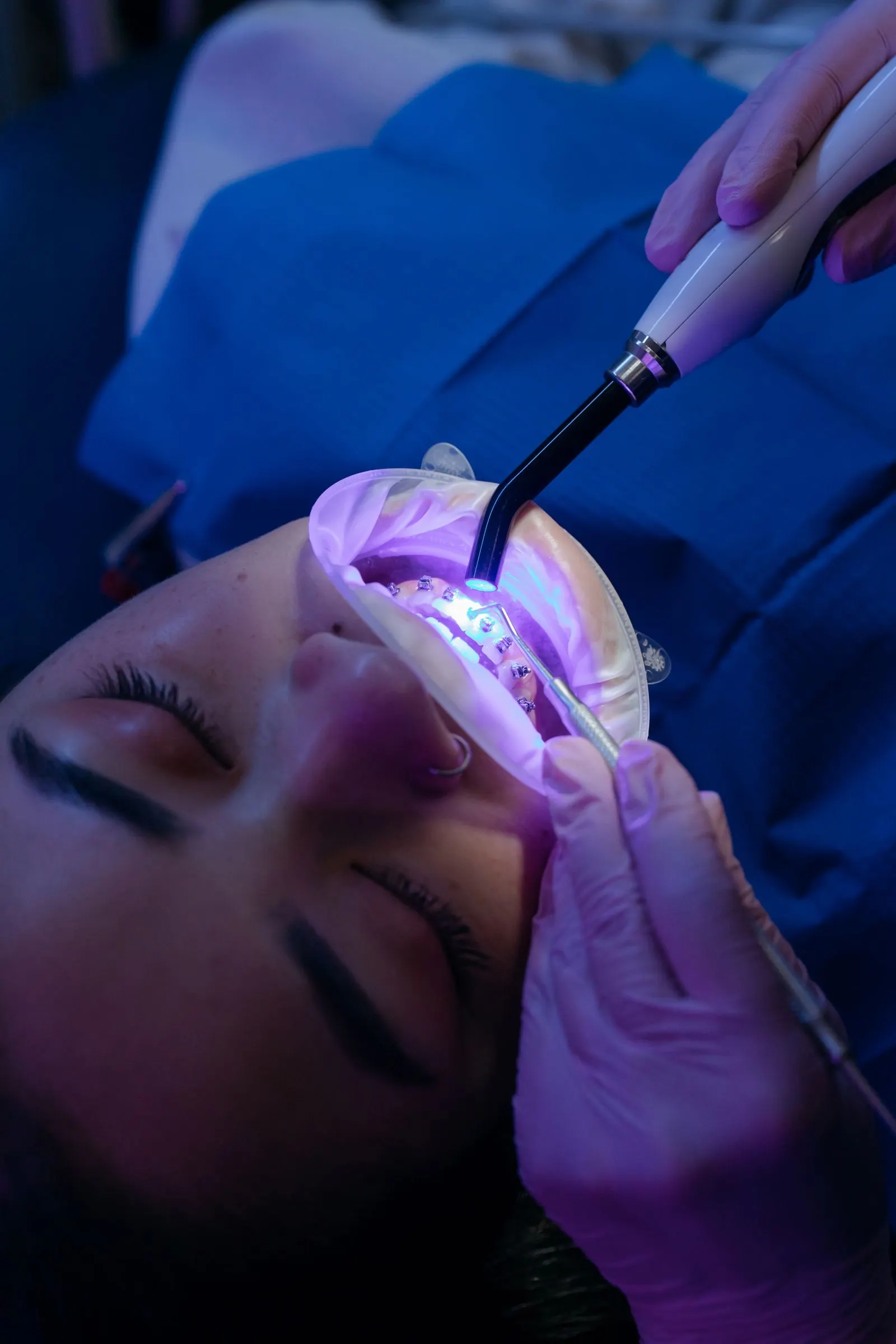
Composite bonding Turkey cost is one of the fastest-growing dental searches in the UK, and for good reason: bonding is the least invasive way to change the shape, length and colour of front teeth. Tooth-coloured resin is sculpted directly onto the enamel, hardened with a curing light and polished. There is no dental lab, no temporaries and usually no drilling.
That last point matters for your budget. Because bonding is pure chair time, the saving in Turkey works differently from porcelain veneers or crowns. This guide explains how a bonding price is built, what the same work typically costs at home, when a flight to Istanbul makes financial sense, and when you would be better served by porcelain or by staying at home. Our own current starting prices are on the dental costs page; this article is about understanding and comparing them.
Composite bonding Turkey cost: how the price is built
"Composite bonding" is used for three quite different procedures, and quotes often mix them up.
- Edge bonding: resin added only to the biting edges or corners to fix chips and uneven lengths. Roughly 20-40 minutes per tooth.
- Gap closure / reshaping: resin added to the sides of teeth to close small gaps or correct a narrow tooth.
- Full composite veneers: the whole visible surface is covered in layered composite. Usually 45-90 minutes per tooth, sometimes longer for the central incisors.
Whatever the label, the price per tooth is driven by the same components:
| Component | What it involves | Why it moves the price |
|---|---|---|
| Dentist's chair time | Isolation, etching, layering, curing, shaping | By far the largest share; full veneers take two to three times as long as edge bonding |
| Composite material | Nano-hybrid resin from established manufacturers, several shades | Material cost per tooth is modest, but premium multi-shade systems cost more |
| Planning | Smile design, wax-up or mock-up for larger changes | Adds time before any resin is placed |
| Whitening first | Composite does not bleach, so teeth are whitened before shade matching | Separate line item if you want a brighter result |
| Finishing and polishing | Multi-stage polishing for lustre and stain resistance | Rushed polishing is where cheap bonding shows first |
When comparing quotes, ask which of the three procedures is being priced. A quote for "8 composite veneers" that is really edge bonding will look cheap and deliver a much smaller change.
What composite bonding typically costs at home
The figures below are commonly quoted private fees in 2025-2026. They are typical ranges, not a survey, and vary widely by city and practice.
| Market | Edge bonding, per tooth | Full composite veneer, per tooth | 8-10 upper teeth |
|---|---|---|---|
| UK (private) | typically £150-350 | typically £250-500 | often £2,000-4,500 |
| Ireland | typically €200-400 | typically €300-550 | often €2,500-5,000 |
NHS dentistry does not provide cosmetic bonding, and UK or Irish insurance plans rarely contribute to purely aesthetic treatment. You will almost always pay the full private fee at home.
Why the Turkish saving is smaller for bonding than for porcelain
With porcelain veneers and crowns, a significant part of the home fee is the dental laboratory: the technician's hours, the furnace, the ceramic ingots. Lab costs in Turkey are a fraction of Western European ones, which is why lab-heavy treatments show the biggest relative saving.
Bonding has no lab share. What you pay for is the dentist's time and skill in the chair. Dentist fees in Turkey are still considerably lower than in London or Dublin, but the percentage difference per tooth tends to be smaller than for porcelain, and the fixed costs of travel weigh more heavily. For a full explanation of where the difference comes from, see why dental work is cheaper in Turkey.
Is flying to Turkey worth it for composite bonding?
The answer depends almost entirely on the number of teeth and whether other work is planned.
| Your plan | Worth the trip on bonding alone? | Reasoning |
|---|---|---|
| 1-3 teeth, edge bonding | Usually not | The saving rarely covers flights and time off work |
| 4-6 teeth, edge or full | Borderline | Depends on your home quote and flight prices |
| 8-10 full composite veneers | Often yes | Enough chair time for the saving to exceed travel costs |
| Bonding plus whitening, crowns, implants or porcelain veneers | Yes | Travel is shared across the whole plan |
| Bonding on lower teeth, porcelain on upper | Common and sensible | Lower teeth show less; composite keeps them conservative |
A simple test: take your home quote, subtract a realistic travel budget (see below), and compare what is left with the itemised Turkish quote. If the gap is small, stay at home and save the trip for a larger treatment.
Budgeting the whole trip
Bonding is usually completed in one visit of three to five days, including a day for review and final polish.
| Item | Typical range | Notes |
|---|---|---|
| Return flights UK/IE-Istanbul | roughly £100-350 | Depends on season and airport |
| Hotel | often included in a package | Check how many nights |
| Airport and clinic transfers | often included | Confirm in writing |
| Meals and local transport | roughly £30-60 per day | Istanbul is not expensive for visitors |
| Time off work | 2-4 working days | Often the largest hidden cost |
| Travel insurance | small but essential | Declare that you are travelling for treatment |
| Maintenance polishing at home | per visit fee | Plan for every 6-12 months |
Composite bonding vs porcelain veneers
| Composite bonding | Porcelain veneers (E.max) | |
|---|---|---|
| Appointments | 1-2, same trip | 2-3 over 5-7 days |
| Tooth preparation | none or minimal | usually 0.3-0.7 mm of enamel |
| Typical lifespan | around 5-7 years before significant repair | often 10-15 years or more in studies |
| Staining | resin absorbs coffee, tea, red wine and tobacco over time | glazed ceramic resists stains |
| Chipping | more likely, but repairable chairside | less likely, but usually means a new veneer |
| Reversibility | largely reversible | not reversible |
| Colour change | limited masking of dark teeth | can mask moderate discolouration |
| Cost per tooth | lowest | typically two to three times composite |
Over ten to fifteen years the gap narrows. Composite usually needs repolishing every year or so and partial or complete renewal once or twice in that period. Porcelain costs more up front but often needs little beyond check-ups. Read more on porcelain veneers and composite veneers.

When composite is the smarter choice, and when it is not
Composite makes sense for:
- Small chips, short edges, minor gaps or a single narrow tooth on otherwise healthy teeth
- Younger patients who do not want enamel removed
- A reversible trial before committing to porcelain
- Lower teeth, which show less and wear less visibly
- People who accept a refresh every few years
Porcelain or another route is usually better for:
- Heavily discoloured or root-treated dark teeth
- Large changes in shape or a complete smile design
- Heavy smokers and daily red wine or coffee drinkers who want a stable colour
- Teeth grinders, unless the grinding is controlled with a night guard, because composite edges chip under load
- Crowded or rotated teeth, where clear aligners first give a better and more conservative result
If your gums are inflamed or you have active decay, those must be treated first. Bonding on unhealthy gums fails early and looks poor at the margins.
Can composite veneers be removed, and are they permanent?
Can composite veneers be removed?
Yes. Because little or no enamel is removed, the resin can be polished off and the tooth returned very close to its original state. This is one of the strongest arguments for composite if you are unsure about a change.
Is composite bonding permanent?
It is long-lasting but not permanent. Expect maintenance: polishing, small repairs and eventually renewal. Anyone promising that composite will last as long as porcelain is overselling it.
Do composite veneers turn yellow?
The surface can pick up stains and lose its gloss, particularly at the edges. Good polishing, a regular professional clean and avoiding smoking slow this down considerably.
How to compare composite bonding quotes line by line
Headline prices per tooth are almost meaningless without the details. Ask every clinic, at home or in Turkey, for the following in writing.
- Procedure: edge bonding, gap closure or full composite veneer, tooth by tooth.
- Number of teeth: listed individually, not "a smile".
- Composite system: the manufacturer and product line.
- Mock-up: whether you see and approve the shape before final layering.
- Whitening: included, optional or not recommended in your case.
- Polishing and review: whether a follow-up polish before you fly home is included.
- Repair terms: what happens if an edge chips after you are home, and how the written guarantee applies.
- Who treats you: the name of the dentist who will do the bonding.
Red flags of "too cheap" bonding
- Twenty teeth bonded in a single sitting, which leaves little time for careful layering
- No mock-up or shade discussion before the work begins
- Teeth drilled down "to make room" for composite, which defeats its main advantage
- Composite placed over crowded teeth to disguise alignment problems, making teeth look bulky
- One flat shade for all teeth, with no translucency at the edges
- No clear answer to "what happens if it chips?"
The same pattern of over-treatment is behind many "Turkey teeth" stories; our article on Turkey teeth and how to avoid it explains it in more detail.
Getting your own itemised plan
Leave your contact details and our patient coordinator will call or write to you. A dentist then assesses your case, discusses whether composite, porcelain or a combination suits you, and you receive a written, itemised plan and quote. If you are weighing both materials, the veneers overview and the veneer cost guide are good next reads.
Want a personal opinion?
Leave your contact details. Our patient coordinator will contact you to discuss your needs and explain the next steps, free and without obligation.
Discuss my options