 Dr. Hatice G
When Turkey teeth go wrong, the cause is usually not the country but the plan: healthy teeth cut down for full crowns that were sold as veneers, treatment rushed into a few days, and no X-ray assessment of nerves and gums. The results range from sensitivity and sore gums to root canals and bite problems. Some can be repaired, but removed tooth structure cannot be restored.
This article explains the typical failure patterns, why they happen and what can realistically be done once treatment has already taken place. It ends with a checklist you can use before booking anywhere, at home or abroad. If you are still deciding between options, our veneers page explains how veneers differ from crowns and when each is appropriate.
We also covered the background in what "Turkey teeth" means and how to avoid it. Here the focus is on the concrete problems and on honest options afterwards.
How often do UK dentists see bad Turkey teeth?
There is no register of overseas dental outcomes, so nobody can say what share of treatments abroad fail. What does exist is evidence from UK dentists who see patients afterwards. In a survey of 1,000 UK dentists, the British Dental Association found that 94% had examined patients who had been treated abroad and 86% had treated cases with problems afterwards.
The dentists named crowns (87%) and implants (85%) as the treatments most likely to need follow-up work. The most frequently reported issues were failing or failed treatment (86%), pain (76%) and poorly executed treatment (72%).
These figures describe what UK dentists see, not the overall success rate of treatment abroad. Patients whose treatment went well rarely need remedial care, so they do not appear in such a survey. Still, the pattern is consistent enough to take seriously.
What do bad Turkey teeth actually look like?
People searching for the worst Turkey teeth or Turkey teeth gone wrong pictures usually find images of very white, very square teeth. The appearance is only part of the story. The problems that matter most are often invisible in a photo and show up weeks or months later.
Over-prepared teeth under crowns
A full crown covers the entire tooth, so the dentist has to remove enamel from all sides to make room for it. This is what people mean by "Turkey teeth shaved down". One of the most widely reported cases is covered in Katie Price's Turkey teeth: what went wrong. The BDA reports UK dentists seeing teeth that were over-prepared, with more tooth structure removed than necessary, and smile makeovers carried out on teeth that were previously healthy.
The more tooth is removed, the closer the dentist gets to the nerve (pulp). Dental Protection notes that crowning misaligned teeth can require significant over-preparation and with it a risk of damage to the pulp.
Sensitivity and pain
Freshly prepared teeth can be sensitive while the temporary and final crowns settle. When sensitivity persists, or turns into spontaneous or throbbing pain, it can be a sign that the nerve has been irritated beyond recovery. In the BDA survey, pain was one of the three most common problems dentists reported.
Root canal treatment after crowning
When the nerve inside a crowned tooth dies or becomes inflamed, the tooth usually needs root canal treatment, often by drilling through the new crown. The BDA describes a patient who received 14 crowns under sedation and then needed four root canal treatments. In a case reported by Dental Protection, X-rays after crowning abroad showed changes at the root tips of three teeth suggesting nerve disease.
Gum inflammation and black triangles
Crown edges that sit too deep, overhang the tooth or do not fit tightly make cleaning difficult. The result can be red, bleeding or receding gums around the new teeth. The BDA also reports treatment going ahead despite untreated gum disease, which raises the risk of failure, infection and pain. Gum problems are why a proper assessment of the gums before cosmetic work matters.
Bulky, flat or too-white teeth
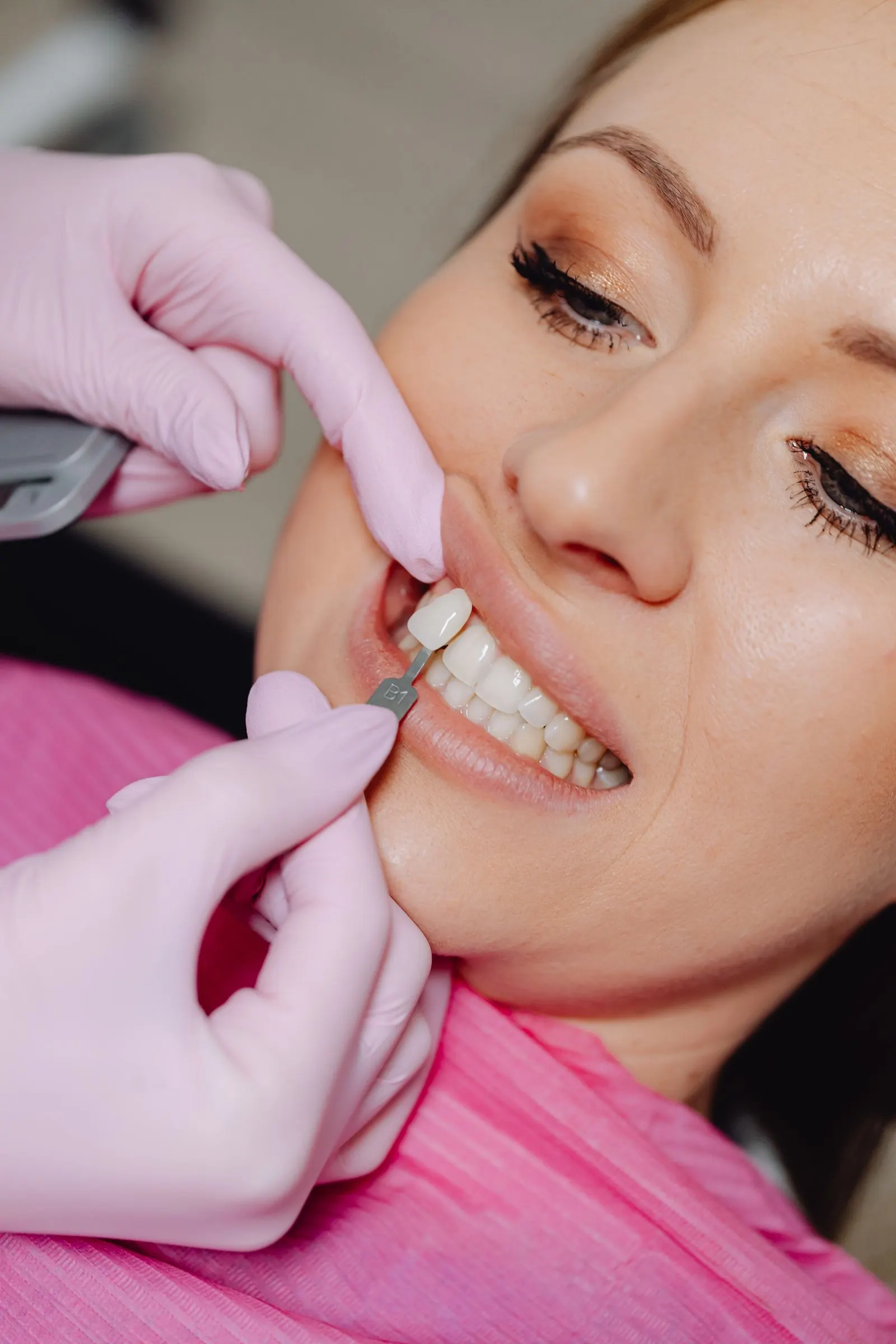
Teeth that are made too long, too thick or in a shade far whiter than the natural teeth around them can look artificial. Crowns that are joined together across the front, which Dental Protection described in its case, can also make cleaning between teeth harder. Shade and shape are partly a matter of taste, but they should be agreed with you in advance, ideally with a trial, not decided by the lab alone.
Bite problems and jaw ache
If new crowns change how the teeth meet, the bite can feel high or uneven. In the Dental Protection case, the patient reported jaw ache, sensitivity, pain in several teeth and changes to his speech, and two teeth were tender because they were taking too much load. Some bite issues settle after adjustment; others need the crowns remade.
Why do Turkey teeth go wrong?
Most of the failure patterns above have the same few roots. None of them is specific to Turkey: they can happen anywhere treatment is sold as a quick package rather than planned as dentistry.
Crowns sold as "veneers"
A veneer is a thin shell on the front of the tooth. The Oral Health Foundation explains that a small amount of enamel is removed from the front surface. A crown, by contrast, covers the whole tooth. When a package advertised as "veneers" is actually a set of full crowns, the patient may not realise how much healthy tooth will be removed. Our guide to what a dental crown is explains the difference in detail.
Crowns used to fix crooked teeth
Crowding or rotated teeth are often better treated with orthodontics first. The BDA cites a young man given 21 full crowns for what was an orthodontic problem. Cutting teeth straight with crowns is fast, but it removes the most tooth structure exactly where the teeth are most out of line.
Rushed timelines
Many packages promise a complete smile within a few days. That leaves little room to treat decay or gum disease first, to try in a temporary version of the new smile, or to adjust the bite before the final crowns are cemented. In the Dental Protection case, the patient came back with upper and lower crowns about a month after travelling.
No X-ray planning or medical history
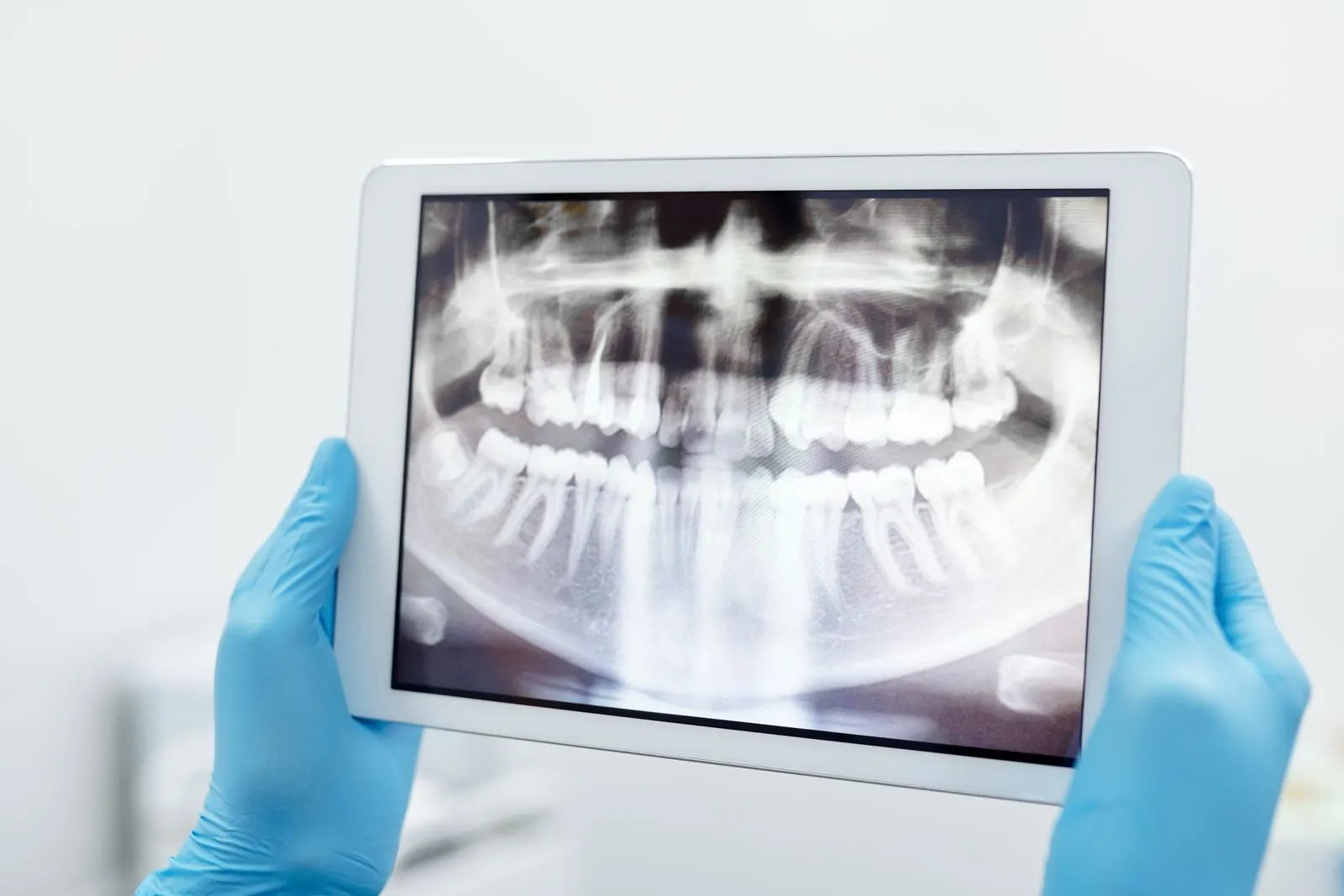
The General Dental Council says you should always be assessed by a qualified dentist, with a full medical history, before being given a treatment plan and cost estimate. Without X-rays, existing infections, deep fillings close to the nerve or bone loss can go unnoticed until after the crowns are on.
Weak consent and a hard sell
When the price is fixed before anyone has examined you, the plan tends to fit the package rather than your teeth. Consent is only meaningful if you understand the alternatives, the risks and how much tooth will be removed.
Turkey teeth gone wrong: what can be done afterwards?
The honest answer has two parts. Tooth structure that has been removed is gone for good, so any tooth that was prepared for a crown will always need a crown or similar restoration. At the same time, many of the problems can be managed or improved with careful remedial work.
| Problem | What a dentist may do | Is it reversible? |
|---|---|---|
| Persistent sensitivity or pain | Check the nerve, adjust the bite, root canal treatment if the nerve is damaged | Nerve damage is not reversible; symptoms can usually be treated |
| Poorly fitting crown edges | Replace individual crowns with better-fitting ones | The tooth stays prepared; the fit can be improved |
| Gum inflammation | Professional cleaning, gum treatment, replacing overhanging crowns | Inflammation often settles; lost gum or bone may not return |
| Too bulky or too white | Remake crowns in a more natural shape and shade | Appearance can usually be changed |
| Bite problems or jaw ache | Bite adjustment, splint, remaking crowns if needed | Often improvable |
| Tooth that cannot be saved | Extraction and replacement (bridge, implant or denture) | Not reversible |
Start with a calm assessment
If something feels wrong, see a dentist rather than waiting. A full examination with X-rays shows the state of each nerve, the fit of each crown and the health of the gums. Dental Protection advises dentists to give patients an accurate, factual report of the diagnosis and the options, including referral to a specialist where needed.
Repair in stages
Remedial work is usually done in a set order: relieve pain and infection first, then stabilise the gums, then redo restorations that are failing, and only then address appearance. Replacing every crown at once is not always necessary. Sometimes only a few teeth are the real problem.
Keep your records
Ask the original clinic for your treatment plan, X-rays, and details of the materials and restorations used. This information helps any dentist understand what was done and avoid unnecessary work. If you plan to complain, the GDC recommends knowing the complaints process in advance, because it may differ from the UK.
How to avoid Turkey teeth regret: a checklist before booking
The best protection is to ask the right questions before any tooth is touched. The GDC's guidance on treatment abroad includes a longer list; these are the points that relate most directly to the problems above.
- Has a dentist examined you in person, with X-rays, before the final plan is agreed?
- Does the written plan say veneer or crown for each tooth, and why?
- How much tooth will be removed, and are less invasive options (whitening, bonding, orthodontics) realistic for you?
- Will decay and gum disease be treated before cosmetic work starts?
- Is there time for a trial smile and for bite adjustment before final cementation?
- Who is responsible for aftercare, and what happens if a problem appears after you return home?
- Is there a complaints procedure, and can you see it?
- Has your own dentist been told about your plans, as the GDC recommends?
A clinic that answers these clearly, in writing, is more likely to plan conservatively. Our costs page lists starting prices, but the price should only be confirmed after the plan fits your teeth.
Having veneers or crowns in Istanbul with Doctor Turka
Our clinic is in Ataköy, Bakırköy, in Istanbul. Before you travel, our dentists provide a free written treatment plan that names the restoration for each tooth, so you can compare it with advice from your own dentist. You can read how the process works or ask a question via WhatsApp or our contact page.
Want a personal opinion?
Leave your contact details. Our patient coordinator will contact you to discuss your needs and explain the next steps, free and without obligation.
Discuss my options