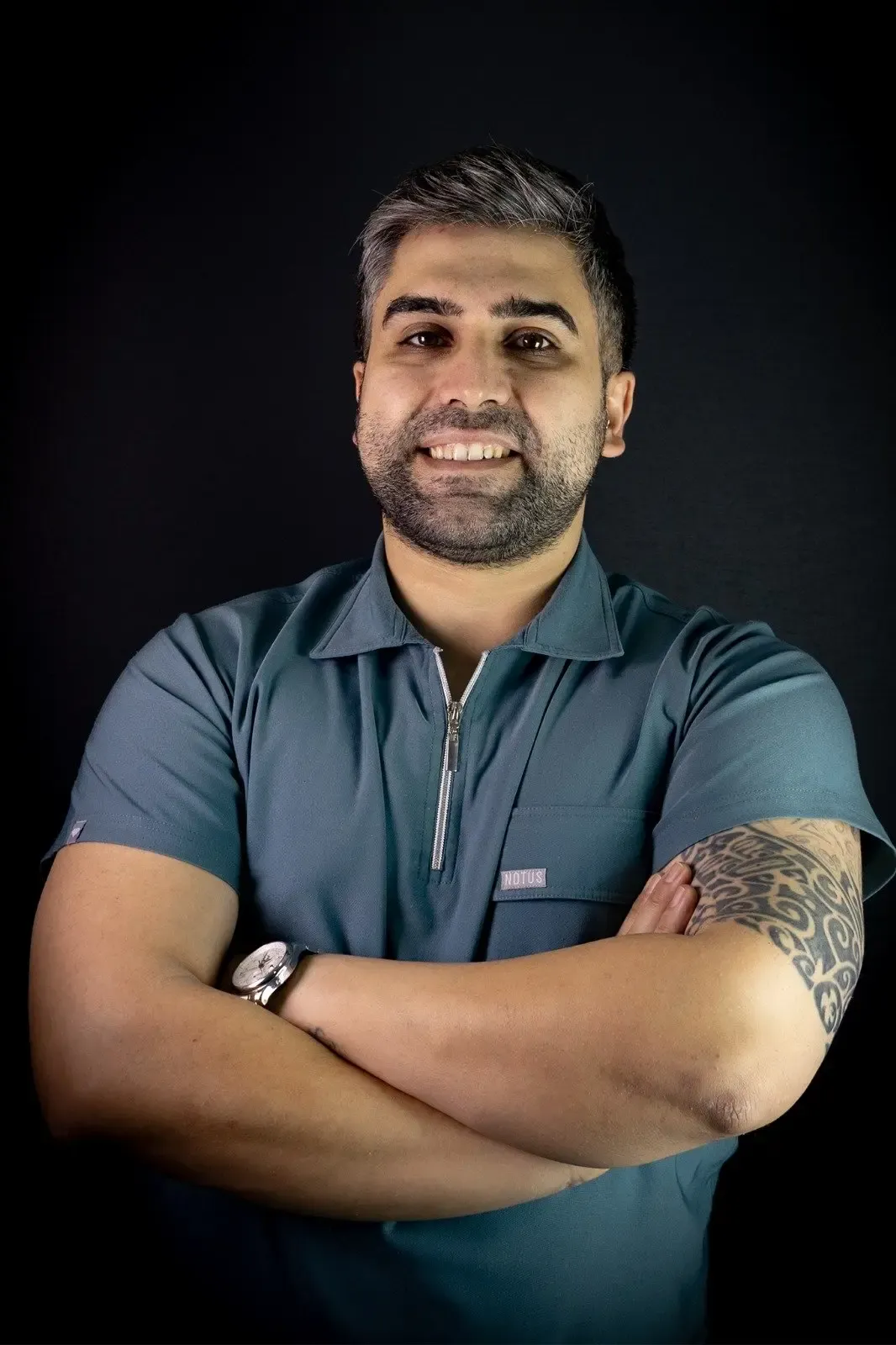
 Dr. Taha G
For patients in the United States and Canada, the cost of dental implants at home pushes many people to look further afield, and two destinations dominate the conversation: Mexico and Turkey. Both have earned real reputations, both treat large numbers of international patients, and each suits a slightly different person. This guide compares them fairly, from a clinic that happens to sit in Istanbul, so you can weigh the trade offs with clear eyes rather than marketing.
If you are specifically researching dental implants in Turkey, it helps to understand how Turkey and Mexico actually differ before you commit to a flight. At Doctor Turka in Istanbul we treat patients from across North America and Europe, and we would always rather you chose for the right reasons. Our how it works page walks through the Istanbul journey step by step so you can picture it.
This article deliberately avoids specific prices. Promotions change, exchange rates move, and a single headline figure rarely reflects your real case. What matters more is travel, the number of trips, clinic scale and standards, healing time, language and coordination, follow-up and guarantees. We will cover all of those honestly, give Mexico full credit where it is due, and then explain why many patients still choose Istanbul.
A quick comparison
Here is the shape of each destination at a glance. Treat it as a starting point rather than the full picture, because the individual clinic always matters more than the country.
| Factor | Turkey (Istanbul) | Mexico (Los Algodones, Tijuana, Cancun) |
|---|---|---|
| Flight access from the US | A long-haul flight, roughly 10 to 13 hours from major hubs | Short, often a few hours or a border crossing by land |
| Typical trips for implants | Usually two | Usually two, sometimes easier to split |
| Known for | Large modern clinics, high volume, strong overall value | Close proximity, border access, long dental tourism history |
| Language support | English and multilingual coordinators common | English widely spoken, especially in border towns |
Travel and access
This is where Mexico has a clear, honest advantage for North American patients. For anyone in the southern or western United States, towns like Los Algodones, Tijuana and Nuevo Progreso are reachable by car or a short walk across the border. Cancun is a direct flight from many US cities. If minimizing travel time is your single biggest priority, Mexico is very hard to beat, and we would never pretend otherwise.
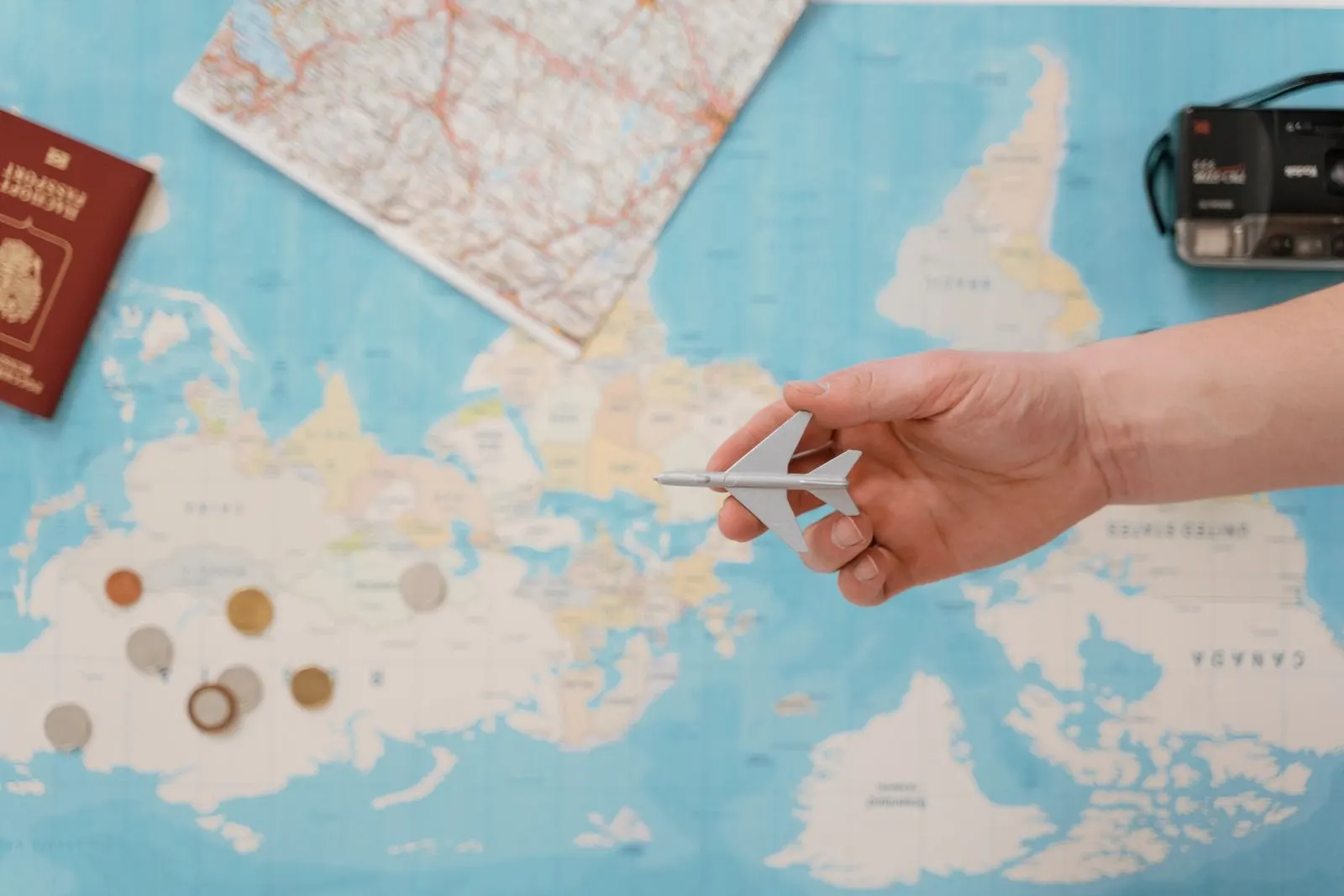
Turkey is a long-haul flight, typically ten to thirteen hours depending on your departure city and connections. That is a genuine commitment of time and sitting. The counterweight is that Istanbul is one of the busiest aviation hubs in the world, served by a major international carrier with direct routes from several US cities, so flights are frequent, competitive and well connected. The journey is longer, but it is rarely complicated.
- Mexico suits patients who want to stay close to home and keep the trip short.
- Turkey suits patients who are comfortable with a longer flight in exchange for what happens at the clinic end.
- Both are reachable, and both see large numbers of international patients every week.
For the right person, the longer flight to Istanbul is simply folded into a few days abroad and stops feeling like an obstacle. For others, the short hop to Mexico is the deciding factor. Neither choice is wrong.
Number of trips and healing time
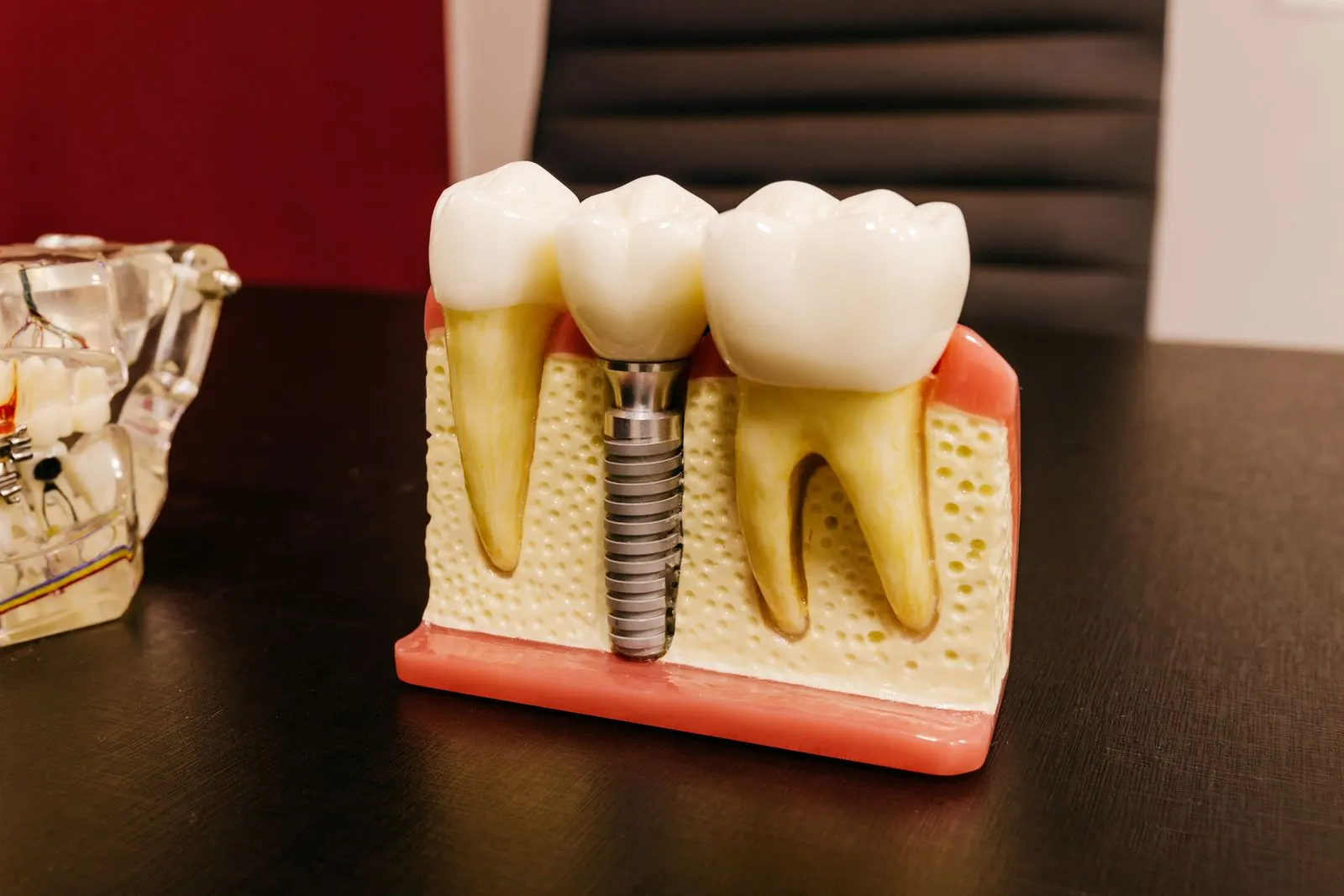
Dental implants are not an overnight treatment anywhere, and the biology does not change with geography. The titanium post needs to fuse with the jawbone, a process called osseointegration, which usually takes a few months. That timeline is the same in Istanbul and in any Mexican clinic.
In practice, implant treatment in both countries is usually arranged over two trips. The first visit covers assessment, any extractions and placement of the implants. You then heal at home. The second visit, once the bone has integrated, is for the final crowns or bridge.
- The first trip is usually the longer one, often several days to a week.
- The healing gap between trips is typically three to six months, depending on your case and bone quality.
- The second trip is usually shorter, as it is mainly fitting and final adjustment.
Because Mexico is closer to the US, some patients find it easier to split care across more frequent, shorter visits, which can be a real practical benefit. With Turkey, the two-trip model tends to be planned more deliberately, each trip combined into a longer, well-organized stay. Certain full arch solutions like All-on-4 can provide a fixed temporary on the first day, so you leave with teeth you can smile with while the final work is prepared. Good clinics in both countries offer this, so ask directly rather than assuming.
Clinic scale and standards
Both destinations have excellent clinics and, like anywhere, a long tail of weaker ones. The honest advice is identical for both: judge the specific clinic, not the country.
Mexico has decades of dental tourism history, particularly in the border towns, where whole local economies have grown around serving American and Canadian patients. Many clinics there are experienced, well equipped and used to international care, with the added convenience of being close to home.
Turkey, and Istanbul in particular, is known for scale and modern infrastructure. If you are deciding between Turkish cities, see Istanbul vs Antalya for dental treatment. The city has a high concentration of large, recently built clinics handling significant international volume. That volume means teams are well practised, equipment tends to be current, and the surrounding ecosystem of labs, imaging and coordination is mature. High volume is not automatically better, so the quality of your individual clinic still matters most, but the infrastructure is substantial.
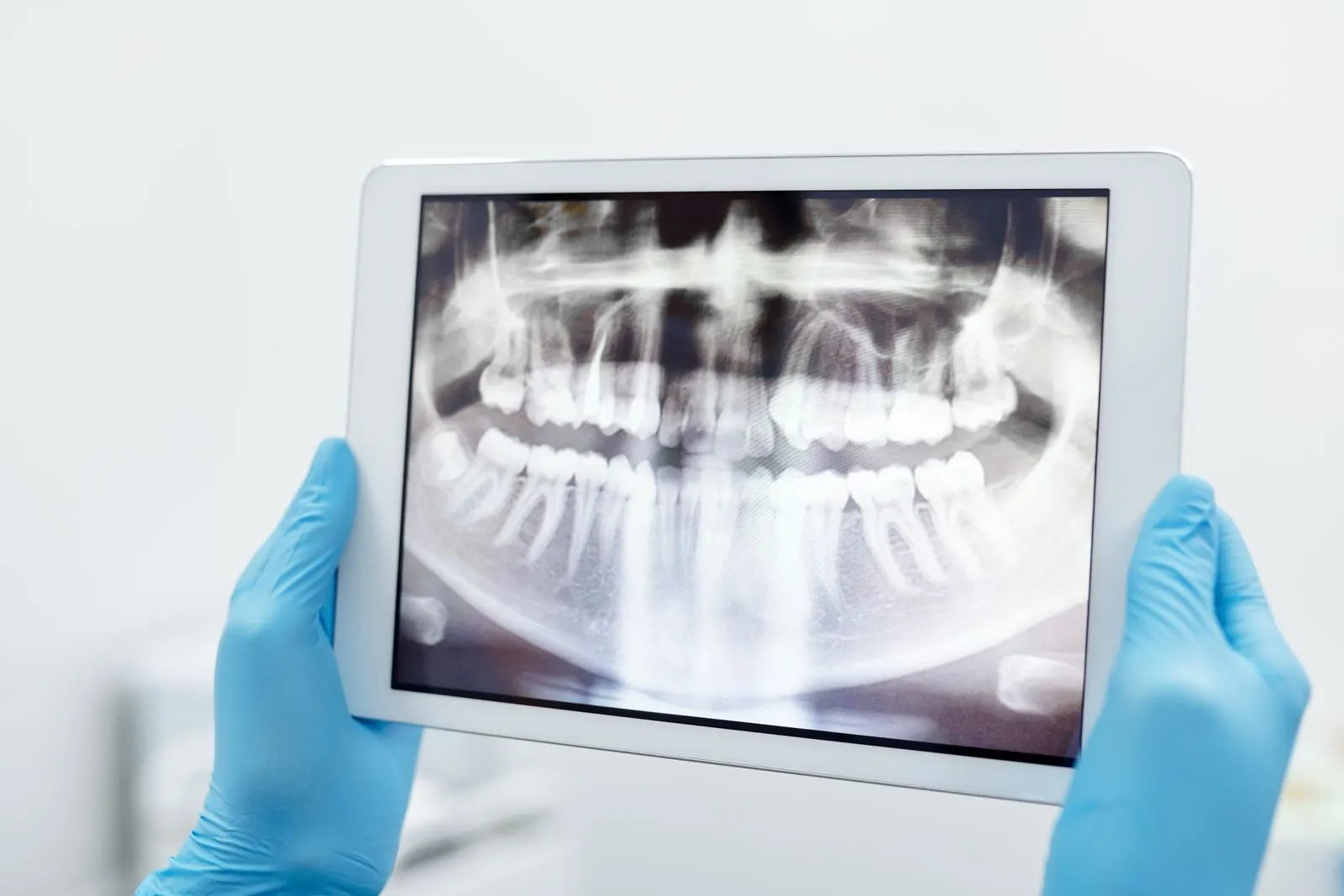
Wherever you look, the questions are the same. Ask about the clinician's qualifications and experience, the implant brands used, the on-site imaging, the laboratory, and the sterilization and safety standards. A good clinic in either country will answer all of these openly.
Language and coordination
Language is rarely a barrier in either destination for English speakers. In Mexico, English is widely spoken, especially in the border towns and tourist cities built around international patients. That familiarity and cultural closeness is a genuine comfort for many North Americans.
At Doctor Turka we provide English speaking coordinators who manage your plan, your travel questions and your appointments from the first enquiry to the final fitting, and our team works with patients in several languages. Good coordination is less about the country and more about the specific clinic, so ask who your point of contact will be and whether they stay with you throughout, not only during the sales conversation.
- Ask whether a named coordinator stays with you across both trips.
- Confirm the language of your clinical consultations, not only the admin emails.
- Check how questions are handled once you are back home between trips.
Follow-up and guarantees
This is where you should look most carefully, wherever you travel, because distance changes the logistics of aftercare compared with a dentist down the road.
- Guarantees. Reputable clinics in both countries offer written guarantees on implants and restorations. Read what is actually covered, for how long, and what you must do to keep it valid.
- Remote support. Ask how the clinic handles concerns between trips and after treatment, including photos, video calls and a clear line of contact.
- Local back up. A minor adjustment, such as a loose screw or a small bite tweak, can sometimes be done by a dentist at home. Ask how your clinic coordinates that.
- Records. You should receive full clinical records and imaging so any dentist, anywhere, can continue your care.
Mexico has the advantage of a shorter return trip if a follow-up is needed, which is a real point in its favour. Turkey answers this with established remote follow-up processes and the frequency of direct flights to a major hub. Neither approach is inherently better, and the right one depends on how you prefer to manage aftercare.
Cost and value
We will not quote numbers, because a fair comparison is about value rather than a single price. In broad terms, both Mexico and Turkey are considerably more affordable than implant treatment in the United States or Canada, which is the main reason patients travel at all.
Mexico often offers very strong value with minimal travel, a powerful combination for North American patients. Turkey tends to offer particularly strong value for the standard and scale of clinic and the breadth of treatment available, which is a large part of why Istanbul attracts such high international volume. For an honest look at what shapes the figures, see our guide to dental costs in Turkey. Judge any quote on the full package, the clinician, the materials, the guarantee and the aftercare, not the headline alone.
Why many patients choose Istanbul
Both destinations can deliver excellent implant treatment, and the best choice is genuinely personal. If staying close to home and keeping travel short is your priority, Mexico is an outstanding option and we would recommend it without hesitation for the right patient.
Patients who choose Doctor Turka in Istanbul tend to value the combination of large, modern, high volume clinics, experienced teams, strong overall value and coordinators who look after them throughout. Many also see the long trip as a chance to spend a few memorable days in one of the world's great cities while they recover.
Whichever country you lean towards, choose the clinic and the clinician first. Ask about guarantees, ask about follow-up, and ask who will look after you. When you are ready, Dr. Taha G and Dr. Hatice G at Doctor Turka are happy to review your case and talk you through your options with no pressure.
Want a personal opinion?
Leave your contact details. Our patient coordinator will contact you to discuss your needs and explain the next steps, free and without obligation.
Discuss my options