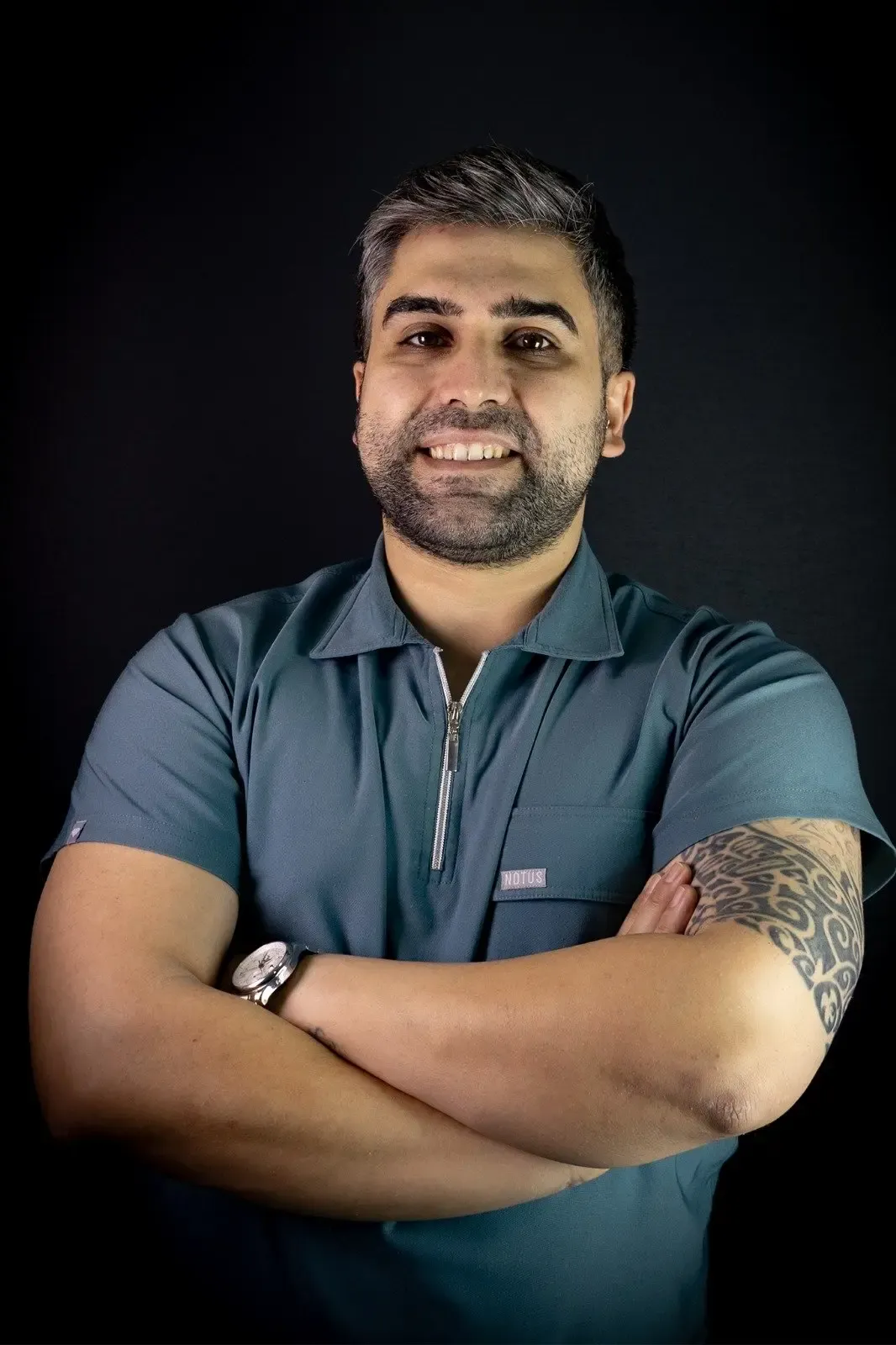
 Dr. Taha G
Choosing where to have dental implants is a big decision, and for many patients in the UK and in the German speaking countries it increasingly means looking beyond the local high street. Three destinations come up again and again: Turkey, Hungary and Poland. Each has a genuine reputation, each has strengths, and each suits a slightly different patient. This guide compares them fairly so you can decide with clear eyes.
If you are weighing up dental implants in Turkey specifically, it helps to understand how the three countries differ before you commit. At Doctor Turka in Istanbul we treat patients from across Europe every week, and we would rather you choose for the right reasons than on marketing alone. Our how it works page explains the Istanbul journey step by step.
This article avoids prices on purpose. Costs change, promotions come and go, and a single headline number rarely reflects your real case. What matters more is travel, the number of trips, healing time, coordination, follow-up and guarantees. We will cover all of those, then explain honestly why many patients still choose Istanbul.
A quick comparison
Here is the shape of each destination at a glance. Read it as a starting point, not the whole story.
| Factor | Turkey (Istanbul) | Hungary (Budapest, Sopron) | Poland (Krakow, Wroclaw, Gdansk) |
|---|---|---|---|
| Flight time from UK | Around 4 hours | Around 2.5 hours | Around 2.5 hours |
| Flight from DE, AT, CH | Around 3 to 3.5 hours | Around 1 to 1.5 hours, or a short drive from Austria | Around 1.5 to 2 hours |
| Typical trips for implants | Usually two | Usually two | Usually two |
| Known for | High volume, modern clinics, strong value | Long established dental tourism, especially for Austria and Germany | Convenient access, popular with UK and German patients |
| Language support | English and German coordinators common | German widely spoken, especially near the Austrian border | English and German commonly available |
Travel and access
Hungary is the closest option for patients in Austria, southern Germany and Switzerland. Sopron sits right by the Austrian border and has built an entire dental economy around day visitors and short stays. Budapest is a short flight from most Central European cities. For Austrians in particular, Hungary can mean a drive rather than a flight, which is a real convenience.
Poland is similarly close for much of Germany and well connected to the UK through budget airlines. Krakow, Wroclaw and Gdansk all have good air links, and flight times from London or Manchester are comparable to a domestic hop. For patients who want to stay within a short, familiar flight, Poland is attractive.
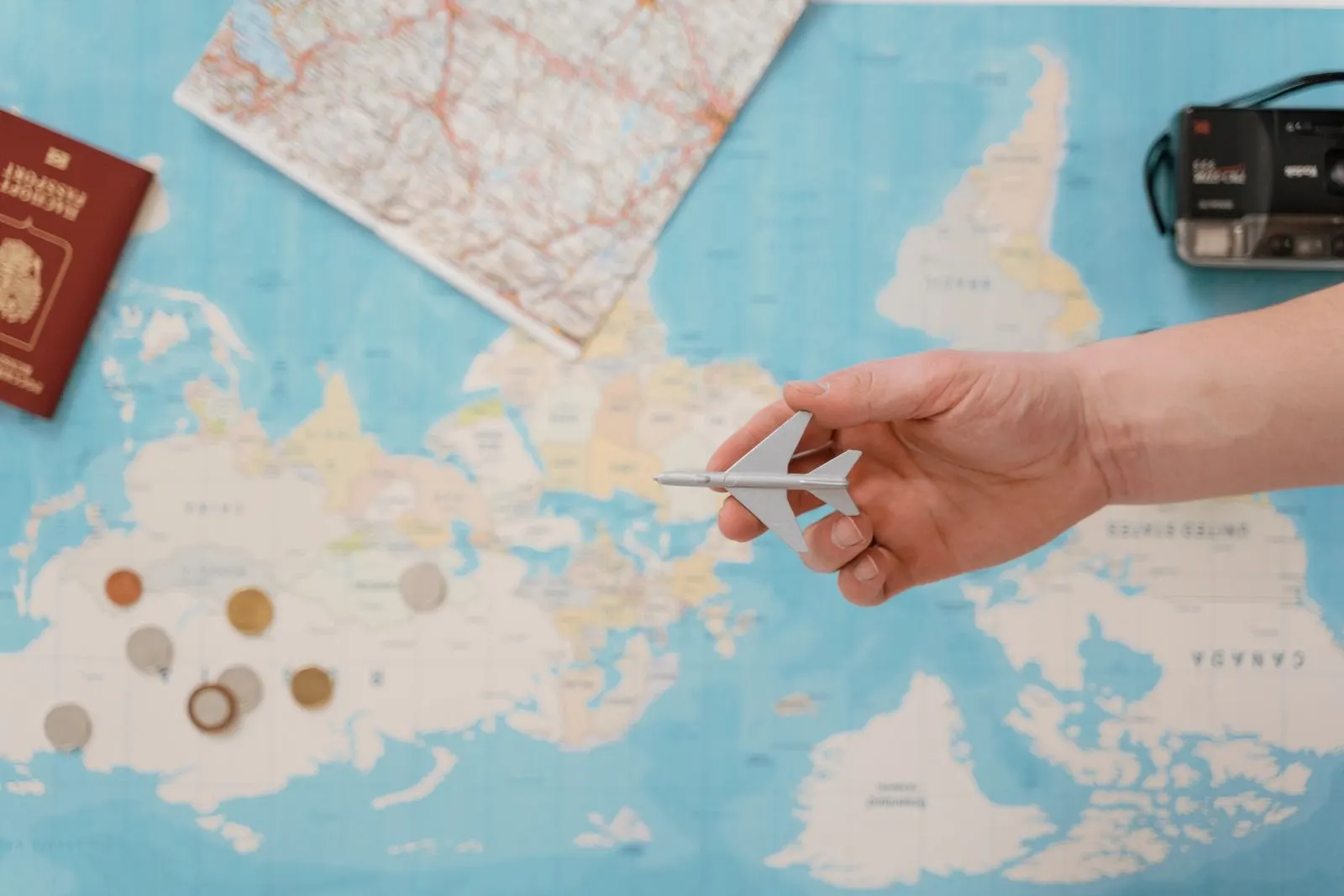
Turkey involves a longer journey, roughly four hours from the UK and three to three and a half hours from German speaking countries. Istanbul is a major hub, so flights are frequent and competition keeps them accessible. The extra time in the air is the trade off for what the city offers at the clinic end.

Number of trips and healing time
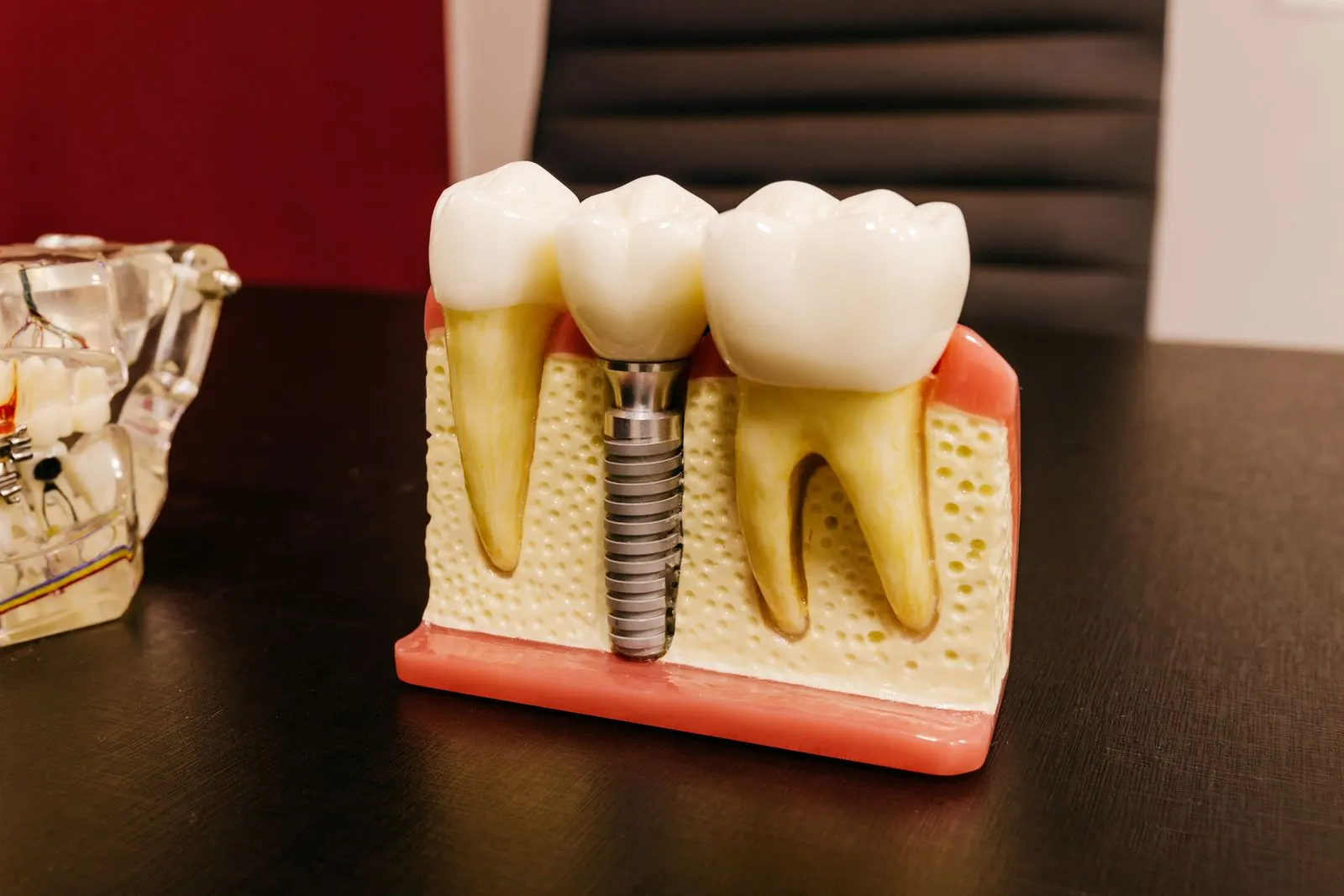
Dental implants are not an overnight treatment anywhere. The titanium post needs to fuse with the bone, a process called osseointegration, which typically takes a few months. That biology is the same in Istanbul, Budapest and Krakow.
In practice, implant treatment in all three countries is usually arranged over two trips. The first visit covers assessment, any extractions and the placement of the implants. You then heal at home. The second visit, after the bone has integrated, is for the final crowns or bridge.
- The first trip is usually the longer one, often several days to a week.
- The healing gap between trips is usually three to six months depending on your case and bone quality.
- The second trip is typically shorter, as it is mainly fitting and adjustment.
Some cases allow a same day fixed temporary, such as certain full arch solutions like All-on-4, so you leave the first trip with teeth you can smile with while the final work is prepared. This is true across good clinics in all three countries, so it is worth asking directly rather than assuming.
What each destination is known for
Hungary is arguably the original dental tourism destination for Europe. Budapest and Sopron have decades of experience serving Austrian and German patients, long established clinics, and a culture built around international care. If deep experience with German speaking patients matters to you, Hungary has a strong claim.
Poland has grown quickly and earned a reputation for solid clinical standards and easy logistics. Its appeal is largely about proximity and convenience, a trusted European Union setting close to home, with modern clinics in well known cities.
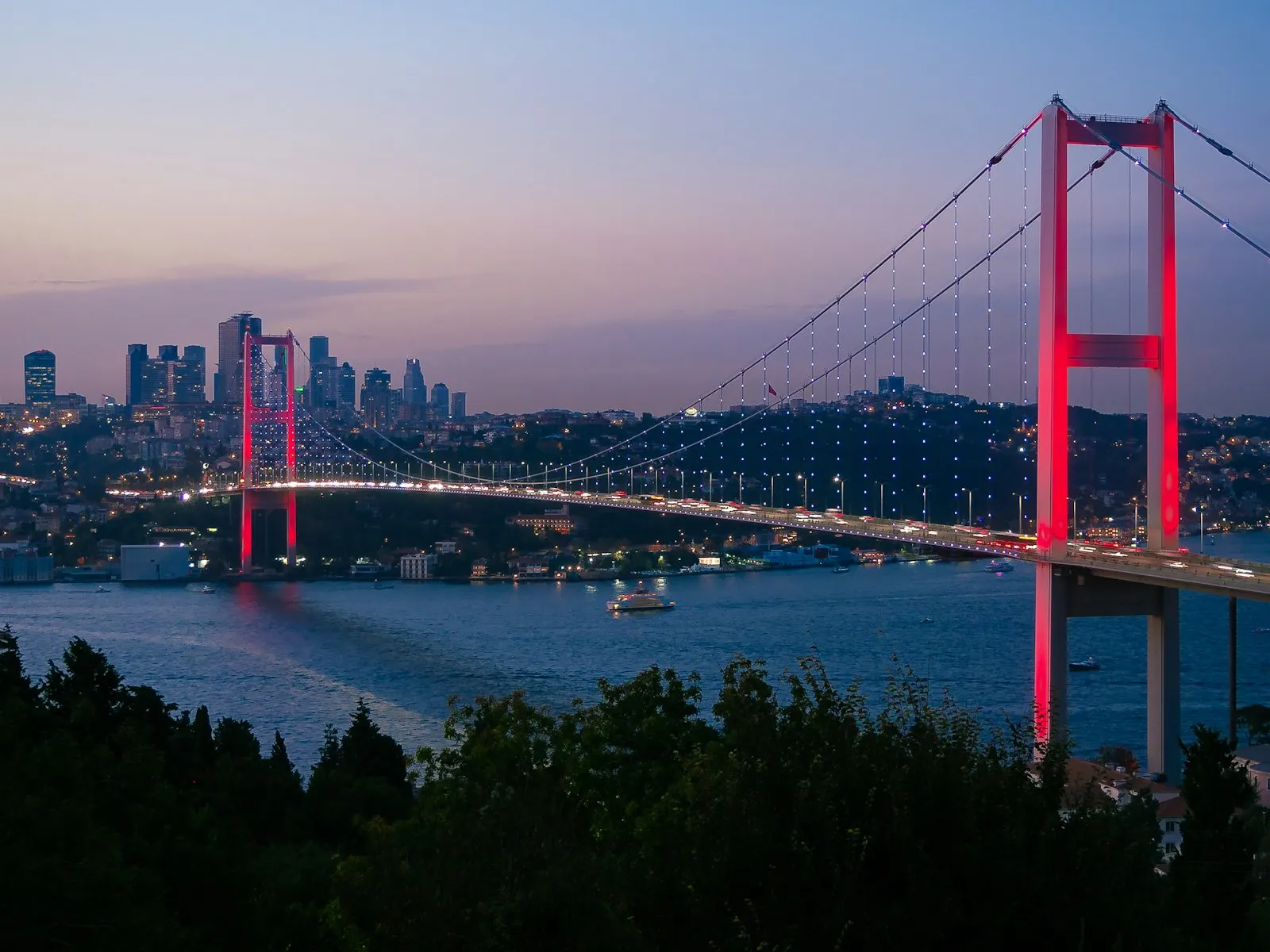
Turkey is known for scale and modern infrastructure. Istanbul has a high concentration of large, recently built clinics handling significant international volume. That volume means teams are practised, equipment tends to be current, and the overall value proposition is strong. High volume is not automatically better, so the quality of the individual clinic still matters most, but the ecosystem is mature.
Language and coordination
For German speaking patients, Hungary has a natural edge near the Austrian border, where German is widely spoken in daily clinic life. That said, international clinics in all three countries now run dedicated coordination teams.
At Doctor Turka we provide English and German speaking coordinators who manage your plan, your travel questions and your appointments from first enquiry to final fitting. Good coordination is less about the country and more about the specific clinic, so ask who your point of contact will be and whether they speak your language throughout, not just at the sales stage.
- Ask whether a named coordinator stays with you across both trips.
- Confirm the language of your clinical consultations, not only the admin emails.
- Check how questions are handled once you are back home between trips.
Follow up and guarantees
This is where you should look most carefully, wherever you go. Distance makes follow up logistics different from a local dentist, so understand the plan before you travel.
- Guarantees. Reputable clinics in all three countries offer written guarantees on implants and restorations. Read what is actually covered, for how long, and what you need to do to keep it valid.
- Remote support. Ask how the clinic handles concerns between trips and after treatment, including photos, video calls and a clear line of contact.
- Local back up. A minor adjustment, such as a loose screw or a small bite tweak, can sometimes be done by a dentist at home. Ask your clinic how they coordinate that.
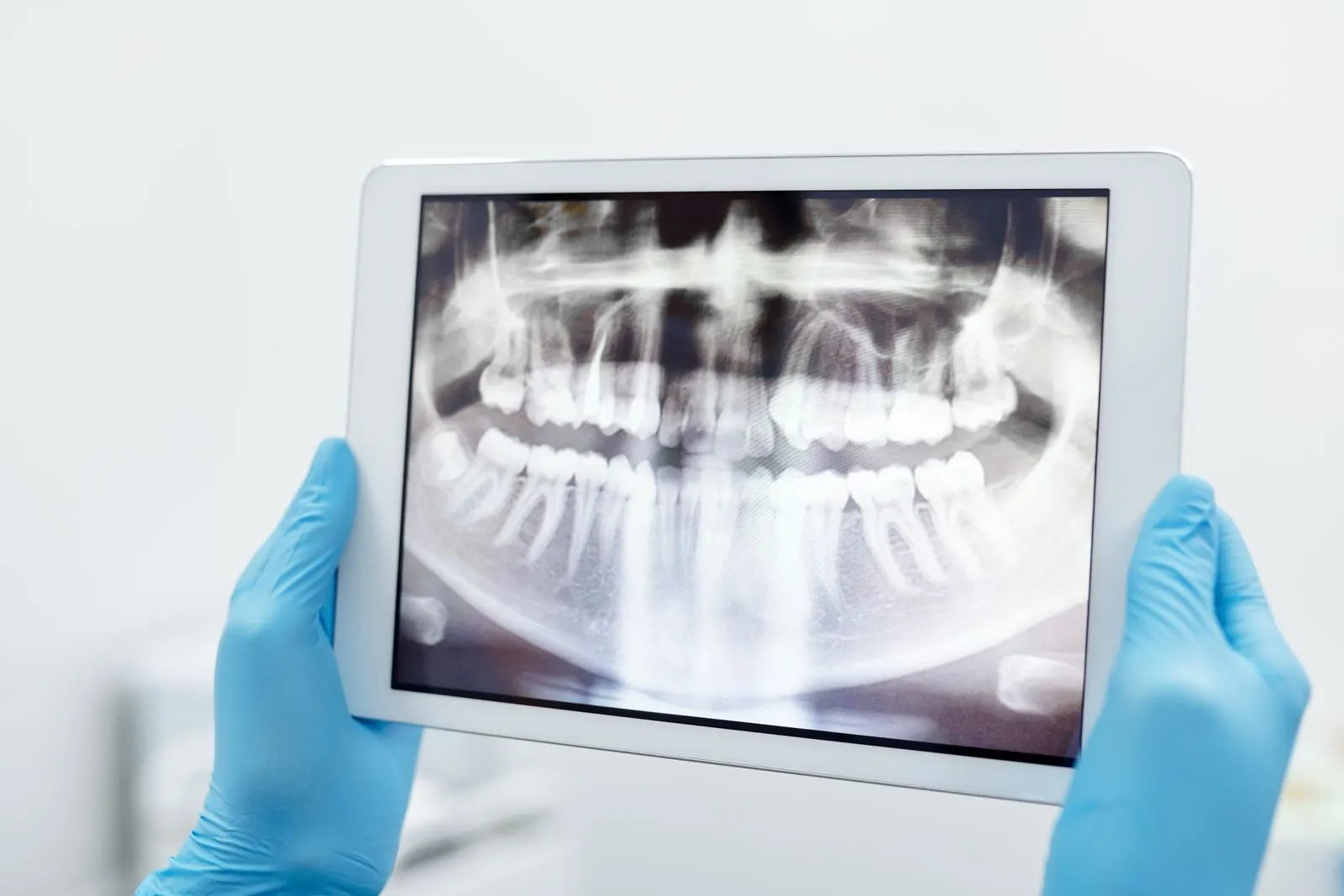
- Records. You should receive full clinical records and imaging so any dentist, anywhere, can continue your care.
Hungary and Poland have the advantage of being a shorter trip back if a return visit is needed. Turkey counters this with established remote follow up processes and the frequency of affordable flights to Istanbul. Neither approach is inherently better, it depends on how you prefer to manage aftercare.
Cost and value
We will not quote numbers, because a fair comparison is about value rather than a single price. In broad terms, all three destinations are more affordable than private treatment in the UK or the German speaking countries, which is a large part of why patients travel at all.
Hungary and Poland sit within the European Union, close to home, with mature markets. Turkey often offers particularly strong value for the standard of clinic and the breadth of treatment available, which is a key reason Istanbul attracts high volume. For an honest look at what shapes the figures, see our guide to dental costs in Turkey. Judge any quote on the full package, the clinician, the materials, the guarantee and the aftercare, not the headline alone.
Why many patients choose Istanbul
All three destinations can deliver excellent implant treatment, and the best choice is genuinely personal. If you are in Austria and want the shortest possible trip, Hungary is hard to beat. If you want to stay within a short, familiar flight inside the European Union, Poland is a sensible choice.
Patients who choose Doctor Turka in Istanbul tend to value the combination of modern, high volume clinics, experienced teams, strong overall value and coordinators who speak English and German throughout. Istanbul is also a genuinely rewarding city to spend a few days in while you recover.
Whichever country you lean towards, choose the clinic and the clinician first. Ask about guarantees, ask about follow up, and ask who will look after you. When you are ready, Dr. Taha G and Dr. Hatice G at Doctor Turka are happy to review your case and talk you through your options with no pressure.
Want a personal opinion?
Leave your contact details. Our patient coordinator will contact you to discuss your needs and explain the next steps, free and without obligation.
Discuss my options