 Dr. Hatice G
Most "Turkey teeth shaved down" photos do not show veneer preparations at all. They show teeth cut down all the way round for full crowns. Conventional porcelain veneers usually need only a thin layer of enamel removed from the front of the tooth, typically a fraction of a millimetre. No-prep veneers may need none, but they only work in selected cases.
So yes, dentists usually do trim teeth for veneers, but how much they remove makes all the difference. On our porcelain veneers treatment page you can see how we approach that clinically. This article explains the numbers behind the photos, how veneers are fitted, and the questions to ask before any enamel is touched.
If you have come here after watching a social media video about teeth filed to pegs, you are asking the right question. The answer depends on whether the treatment was truly veneers, or crowns sold under the word "veneers".
Do they shave your teeth for veneers?
In most cases, yes, a little. Porcelain veneers are thin shells bonded to the front of the tooth. If nothing were removed, the veneer would sit on top of the tooth and make it thicker, which can look bulky and leave a ledge at the gumline.
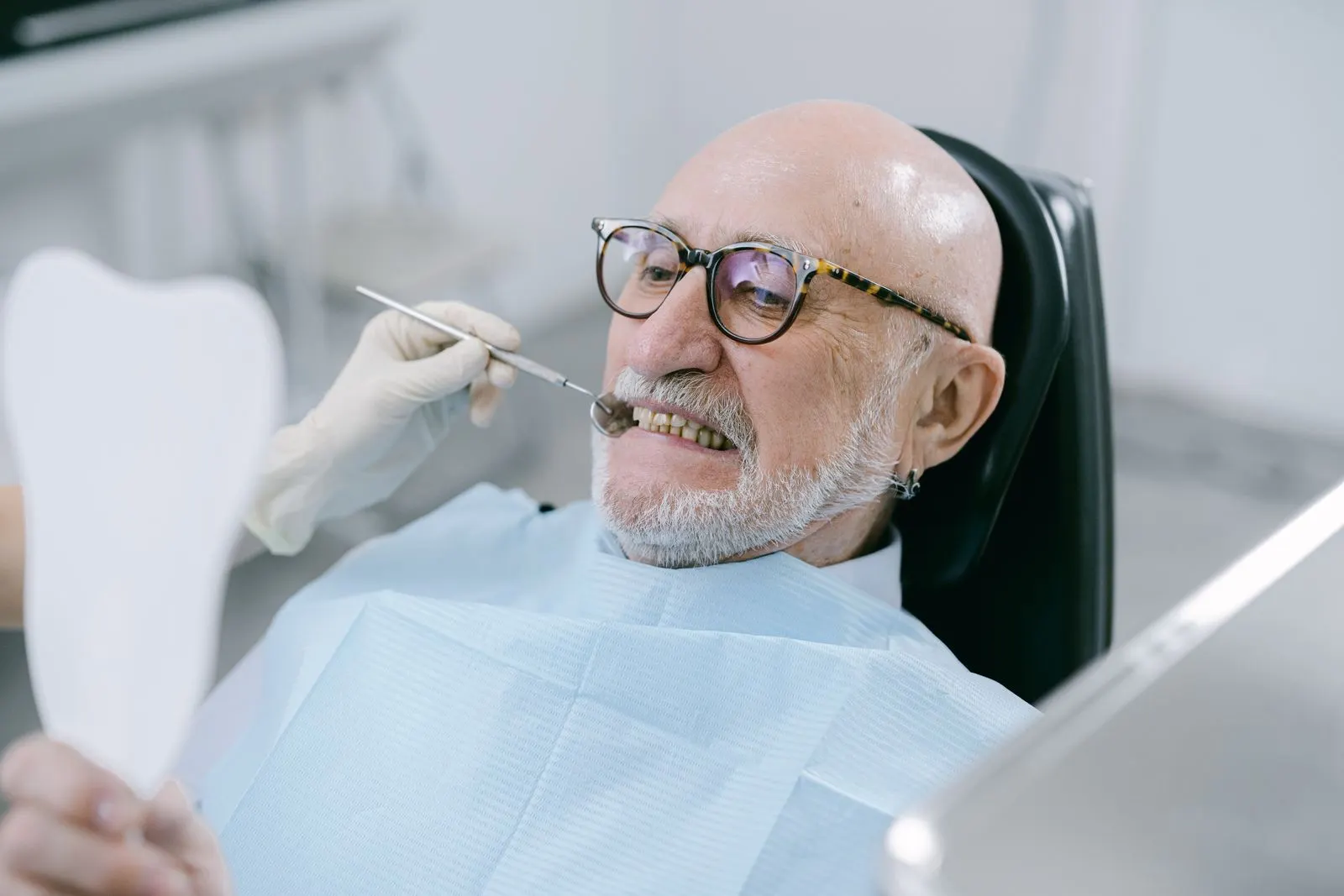
The Oral Health Foundation describes the first appointment simply: a small amount of enamel is removed from the front of the tooth and an impression is taken. The dentist is creating just enough space for the material and a clean enamel surface for bonding.
What a veneer preparation should not do is reduce the tooth on every side or turn it into a stump. If that is planned, you are being offered crowns, and you should be told so clearly.
How much enamel is removed for veneers?
In a clinical overview published in the Swiss Dental Journal, Prof. Jürgen Manhart describes ceramic veneers roughly 0.3 to 0.7 mm thick, in individual cases up to about 1 mm, and advises against veneers thinner than 0.3 mm because of the risk of fracture. Darker teeth may need around 0.2 mm of extra reduction so the veneer can mask the colour.
A 2014 review of minimally invasive veneers summarises research by Edelhoff and Sorensen: veneer preparations removed about 3 to 30 per cent of tooth structure by weight, around one quarter to one half of the reduction for a conventional crown. The same review describes a minimally invasive design with about 0.1 mm reduction near the gum, 0.2 to 0.5 mm in the middle and 0.7 to 1.0 mm at the biting edge.
Why such care? Enamel near the gumline of incisors is only around 0.3 to 0.4 mm thick, according to measurements cited in that review. Go deeper and you reach dentine, which bonds less reliably. A 2021 systematic review notes that bonding to dentine is believed to be weaker than to enamel, with more risk of leakage and debonding.
Why Turkey teeth look shaved down: crowns, not veneers
A crown covers the entire visible tooth, so it needs space on every side. Manhart's overview describes crown preparations of about 1 mm at the margin and up to 1.5 mm around the widest part of the tooth, and reports that up to 72 per cent of the hard tissue of a natural tooth crown can be removed. That is how a healthy front tooth ends up as the small, tapered peg you see in viral photos.
Crowns have their place, for example on heavily filled, broken or root-filled teeth. The problem is using them on healthy teeth for purely cosmetic reasons, and calling them veneers. Our article on what "Turkey teeth" means and how to avoid it covers this pattern, and our guide to veneers vs crowns helps you tell the two apart.
| No-prep veneer | Conventional porcelain veneer | Full crown | |
|---|---|---|---|
| Surfaces covered | Front | Front, often wrapping the biting edge | All sides |
| Tooth reduction | None or minimal | Thin layer, ideally in enamel | All round, about 1 to 1.5 mm |
| Share of tooth removed | Very little | About 3 to 30 per cent by weight | Up to 72 per cent of the tooth crown |
| Reversible? | Sometimes | No | No |
| Typical use | Small or set-back teeth | Colour, shape and minor position changes | Broken, heavily filled or root-filled teeth |
How are veneers fitted, step by step?
The exact sequence varies, but a careful veneer treatment usually follows these stages.
- Examination and planning. Teeth, gums and bite are checked. Decay and gum disease are treated first.
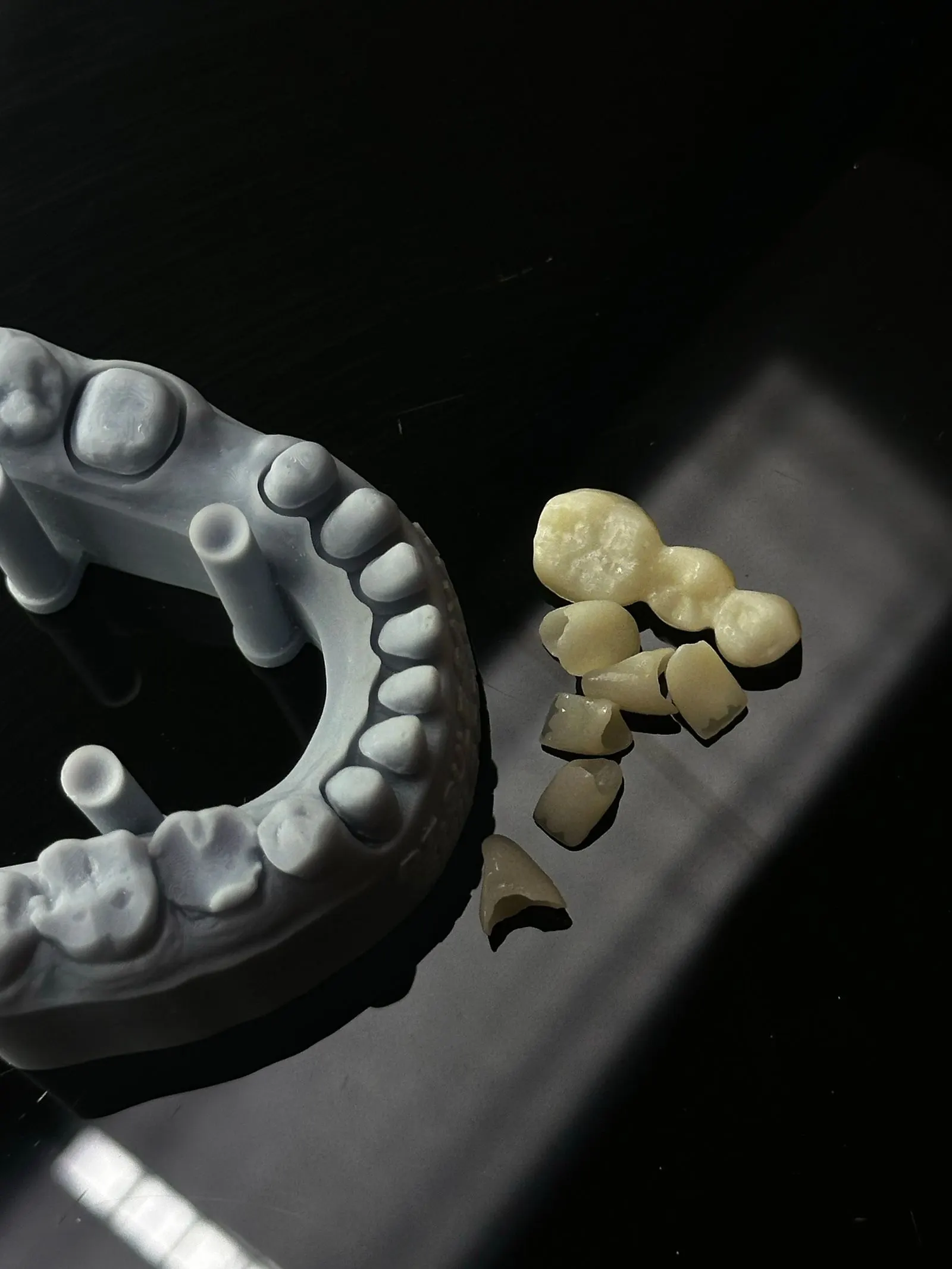
- Design and mock-up. A wax-up model or a temporary resin mock-up placed over your own teeth shows the planned shape before any drilling. Manhart describes wax-up and mock-up as part of the planning phase.
- Preparation. The dentist reduces the front surface by the planned amount, often using guides made from the mock-up so that only the necessary enamel is removed.
- Impression or scan. The prepared teeth are recorded, and temporary veneers may be fitted.
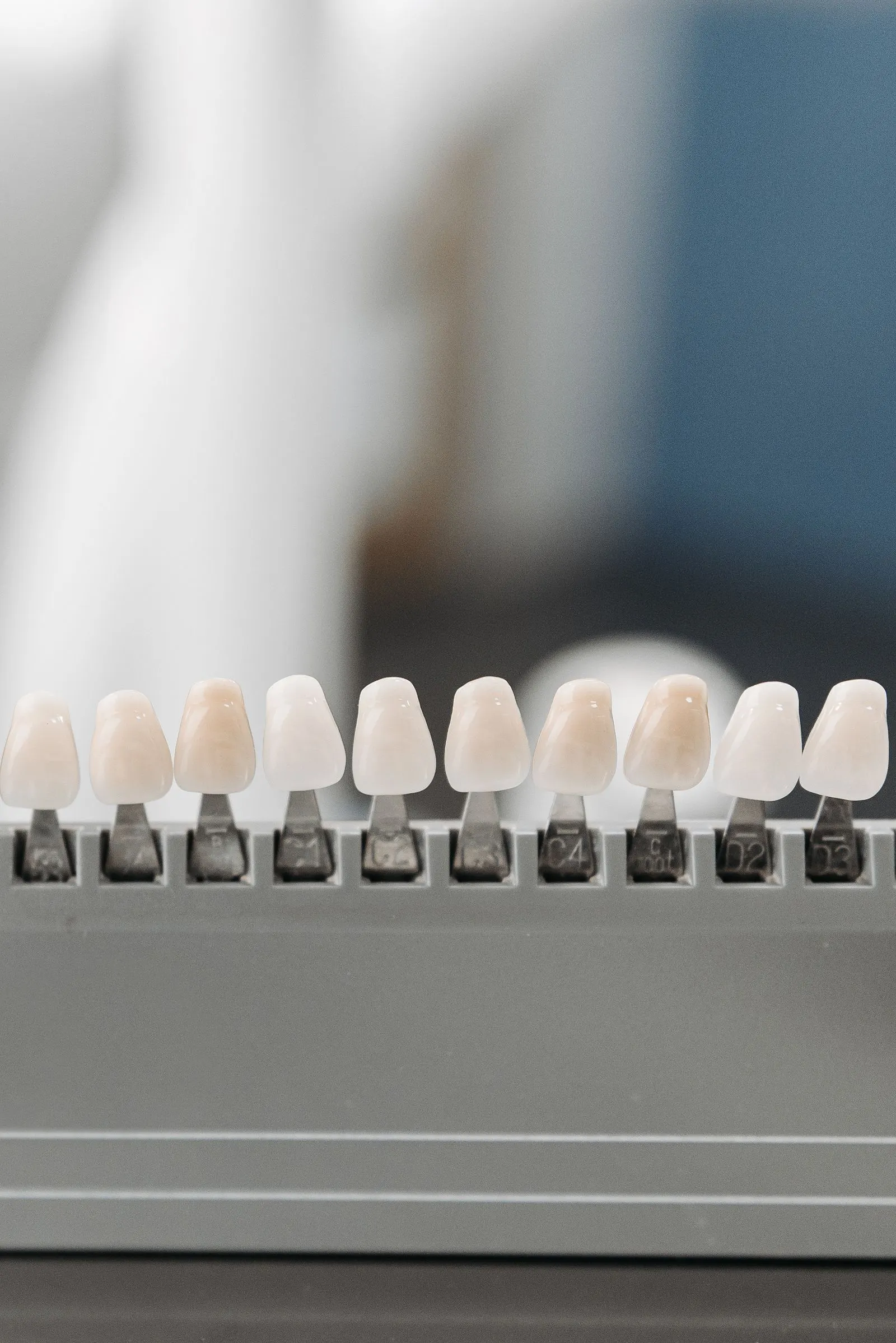
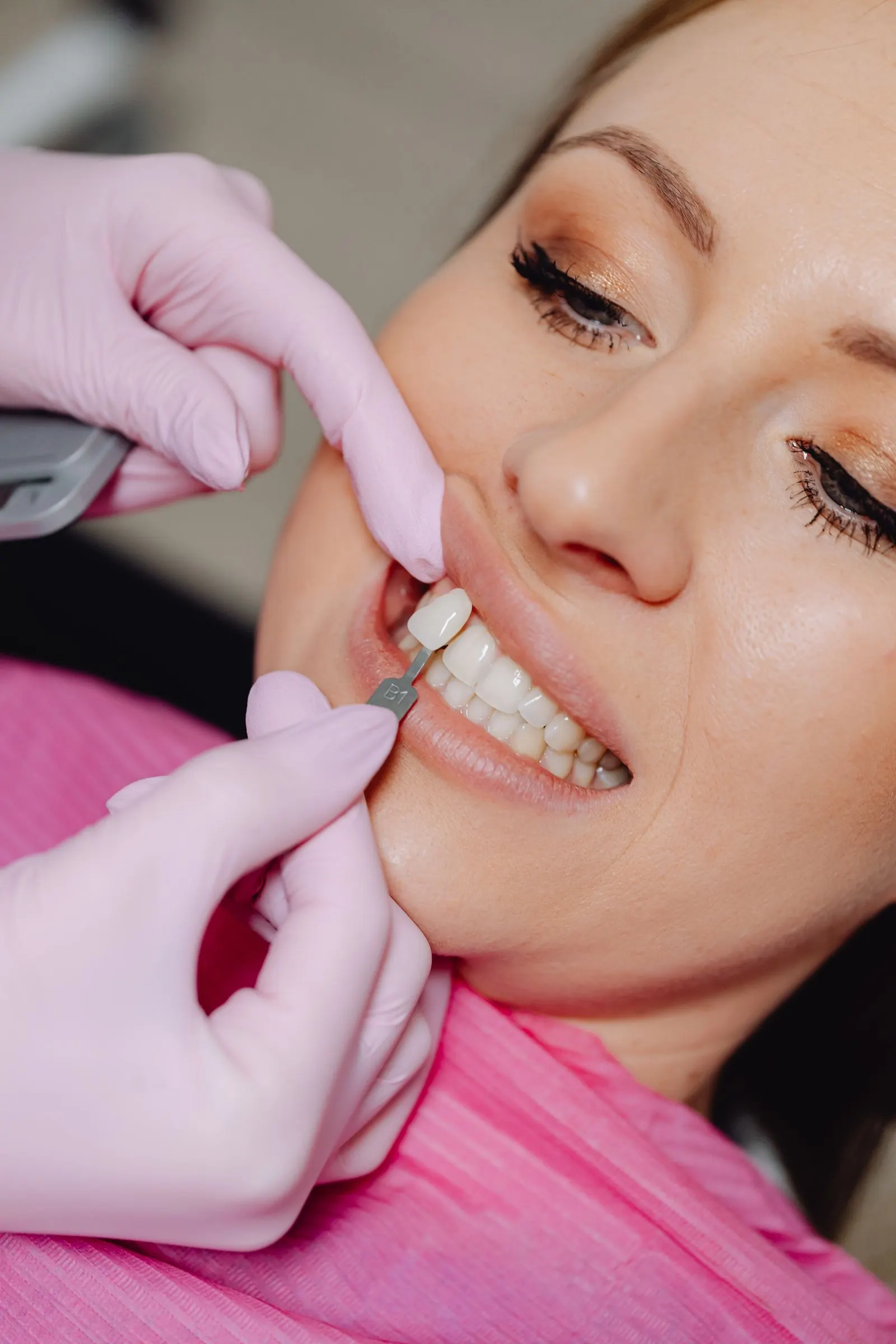
- Try-in and bonding. The Oral Health Foundation describes checking the veneers for fit and colour before bonding them with a strong dental adhesive.
- Bite check and review. The bite is adjusted, and a night guard may be advised if you grind.
The mock-up step deserves special attention. If the mock-up shows that the planned shape sits outside your current teeth, the dentist can prepare through the mock-up and only remove what protrudes beyond the new design. Where the new tooth surface lies in front of the old one, little or no enamel needs to go.
When enamel is reduced, a local anaesthetic is commonly used. Afterwards, some teeth feel more sensitive to hot and cold for a while, particularly while temporaries are in place. This usually settles once the final veneers are bonded. Sensitivity that persists or worsens should be checked, as it can point to a leaking margin or an irritated nerve.
No-prep veneers: when they work and when they look bulky
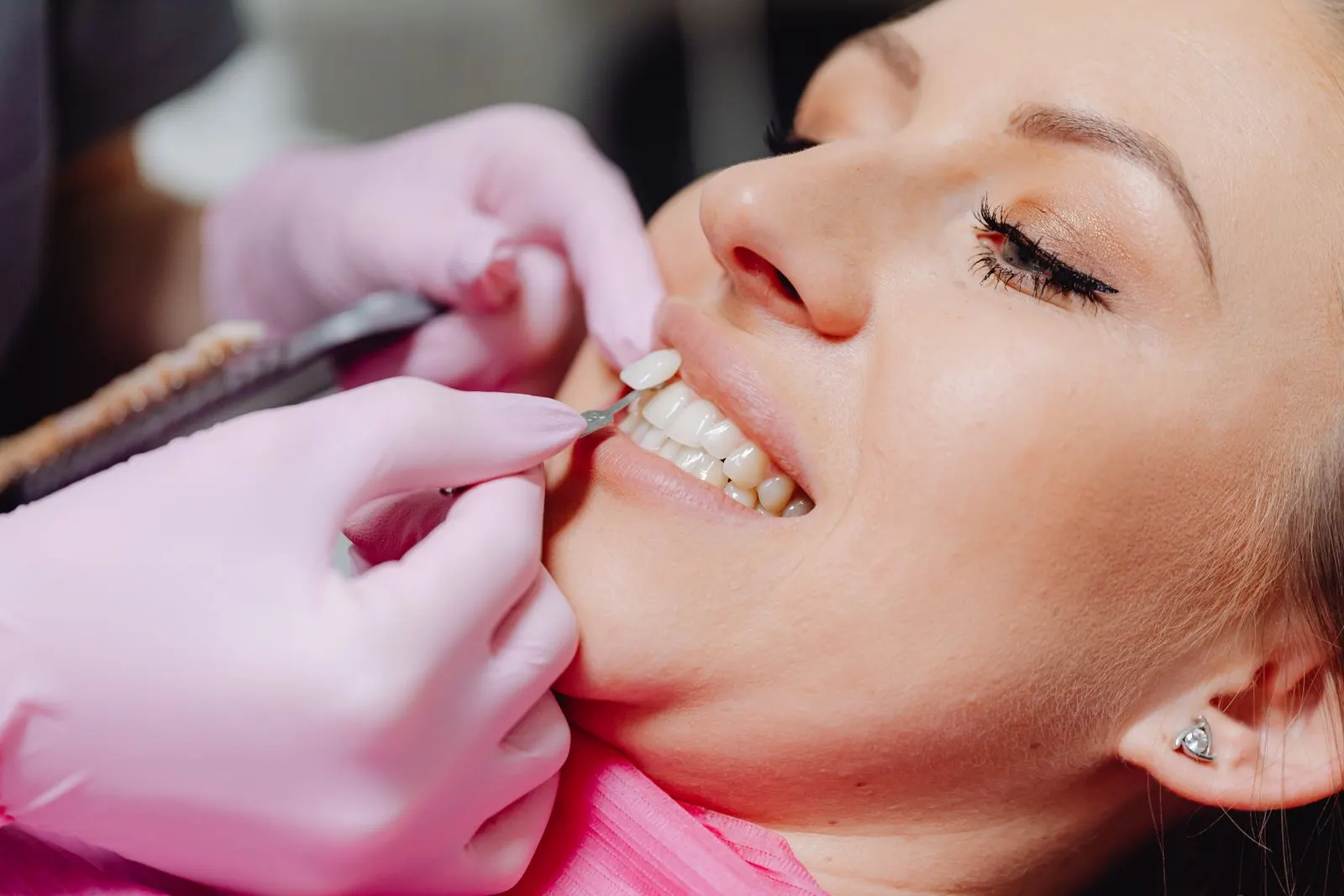
No-prep veneers are bonded without trimming the tooth, or with only minimal polishing of the surface. Keeping your enamel is a real advantage, and in the right case they are a sensible choice.
They work best where there is room to add material: teeth that are small, worn, slightly set back from their neighbours, or gaps that need closing. Manhart notes they are mainly suitable for decay-free teeth in a retruded position or for certain undersized teeth, and that feasibility is best checked with a wax-up.
The limitation is simple geometry. If the tooth is already in a normal position, adding a layer of ceramic makes it thicker. The 2014 review reports that no-prep veneers often appeared bulky, with signs of gum irritation, and that inadequate reduction can produce an overcontoured restoration. Margins that stand proud of the tooth at the gumline also encourage plaque build-up.
Why too little preparation is also a problem
It might seem that less drilling is always better, but under-preparation has its own risks. A study in the British Dental Journal found that freehand preparation tended to remove less than planned, and warned that placing veneers on under-prepared teeth can lead to gum problems or poor aesthetics. In that laboratory study, depth guides produced more consistent reduction than freehand preparation.
The goal is not maximum or minimum reduction. It is planned reduction: just enough, in the right places, ideally staying in enamel, based on a design you have seen and agreed to beforehand.
Questions to ask before any tooth is prepared
- Are you planning veneers or crowns for each tooth, and why?
- Can I see a mock-up of the result on my own teeth first?
- Roughly how much will be removed, and will it stay in enamel?
- Would straightening or whitening first reduce the preparation needed?
- Am I a candidate for minimal-prep or no-prep veneers, and if not, why not?
- What happens to these teeth when the veneers need replacing?
A good answer is specific to your teeth and given in writing. Our dental costs page lists our starting prices, and our overview of veneer treatments explains the porcelain and composite options.
Planning veneers in Istanbul with Doctor Turka
Our clinic is in Ataköy, Bakırköy, Istanbul. Before you travel, our dentists give you a free written treatment plan that states which teeth would receive veneers, which (if any) would need crowns and why. You can read how treatment with us works or contact us on WhatsApp or through the contact page.
Sources
- Veneers (Oral Health Foundation)
- Minimally invasive veneers: current state of the art (Clinical, Cosmetic and Investigational Dentistry, 2014)
- Porcelain laminate veneers: what is the best way to prepare the tooth? (British Dental Journal, 2000)
- Frontzahnästhetik in Perfektion mit adhäsiv befestigten Keramikveneers (Swiss Dental Journal, 2011)
- Long-Term Survival and Complication Rates of Porcelain Laminate Veneers in Clinical Studies: A Systematic Review (J Clin Med, 2021)
Want a personal opinion?
Leave your contact details. Our patient coordinator will contact you to discuss your needs and explain the next steps, free and without obligation.
Discuss my options