 Dr. Hatice G
If you feel composite bonding ruined your teeth, you are not alone, and in most cases the situation can be improved. Bonding usually goes wrong for fixable reasons: edges built out too thick, staining at the margins, chips, plaque collecting around the bonding or a bite that was never checked. Some damage, such as enamel removed without your agreement, cannot be undone, but the appearance usually can be.
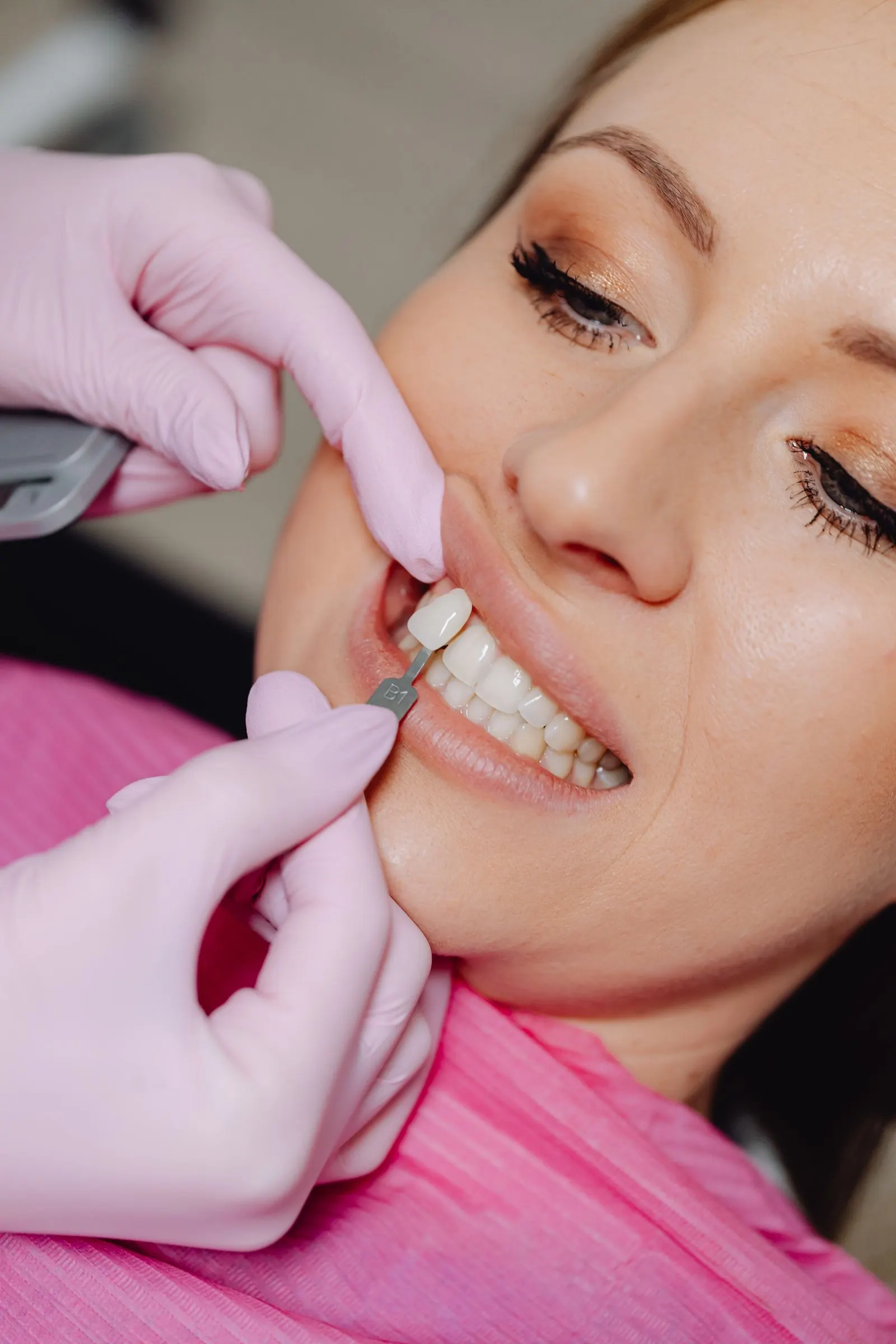
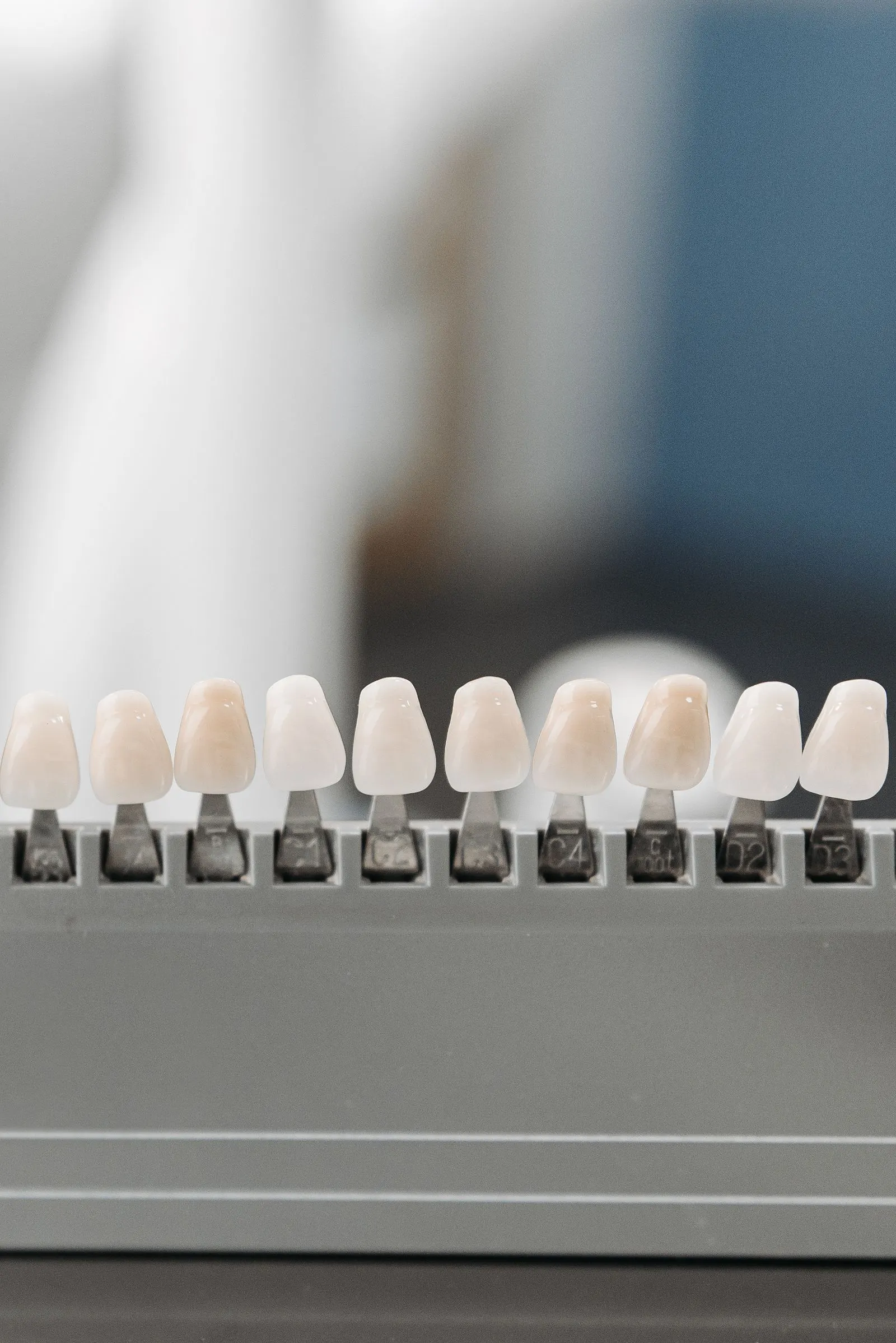
Composite bonding is tooth-coloured resin sculpted directly onto the teeth. Done well, it is one of the most conservative cosmetic options. Done hastily, it can look bulky and age badly. Our composite veneers treatment page explains how we plan bonding; this article focuses on what goes wrong and what can be done about it.
Complaints are common enough that the UK regulator has written about them. In its 2026 article on the "bonding boom", the General Dental Council (GDC) reported that complaints about composite bonding rose from 18 per cent of clinical complaints in 2021 to 22 per cent in 2022, before reducing more recently.
Does composite bonding damage teeth?
Bonding itself is mostly additive. The dentist cleans and etches the surface, applies an adhesive and builds up resin layer by layer, often with little or no drilling. That is why bonding is generally considered less invasive than porcelain veneers or crowns.
Damage happens around the edges of that process. The GDC lists complaints about "removal of tooth tissue that was not discussed or consented to", bonding that was over or under contoured, and bite changes caused by a failure to check the occlusion properly. Poor margins can also leave ledges where plaque builds up, which irritates the gums and raises the risk of decay along the edge.
So the honest answer to "does composite bonding damage teeth?" is: not when it is planned and finished carefully, but poorly done bonding can harm teeth and gums over time.
Is composite bonding reversible?
Bonding is often marketed as reversible. The GDC warns that describing it as "simple", "reversible" or "risk free/non-invasive" risks misleading patients. The reason is practical: composite is bonded to etched enamel, and the regulator notes that "achieving complete removal without altering or damaging enamel is extremely difficult". In cases reviewed by its adviser, removal attempts had left clear loss of tooth tissue with visible bur marks.
A fairer description is "minimally invasive and repairable". Bonding can usually be polished, added to, partly removed or replaced. Getting back to exactly the tooth you had before is rarely possible once the surface has been etched and bonded.

What goes wrong with composite bonding?
| Problem | Typical cause | Usual fix |
|---|---|---|
| Teeth look bulky or "too big" | Edges overbuilt, often to close gaps or lengthen teeth in one step | Recontouring, or removal and a more conservative redo |
| Dark lines at the edges | Stain penetrating the margin where resin meets tooth | Polishing or margin repair; replacement if extensive |
| Overall dull, yellowed bonding | Surface wear and staining from food, drinks and smoking | Professional polishing; replacement of the outer layer |
| Chips at the biting edge | Composite is weaker than enamel; biting, grinding | Small chips are repaired; bite and night guard reviewed |
| Bleeding or puffy gums | Overhanging margins trap plaque | Margin correction plus hygiene treatment |
| Bite feels wrong or teeth hit early | Bite not checked or adjusted | Occlusal adjustment; sometimes redesign |
Overbuilt edges
Covering several teeth at once, closing gaps and lengthening teeth can make the result look wide, thick or uniform. The GDC names over contouring as a recurring complaint. Thicker edges can also feel strange to the tongue and lips at first.
Staining at the margins
Composite is more porous than enamel, as the GDC points out, so it takes up colour from coffee, tea and red wine. Staining often shows first as thin dark lines where resin meets tooth.
Chips and fractures
Chipping is a known limitation of composite. A 2022 systematic review of direct composite restorations on front teeth, covering 25 studies and 75,637 restorations, found that fracture was the main cause of failure. Biting nails, pens and hard foods, and grinding at night, increase the risk.
Plaque traps and gum problems
Bonding that extends under the gum, or leaves a small step at the edge, is hard to clean. Over time this can cause bleeding gums, inflammation and decay at the margins. If your gums have been sore since bonding was placed, see a dentist rather than waiting. Our gum treatment page describes how gum inflammation is managed.
Composite bonding after 5 years: with and without maintenance
Composite bonding after 5 years can look very different from one person to the next. The material, the skill of the dentist, your bite and your habits all play a part, and studies report very wide ranges of results, so a single "lifespan" figure would be misleading.
What makes a predictable difference is maintenance. The GDC notes that patients often are not told about the need for regular polishing, repair or replacement.
- With maintenance: regular check-ups and hygiene visits, periodic professional polishing, small chips repaired promptly, a night guard if you grind. Bonding often keeps a reasonable shine and colour.
- Without maintenance: surface dullness, edge staining and small chips accumulate. By the time people seek help, the bonding may need replacing rather than polishing.
For a fuller look at durability, read our guide to how long composite bonding lasts.
Can bad bonding be removed or redone?
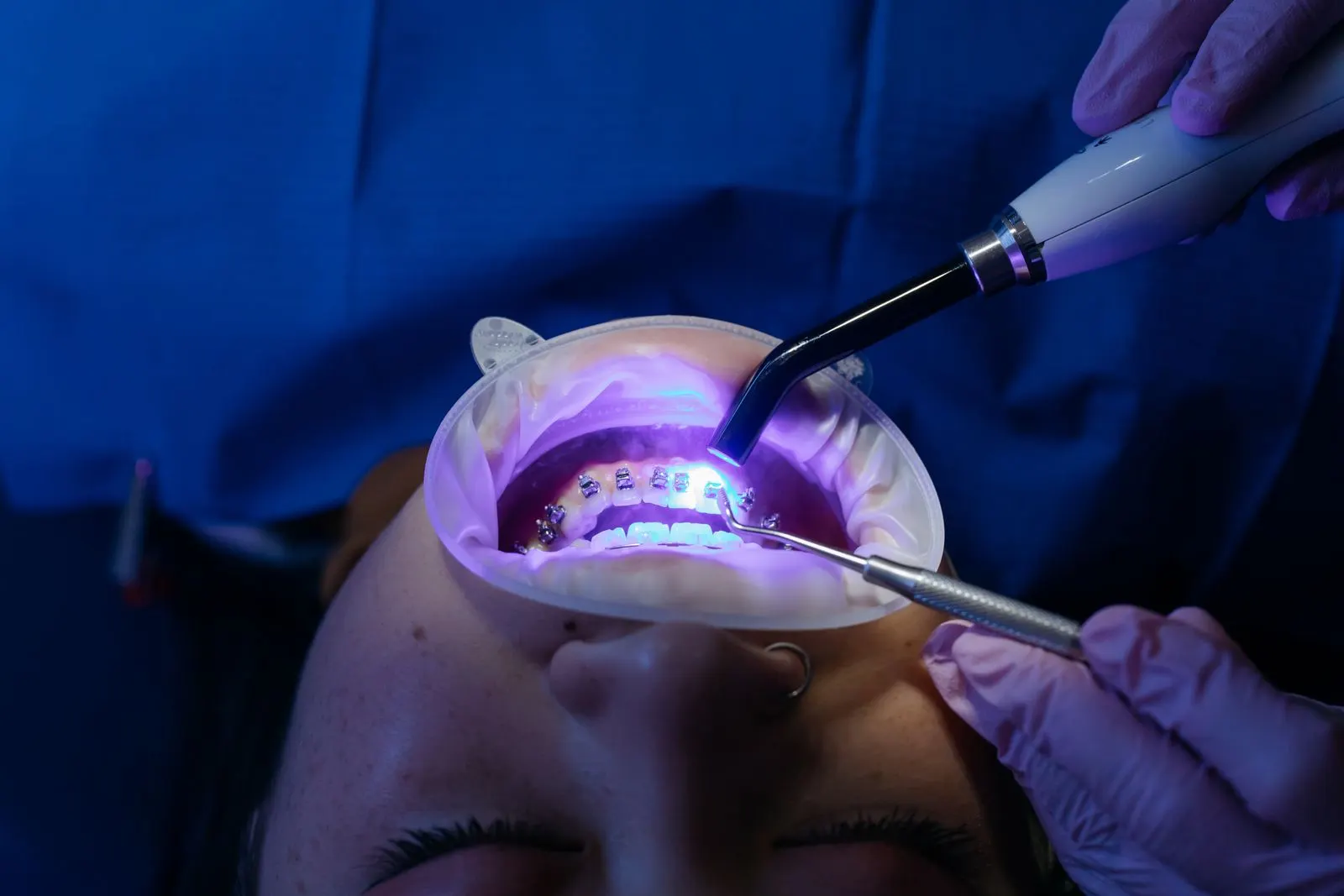
Usually, yes, but the order of steps matters.
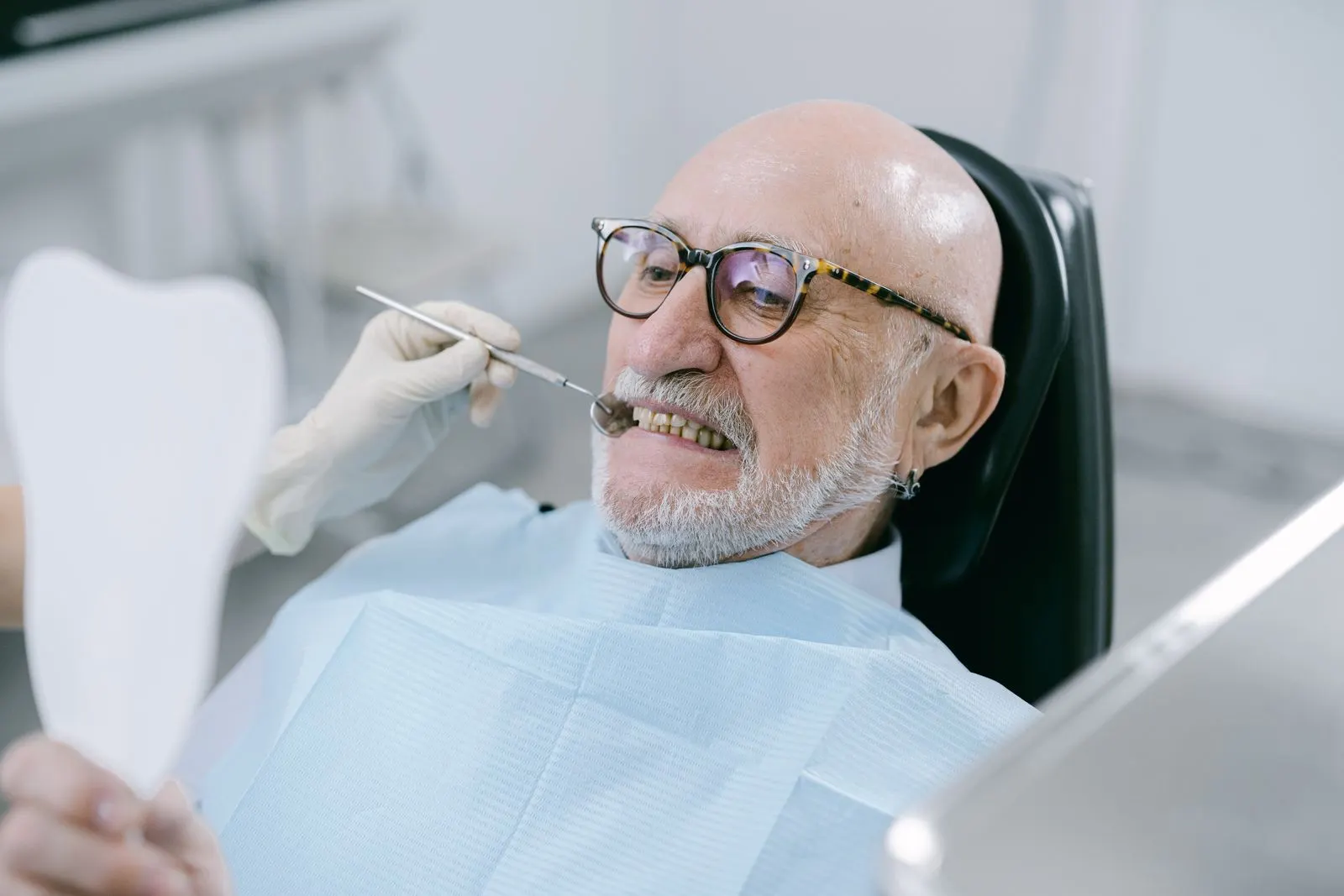
- Examination. A dentist checks the gums, the margins, the bite and whether there is decay under or around the bonding.
- Try the least invasive fix first. Polishing, recontouring and small repairs can solve many problems.
- Decide what needs removing. If the shape or colour is wrong throughout, part or all of the composite may be removed. This should be done slowly with good magnification to protect the enamel underneath.
- Let the gums settle. If the gums are inflamed, they usually need to heal before new work is placed.
- Choose the next step. That may be new, more conservative bonding, porcelain veneers, or simply leaving some teeth natural.
Remember that whitening cannot fix discoloured bonding. The NHS teeth whitening page explains that whitening only lightens natural teeth. If you want whiter teeth, whitening is normally done first and the bonding is matched afterwards.
How to keep composite bonding looking good
Whether your bonding is new or has just been repaired, daily habits decide much of how it ages.
- Clean the edges carefully. Brush twice a day and clean between the teeth with floss or interdental brushes, paying attention to where the bonding meets the gum.
- Limit staining drinks and smoking. Coffee, tea, red wine and tobacco all discolour composite faster than enamel. Rinsing with water afterwards helps a little.
- Do not use teeth as tools. Opening packets, biting thread or nails and chewing ice are common causes of chips.
- Wear a night guard if you grind. Grinding wears and chips the biting edges, and a guard spreads the forces.
- Book regular polishing. Ask your dentist or hygienist to polish the bonding at check-ups so stains are removed before they set in.
- Report problems early. A small chip or rough edge is easy to repair; left alone, it can catch stain and plaque and grow.
The Oral Health Foundation gives the same advice for veneers in general: good daily cleaning and regular dental check-ups help them last longer.

What to do if you are unhappy with your bonding
Feeling self-conscious about treatment you paid for is upsetting, and it is reasonable to want answers. A few practical steps help.
- Go back to the dentist who placed it first. Many problems, such as a rough edge or a high spot on the bite, can be adjusted quickly.
- Ask for your records. Notes, shade information and any images taken before treatment help any dentist who sees you later.
- Get an independent examination if you are not satisfied with the response.
- Avoid home remedies. Filing, scraping or "DIY" kits can damage the enamel underneath.
- Do not rush into a bigger treatment. Moving straight to porcelain veneers or crowns is not always necessary. Our article on what composite bonding is explains its legitimate uses and limits.
Having bonding assessed in Istanbul with Doctor Turka
Our clinic is in Ataköy, Bakırköy, Istanbul. Before you travel, our dentists give you a free written treatment plan that sets out whether existing bonding is likely to need polishing, repair or replacement, which is then confirmed by examination at the clinic. Our dental costs page lists starting prices. You can read how treatment with us works or contact us on WhatsApp or through the contact page.
Want a personal opinion?
Leave your contact details. Our patient coordinator will contact you to discuss your needs and explain the next steps, free and without obligation.
Discuss my options