 Dr. Hatice G
Are veneers permanent? The decision is permanent, but the veneers are not. Conventional porcelain veneers usually require a thin layer of enamel to be removed, and that enamel never grows back, so the tooth will always need a covering. The veneers themselves can chip, debond or wear and will eventually need repair or replacement. That combination is the core disadvantage to weigh.
None of this means veneers are a bad treatment. Clinical studies show that well-placed porcelain veneers can last many years, and for the right patient they solve problems that whitening cannot. If you want to see how we plan the treatment itself, our veneers treatment page explains the clinical steps.
This article is the other half of the story: the disadvantages of veneers that tend to get lost in smile makeover videos, who should think twice, and the less invasive alternatives worth trying first.
Are veneers permanent once fitted?
There are two different questions hidden in "are veneers permanent". The first is whether you can go back to your natural teeth. With conventional veneers the honest answer is usually no. The second is whether one set of veneers lasts for life. Again, usually no.
A 2021 systematic review in the Journal of Clinical Medicine pooled 25 clinical studies with 6,500 porcelain veneers and estimated a 10-year cumulative survival rate of 95.5 per cent. That is a good figure, but it describes ten years, not a lifetime. If you have veneers in your twenties, you should expect at least one round of replacements over the decades that follow.
The Oral Health Foundation describes veneers as a long-term treatment that can chip, crack or come loose, adding that small chips may be repaired but sometimes a new veneer is needed. Treat veneers like a car rather than a tattoo: a long-lasting purchase that needs maintenance and, eventually, renewal.
Do veneers ruin your teeth? The enamel question
Veneers do not ruin teeth when they are planned and prepared carefully, but they do change them permanently. To make room for the veneer and to give it a surface to bond to, the dentist usually trims the front of the tooth.
How much is removed varies. Research summarised in a 2014 review of minimally invasive veneers found that veneer preparations removed roughly 3 to 30 per cent of tooth structure by weight, around one quarter to one half of the reduction needed for a conventional full crown. The same review notes that enamel near the gumline of incisors is only about 0.3 to 0.4 mm thick, which is why careful depth control matters.
Problems start when preparation goes deeper than planned. Bonding to enamel is stronger than bonding to the dentine underneath, and the review cites evidence that preparing veneers into dentine reduces their survival. Exposed dentine can also make teeth more sensitive. This is also where the "shaved down to pegs" images come from: those teeth have usually been prepared for crowns, not veneers. Our guide to veneers vs crowns explains the difference in detail.
The main disadvantages of veneers
Here are the drawbacks that a good dentist should discuss with you before any enamel is touched.
Irreversibility
Once enamel has been removed, the tooth cannot simply be left uncovered if you change your mind. Some minimal-preparation and no-preparation veneers leave the tooth almost intact, but they are only suitable in selected cases and can look bulky if forced onto the wrong teeth.
Replacement cycles
Every veneer has a lifespan. When it is replaced, the old bonding has to be removed and the tooth is often lightly re-prepared, so each cycle can cost a little more tooth structure. For a fuller picture of lifespans, read how long veneers and "Turkey teeth" last.
Chipping, cracking and debonding
In the 2021 review, fracture and debonding were the most common complications, and both tended to happen within the first years after the veneers were cemented. Biting nails, opening packets with your teeth and chewing ice are classic triggers.
Sensitivity
Some people notice sensitivity to hot and cold after preparation. It usually settles, but sensitivity that persists or worsens needs an examination, because it can signal a leaking margin, decay or an irritated nerve.
Colour is fixed
Porcelain does not respond to whitening. The NHS teeth whitening page is clear that whitening can only lighten the colour of natural teeth. If your natural teeth darken over time but your veneers do not, the mismatch can only be fixed by whitening the natural teeth or by replacing veneers.
Cost over a lifetime
The price you pay at the start is only part of the cost. Repairs, replacements, night guards and regular hygiene visits all add up over decades. In the UK, the NHS says veneers are generally only available privately unless there is a clinical need. Our dental costs page sets out our own prices if you want to compare.
Who should think twice about veneers?
Veneers are not suitable for everyone. The groups below are not automatically excluded, but they need a careful examination and an honest conversation first.
- People who grind or clench. Studies included in the 2021 review found higher failure rates in patients with bruxism, and the authors suggest grinding may be a risk factor for ceramic fracture. If veneers go ahead, a night guard worn every night is usually part of the plan.
- People with active gum disease or decay. These need treating and stabilising before any cosmetic work. Placing veneers on inflamed gums can lead to recession and visible margins later.
- People with very little enamel. Heavily worn or eroded teeth may not have enough enamel for reliable bonding, in which case a crown or a different approach may be safer.
- Teenagers and young adults. The earlier you start, the more replacement cycles you face over a lifetime.
- People with only minor concerns. If your teeth are healthy and straight but slightly yellow, veneers are usually overtreatment.
Veneers pros and cons at a glance
| Advantages | Disadvantages | |
|---|---|---|
| Appearance | Can change colour, shape and size in one treatment; porcelain resists staining | Colour is fixed and cannot be whitened later |
| Tooth structure | Usually far less removal than a crown | Enamel removal is irreversible in conventional veneers |
| Durability | Good long-term survival in clinical studies | Can chip, crack or debond; will eventually need replacing |
| Comfort | Most people adapt quickly | Possible sensitivity after preparation |
| Cost | One-off result for multiple concerns | Ongoing cost of maintenance and future replacements |
| Suitability | Works well for discoloured, worn or misshapen teeth | Risky for heavy grinders and unhealthy gums |
Are veneers worth it? When they still make sense
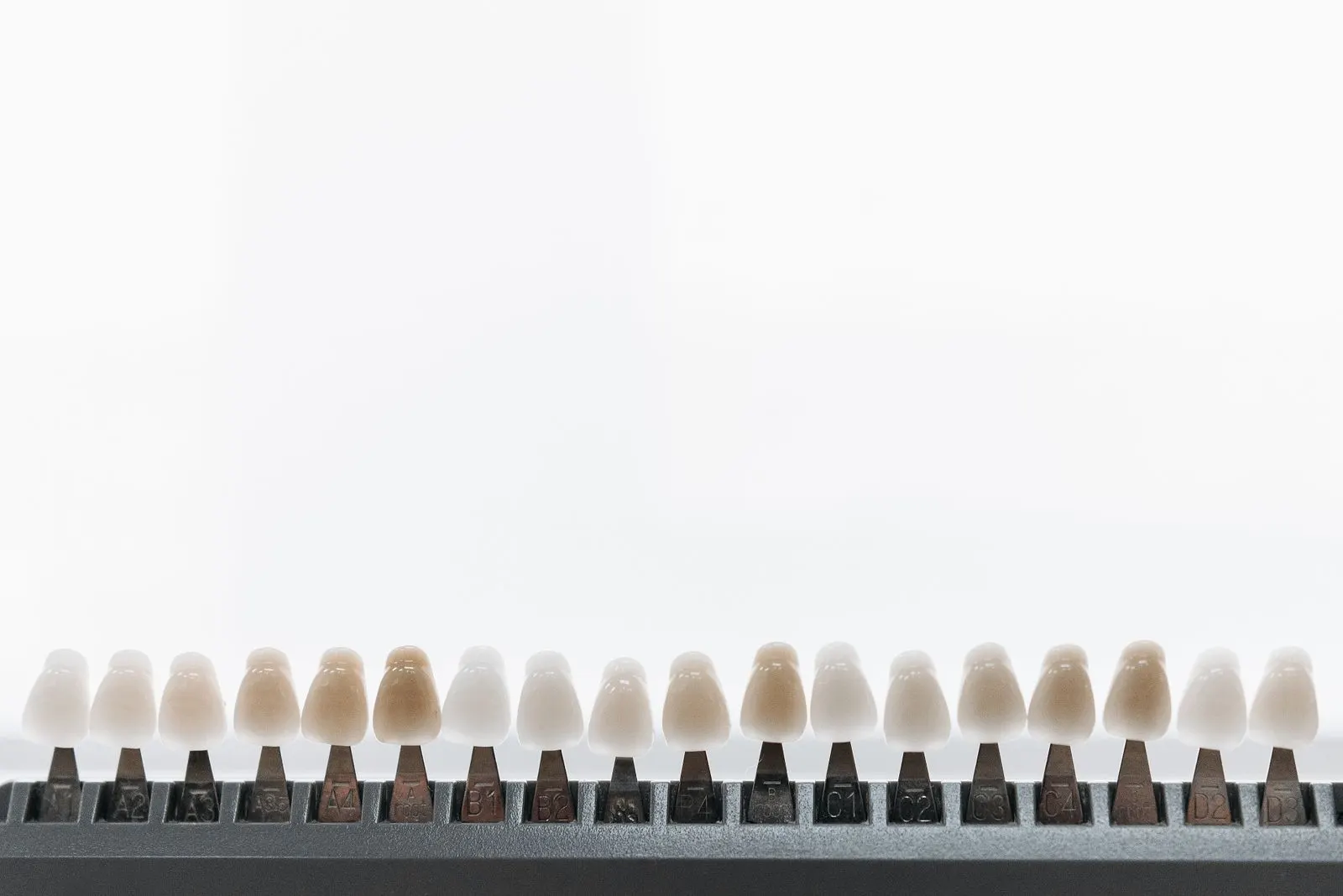
Veneers are often worth it when the problem genuinely needs them. Typical examples are teeth with deep discolouration that whitening cannot shift, worn or chipped edges, teeth of uneven shape or size, and old, stained composite fillings across the front teeth. In these cases veneers can be more conservative than crowns and longer-lasting than composite.
They are harder to justify for healthy, reasonably straight teeth that are only a shade or two darker than you would like. Here the downside of permanent enamel removal outweighs a modest cosmetic gain.
A useful test is to ask your dentist two questions: "What would you do if these were your own teeth?" and "What could we try first that keeps my options open?" A trustworthy answer will include alternatives.
Less invasive alternatives to try first
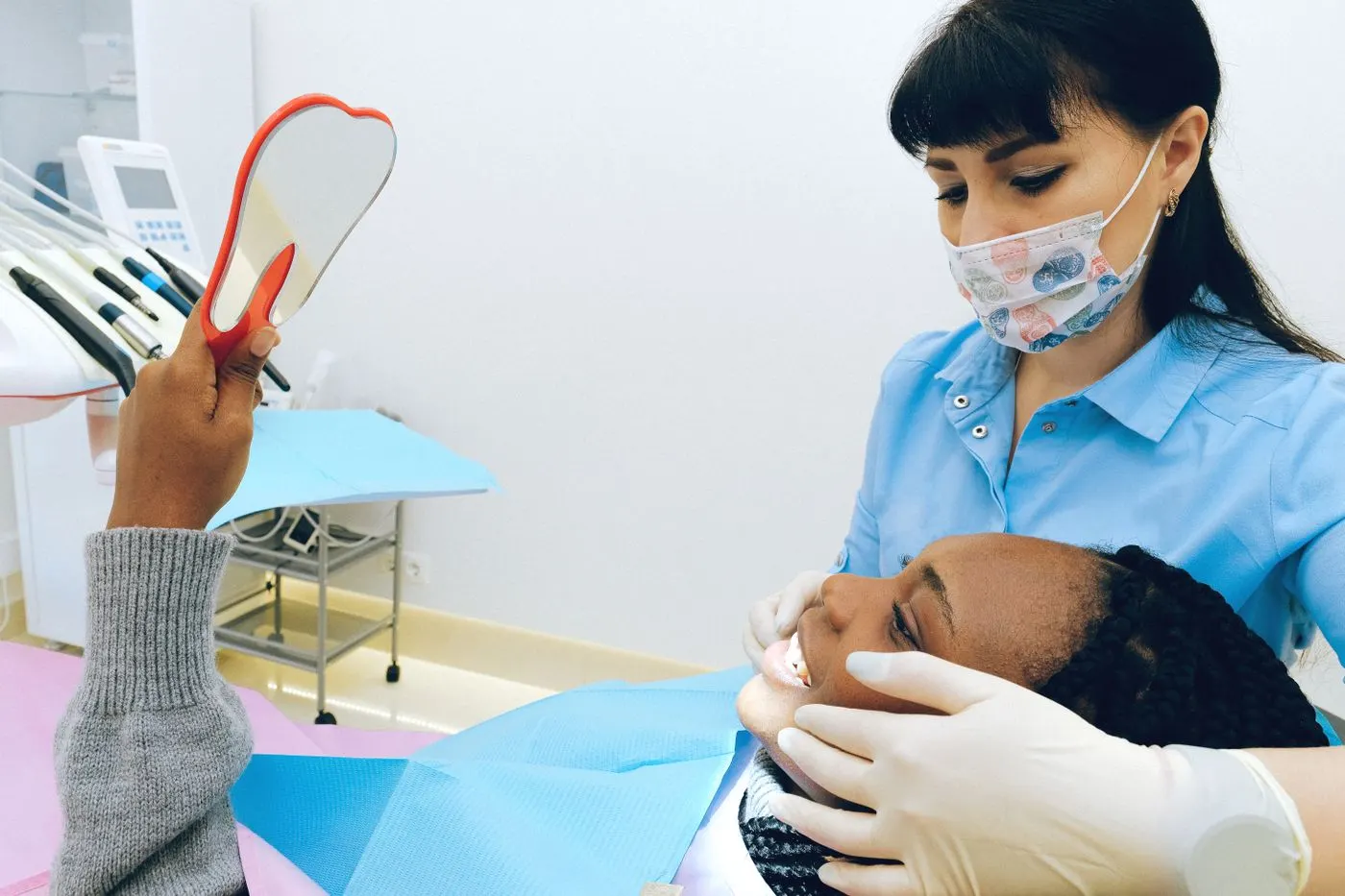
Many people who ask whether veneers are worth it are better served by something reversible or less invasive.
- Professional teeth whitening. If the main concern is colour, whitening is the first step to consider. The NHS notes that results are not permanent, and that following your dentist's advice may keep the effect for around 3 years. See our teeth whitening treatment page for how it works.
- Composite bonding. Tooth-coloured resin can close small gaps or rebuild chipped edges, often with little or no enamel removal. It stains and chips more easily than porcelain, so it needs more maintenance. Our article on what composite bonding is covers the details.
- Clear aligners. If teeth look uneven because they are crowded or rotated, straightening them can solve the problem without changing tooth surfaces, or reduce how much preparation veneers would need later.
- Combined plans. Aligners first, then whitening, then a small number of veneers only where truly needed is often the most tooth-friendly route.
Having veneers in Istanbul with Doctor Turka
Our clinic is in Ataköy, Bakırköy, Istanbul. Before you travel, our dentists prepare a free written treatment plan, and if veneers are not the most sensible option for your teeth, the plan will say so and suggest alternatives. You can read how treatment with us works or contact us on WhatsApp or through the contact page with your questions.
Sources
- Veneers (Oral Health Foundation)
- Dental treatments (NHS)
- Teeth whitening (NHS)
- Long-Term Survival and Complication Rates of Porcelain Laminate Veneers in Clinical Studies: A Systematic Review (J Clin Med, 2021)
- Minimally invasive veneers: current state of the art (Clinical, Cosmetic and Investigational Dentistry, 2014)
Want a personal opinion?
Leave your contact details. Our patient coordinator will contact you to discuss your needs and explain the next steps, free and without obligation.
Discuss my options