 Dr. Hatice G
What is a dental crown? It is a custom-made cap that fits over a damaged tooth and covers it completely above the gumline, restoring its shape, strength and appearance. A crown is cemented in place, so it is fixed rather than removable. Dentists recommend crowns when a tooth is too broken, worn or heavily filled to be repaired reliably with a filling alone.
Crowns are sometimes called caps, and they are one of the most common restorations in dentistry. You can read how we plan and make them on our dental crowns treatment page. This guide explains why crowns are needed, the main types, what happens at each appointment, how long crowns last and how a crown compares with a filling, an onlay or a veneer.
What is a crown made of, and how does it work?
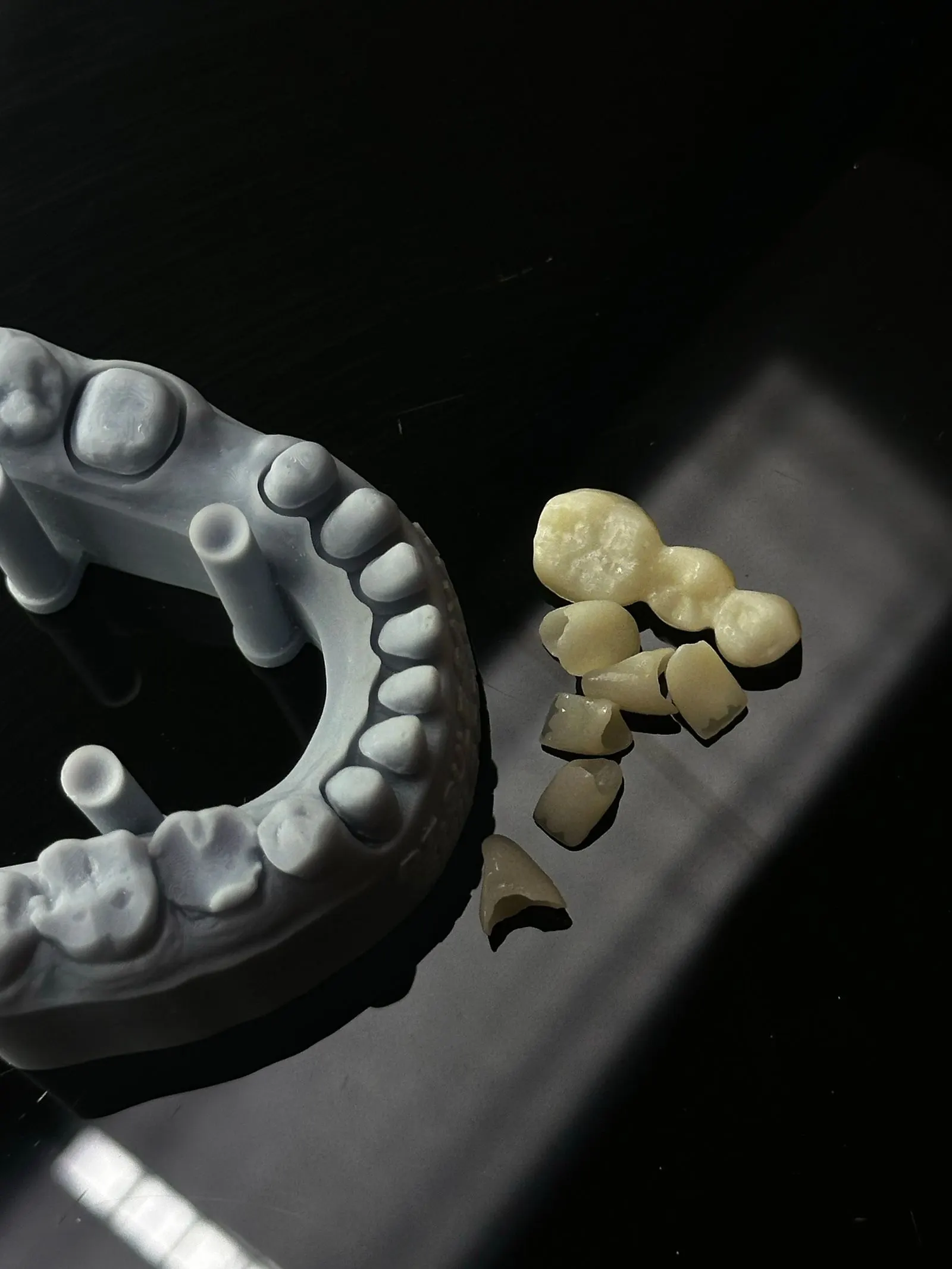
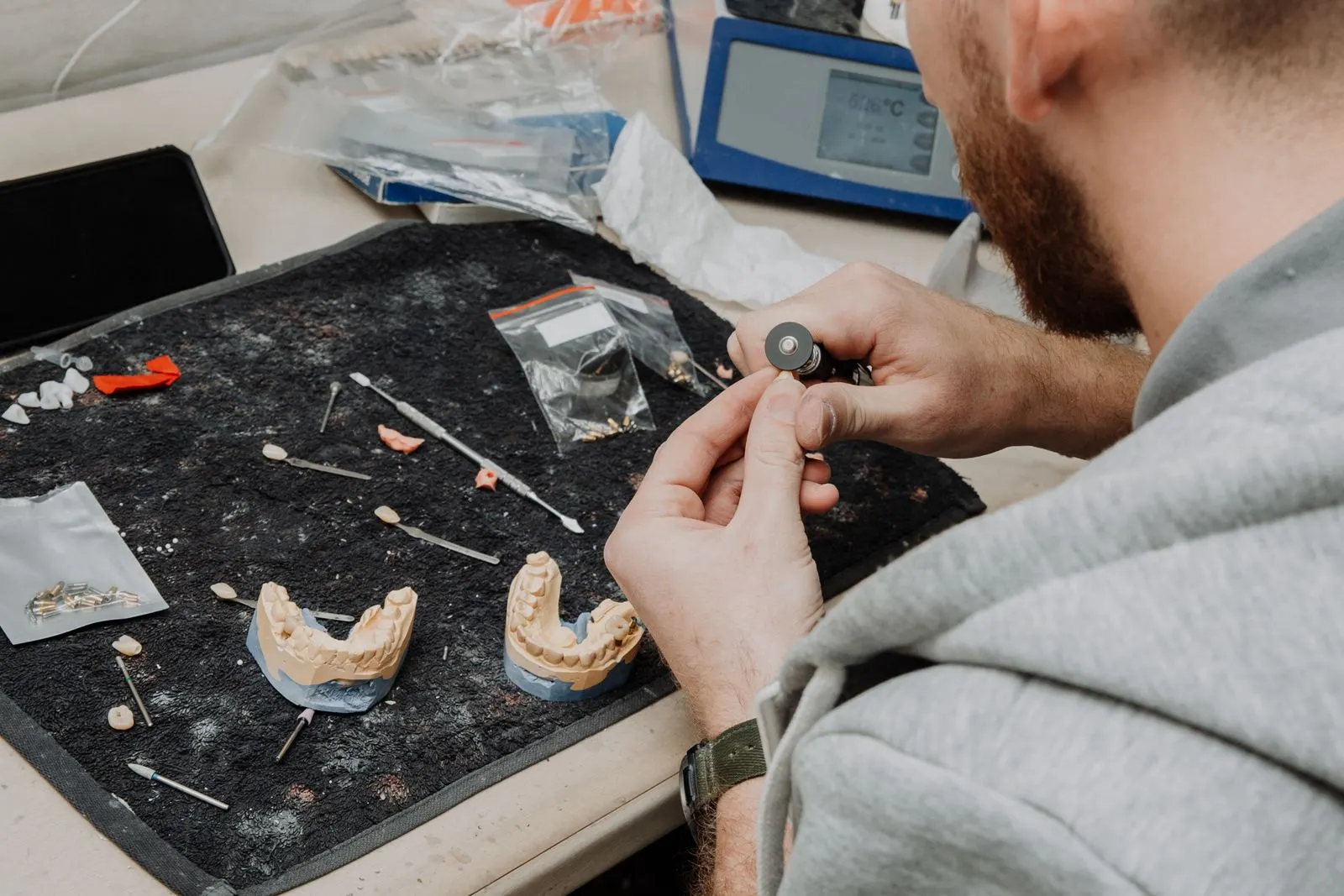
A crown is a thin shell made in a dental laboratory or milled by a computer-guided machine. To make room for it, the dentist removes a layer from all surfaces of the tooth, leaving a smaller, slightly tapered core. The crown slides over that core and is cemented, so it takes the chewing forces that the weakened tooth could no longer handle on its own.
Because the crown covers the whole visible tooth, it also changes how that tooth looks. That is why crowns can correct shape and colour as well as strength. It is also why a crown is a bigger step than a filling: the preparation removes healthy tooth structure that cannot grow back.
Why would you need a dental crown?
According to the Oral Health Foundation and NHS hospital guidance, the most common reasons are:
- a tooth that is badly broken or cracked,
- a large filling that leaves thin, weak walls,
- a tooth that has had root canal treatment and is now more brittle,
- teeth worn down by grinding or erosion,
- a discoloured or unevenly shaped tooth where other options would not work,
- supporting a bridge or helping to hold a denture firmly.
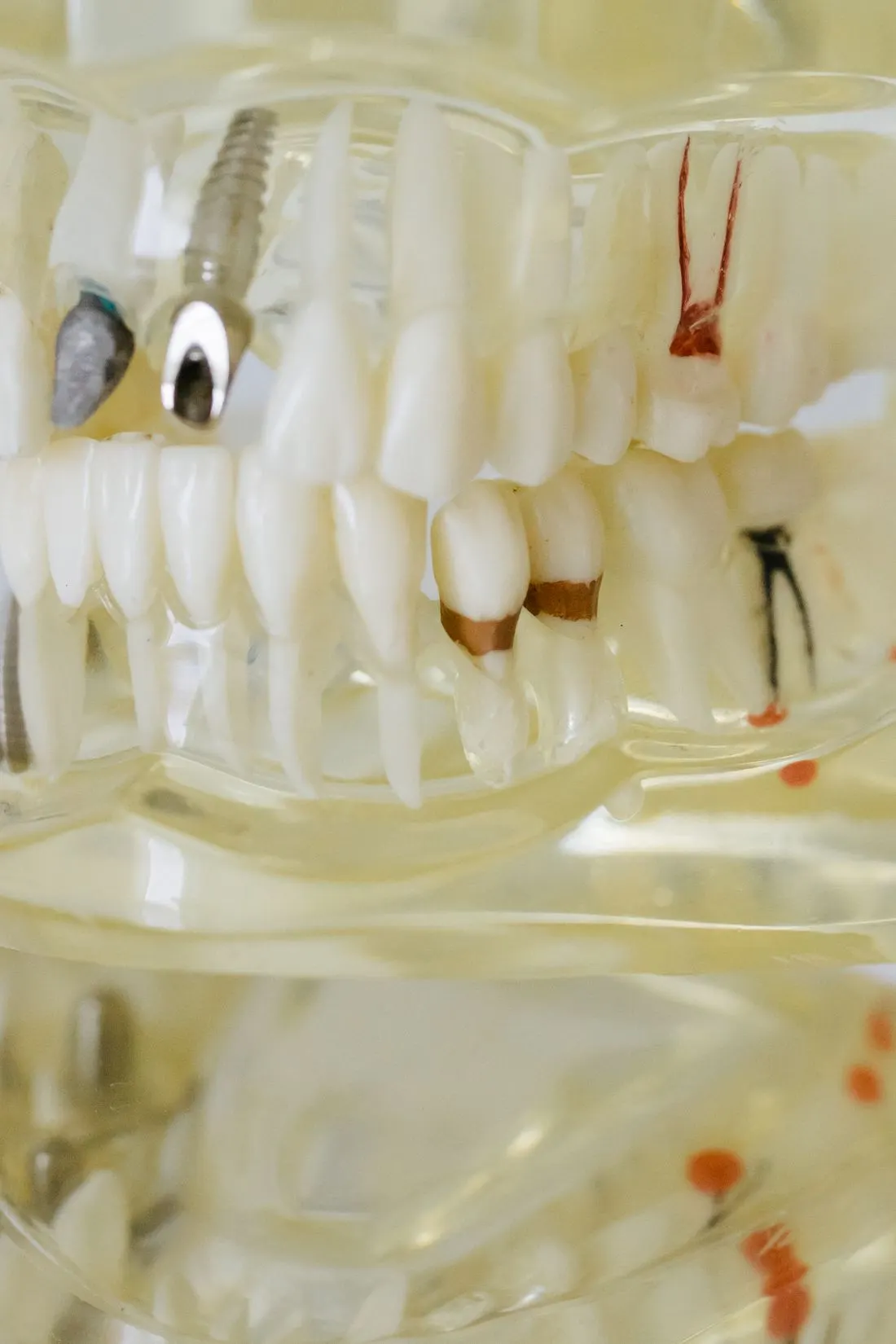
If a tooth is badly broken but its root is still strong, the dentist may first place a small post inside the root and build a core around it, then fit a post crown on top. Teeth that have had root canal treatment are frequent candidates for this.
A crown is not always the right answer. Leeds Teaching Hospitals NHS Trust lists situations where crowns may be unsuitable: poor oral hygiene, a high rate of decay, active gum disease, heavy clenching or grinding, teeth with only small fillings and very young patients. In those cases, the underlying problem usually needs treating first, or a less invasive option is better.
What types of dental crowns are there?
The material affects appearance, strength and how much tooth has to be removed. The main options are:
| Crown type | What it is | Typical use | Points to weigh |
|---|---|---|---|
| Zirconia | Strong, metal-free ceramic, often milled from a single block | Back teeth, bridges, people who grind | Very strong; translucency varies by type of zirconia |
| E.max (lithium disilicate) | Glass ceramic with good translucency | Front teeth and premolars where looks matter most | Very natural appearance; less suitable for very heavy biting forces |
| Porcelain fused to metal (PFM) | Metal base covered with tooth-coloured porcelain | Front or back teeth | Long track record; a grey line can show if the gum recedes |
| Gold or other metal alloy | Cast metal crown | Back teeth that are not visible when smiling | Very durable and needs less reduction; metal colour |
The Oral Health Foundation notes that porcelain bonded to metal is one of the most common types, that gold is very durable and usually used on back teeth, and that modern metal-free ceramics can be strong enough for all areas of the mouth. The NHS lists metal, ceramic and porcelain fused to metal as usual crown materials.
If you are choosing between the tooth-coloured options, our guide to zirconia vs E.max vs porcelain fused to metal crowns compares them in more detail.
The dental crown procedure, step by step
Most crowns need two appointments. Both NHS hospital guidance and the Oral Health Foundation describe the same basic sequence.
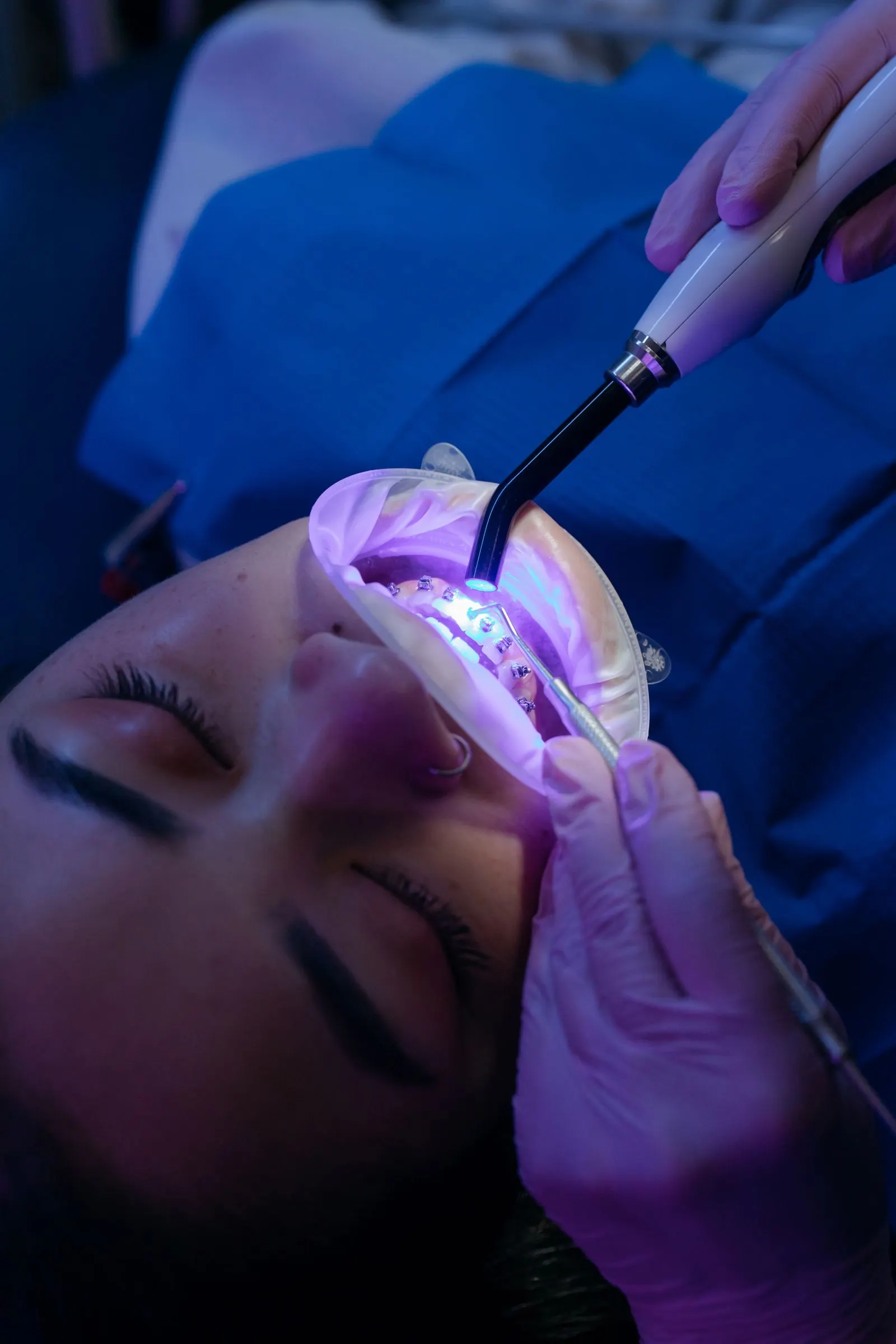
First appointment: preparation
- Examination and X-ray. The dentist checks the root and the surrounding bone. Decay, a failing root filling or gum disease should be treated before a crown is made.
- Local anaesthetic. The tooth and gum are numbed.
- Shaping the tooth. A layer is removed from the biting surface and sides so the crown can fit without being bulky. If too little tooth is left, a core build-up or post is placed first.
- Impression or digital scan. A mould or an intraoral scan records the prepared tooth, the opposing teeth and your bite.
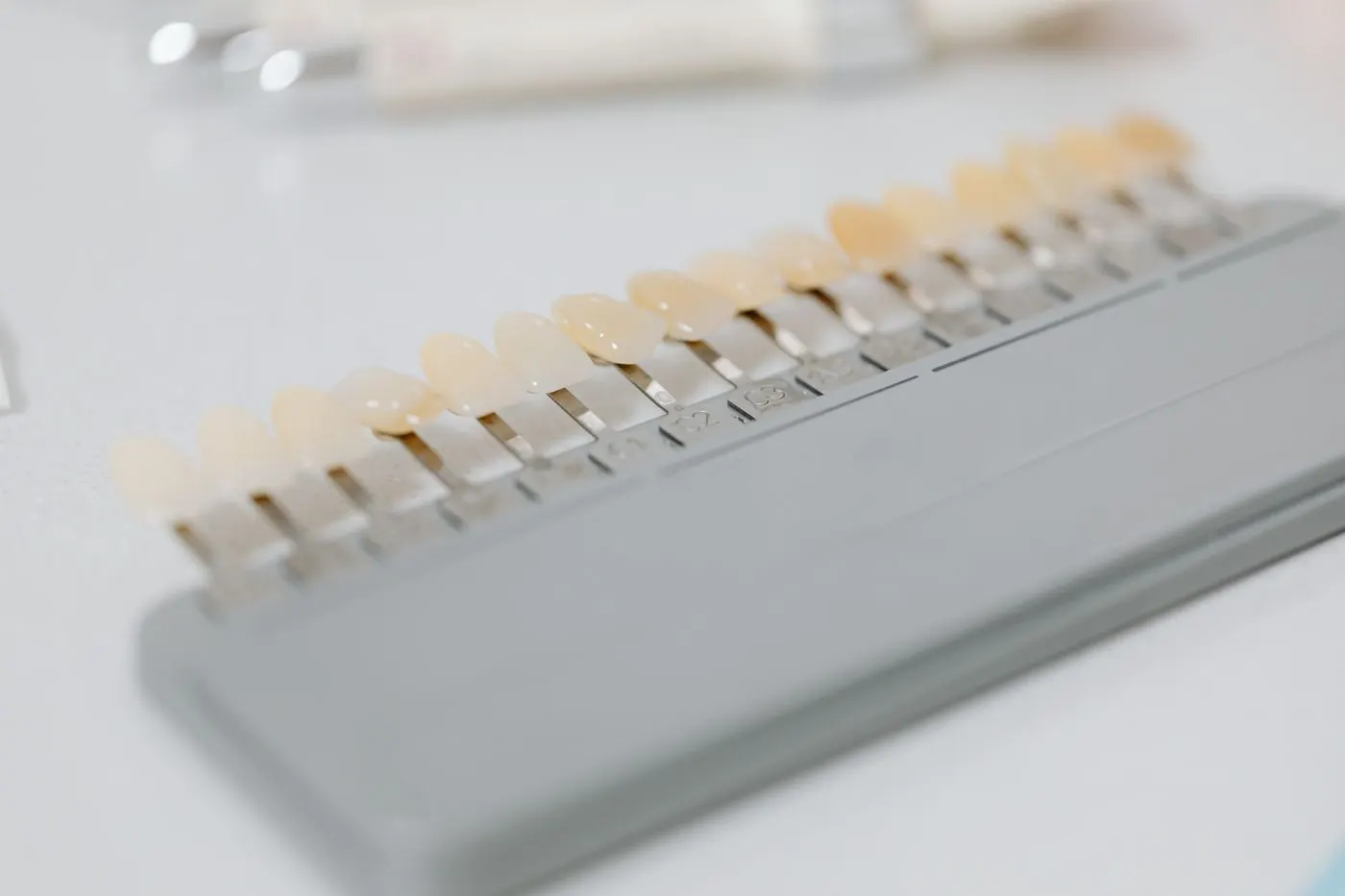
- Shade selection. The colour is matched to neighbouring teeth.
- Temporary crown. A plastic temporary crown protects the tooth while the permanent one is made.
Second appointment: fitting
At the second visit, which Leeds Teaching Hospitals describes as about two weeks later, the temporary crown is removed. The dentist checks the fit at the margins, the contact with neighbouring teeth, the colour and the bite, makes small adjustments and then cements the crown permanently.
Can a crown be done faster?
Yes, in some cases. The Oral Health Foundation notes that some ceramic crowns can be designed by computer and made and fitted on the same day. Where a laboratory is on site or nearby, the time between the two visits can also be shortened to a few days. Speed should never come at the expense of fit: a well-sealed margin and a correct bite matter more than the number of days.
How long do crowns last?
There is no fixed lifespan, but evidence gives a useful picture. Leeds Teaching Hospitals NHS Trust says a crown or veneer should normally last around 8 to 10 years with proper care, and many crowns last longer.
Research looks at crowns over shorter periods. A systematic review by Sailer and colleagues in Dental Materials (2015) estimated that about 95 per cent of metal-ceramic single crowns were still in place after five years, with similar results for lithium disilicate crowns. Zirconia crowns in that review had a slightly lower estimate, around 92 per cent, mainly because of technical problems such as chipping of the veneering porcelain and loss of retention. Many of those studies looked at older layered designs, so the figures do not describe every modern zirconia crown.
What matters most for your crown:
- Cleaning at the margin. Plaque at the edge of the crown can cause new decay and gum inflammation.
- Bite forces. Grinding and clenching put strain on any material; a night guard may be advised.
- The tooth underneath. A crown on a healthy, well-supported tooth tends to last longer than one on a tooth with little structure left.
- Check-ups. Small problems at the margin are easier to fix early.
Why do crowns fail?
Crowns rarely fail without warning. The usual reasons are:
- Decay under the crown, often at the margin where cleaning is difficult.
- Loss of retention, when the cement washes out or there is too little tooth for the crown to grip.
- Chipping or fracture of the ceramic, especially with heavy biting or grinding.
- Gum problems around the crown, including recession that exposes the margin.
- Nerve problems. Shaping a living tooth can irritate the nerve, and some crowned teeth later need root canal treatment.
Warning signs include a crown that feels loose, a bad taste or smell around it, pain on biting, swelling, or a dark line at the gumline. These need a dental examination rather than a wait-and-see approach.
Crown vs filling vs onlay vs veneer: which is right?
A crown is one option among several. The guiding principle is to keep as much healthy tooth as possible while still giving the tooth enough strength.
| Restoration | What it covers | Tooth removed | Usually chosen when |
|---|---|---|---|
| Filling | Fills a cavity inside the tooth | Least | The cavity is small or medium and the walls are strong |
| Inlay or onlay | Replaces part of the tooth, including one or more cusps (onlay) | Moderate | A large cavity or broken cusp, but sound walls remain |
| Crown | The whole visible tooth | Most | The tooth is badly broken, root-treated or heavily filled |
| Veneer | The front surface of a front tooth | Little to moderate | The problem is mainly cosmetic and the tooth is strong |
The difference in tooth removal can be large. An article in Scottish Dental magazine cites laboratory research in which a classic all-ceramic crown preparation on an upper molar removed 72.3 per cent of the tooth structure, while an onlay preparation removed 39 per cent. That is why many dentists now consider an inlay or onlay before a full crown on back teeth when the remaining walls allow it.
For front teeth, the choice is often between a crown and a veneer. We explain the trade-offs in veneers vs crowns. On the NHS, crowns, inlays and onlays all fall under Band 3 treatment, while veneers are generally private unless there is a clinical need.
How to look after a crown
Caring for a crown is much the same as caring for natural teeth, with extra attention at the gumline:
- Brush for two minutes, last thing at night and once during the day, with fluoride toothpaste.
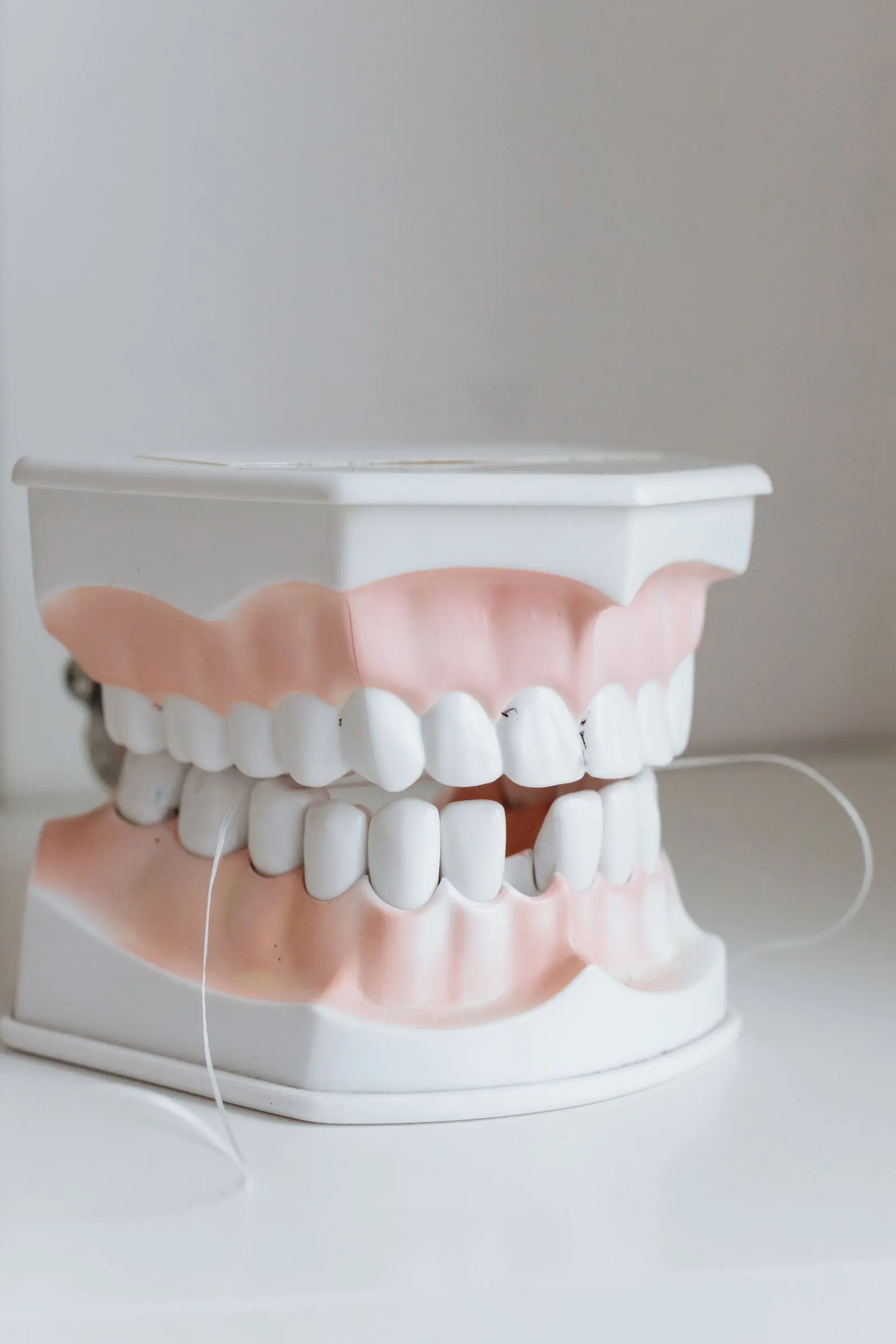
- Clean between the teeth once a day with floss or interdental brushes.
- Avoid biting very hard objects such as ice, pens or bottle tops.
- Keep sugary snacks and drinks to mealtimes.
- Ask about a night guard if you grind your teeth.
- Keep regular check-ups so the margins and gums can be examined.
While you have a temporary crown, avoid sticky and very hard foods on that side, and contact your dentist if it comes off.
Having a crown made in Istanbul
Our dentists in Ataköy, Bakırköy, examine the tooth, take X-rays and explain whether a filling, onlay or crown is the more conservative choice before any preparation starts. You receive a free treatment plan in writing before you travel, and prices for each crown type are listed on our dental costs page. You can read how treatment with us works or contact us on WhatsApp or through the contact page with your questions.
Sources
- Crowns (Leeds Teaching Hospitals NHS Trust)
- What Are Dental Crowns? (Oral Health Foundation)
- Dental treatments (NHS)
- How much NHS dental treatment costs (NHS)
- Sailer et al. (2015) All-ceramic or metal-ceramic tooth-supported FDPs? Part I: Single crowns, Dental Materials
- Ceramic onlays: indications and adhesive principles (Scottish Dental magazine)
Want a personal opinion?
Leave your contact details. Our patient coordinator will contact you to discuss your needs and explain the next steps, free and without obligation.
Discuss my options