 Dr. Hatice G
Few celebrities have been as open about cosmetic dentistry as Cardi B. Before her breakthrough, the Bronx-born rapper talked on social media about saving up to fix her teeth. She later referenced the work in her 2017 hit Bodak Yellow, and in interviews she has described how her new smile changed the way she felt in front of a camera.
Her New York cosmetic dentist has said publicly that the result was created with porcelain veneers, and a figure of around $12,500 has been widely reported for the set. This article uses her story as a starting point to explain what porcelain veneers are, how they are made, how long they last, who they suit and who they do not, and how the same kind of result is planned responsibly in Istanbul.
Cardi B's teeth before and after: what the photos show
Early photos from her reality television days show front teeth that were slightly uneven in length, with small gaps and a shade that looked darker under studio lighting. Nothing dramatic, but the kind of irregularity a camera exaggerates.
The after photos show straighter edges, closed gaps, a brighter but not blinding colour and teeth that still suit her face. That last point matters. A good veneer case changes proportion, colour and symmetry while keeping the smile recognisable. Miley Cyrus's veneers transformation follows the same principle. A poor one replaces a face's natural smile with a generic row of white blocks.
What she has said about her veneers
Cardi B has told her story in several interviews and posts. The recurring points, paraphrased, are:
- She was self-conscious about her teeth before fame and felt they held her back on camera.
- She paid for the veneers herself once she started earning money from her career.
- She sees the work as a practical investment rather than vanity, and has joked about it in her lyrics.
Beyond the reported cost and the fact that porcelain veneers were used, the exact number of teeth and the materials have not been published in detail. Estimates based on photos typically suggest the upper front teeth visible in a broad smile.
Porcelain veneers explained
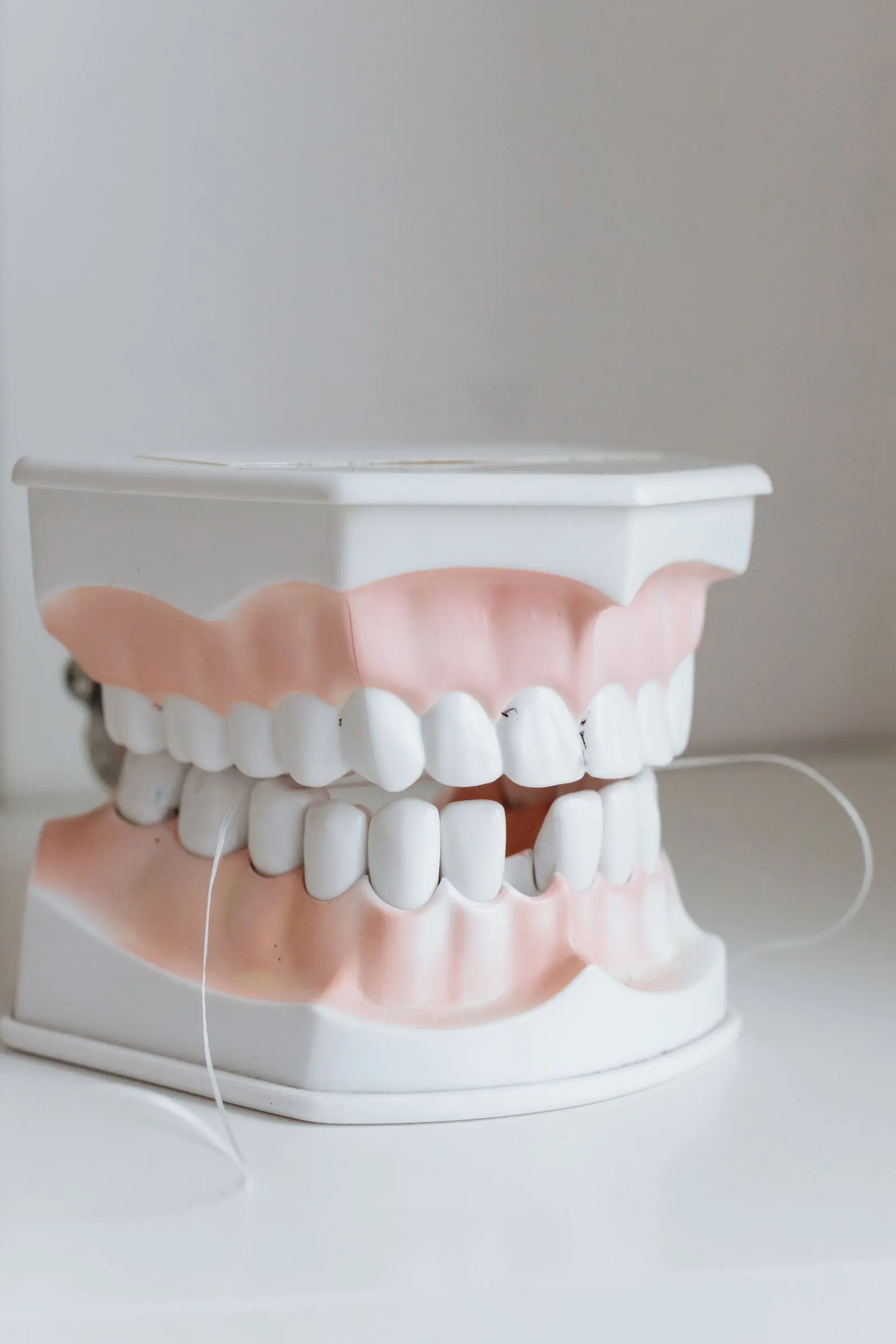
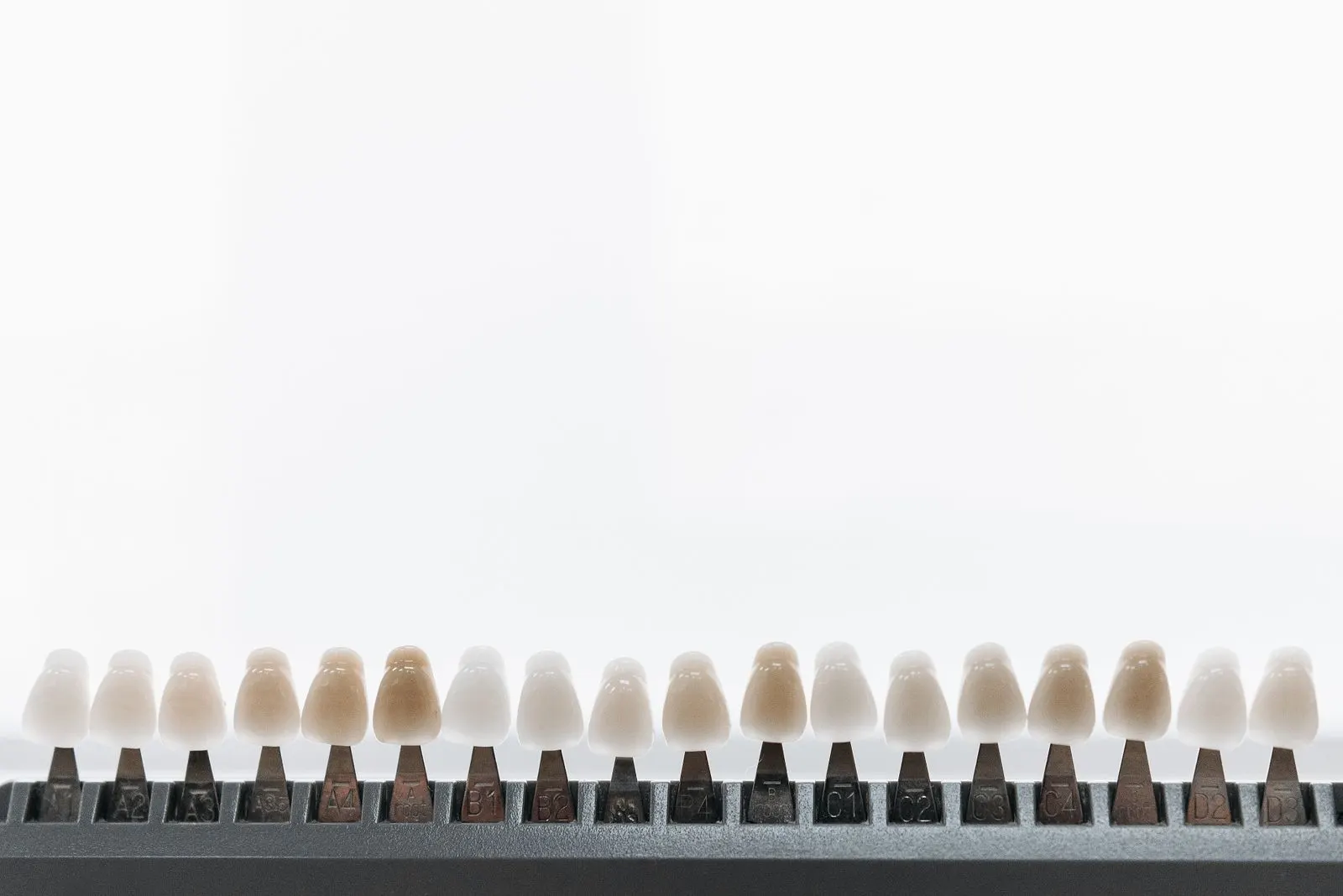
A veneer is a thin shell of ceramic bonded to the front surface of a tooth. It changes colour, shape, length and small alignment issues without covering the whole tooth like a crown. Several materials are used:
| Material | Thickness | Strength | Look | Typical use |
|---|---|---|---|---|
| Lithium disilicate (E.max) | 0.3-0.7 mm | High for a glass ceramic | Very natural, translucent edges | Most modern porcelain veneer cases |
| Feldspathic porcelain | 0.3-0.5 mm | Lower, more fragile | Excellent, hand-layered | Highly aesthetic front teeth cases |
| Zirconia (layered or monolithic) | 0.5-1 mm | Very high | Slightly more opaque | Dark teeth, heavy biters, some crowns |
| Composite resin | 0.5-1 mm | Moderate | Good, but stains and wears | Budget or reversible option, see composite veneers |
Porcelain bonds to enamel extremely well. That is why veneers work best when there is healthy enamel left to bond to, and why keeping preparation minimal is not just about conservation but also about how long the veneers stay on.
Who veneers suit, and who they do not
Veneers are a good option when:
- teeth are healthy but discoloured in a way whitening cannot fix (for example tetracycline staining or old fillings)
- there are small gaps, chips or uneven edges
- teeth are worn short and you want length restored
- alignment is only mildly irregular
Veneers are not the right first step when:
- teeth are clearly crowded or rotated; clear aligners first usually give a better, thinner result
- there is active decay or gum disease; this must be treated first
- you grind heavily and do not want to wear a night guard
- your teeth are already a good shape and you only want them whiter; teeth whitening may be enough
- you are under about 18, when the gum line and teeth are still changing
A good dentist will tell you when you need fewer veneers, or none at all.
Veneers compared with the main alternatives
| Treatment | Reversible? | Enamel removed | What it fixes | Typical lifespan |
|---|---|---|---|---|
| Professional whitening | Yes | None | Colour only | Months to a few years, top-ups needed |
| Composite bonding | Largely | None to minimal | Chips, small gaps, edges | 4-8 years, needs polishing |
| Clear aligners | Yes | None | Crowding, rotation, spacing | Permanent with retainers |
| Porcelain veneers | No | 0.3-0.7 mm | Colour, shape, length, small gaps | 10-15+ years |
| Crowns | No | 1-2 mm all around | Broken, heavily filled or root-treated teeth | 10-15+ years |
The further down the table you go, the more tooth is committed. That is why the order of the questions matters: can whitening do it, can bonding do it, do the teeth need moving first, and only then, which teeth need veneers. For damaged teeth that really need full coverage, see dental crowns.
How porcelain veneers are made, step by step
The process below is how a well-run porcelain veneer case usually works, whether in New York, London or Istanbul.
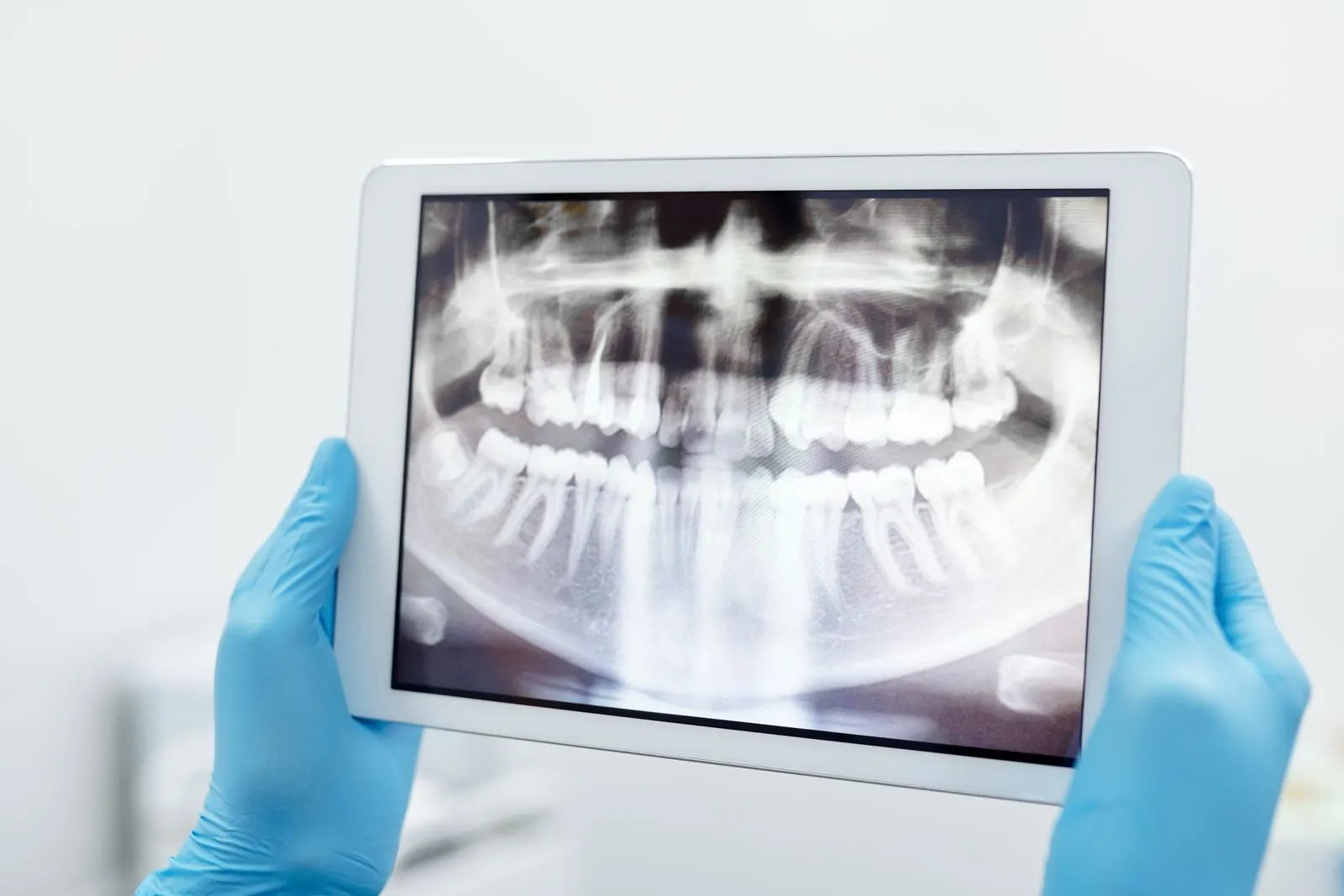
- Examination and records. The dentist checks gums, existing fillings and bite, and takes X-rays or a CBCT scan and a digital scan of the teeth.
- Smile design. Photos and scans are used to plan the length, width and shape of each tooth in relation to the lips and face. This is where the character of the smile is decided.
- Mock-up. The design is transferred into the mouth with a temporary resin template so you can see and feel the new smile before any tooth is touched.
- Preparation. Under local anaesthetic, 0.3-0.7 mm of enamel is removed from the front surface where needed. In some cases almost no preparation is necessary.
- Temporaries. You wear temporary veneers for a few days while the lab makes the ceramic. This is your test drive for speech, bite and appearance.
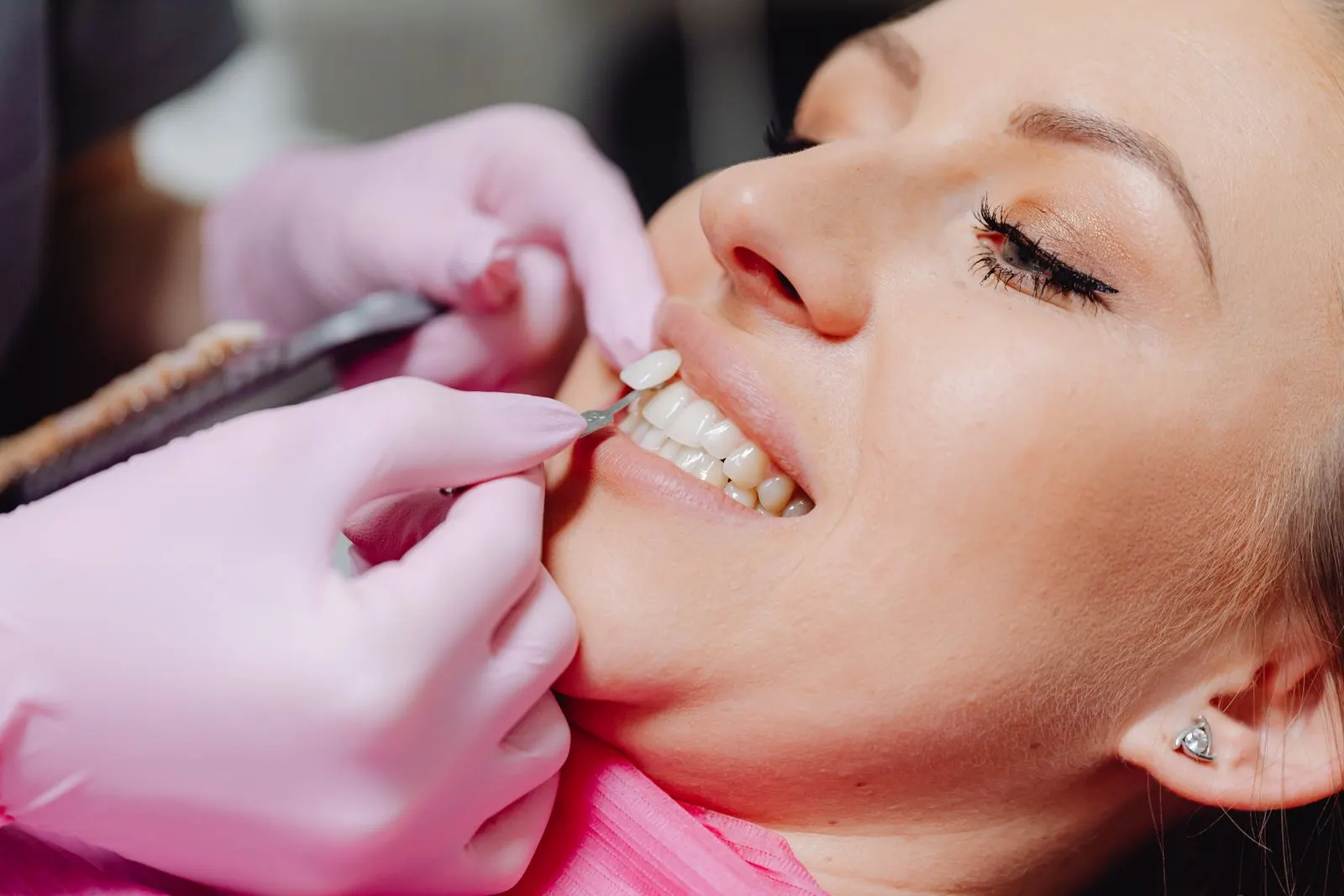
- Try-in and bonding. The final veneers are tried in with a coloured paste, approved, then bonded with resin cement under isolation, cleaned and polished.
- Bite check and review. The bite is adjusted, and a night guard is made if you grind.
In Istanbul, this sequence usually fits into one trip of about 5-7 days.
How many veneers do you need?
Social media often shows 20 veneers as the standard. It is not. The number depends on how many teeth show when you smile broadly.
- 6 veneers: the front teeth from canine to canine; enough for many people with a narrow smile.
- 8-10 veneers: includes the premolars; common for broader smiles like most celebrities'.
- 16-20 veneers: upper and lower arches; for people with wide smiles who also show the lower teeth, or where colour must match throughout.
Often the best approach is veneers on the upper teeth and whitening on the lower teeth. Fewer veneers means less preparation and less to maintain.

Lifespan, maintenance and risks
Studies of well-made porcelain veneers report survival rates of roughly 90 % or more at 10 years, and many last 15 years or longer. The main reasons they fail are debonding, chipping from grinding or biting hard objects, and decay or gum recession at the edges.
To keep them:
- brush twice a day with a non-abrasive toothpaste and clean between the teeth daily
- keep regular hygiene appointments every 6 months
- wear a night guard if you grind
- avoid opening packets or biting nails with your teeth
Risks include short-term sensitivity after preparation, a small chance of nerve irritation if preparation is deep, and the fact that prepared teeth will always need a veneer. That irreversibility is the most important thing to understand before starting.
Why her result looks natural, and how Turkey teeth happen
What makes Cardi B's veneers look natural is restraint in three places: the shade is bright but not paper-white, the shape follows her face, and the thickness is not bulky. The Turkey teeth images that circulate online usually show the opposite: very white, opaque crowns on teeth that have been ground down to pegs, with thick edges that make lips bulge.
That problem is not about a country. It is about choosing crowns where veneers would do, skipping the mock-up and rushing a full mouth in a few days. Read more in Turkey teeth: what it means and how to avoid it.
Planning a similar smile in Istanbul
The process at Doctor Turka is designed around a single, well-planned trip:
- You leave your contact details and your personal coordinator, who speaks English and German, calls or writes to understand what you would like to change.
- On day 1 in Istanbul a dentist examines you, takes a 3D CBCT scan and discusses options: whitening, bonding, veneers or a combination.
- You receive a written, itemised plan with the number of veneers, the material and the quote.
- You see a mock-up before any preparation, then wear temporaries while the ceramic is made.
- The final veneers are bonded and checked, usually 5-7 days after arrival.
Hotel nights and airport-hotel-clinic transfers are included in the packages. More detail on the porcelain veneers page and on how it works.
What to ask a clinic before booking veneers
- How many veneers do I need, and why that number?
- How much enamel will be removed on each tooth?
- Will I see and approve a mock-up before preparation?
- Which ceramic will be used, E.max or zirconia, and why for my case?
- Are these veneers or full crowns? Ask this directly.
- What does the written guarantee cover, and who do I contact after I get home?
What Cardi B's makeover would cost today
Commonly quoted private fees for porcelain veneers are:
| Country | Per porcelain veneer | Typical set of 10 |
|---|---|---|
| United States | $1,000-2,500 | $10,000-25,000 |
| United Kingdom | £600-1,200 | £6,000-12,000 |
| Ireland | €700-1,200 | €7,000-12,000 |
| Turkey | Priced per tooth, a fraction of UK fees | See our costs page |
The reported $12,500 for Cardi B sits squarely in the normal US range, which is a useful reminder that a good celebrity result does not need an extraordinary budget. Our current starting prices for E.max and zirconia veneers are on the costs page.
The takeaway
Cardi B's smile is a good advertisement for cosmetic dentistry done with restraint: brighter, more even and still her. If you want a similar result, start with the question of how few veneers you need, insist on a mock-up and make sure you are getting veneers rather than crowns.
Doctor Turka has not treated the person named in this article. Details about their dental work come from public interviews and media reports; we comment only on what the treatments involve in general.
Sources
- Cardi B's Teeth Transformation Did Not Come Cheap (Distractify, 2020): reports the around $12,500 figure and names her New York cosmetic dentist, citing an AspireTV interview.
- How long do veneers last? (Colgate UK): typical lifespan of porcelain and composite veneers.
Want a personal opinion?
Leave your contact details. Our patient coordinator will contact you to discuss your needs and explain the next steps, free and without obligation.
Discuss my options