 Dr. Hatice G
Put a photo from the early Hannah Montana years next to one from the Bangerz era and even people who never think about teeth notice the change. Miley Cyrus’s teeth look straighter, brighter and more even, and her smile shows noticeably less gum. It is one of the most searched celebrity smile transformations, and it is a useful one, because it shows that a good result depends on two things: the teeth and the frame around them.
This article uses her smile as a starting point and then explains the dentistry in detail: what porcelain veneers are, how much tooth is removed, what gum contouring involves, how long it all lasts, and how the same work would be planned responsibly in Istanbul.
What changed in Miley Cyrus’s smile
Everything here comes from public photos and widely reported media coverage. Cyrus has not published a treatment plan, and we did not treat her.
- Teen years (roughly 2006 to 2008): photos show natural teeth with mild irregularity, slightly uneven edges and a shade typical of untreated enamel. Many photos also show a fairly broad band of gum above the upper teeth when she smiles widely.
- Around 2009 to 2010: entertainment media widely reported that she had porcelain veneers on her upper front teeth. Shape, alignment and colour change at the same time in photos, which is the typical signature of veneers rather than orthodontics or whitening alone.
- *From the Bangerz era onwards:* the front teeth appear slightly longer, with a more even gum line. Cosmetic dentists commenting on photos have suggested that some gum contouring may also have been done. This has not been confirmed by her, so treat it as an informed guess.
The finished look is bright but not flat: longer central incisors, slightly shorter lateral incisors and some translucency at the edges. That proportion is what makes veneers look like teeth rather than a row of tiles.
Porcelain veneers: what they are and how much tooth is removed
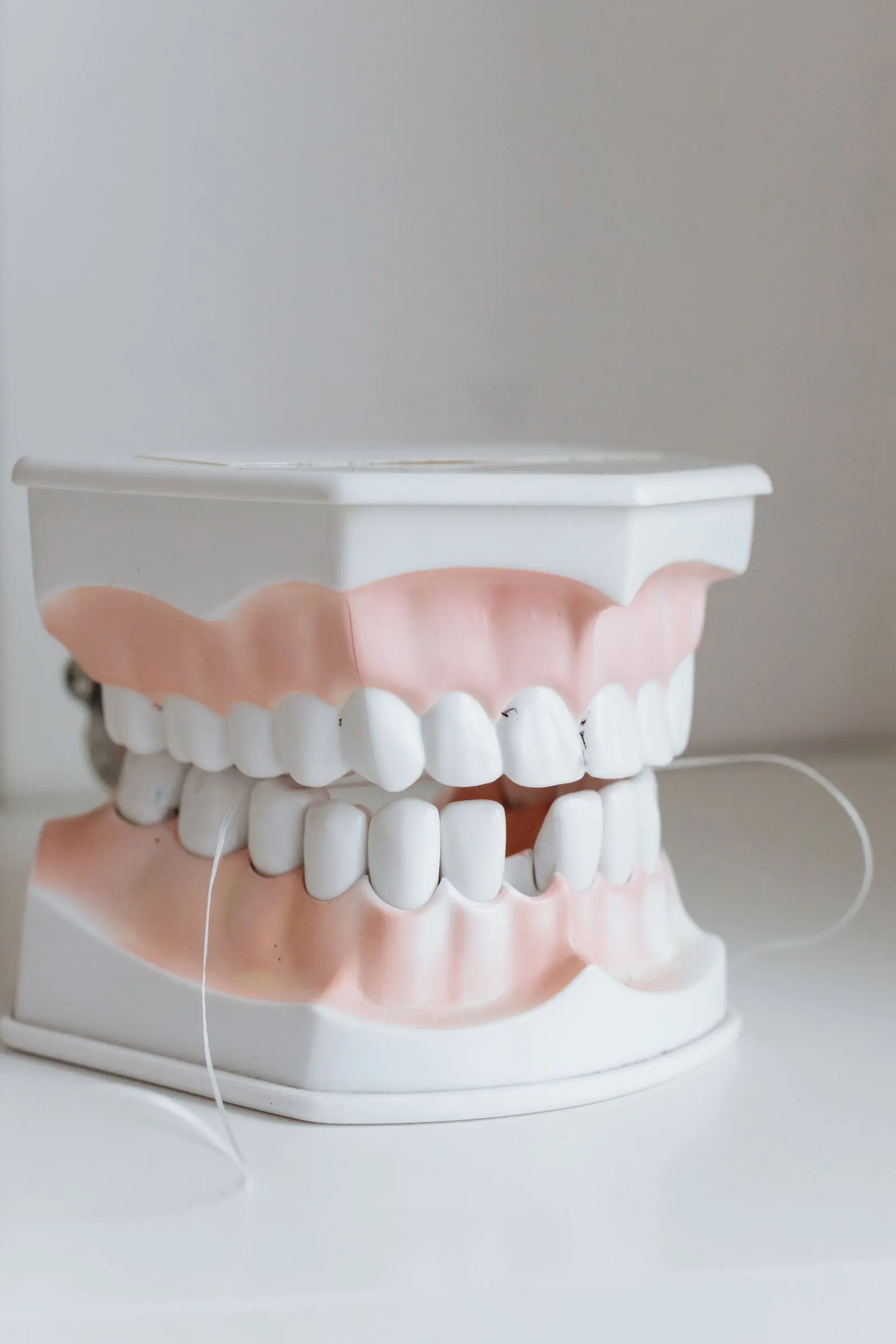
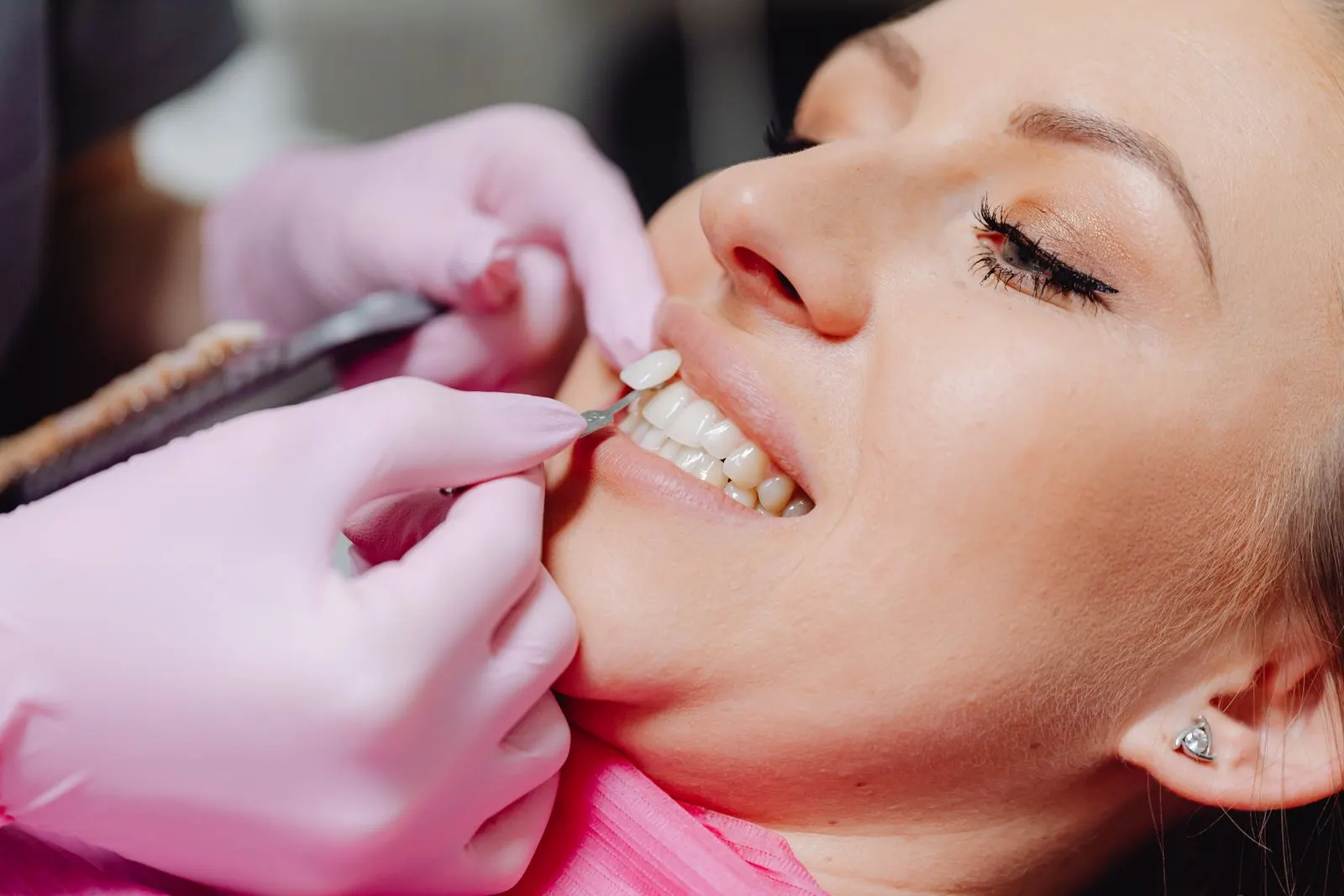
A veneer is a thin shell of ceramic bonded to the front surface of a tooth. It changes colour, shape, length and the apparent position of the tooth, within limits.
Materials
- Lithium disilicate (E.max, Ivoclar): the most common veneer ceramic today. Pressed or milled, typically 0.3 to 0.8 mm thick, strong for its thickness and very natural in translucency.
- Feldspathic porcelain: layered by hand, can be extremely thin and lifelike, but more fragile and more technique-sensitive.
- Composite resin: built up directly on the tooth or made in a lab. Cheaper and reversible, but stains and chips more easily. See our page on composite veneers.
Preparation in millimetres
For a conventional porcelain veneer the dentist removes roughly 0.3 to 0.7 mm of enamel from the front surface, and often 1 to 1.5 mm at the biting edge if the veneer wraps over it. Enamel on an upper front tooth is roughly 0.8 to 1.2 mm thick near the edge and thinner near the gum, so a careful preparation stays mostly in enamel, which is what the bonding needs to last.
Studies estimate that a veneer preparation removes a small fraction of the tooth, while a full crown removes well over half of the visible tooth structure. This is why veneers are the conservative choice when the tooth is healthy, and why the difference matters so much (more in our guide to Turkey teeth).
The gum line: why the frame matters as much as the teeth
A “gummy smile” usually means more than about 3 to 4 mm of gum shows above the upper teeth in a full smile. It has several possible causes, and they need different solutions:
- Altered passive eruption: the gum never fully moved back after the teeth erupted, so the teeth look short and square. This is the case where gum contouring works best.
- Excess vertical growth of the upper jaw: the whole jaw sits lower. Gum surgery helps little here; the real fix is jaw surgery, which few people choose for cosmetic reasons.
- Hypermobile upper lip: the lip lifts higher than average. Muscle relaxant injections or a lip repositioning procedure are the usual options.
Gingivectomy versus crown lengthening
- Gingivectomy (gum contouring): only soft tissue is reshaped with a laser or scalpel. Under local anaesthetic, usually 30 to 60 minutes for the front teeth, and the gum settles in about 1 to 2 weeks.
- Aesthetic crown lengthening: gum and a small amount of bone are reshaped. It is needed when the bone sits too close to the new gum line. The gum and bone need a stable, healthy attachment of roughly 2 to 3 mm, and if it is violated the gum becomes chronically inflamed around the veneer edges. Healing before final veneers typically takes 6 to 12 weeks.
The order matters: the gum line is corrected first, and the veneer edges are placed to the new, healed position. If this is skipped, the gum may later recede or swell and expose the veneer margins.
Smile design: proportion, shade and translucency
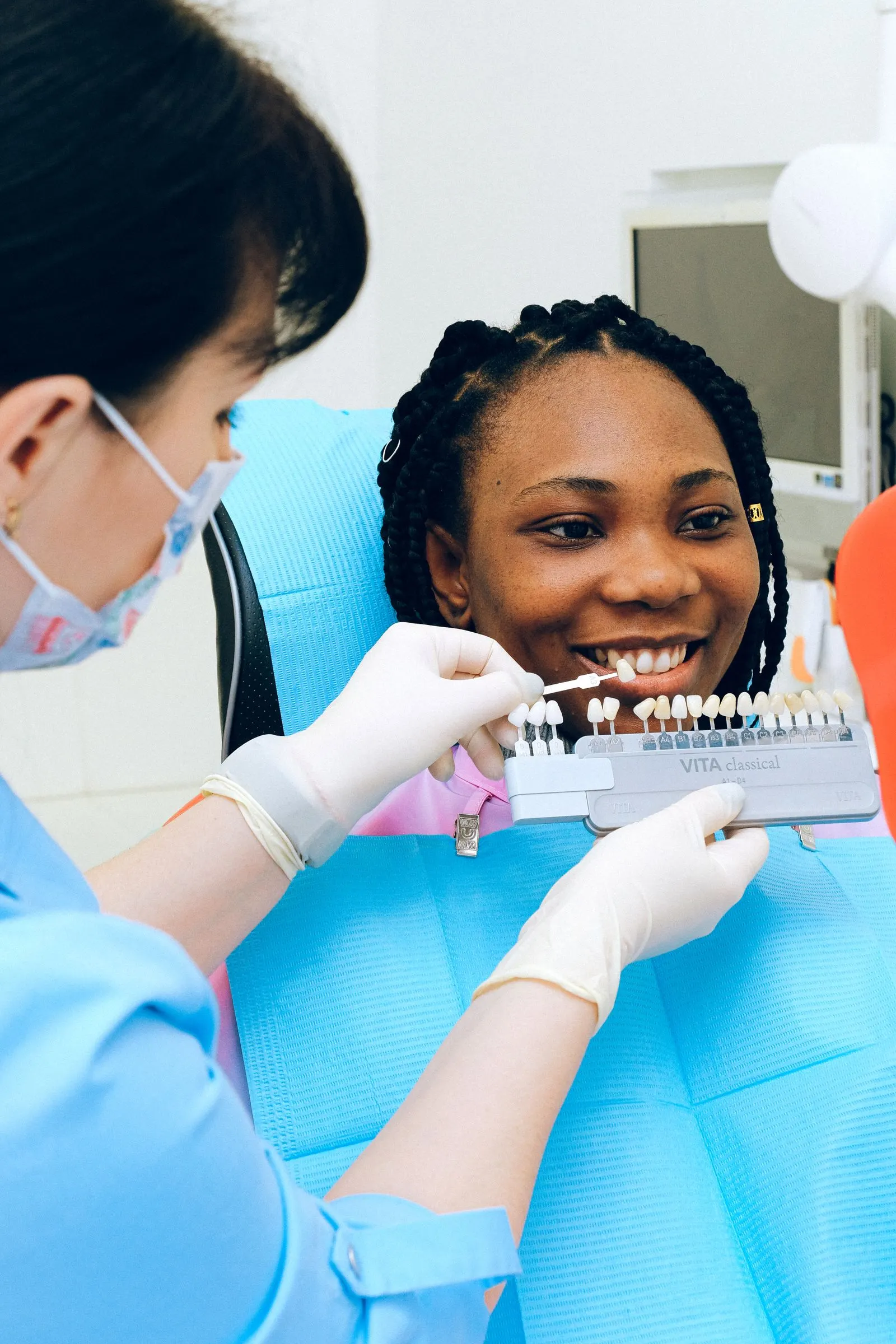
Many disappointing results are white and straight but still look artificial. The difference is in design:
| Design element | What a natural result usually looks like | What makes veneers look fake |
|---|---|---|
| Central incisor proportion | Width about 75 to 80 % of length | Square or overly long teeth |
| Tooth-to-tooth progression | Laterals slightly shorter and narrower than centrals | All teeth the same size |
| Gum line | Symmetrical, centrals and canines level, laterals slightly lower | Uneven or ignored gum heights |
| Shade | One or two steps brighter than natural, with gradient | Flat bleach white on every tooth |
| Edges | Some translucency, subtle texture | Opaque, perfectly smooth edges |
| Lip line | Upper edges follow the curve of the lower lip | Straight, flat edge line |
A good plan starts with a digital smile design and a mock-up: a temporary resin copy of the planned teeth placed over your own teeth so you can see and approve it before anything is prepared.
Veneers compared with the alternatives
| Option | Tooth removal | Typical lifespan | Best for | Main limitation |
|---|---|---|---|---|
| Professional whitening | None | Months to a few years | Colour only | No change in shape |
| Clear aligners | None (minor enamel polishing possible) | Permanent with retainers | Crowding, gaps | Colour and shape stay the same |
| Composite bonding or veneers | None to minimal | About 4 to 8 years | Small corrections, young patients | Staining, chipping |
| Porcelain (E.max) veneers | About 0.3 to 0.7 mm | Often 10 to 20 years | Colour, shape, mild misalignment | Irreversible, needs healthy enamel |
| Full crowns | About 1 to 2 mm all round | 10 to 15 years or more | Broken, heavily filled or root-treated teeth | Much more tooth removed |
If your teeth are healthy and mainly crooked, clear aligners first and a few veneers afterwards often give a better long-term result than veneers alone.
How it would be planned in Istanbul, step by step
The process at Doctor Turka starts with a conversation, not a sales pitch: you leave your contact details, a patient coordinator who speaks English and German calls or writes, a dentist assesses your case, and you receive a written, itemised plan. Details are on how it works.
| Day | What happens |
|---|---|
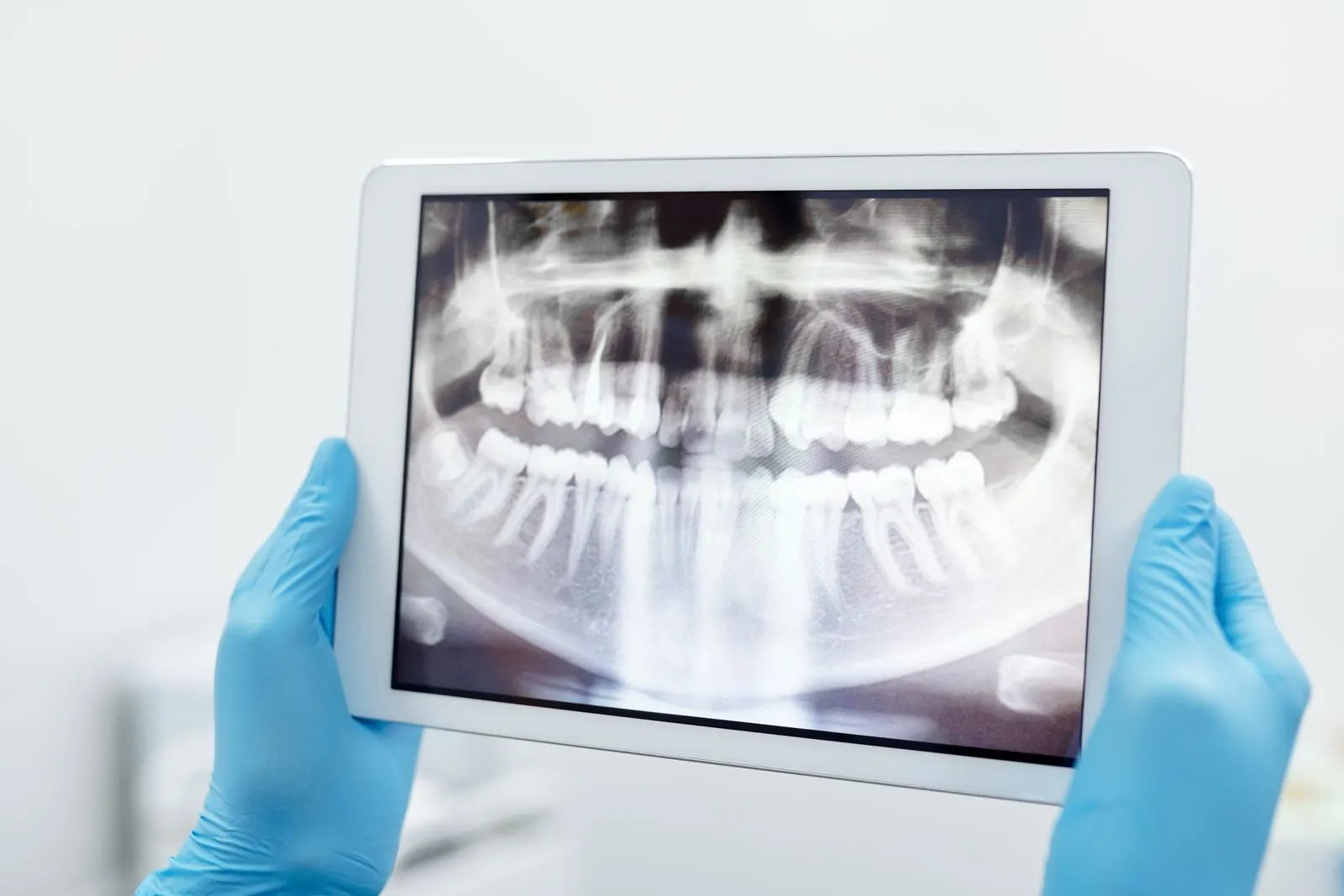
| Day 1 | Examination, X-rays and 3D CBCT scan in the clinic, photos, digital smile design, mock-up |
| Day 2 | Gum contouring if planned (soft tissue only), preparation, digital scan, temporaries |
| Days 3 to 5 | Veneers are made; you wear temporaries and can judge the shape |
| Day 5 or 6 | Try-in: shade, length and fit are checked; adjustments if needed |
| Day 6 or 7 | Final bonding, bite check, polish, written aftercare and guarantee terms |
With minor gum contouring this fits into one trip of about 5 to 7 days. If bone needs reshaping (crown lengthening), plan two trips: the gum and bone work first, then veneers after roughly 6 to 12 weeks of healing.

Lifespan, maintenance and risks
Studies of porcelain veneers typically report survival above 90 % at 10 years, and many last longer. What affects that:
- Grinding and clenching: the main enemy of veneers. A night guard is strongly advised if you grind.
- Bonding to enamel: veneers bonded mostly to enamel perform better than those bonded to exposed dentine.
- Gum health: daily flossing or interdental brushes around the margins, and a hygiene visit every 6 months.
- Habits: do not bite nails, pens or open packaging with your front teeth.
Honest risks include sensitivity for a few days after preparation, a veneer debonding or chipping, margins becoming visible if the gum recedes, and the fact that the treatment is irreversible. Every veneer will one day need replacing, and each replacement removes a little more tooth.
Who should not get veneers (and what to do instead)
- Teenagers and young adults with healthy teeth and only mild issues: whitening, bonding or aligners first.
- Heavy grinders who will not wear a night guard.
- Active gum disease or untreated decay: these must be treated first, see gum treatment.
- Severe crowding or bite problems: orthodontics first.
- Anyone who wants the whitest possible shade on every tooth: the result will look artificial; discuss a more natural shade.
What to ask a clinic, and red flags
Questions worth asking any clinic, in Turkey or at home:
- Is each tooth getting a veneer or a crown, and why?
- How much enamel will be removed, and will I see a mock-up before any preparation?
- Is my gum line part of the plan? If gum contouring is suggested, is it soft tissue only or bone as well?
- Which ceramic and which lab, and who is my treating dentist?
- What does the written guarantee cover once I am home?
Red flags: a quote for “20 teeth” before anyone has examined you, no mock-up, crowns proposed on healthy teeth, pressure to decide on the day, and nobody willing to name the treating dentist. Our porcelain veneers and Hollywood smile pages explain how we plan each case.
Budget: what veneers commonly cost at home
Veneers are not covered by the NHS for cosmetic reasons, and German statutory health insurance does not pay for them either. Commonly quoted private fees for a single porcelain veneer are roughly £600 to £1,200 in the UK, about €700 to €1,500 in Germany, and often $1,000 to $2,500 in the US. Gum contouring is charged separately. Our starting prices are on the costs page, and your quote is itemised tooth by tooth.
Lessons from Miley Cyrus’s smile
- The frame matters. Correcting the gum line can change a smile as much as new teeth.
- Proportion beats whiteness. Teeth of different lengths and a natural gradient look expensive; identical white blocks look fake.
- Sequence is everything. Gums first, then teeth; orthodontics before veneers where needed.
- Minimal is better. The less enamel removed, the more options you keep for the future.
Doctor Turka has not treated the person named in this article. Details about their dental work come from public interviews and media reports; we comment only on what the treatments involve in general.
Want a personal opinion?
Leave your contact details. Our patient coordinator will contact you to discuss your needs and explain the next steps, free and without obligation.
Discuss my options