 Dr. Hatice G
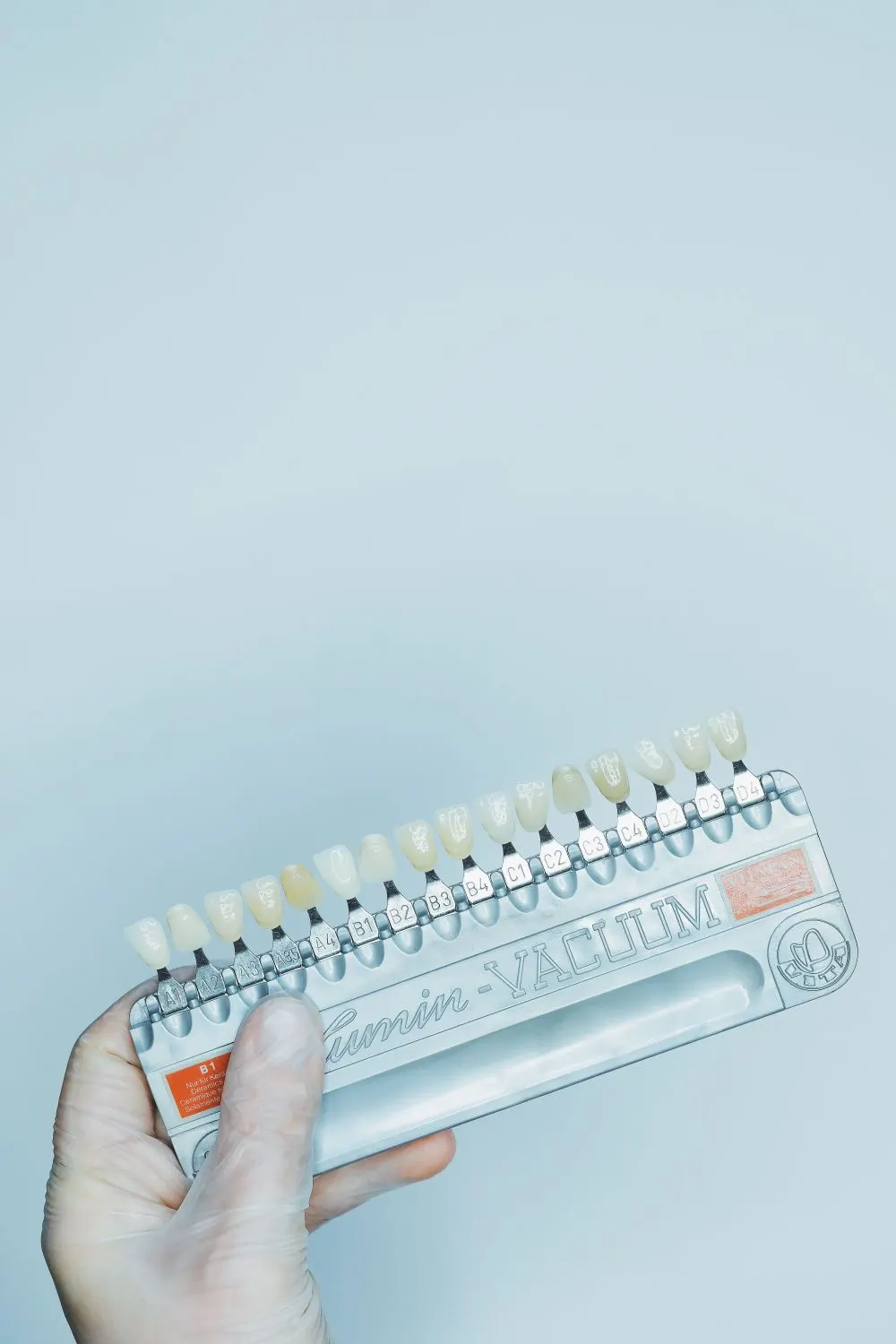
Teeth whitening cost in the UK depends on the method and the practice, and the NHS does not cover it. A Dentistry magazine fees survey found an average of £272 for dentist-prescribed home whitening, while a 2026 consumer guide lists home trays at around £200 to £400 and in-practice whitening from about £200 up to £1,000.
Those figures are a starting point, not a quote. Private dental fees in the UK are set by each practice, so prices vary by region, by method and by what is included. This guide explains the main options, what a fair fee should cover and the legal limits that keep whitening safe. For how we approach it clinically, see our teeth whitening treatment page.
Is teeth whitening available on the NHS?
No. The NHS states that teeth whitening is not available on the NHS and that you have to pay for it as a private patient at a dental surgery. It is regarded as cosmetic treatment.
What the NHS can cover is the groundwork. Whitening should only be carried out on healthy teeth and gums, and the NHS says it is not done for people with unhealthy teeth or gums. If you need fillings or gum treatment first, those can be provided under the normal NHS band charges, with the whitening itself charged privately.
Teeth whitening cost UK: prices by method
There is no official UK price list for whitening, so the figures below come from two published sources. The Dentistry magazine survey is older (published in 2016) but based on dentists' own fees. The Dentaly guide was updated in March 2026, but it does not explain how its prices were collected and the site earns affiliate commissions, so treat it as indicative only.
| Method | What you get | Indicative UK price | Source |
|---|---|---|---|
| Dentist-prescribed home trays | Examination, impressions, custom trays and gel for home use | Average £272; regional averages £230 to £333 | Dentistry.co.uk fees survey (2016) |
| Dentist-prescribed home trays | As above | Around £200 to £400 | Dentaly (updated 2026) |
| In-practice LED or laser whitening | One or more sessions in the chair | Roughly £200 to £1,000; laser £500 to £1,000 | Dentaly (updated 2026) |
| Combined in-practice and home trays | Chair session plus a home course | Around £400 to £750 | Dentaly (updated 2026) |
| Over-the-counter kits | Strips, paint-on gels, generic trays | From around £20 | Dentaly (updated 2026) |
In the 2016 survey, London and south east England had the highest average for home whitening at £333, and north west England the lowest at £230. Regional differences of this kind are typical of private dentistry generally.
The Oral Health Foundation confirms the pattern: prices vary by practice and region, laser or power whitening costs more than professional bleaching with trays, and you should get a written estimate before treatment starts.
Home trays or in-practice whitening: which is better value?
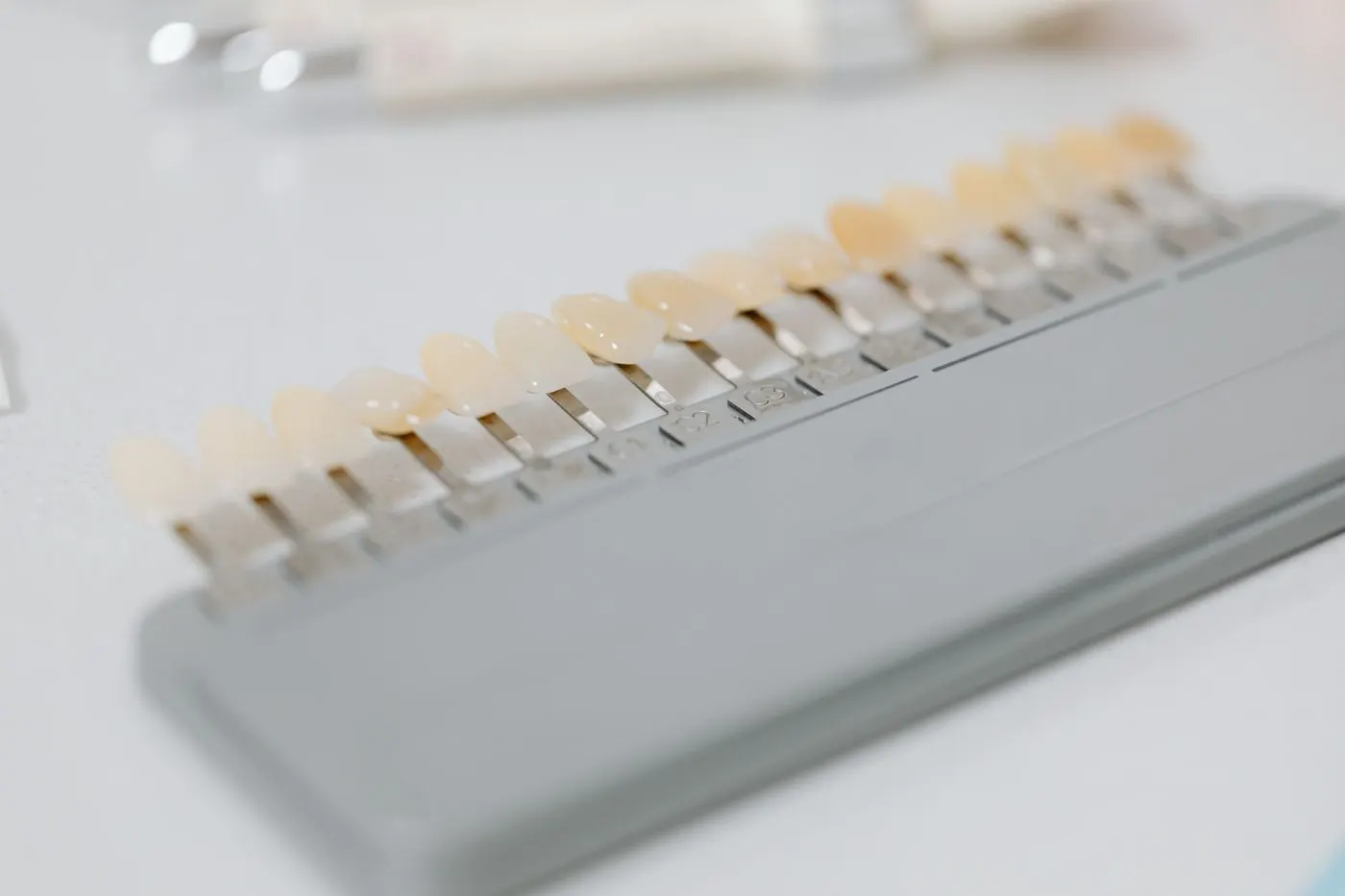
Price is only one part of the comparison. The methods differ in time, number of visits and how easy they are to maintain.
| Factor | Dentist-supplied home trays | In-practice (power or laser) |
|---|---|---|
| Time to result | Around 2 to 6 weeks of wear (NHS) | Usually 1 appointment of around 1 to 2 hours (NHS) |
| Dental visits | Usually two or three in total (Oral Health Foundation) | Examination plus the whitening session, sometimes more |
| Relative cost | Lower | Higher, as the Oral Health Foundation notes |
| Maintenance | Trays can be reused with fresh gel | Often paired with trays for maintenance anyway |
| Control | You can stop and restart if sensitivity occurs | Faster, with less day-to-day effort |
For many people, dentist-supplied home trays offer the best balance of cost and control, because the same trays can be reused for top-ups later. In-practice whitening suits people who want a quicker change, for example before an event, and accept paying more. The Oral Health Foundation reports that laser whitening is said to make teeth up to five or six shades lighter, but the result for any individual depends on their natural tooth colour, and no method lasts permanently.
A combined approach (a session in the chair followed by home trays) is common and usually sits between the two in price. Whichever you choose, the long-term cost is driven as much by top-ups and habits as by the first course.
What should the price include?
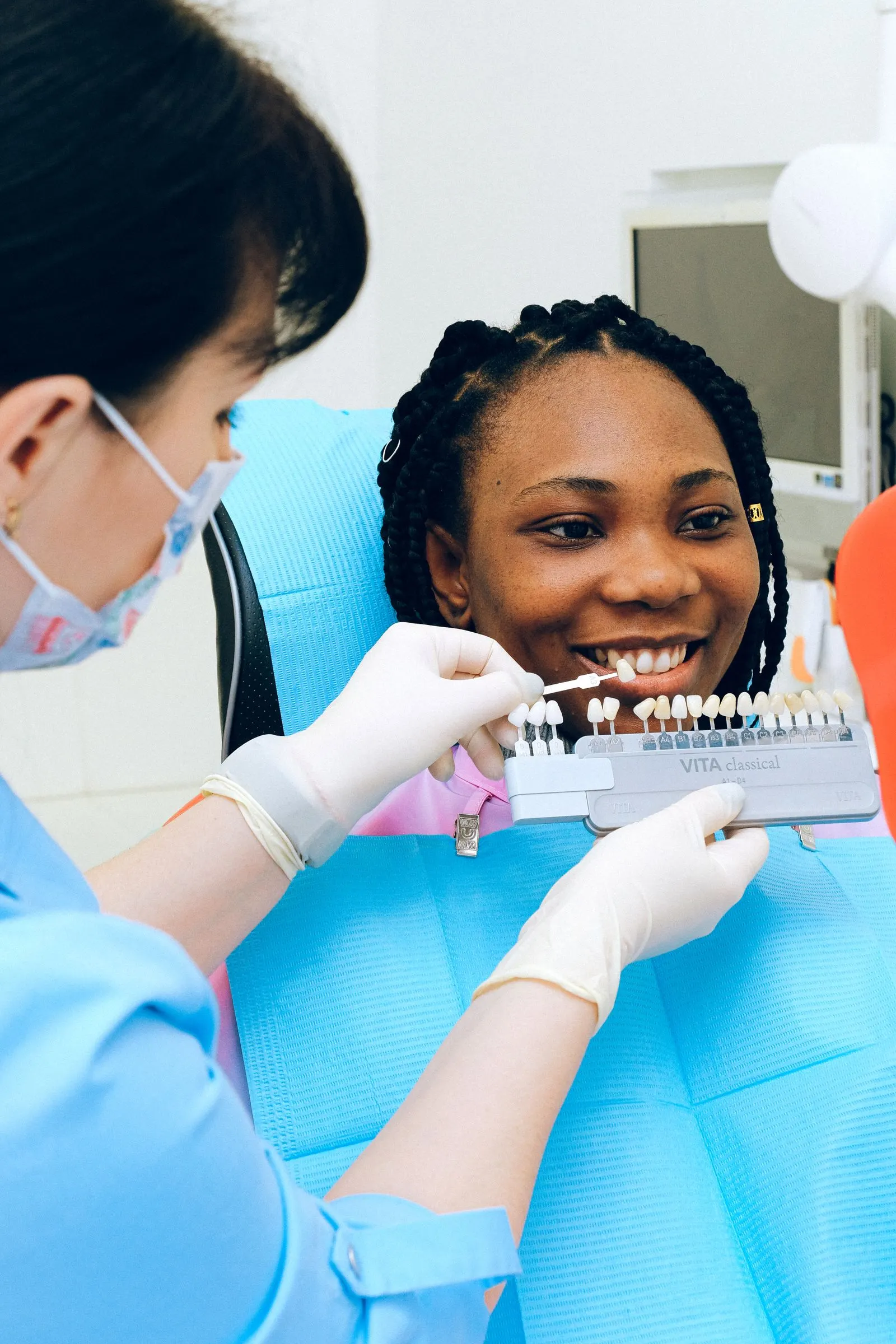
Two quotes with the same headline figure can cover very different things. Before you agree to treatment, check whether the fee includes:
- the examination: the General Dental Council requires a clinical examination before professional-strength whitening products are used,
- a scale and polish, if needed, so surface stain is not mistaken for tooth colour,
- impressions or scans and custom trays, which are the main cost of a home system,
- enough gel for the full course, typically two to four weeks according to the Oral Health Foundation,
- review appointments to check progress and sensitivity,
- top-up gel, and whether it is included or charged separately later.
Ask, too, what happens if your teeth become sensitive and the course has to be paused. A clear written estimate prevents surprises.
Extra costs people often forget
The whitening fee is rarely the only cost.
- Treatment before whitening. Decay, leaking fillings or gum problems must be treated first, which adds appointments and fees.
- Restorations that no longer match. Whitening only works on natural teeth. The Oral Health Foundation states it will not change the colour of crowns, veneers or dentures, so visible fillings or crowns may look darker afterwards and might need replacing to match.
- Top-ups. Whitening is not permanent. The NHS says the effect may last around three years if you follow your dentist's advice, and keeping the shade usually means buying fresh gel periodically. Our guide on how long teeth whitening lasts covers this in detail.
- Sensitivity products. Some people need a toothpaste for sensitive teeth during and after the course.
Why are cheap salon and online offers a false economy?
In the UK, whitening is legally a dental procedure. The General Dental Council's position statement explains that products containing more than 0.1% and up to 6% hydrogen peroxide may only be supplied through dental professionals, after a clinical examination, and may not be used on anyone under 18 for cosmetic reasons. Products above 6% are prohibited for cosmetic use. Whitening by anyone who is not a registered dental professional is illegal.
Online products carry their own risks. A Which? investigation in 2021 tested 36 whitening products bought from online marketplaces and found that 21 contained more than the 0.1% hydrogen peroxide legally allowed for over-the-counter sale, and 11 contained more than 6%. Legal shop-bought kits, on the other hand, are limited to 0.1% peroxide, which the Oral Health Foundation describes as too weak to be effective.
So the cheaper route is often either ineffective or unsafe. Paying for a dentist-supervised course is the realistic minimum for a predictable result.
How much does teeth whitening cost in Turkey?
At Doctor Turka, professional teeth whitening starts from €165. The final price depends on the method and on your dental health, and it is confirmed in a written treatment plan after assessment. Our dental costs in Turkey page lists starting prices for all treatments.
Honestly, travelling abroad for whitening alone rarely makes financial sense once flights and time off are counted, because the UK price for a dentist-supervised home system is already moderate. It becomes more relevant when whitening is one part of a larger plan.
When does combining whitening with veneers make sense?
Whitening and veneers are often planned together. Because veneers and crowns do not respond to bleaching, the usual sequence is to whiten the natural teeth first and then match the new restorations to the final shade. Doing it the other way round can leave veneers looking darker than the teeth next to them.
This is where a combined plan can be useful. If you are already considering veneers on your front teeth, whitening the remaining natural teeth allows the whole smile to be matched in one course. At Doctor Turka, veneers start from €130 per tooth for composite and from €205 per tooth for porcelain or E.max, with the final price set in your written treatment plan. Our guide to how much veneers cost in Turkey explains the options.
Veneers are not a cosmetic shortcut for people whose only concern is colour. They involve preparing the teeth to varying degrees and need replacing eventually, so a dentist should confirm whether whitening alone would meet your goals first.
Teeth whitening in Istanbul with Doctor Turka
Our dentists in Ataköy, Bakırköy (Istanbul) examine your teeth and gums before any whitening and explain whether it suits your situation. You receive a free written treatment plan, including the price, before you travel. See how it works for the steps, or ask a question via WhatsApp or our contact page.
Sources
- Teeth whitening (NHS)
- About tooth whitening (Oral Health Foundation)
- Tooth whitening position statement (General Dental Council)
- Dentistry Fees Survey results: tooth whitening (Dentistry.co.uk)
- How much does teeth whitening cost in the UK? (Dentaly)
- Don't buy teeth whitening products from online marketplaces (Which?)
Want a personal opinion?
Leave your contact details. Our patient coordinator will contact you to discuss your needs and explain the next steps, free and without obligation.
Discuss my options